

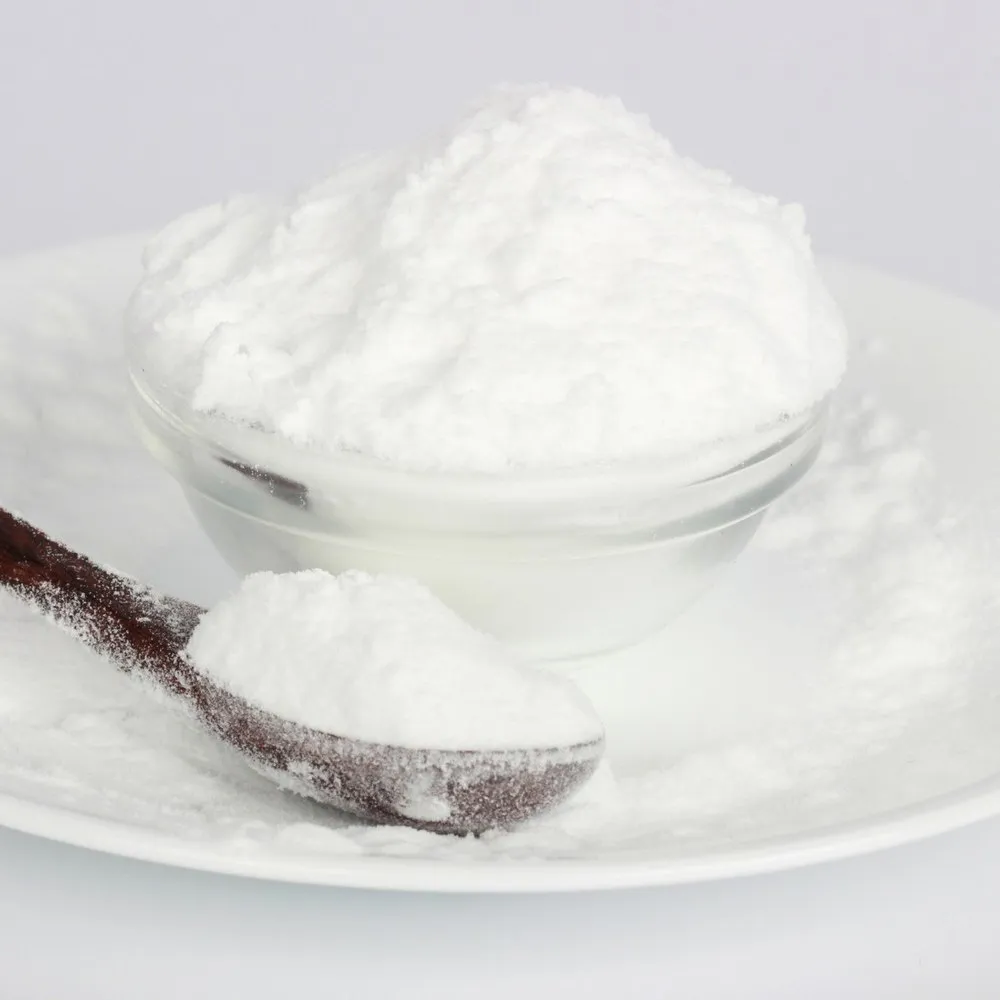
In medical nutrition manufacturing, success is rarely defined by speed alone. It is defined by precision, trust, and the quiet reliability of ingredients that behave exactly as expected—batch after batch, patient after patient. Maltodextrin DE 2–4 for Medical Foods is one of those foundational components. When sourced and specified correctly, it becomes an enabling ingredient that supports clinical outcomes, regulatory compliance, and manufacturing efficiency at the same time.
Manufacturers who work in medical foods know this reality well: you are not just producing calories, you are delivering controlled nutrition for vulnerable populations. The margin for error is narrow. Raw material choices matter. From our experience working with medical food and clinical nutrition producers, we have seen how selecting the right maltodextrin—particularly low-DE grades like DE 2–4—can simplify formulation challenges while strengthening product performance and supply chain stability.
This article is written for manufacturers, formulation scientists, and procurement managers who want depth, not generalities. It explores what makes Maltodextrin DE 2–4 uniquely valuable for medical foods, where sourcing mistakes happen, and how a thoughtful wholesale strategy—supported by a reliable partner like MT Royal—can protect both production and reputation.
Understanding Maltodextrin DE 2–4: Core Concepts for Medical Food Applications
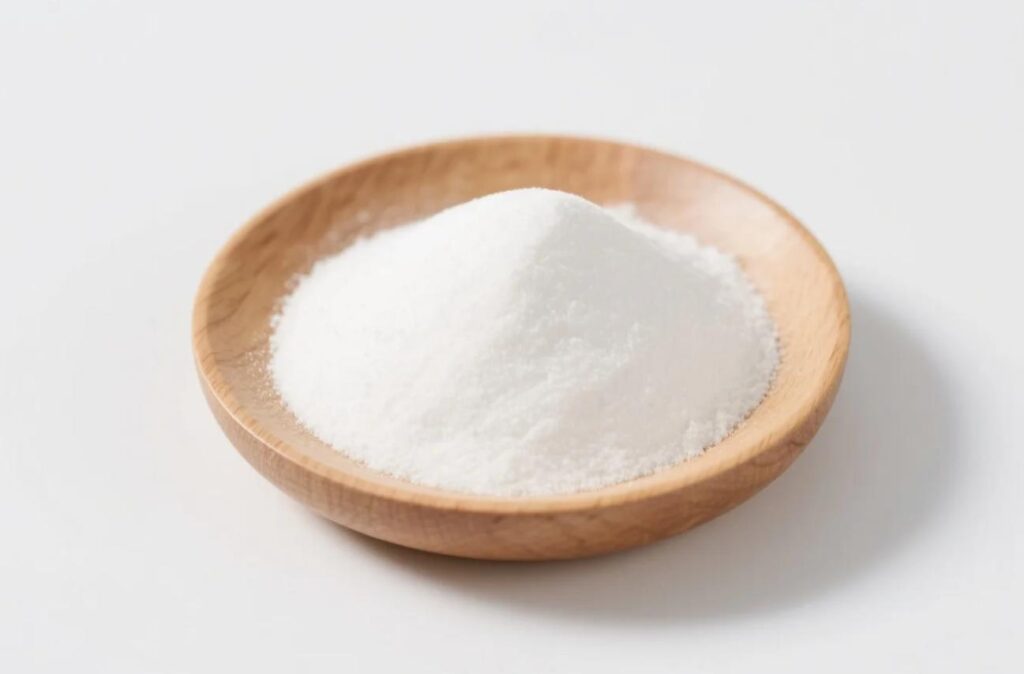
Maltodextrin is a polysaccharide derived from starch through controlled hydrolysis. The DE value (Dextrose Equivalent) is the defining parameter that determines its functional behavior. In simple terms, DE measures the extent of starch breakdown and correlates with sweetness, solubility, osmolality, and metabolic response.
Maltodextrin DE 2–4 represents a very low DE range. This means:
- Minimal sweetness
- High molecular weight
- Low osmolality contribution
- Slow, controlled glucose release
For medical foods, these properties are not just advantageous—they are often essential.
Low-DE maltodextrins behave more like complex carbohydrates than sugars. They provide energy without sharp glycemic spikes and without excessive sweetness that could limit patient compliance. In tube feeding formulas, oral nutritional supplements, and condition-specific medical foods, DE 2–4 maltodextrin helps formulators balance caloric density with digestive tolerance.
Unlike higher-DE maltodextrins, which may act more like glucose syrups, DE 2–4 is designed for stability and predictability—two traits that matter deeply in clinical nutrition.
Why DE 2–4 Matters Specifically for Medical Foods
Medical foods operate under a different set of expectations than conventional food products. They are formulated for dietary management of diseases and must meet specific nutritional requirements under medical supervision.
In this context, Maltodextrin DE 2–4 offers several decisive advantages:
Controlled Osmolality
High osmolality is a common cause of gastrointestinal intolerance in patients, especially in enteral feeding. Low-DE maltodextrin contributes calories without dramatically increasing osmolality, making it suitable for sensitive digestive systems.
Neutral Sensory Profile
Medical foods are rarely judged by indulgence, but palatability still matters. DE 2–4 maltodextrin provides bulk and energy without adding sweetness or off-flavors, allowing other functional ingredients to perform without interference.
Metabolic Stability
For patients with impaired glucose tolerance, metabolic disorders, or specific clinical conditions, slow carbohydrate digestion is critical. Low-DE maltodextrin supports gradual energy release, aligning with therapeutic nutrition goals.
Functional Versatility
Beyond nutrition, Maltodextrin DE 2–4 acts as a carrier, bulking agent, and texture modifier. It improves mouthfeel, stabilizes emulsions, and enhances powder flow during processing.
Key Applications of Maltodextrin DE 2–4 in Medical Nutrition Manufacturing
Enteral Nutrition Formulas
In tube feeding applications, consistency and tolerance are non-negotiable. Maltodextrin DE 2–4 allows manufacturers to increase caloric density without increasing viscosity excessively or compromising flow through feeding tubes.
From what we have observed in large-scale production environments, formulas using low-DE maltodextrin tend to show better stability during storage and fewer clogging issues during administration.
Oral Nutritional Supplements (ONS)
For oral supplements targeting elderly patients or those with reduced appetite, low sweetness is often a benefit. Maltodextrin DE 2–4 provides energy without overwhelming flavor, supporting higher compliance over long-term use.
Disease-Specific Medical Foods
Medical foods designed for metabolic disorders, malabsorption, or post-surgical recovery often require tightly controlled carbohydrate sources. Low-DE maltodextrin offers predictability in digestion and absorption, simplifying clinical validation.
Modular Nutrition Systems
In modular medical nutrition, where protein, fat, and carbohydrate components are customized, Maltodextrin DE 2–4 serves as a reliable carbohydrate module with minimal formulation side effects.
Common Sourcing Mistakes in Industrial Medical Food Production
Despite its importance, maltodextrin is sometimes treated as a generic commodity. This mindset can introduce serious risks.
Confusing DE Ranges
Not all maltodextrins labeled “low DE” perform the same. A DE 5–7 product behaves very differently from a true DE 2–4 maltodextrin. Substituting one for the other can alter osmolality, sweetness, and metabolic response.
Overlooking Raw Material Origin
Corn, wheat, and tapioca-derived maltodextrins may all meet basic specifications, but they differ in allergen profile, labeling implications, and regional regulatory acceptance. Medical food manufacturers cannot afford surprises in this area.
Inconsistent Supplier Specifications
Small variations in moisture content, particle size, or hydrolysis profile can cause processing inconsistencies. We have seen factories struggle with blending uniformity or powder segregation due to inconsistent maltodextrin supply.
Price-Driven Decisions Without Technical Evaluation
Lower price per ton may seem attractive, but hidden costs—reformulation, failed validation batches, or regulatory delays—quickly outweigh initial savings.
Evaluating Maltodextrin DE 2–4 for Medical Food Use
When sourcing Maltodextrin DE 2–4 for Medical Foods, manufacturers should look beyond basic COAs.
Critical Technical Parameters
- DE range consistency
- Moisture control
- Bulk density and flowability
- Solubility behavior at different temperatures
- Microbiological profile suitable for medical nutrition
Regulatory and Documentation Readiness
Medical foods often operate under strict regulatory frameworks. Suppliers must be able to provide:
- Traceability documentation
- Allergen statements
- GMO status
- Compliance with food and medical nutrition standards
Supply Chain Reliability
Medical nutrition production schedules are often fixed around hospital contracts and clinical programs. A disrupted maltodextrin supply can halt production entirely.
MT Royal supports manufacturers by offering access to multiple approved sources of low-DE maltodextrin, allowing flexibility without compromising specification integrity.
Maltodextrin DE 2–4 Compared to Other Carbohydrate Options
Versus Higher-DE Maltodextrins
Higher-DE maltodextrins provide faster energy and more sweetness, but they also increase osmolality and glycemic response. For general food products, this may be acceptable. For medical foods, it often is not.
Versus Glucose Syrups and Dextrose
Simple sugars deliver rapid energy but pose challenges in metabolic control and digestive tolerance. Maltodextrin DE 2–4 offers a middle ground—energy without extremes.
Versus Modified Starches
While modified starches can provide structure, they often lack the solubility and neutrality required in medical nutrition. Low-DE maltodextrin remains more versatile across formats.
Scaling Up: Industrial Considerations for High-Volume Production
At pilot scale, maltodextrin choice may seem straightforward. At industrial scale, small differences become magnified.
High-volume manufacturers should consider:
- Mixing dynamics: Low-DE maltodextrin requires sufficient shear for uniform dispersion.
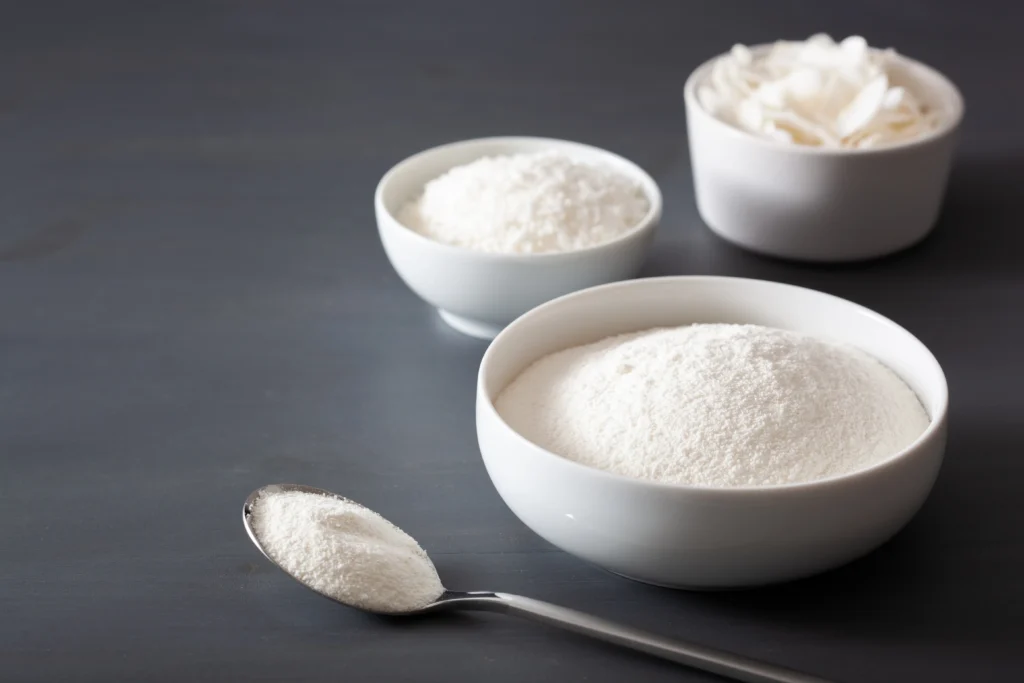
- Dust control: Fine powders necessitate appropriate handling systems.
- Storage conditions: Moisture management is critical to prevent caking.
- Validation strategy: Any supplier change should be treated as a formulation variable requiring careful assessment.
We have seen that factories that lock in long-term specifications and suppliers for Maltodextrin DE 2–4 experience fewer production interruptions and more predictable quality outcomes.
Frequently Asked Questions from Medical Food Manufacturers
Is Maltodextrin DE 2–4 suitable for diabetic medical foods?
While it is not a sugar-free ingredient, its low DE supports slower glucose release compared to simple carbohydrates. Suitability depends on the overall formulation and clinical intent.
Can Maltodextrin DE 2–4 be labeled as a complex carbohydrate?
In many regulatory contexts, yes, due to its molecular structure and digestion profile. Labeling should always be confirmed with local regulations.
How does storage affect performance?
Exposure to humidity can lead to caking and reduced flowability. Proper packaging and climate-controlled storage preserve functional properties.
Does source starch matter clinically?
From a functional perspective, performance may be similar, but allergen labeling and regional acceptance can differ. This is especially important for hospital-supplied products.
MT Royal’s Role in Medical Food Ingredient Sourcing
MT Royal operates with a clear understanding that medical food manufacturing is not just another segment of the food industry. It requires precision, documentation, and trust.
By offering Maltodextrin DE 2–4 for Medical Foods from multiple vetted producers, MT Royal helps manufacturers balance technical requirements with commercial realities. The approach is consultative rather than transactional—matching ingredient characteristics to real production needs.
We have seen that when manufacturers work with a supplier who understands clinical nutrition, sourcing becomes a strategic asset rather than a recurring challenge. Flexibility in origin, competitive pricing, and consistent specifications allow production teams to focus on what truly matters: delivering reliable nutrition to patients.
Market Trends Shaping Low-DE Maltodextrin Demand
The global medical nutrition market continues to expand, driven by aging populations, increased chronic disease prevalence, and greater clinical recognition of targeted nutrition.
At the same time, demand is shifting toward:
- Lower glycemic formulations
- Improved digestive tolerance
- Cleaner sensory profiles
- Transparent and traceable supply chains
Low-DE maltodextrins, particularly DE 2–4, align closely with these trends. Manufacturers who secure reliable sources today are better positioned to meet tomorrow’s clinical and commercial demands.
A Strategic Ingredient Worth Respecting
Maltodextrin DE 2–4 rarely appears on marketing materials or product labels in bold letters. Yet within the walls of a medical food factory, it quietly shapes performance, tolerance, and trust.
When chosen with intention and sourced through a partner who understands both formulation science and industrial reality, Maltodextrin DE 2–4 for Medical Foods becomes more than a carbohydrate. It becomes a stabilizing force—one that supports patients, protects processes, and strengthens long-term manufacturing confidence.



No comment