

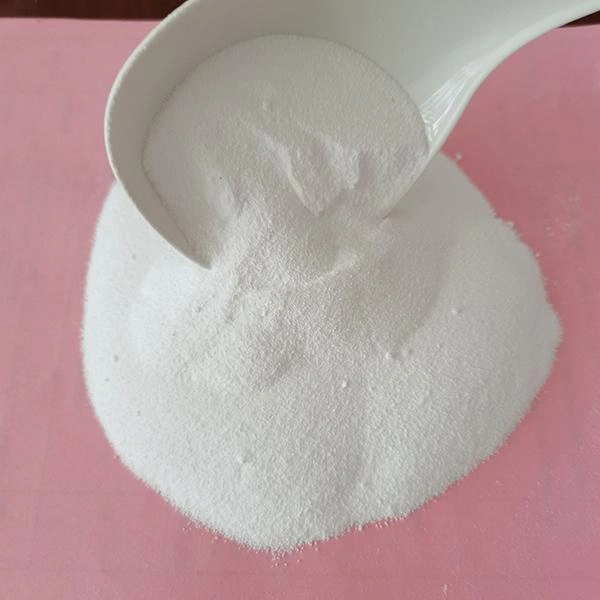
In industrial food and beverage manufacturing, certain ingredients sit right at the intersection of formulation science and commercial reality. Maltodextrin DE 15–20 is one of them. It is sweet enough to shape flavor, functional enough to influence texture and solubility, and economical enough to support large-scale production. When you search for a Maltodextrin DE 15–20 Wholesale Supplier, you are not simply comparing prices—you are deciding how stable, scalable, and competitive your production will be over the long term.
Factories that rely on DE 15–20 maltodextrin often operate under tight margins, fast production cycles, and demanding customers. Any inconsistency in supply, performance, or documentation quickly shows up on the production floor. From what we have seen working with food, beverage, and nutrition manufacturers, the right wholesale supplier does far more than deliver product. They help stabilize formulations, smooth logistics, and reduce hidden risks that only appear at scale.
This article is written to fully address the real intent behind your search. It goes deep into what Maltodextrin DE 15–20 actually does in industrial systems, why wholesale sourcing matters, where common procurement mistakes occur, and how suppliers like MT Royal fit into a smarter sourcing strategy. If your factory uses maltodextrin as a functional cornerstone rather than an afterthought, this guide is meant for you.
Understanding Maltodextrin DE 15–20: The Functional Sweet Spot
Maltodextrin is produced through the controlled hydrolysis of starch, resulting in glucose polymers of varying chain lengths. The DE value (Dextrose Equivalent) measures the degree of hydrolysis and provides a practical indicator of sweetness, solubility, molecular weight, and metabolic behavior.
A DE range of 15–20 represents a relatively high level of hydrolysis, positioning this maltodextrin closer to simple sugars than to complex carbohydrates—but without fully crossing that line.
Maltodextrin DE 15–20 typically delivers:
- Noticeable sweetness that supports or partially replaces sugar
- Very high solubility in cold and hot systems
- Low viscosity even at higher solids
- Rapid carbohydrate availability
- Clean flavor with minimal aftertaste
For manufacturers, this combination is powerful. DE 15–20 maltodextrin acts as both a carbohydrate source and a formulation tool, influencing sweetness, mouthfeel, and stability in a single ingredient.
Why DE 15–20 Is Widely Chosen by High-Volume Manufacturers
The appeal of Maltodextrin DE 15–20 is rooted in efficiency and versatility.
Sweetness Control Without Full Sugar Dependence
DE 15–20 offers enough sweetness to reduce reliance on sucrose or glucose syrup, while still allowing precise control over flavor profiles. This is particularly useful in products targeting balanced sweetness rather than intensity.
Superior Solubility for Instant and Liquid Products
In instant beverages, syrups, and ready-to-drink formulations, solubility is non-negotiable. Maltodextrin DE 15–20 dissolves rapidly, reducing processing time and minimizing consumer complaints related to sediment or cloudiness.
Low Viscosity at High Solids
Unlike lower-DE maltodextrins or starches, DE 15–20 maintains low viscosity even at higher concentrations. This simplifies pumping, mixing, and filling operations in industrial environments.
Cost-Effective Energy Delivery
Compared to refined sugars, DE 15–20 maltodextrin often provides a more stable cost structure, especially when purchased through a reliable wholesale supplier with access to multiple producers.
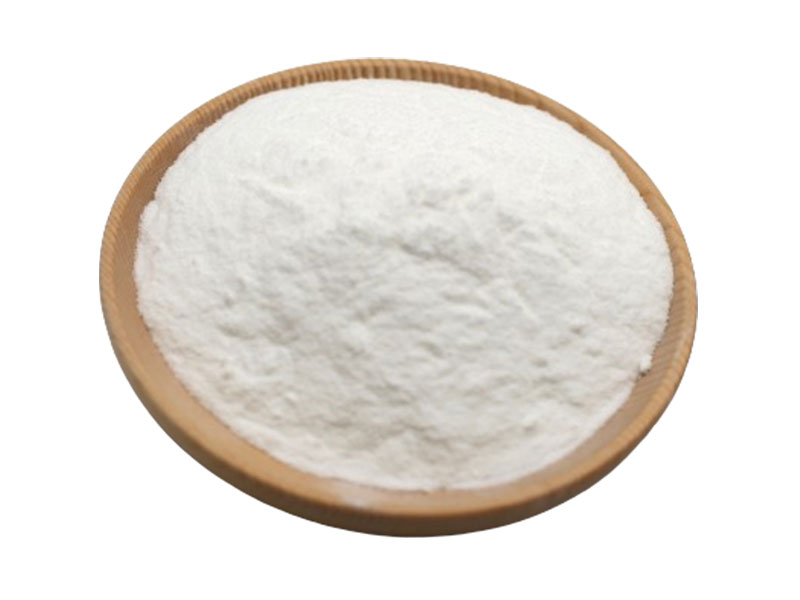
Core Industrial Applications of Maltodextrin DE 15–20
Instant Beverage Powders and RTD Drinks
This is one of the most common applications for DE 15–20 maltodextrin. It supports sweetness, enhances mouthfeel, and improves flavor dispersion without introducing excessive thickness.
Energy drinks, flavored waters, fortified beverages, and powdered drink mixes rely heavily on this DE range for consistent performance.
Sports Nutrition and Energy Formulations
In sports drinks and energy powders, rapid carbohydrate availability matters. DE 15–20 maltodextrin delivers quick energy while remaining easier to formulate than pure dextrose.
Manufacturers often use it to balance sweetness, osmotic pressure, and taste in performance-oriented products.
Confectionery, Fillings, and Coatings
In confectionery systems, Maltodextrin DE 15–20 functions as a bulking agent, sweetness modifier, and texture stabilizer. It helps control crystallization and supports shelf-life stability.
Dairy-Based and Plant-Based Beverages
Flavored milks, protein shakes, and plant-based drinks benefit from DE 15–20 maltodextrin’s ability to improve body and sweetness without masking core flavors.
Processed Foods and Sauces
Soups, sauces, and ready meals use DE 15–20 maltodextrin to enhance mouthfeel, stabilize emulsions, and deliver subtle sweetness that rounds out savory profiles.
The Importance of Choosing the Right Wholesale Supplier
At small scale, ingredient variability can sometimes be managed. At industrial scale, it becomes a systemic risk.
A true Maltodextrin DE 15–20 Wholesale Supplier offers more than volume pricing. They provide:
- Consistent product specifications across large batches
- Reliable lead times aligned with production schedules
- Proper packaging for bulk handling and storage
- Transparent documentation for audits and exports
- Flexibility in sourcing to manage market volatility
Factories that underestimate the importance of wholesale supplier quality often face recurring issues: formulation drift, processing inefficiencies, and unexpected compliance challenges.
Common Mistakes in Industrial Maltodextrin Procurement
Treating DE 15–20 as a Generic Commodity
Not all maltodextrins within the same DE range behave identically. Differences in starch source, enzymatic process, and drying method affect solubility, sweetness perception, and flowability.
Chasing the Lowest Price Per Ton
Low pricing often conceals variability that leads to higher costs elsewhere—reprocessing, quality complaints, or production downtime.
Ignoring Packaging and Storage Requirements
DE 15–20 maltodextrin is hygroscopic. Inadequate packaging can lead to caking, reduced flow, and handling problems, especially in humid environments.
Overlooking Supplier Documentation Quality
Incomplete or inconsistent documentation can delay audits, exports, or customer approvals. For many factories, this risk only becomes visible when it is already costly.
We have seen manufacturers forced into emergency reformulations not because their product failed, but because their supplier did.
Evaluating a Reliable Maltodextrin DE 15–20 Wholesale Supplier
Specification Consistency
Key parameters to monitor include:
- Tight DE range control
- Stable moisture content
- Uniform particle size distribution
- Predictable sweetness profile
- Clean sensory characteristics
Consistency across shipments is critical for manufacturers running standardized formulations.
Raw Material Origin Transparency
Corn, tapioca, and wheat-derived maltodextrins differ in allergen considerations, regulatory acceptance, and market perception. A reliable supplier communicates origin clearly and consistently.
Regulatory and Quality Documentation
Wholesale suppliers should provide complete, up-to-date documentation, including COAs, allergen statements, GMO status, and relevant food safety certifications.
Logistics and Inventory Management
On-time delivery and proper handling are not secondary concerns—they are integral to production planning. Predictable logistics reduce safety stock requirements and working capital pressure.
MT Royal supports manufacturers by supplying Maltodextrin DE 15–20 from multiple vetted producers, allowing factories to maintain specification integrity while benefiting from competitive pricing and flexible sourcing.
Maltodextrin DE 15–20 Compared to Other DE Ranges
Versus DE 10–15
DE 15–20 offers higher sweetness and faster carbohydrate availability, making it more suitable for energy-focused and flavor-forward products.
Versus DE 20+
Higher-DE maltodextrins approach glucose syrup behavior, increasing sweetness and osmolality. DE 15–20 retains more formulation flexibility.
Versus Simple Sugars
Compared to sucrose or dextrose, DE 15–20 provides smoother sweetness, lower crystallization risk, and improved process stability.
Industrial-Scale Production: Practical Insights
At high volumes, small ingredient differences become magnified.
Manufacturers using DE 15–20 maltodextrin at scale should pay attention to:
- Dust control and handling systems
- Humidity management in storage areas
- Standardized supplier specifications
- Change control procedures when switching sources
From our experience, factories that lock in long-term relationships with technically capable wholesale suppliers experience fewer disruptions and more predictable quality outcomes.
Frequently Asked Questions from Procurement and Production Teams
Is Maltodextrin DE 15–20 suitable for sugar reduction strategies?
Yes. It can partially replace sucrose while maintaining sweetness and body, depending on formulation goals.
Does higher DE mean higher glycemic response?
Generally, yes. DE 15–20 delivers faster carbohydrate availability than lower-DE grades, which can be desirable in energy-focused products.
How sensitive is it to storage conditions?
Like all maltodextrins, it absorbs moisture. Dry, well-ventilated storage and appropriate packaging are essential.
Can one DE 15–20 product be used across multiple applications?
Often yes, which is why this DE range is popular among manufacturers managing diverse product portfolios.
MT Royal’s Role in Wholesale Maltodextrin Supply
MT Royal approaches maltodextrin supply with an understanding of industrial realities. Rather than pushing a single origin or brand, the focus is on matching manufacturers with the right Maltodextrin DE 15–20 option for their applications.
By working with multiple producers and maintaining strict specification control, MT Royal helps factories balance cost efficiency with technical confidence. We have seen that when manufacturers work with a supplier who understands both formulation science and supply chain complexity, sourcing becomes a stabilizing force rather than a recurring challenge.
Market Trends Driving Demand for DE 15–20 Maltodextrin
Several forces continue to increase demand:
- Growth in instant and ready-to-drink beverages
- Expansion of sports and functional nutrition markets
- Pressure to optimize sweetness and cost simultaneously
- Globalization of food production and distribution
Within this context, Maltodextrin DE 15–20 remains one of the most versatile carbohydrate solutions available to industrial producers.
A Decision That Shapes More Than Formulations
Maltodextrin DE 15–20 may not dominate marketing conversations, but it quietly influences efficiency, flavor, and profitability across countless production lines.
Choosing the right Maltodextrin DE 15–20 Wholesale Supplier is not a routine procurement task. It is a strategic decision that affects how confidently your factory can produce, scale, and compete. When sourcing is guided by technical understanding rather than short-term pricing alone, the results are felt across operations, partnerships, and long-term growth.


No comment