


For manufacturers operating in Egypt’s dynamic industrial landscape, sourcing raw materials such as glucose syrup is more than a routine procurement task — it can be a strategic differentiator. Whether you produce confectionery, beverages, baked goods, dairy products, pharmaceuticals, or specialty food ingredients, the reliability, quality, and performance of your glucose syrup significantly impacts production efficiency, product consistency, and regulatory compliance. In an industry where even small formulation adjustments can ripple across an entire product line, aligning with the right glucose syrup supplier in Egypt becomes an operational priority.
At MT Royal, we understand that a dependable supply chain for specialty ingredients is foundational to your factory’s success. In our collaboration with various factories, we have seen that manufacturers who engage deeply with suppliers on technical specifications, quality assurance, and logistical planning enjoy smoother production runs, fewer quality discrepancies, and stronger market responsiveness. Choosing a glucose syrup partner is not just about securing a commodity — it’s about forming a collaborative relationship that supports your long‑term manufacturing objectives.
This comprehensive guide unpacks everything you need to know about glucose syrup sourcing in Egypt: from definitions and industrial applications to procurement best practices, common pitfalls, comparative tips, and frequently asked questions. Whether your role centers on procurement, quality assurance, R&D, or production management, this article equips you with actionable insight for evaluating suppliers and optimizing your sourcing strategy.
What Is Glucose Syrup? Definitions and Fundamental Concepts
Industrial Overview of Glucose Syrup
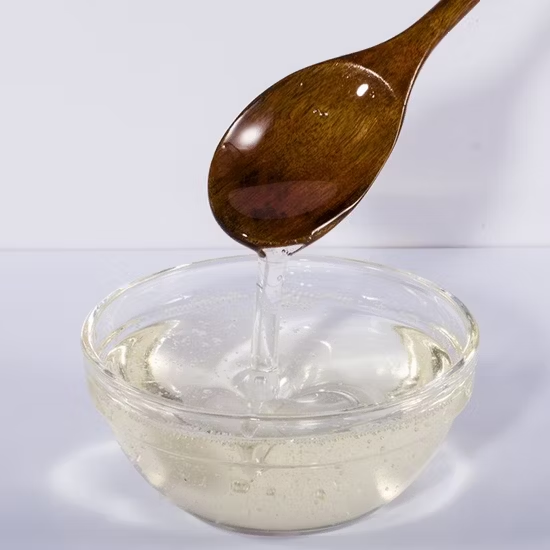
Glucose syrup is a concentrated carbohydrate liquid derived from the hydrolysis of starch. Typically sourced from corn, wheat, or other starchy plants, this syrup is rich in glucose and maltose fractions. Unlike crystalline sugar, glucose syrup is a dense, viscous liquid used extensively as a sweetener, humectant, and texture modifier.
In industrial terms, glucose syrup is characterized by its DE value (Dextrose Equivalent) — a measure of reducing sugar content relative to pure dextrose. Higher DE values indicate greater sweetness and solubility, while lower DE values contribute to texture and body without excessive sweetness. This tunable DE range makes glucose syrup an indispensable ingredient across many food systems.
Why Glucose Syrup Matters in Manufacturing
In large‑scale production environments, glucose syrup serves multiple technical functions:
- Acts as a sweetening agent with controlled sweetness
- Enhances mouthfeel and texture in confectionery and baked goods
- Functions as a humectant, extending shelf life by retaining moisture
- Reduces crystallization in syrups and candies
- Provides a feedstock for fermentation and value‑added formulations
- Supports viscosity control in beverages and dairy systems
For formulators and production engineers, understanding how glucose syrup interacts with other components — like sugars, fats, and stabilizers — is crucial to product consistency and performance.
Egypt’s Manufacturing Landscape and the Role of Glucose Syrup
Egypt’s industrial sector is diverse and expanding, with food and beverage, dairy processing, confectionery, and pharmaceuticals among the largest contributors to manufacturing output. As factories scale operations, local and regional sourcing becomes strategically important to reduce supply chain risks and improve responsiveness.
Here’s why partnering with a glucose syrup supplier in Egypt offers a strategic advantage:
- Reduced import complexity compared to distant supply chains
- Shorter lead times and improved production scheduling
- Enhanced logistical coordination with regional distribution channels
- Familiarity with Egyptian regulatory frameworks and audit requirements
- Potential cost efficiencies through optimized freight and local inventory
In sectors where formulation precision matters — such as confectionery, dairy, and beverages — having prompt access to key ingredients can differentiate between meeting seasonal demand peaks or facing costly production delays.
Industrial Applications of Glucose Syrup
Confectionery Production
The confectionery industry is arguably the largest user of glucose syrup, where it plays multiple functional roles:
- Texture Control: In candies, glucose syrup disrupts sugar crystal growth, producing chewiness in caramels and smoothness in toffees.
- Sweetness Balancing: Glucose syrup’s lower relative sweetness complements sucrose, enabling precise sweetness profiles.
- Shelf Life Extension: Its hygroscopic nature helps retain moisture, delaying staling and extending product freshness.
For high‑volume confectionery lines, even marginal differences in glucose syrup quality can alter texture, viscosity, and production yields. A reliable supplier who understands confectionery processing nuances can help minimize variability.
Bakery and Baked Goods
In baked products, glucose syrup contributes to:
- Color and Browning: Through controlled Maillard reactions, it supports desirable crust color.
- Moisture Retention: Improves crumb softness and extended freshness.
- Texture and Volume: Supports batter flow and volume consistency.
Bakery formulators must consider DE value and moisture levels to optimize texture, proofing behavior, and finished product performance.
Beverages and Liquid Formulations
In beverage manufacturing, glucose syrup functions as:
- A sweetening agent
- A viscosity modifier
- A component that stabilizes flavor and mouthfeel
Here, solubility and consistent sweetness delivery are paramount. Beverage producers benefit when technical support from the supplier includes clarification on DE values matched to specific applications.
Dairy Systems
In dairy products like ice cream or flavored milk, glucose syrup:
- Enhances creaminess and texture
- Controls ice crystal formation
- Balances sweetness without overpowering flavor
Dairy operations often rely on high‑quality glucose syrup to maintain smooth texture and processing stability.
Pharmaceutical and Nutraceutical Products
Glucose syrup plays specialized roles, including:
- Excipient in medicinal syrups
- Carrier for active ingredients
- Caloric substrate in therapeutic foods
In these regulated categories, clinical grade performance and documentation support are essential.
Core Criteria for Selecting a Glucose Syrup Supplier in Egypt
Selecting a supplier is a strategic decision that requires balancing technical quality, regulatory compliance, logistical capability, and collaborative engagement. Below are foundational criteria to guide your evaluation.
1. Quality Assurance and Regulatory Compliance
Your supplier must demonstrate rigorous quality controls and compliance certifications. Essential documentation includes:
- Certificates of Analysis (CoA) for each batch
- Microbial and chemical testing reports
- Compliance with food safety standards (ISO 22000, HACCP)
- Traceability documentation from source raw materials to finished product
For regulated applications — such as infant foods or pharmaceuticals — additional certifications (e.g., GMP, codex compliance) may be mandatory.
2. Product Specifications and Technical Consistency
Industrial success hinges on predictable ingredient performance. Key glucose syrup parameters to evaluate include:
- DE value (impacting sweetness, solubility, texture)
- Moisture content
- Viscosity profiles
- Microbiological limits
- Heavy metal content
A supplier who offers detailed specification sheets and performance data enables you to align ingredient selection directly with formulation and process requirements.
3. Logistics and Packaging Flexibility
Industrial operations benefit from customized logistics solutions that match production schedules and handling capacities. Important factors include:
- Packaging formats (e.g., drums, totes, bulk tanks)
- Minimum order quantities (MOQ) aligned with your inventory strategy
- Lead time predictability
- Temperature‑controlled transportation if required
Discussing these logistical details with your supplier ensures that production continuity is maintained.
4. Technical Support and Collaborative Engagement
The most effective suppliers act as consultative partners. Technical support can include:
- Assistance with DE value selection for your product category
- Trial coordination in pilot plants
- Troubleshooting functional performance in real process settings
- Sharing emerging industry insights and benchmarks
We have found that suppliers who actively engage with your quality and R&D teams reduce formulation risks and speed development cycles.
Understanding DE Value: How It Affects Functionality
One of the most critical technical variables in glucose syrup selection is its Dextrose Equivalent (DE). Understanding how DE impacts performance is essential for targeted sourcing.
- Low DE glucose syrup (DE < 20):
Lower sweetness, higher viscosity. Used where mouthfeel and body are prioritized, such as in chewy candies and some bakery products. - Medium DE glucose syrup (DE 20–40):
Balanced sweetness and solubility; common in beverages and general food applications. - High DE glucose syrup (DE > 40):
Higher sweetness and solubility; suitable where fast dissolution and sweetness delivery are required, such as in syrups and instant drink powders.
Selecting an inappropriate DE value can adversely affect texture, sweetness perception, and processing behavior. A supplier who helps you match DE values to application requirements enhances formulation precision.
Common Mistakes in Industrial Sourcing
Even experienced procurement teams can fall into predictable pitfalls. Awareness of these mistakes helps you refine sourcing processes and reduce operational risk.
Mistake #1: Focusing Solely on Unit Price
While cost control is critical, the lowest price often masks hidden costs related to inconsistent quality, production variability, or documentation deficiencies. Instead, evaluate total cost of ownership, which accounts for quality reliability, supplier responsiveness, and logistical efficiency.
Mistake #2: Vague Specification Definitions
Assuming all glucose syrup is interchangeable leads to variable outcomes. Clear technical specifications must be included in purchase orders, including DE value, moisture range, microbial limits, and viscosity expectations to avoid ambiguity.
Mistake #3: Failing to Verify Compliance Documentation
In regulated sectors like food safety, infant nutrition, or pharmaceuticals, insufficient documentation can lead to audit findings or market access issues. Always confirm compliance credentials and traceability capabilities.
Mistake #4: Ignoring Supply Chain Risks
External disruptions — such as freight delays, port congestion, or seasonal demand spikes — can destabilize supply if you rely solely on a single supplier without contingency planning. Discuss dual‑sourcing strategies and inventory buffers with suppliers.

Practical Checklist for Procurement Teams
To ensure a disciplined evaluation of potential suppliers, use the following checklist:
- Collect recent Certificates of Analysis (CoA) for proposed glucose syrup grades
- Verify relevant certifications (ISO 22000, HACCP, GMP)
- Confirm documentation for traceability and compliance
- Review packaging options and minimum order quantities
- Assess lead time reliability and delivery capabilities
- Clarify acceptance and quality testing protocols upon receipt
- Discuss contingency planning for demand or supply disruptions
- Request technical samples for pre‑approval trials
This comprehensive approach transforms supplier selection from guesswork into structured, evidence‑based decision‑making.
Industrial Tips for Large‑Scale Production
Large‑scale manufacturing environments require specialized coordination between procurement, quality, and production teams. The following industrial tips reflect real‑world experience and help streamline operations.
Align Forecasting With Supplier Planning
Integrate your production forecasts with supplier planning cycles to reduce last‑minute rush orders and inventory bottlenecks. Sharing accurate demand projections enables your supplier to schedule production batches and allocate raw materials proactively.
Conduct Pilot Trials Before Full Implementation
When switching suppliers or introducing a new glucose syrup grade, conduct pilot production trials under real processing conditions. Early testing helps identify unexpected functionality issues before scaling up.
Incorporate Supplier Data Into Quality Systems
Integrating supplier quality data — such as CoA results — into your ERP and quality management systems accelerates acceptance checks and reinforces traceability.
Build Strategic Redundancy
Even reliable suppliers may encounter disruptions. Establishing secondary sourcing arrangements with backup inventory coverage strengthens operational resilience against unforeseen supply chain interruptions.
Emerging Trends in Glucose Syrup Sourcing
Procurement strategies must evolve alongside broader market and technological trends. Awareness of these developments positions your sourcing function for future success.
Growing Demand for Specialty Syrups
Manufacturers are increasingly seeking glucose syrup variants tailored to specific performance outcomes, such as ultra‑high DE for rapid solubility or blended syrups with controlled sweetness for premium formulations. Suppliers capable of delivering specialty grades expand your formulation flexibility.
Sustainability and Environmental Accountability
Sustainability is now a procurement priority. Manufacturers are evaluating suppliers based on environmental practices, energy efficiency, and waste reduction throughout the supply chain — from raw starch sourcing to processing and packaging.
Digital Traceability and Supply Chain Transparency
Suppliers offering digital access to shipment tracking, Certificates of Analysis, and compliance documentation streamline administrative tasks and improve responsiveness. Digital platforms support audit readiness and accelerate decision cycles.
Staying attuned to these emerging trends enables your procurement strategies to be both innovative and resilient.
Frequently Asked Questions From Factory Managers and Procurement Teams
What Are Typical Lead Times for Glucose Syrup Deliveries in Egypt?
Lead times vary based on inventory availability, packaging requirements, and logistical arrangements. Working with suppliers who maintain regional inventory or local distribution hubs can significantly reduce delivery timelines compared with imports.
What DE Value Should I Choose for My Application?
Your choice depends on functional goals:
- Low DE: Less sweetness, more texture body
- Medium DE: Balanced solubility and sweetness
- High DE: Higher sweetness and rapid dissolving
A supplier who understands your product requirements can recommend the optimal DE range.
How Should Glucose Syrup Be Stored?
Glucose syrup should be stored in a clean, cool, and dry area to prevent contamination or unexpected fermentation. Containers must be sealed to avoid moisture ingress.
Can Glucose Syrup Affect Product Shelf Life?
Yes. Glucose syrup’s humectant properties can help retain moisture and extend shelf life, but improper formulation ratios may lead to microbial stability concerns if not managed correctly.
Is Glucose Syrup Suitable for All Product Types?
While versatile, glucose syrup is not always ideal for every formulation. Low‑sugar or sugar‑free products may require alternatives like polyols or high‑intensity sweeteners. Always align ingredient selection with final product objectives.
Strategic Partnerships: Beyond Transactional Sourcing
A glucose syrup supplier in Egypt should not be viewed as a mere vendor but as a strategic partner in your manufacturing ecosystem. Suppliers who bring technical expertise, regulatory insight, and logistical cooperation add value well beyond delivering raw materials.
When your supplier collaborates with your technical and procurement teams, sharing insights on functional performance, quality thresholds, and market trends, your factory gains operational confidence and agility. This type of partnership reduces supply chain disruptions, improves product consistency, and accelerates innovation.
At MT Royal, we emphasize consultative engagement and alignment with your production goals. Through synchronized planning, specification alignment, and responsive technical support, we help manufacturers maintain consistent quality while adapting quickly to changing market demands.
The Transformative Power of Informed Sourcing
Choosing the right partner for glucose syrup supply influences every phase of your manufacturing process — from raw material behavior during processing to sensory outcomes and shelf performance of finished products. Prioritizing quality, compliance, logistical reliability, and collaborative expertise ensures that your sourcing decisions contribute positively to both short‑term production goals and long‑term operational resilience.
In an industrial environment where every ingredient decision has cascading effects across formulation, quality, and market deliverability, a thoughtful sourcing strategy positions your factory to meet current challenges and future opportunities with confidence. A reliable glucose syrup supplier in Egypt serves not just as a supplier, but as a collaborator in achieving manufacturing excellence.
LATAMARKO LM60 – Premium Spanish-Origin Cocoa Powder
latamarko alkalized cocoa powder lm60
cocoa powder for chocolate production-Best price
Food industry raw materials – list of products
Types of Gelatin from Turkish Manufacturer
Alkalized Cocoa Powder Price: Complete Buyer Guide for 2026


No comment