

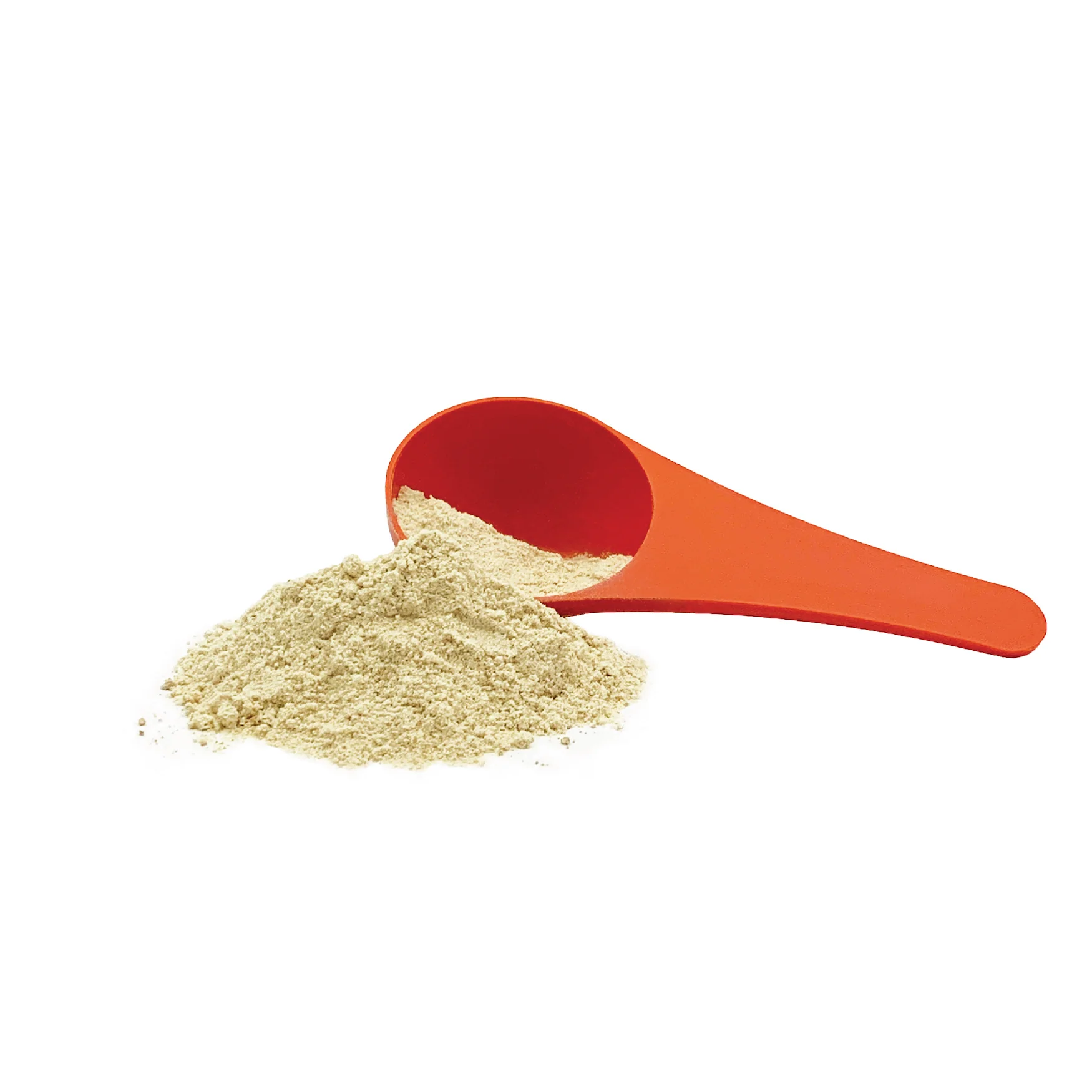
For food manufacturers, nutraceutical producers, and industrial processors, ingredient functionality is often the invisible factor that determines whether production flows smoothly or becomes a constant battle against instability, separation, or inconsistent quality. Sunflower lecithin is one of those deceptively simple ingredients that plays a critical role across multiple industries. Choosing the right sunflower lecithin supplier in Lebanon can therefore influence not only product performance but also operational efficiency, regulatory compliance, and long-term profitability.
Factories that collaborate with experienced suppliers such as MT Royal frequently gain access to diverse lecithin grades, competitive pricing structures, and reliable logistics support. This matters because sunflower lecithin performance varies depending on phospholipid composition, processing technology, and formulation compatibility. When your emulsifier behaves consistently, your production line behaves consistently—and that stability is worth far more than a small price difference per kilogram.
Lebanon’s manufacturing ecosystem continues to support regional markets across the Middle East and North Africa, with growing demand for clean-label and allergen-free ingredients. In this context, sourcing from a dependable sunflower lecithin supplier in Lebanon becomes a strategic necessity rather than a routine procurement task.
Understanding Sunflower Lecithin: Definition and Industrial Fundamentals
Sunflower lecithin is a natural phospholipid complex extracted from sunflower seeds during oil processing. Unlike soy lecithin, it is typically non-GMO and allergen-free, making it highly attractive for modern food formulations and premium product positioning.
From a functional standpoint, lecithin molecules contain both hydrophilic (water-loving) and lipophilic (fat-loving) components. This dual nature enables sunflower lecithin to act as an emulsifier, stabilizer, dispersing agent, and wetting agent across a wide range of applications.
Key functional benefits include:
• Stabilization of oil-water emulsions
• Improved dispersion of powders in liquids
• Enhanced texture and mouthfeel
• Reduced viscosity in fat-based systems
• Improved process lubrication during manufacturing
• Extended shelf life through structural stability
In industrial environments, sunflower lecithin often acts like a mediator in a complex negotiation—bringing incompatible ingredients together and maintaining harmony under stressful processing conditions.
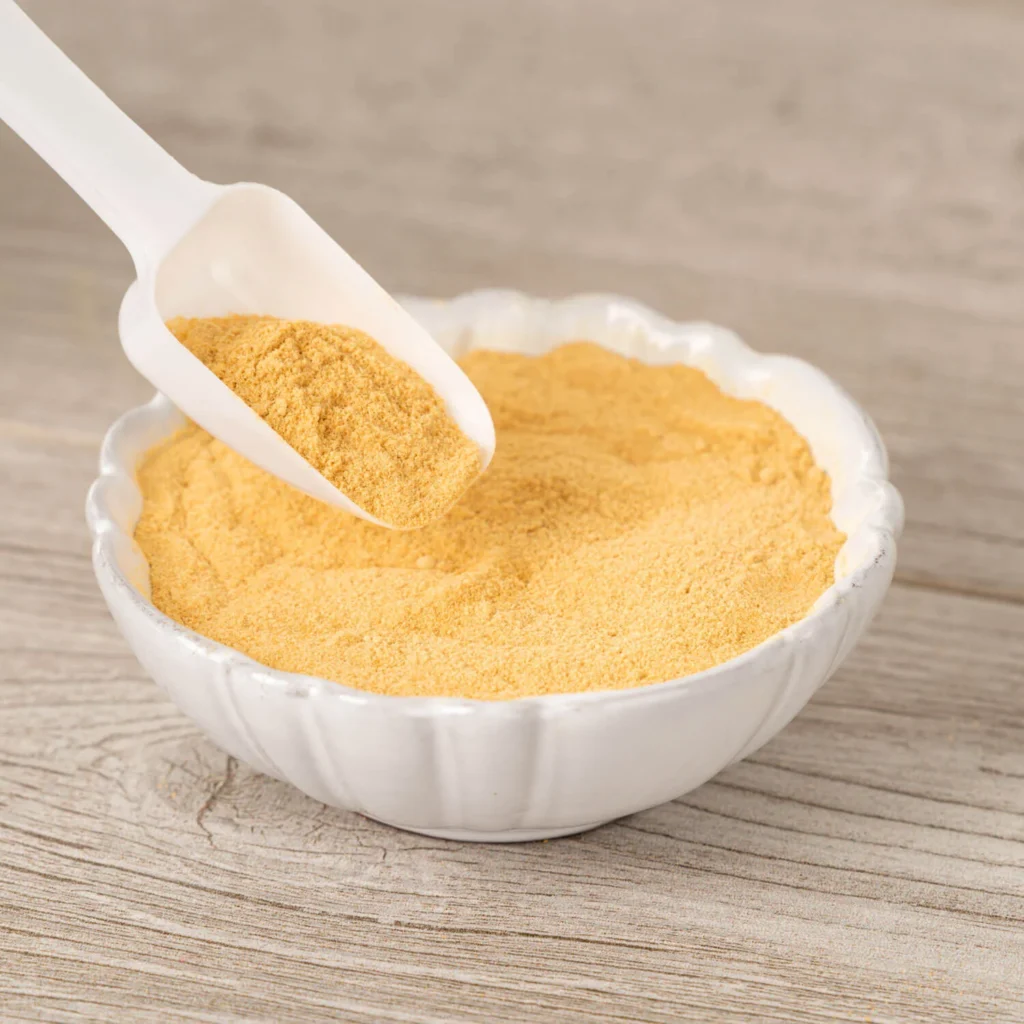
Why Manufacturers Prefer Sunflower Lecithin Over Other Types
The increasing demand for sunflower lecithin is driven by multiple factors.
Allergen-Free Positioning
Unlike soy lecithin, sunflower lecithin avoids common allergen labeling concerns, which is critical for export markets and clean-label branding.
Non-GMO Advantage
Many sunflower lecithin products are naturally non-GMO, aligning with regulatory requirements and consumer preferences in certain regions.
Clean Flavor Profile
Sunflower lecithin often provides a more neutral taste compared to soy derivatives, particularly important in delicate formulations such as chocolate or nutritional supplements.
Functional Performance
High phosphatidylcholine content in some sunflower lecithin grades offers enhanced emulsification properties.
For manufacturers targeting premium markets, these advantages can justify higher ingredient costs by enabling stronger product differentiation.
Types of Sunflower Lecithin Available for Industrial Use
Choosing a sunflower lecithin supplier in Lebanon requires understanding the various product forms available.
Liquid Sunflower Lecithin
Commonly used in chocolate, margarine, and fat-based formulations where fluid incorporation is required.
Powdered Sunflower Lecithin
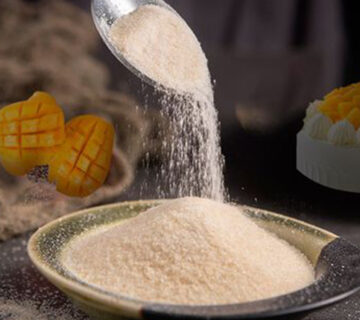
Suitable for dry mixes, bakery premixes, instant beverages, and nutraceutical powders.
De-oiled Sunflower Lecithin
Higher phospholipid concentration with reduced oil content, often used in supplements and pharmaceutical formulations.
Fractionated Sunflower Lecithin
Modified to concentrate specific phospholipids such as phosphatidylcholine for specialized functional applications.
Each type serves different manufacturing requirements, making supplier diversity essential for procurement flexibility.
Key Technical Parameters When Selecting a Supplier
Not all sunflower lecithin products perform equally. Procurement teams should evaluate several technical characteristics before selecting a sunflower lecithin supplier in Lebanon.
Phospholipid Content
Higher phospholipid levels typically provide stronger emulsification performance and improved stability.
Viscosity
Critical for chocolate and coating applications where flow behavior directly affects production efficiency.
Moisture Content
Excess moisture can reduce shelf life and increase microbial risk.
Insoluble Matter
Low insoluble content ensures better dispersion and product clarity.
Peroxide Value
Indicates oxidation level, which affects flavor stability and shelf life.
Microbiological Quality
Essential for compliance with food safety standards and export regulations.
In our collaboration with various factories, we have seen that focusing on technical compatibility rather than only price significantly improves manufacturing outcomes.
Common Mistakes When Sourcing Sunflower Lecithin
Industrial procurement mistakes often result in hidden costs that exceed initial savings.
Choosing Based Solely on Price
Lower-cost lecithin may have reduced functional performance, requiring higher usage rates.
Ignoring Application Compatibility
A lecithin suitable for bakery may not perform optimally in chocolate or nutraceutical systems.
Overlooking Supply Chain Stability
Supply interruptions can halt production lines, particularly in continuous manufacturing operations.
Skipping Industrial Trials
Laboratory results do not always translate directly to full-scale production environments.
Neglecting Storage Conditions
Improper storage can lead to oxidation, viscosity changes, or reduced functionality.
Benefits of Working with a Multi-Brand Supplier
Suppliers offering multiple sunflower lecithin brands and origins provide strategic advantages.
These advantages include:
• Flexibility during global supply fluctuations
• Ability to match lecithin functionality with application needs
• Competitive pricing through diversified sourcing
• Reduced dependency on a single manufacturer
• Access to specialty lecithin grades
Companies like MT Royal often provide this diversity, allowing procurement managers to optimize sourcing strategies while maintaining product consistency.
Industrial Applications of Sunflower Lecithin
Sunflower lecithin serves a wide range of manufacturing sectors.
Chocolate and Confectionery
Reduces viscosity, improves mold release, and allows reduction of cocoa butter content without compromising flow properties.
Bakery Production
Enhances dough machinability, improves crumb softness, and extends shelf life through moisture retention.
Margarine and Spreads
Stabilizes water-in-oil emulsions and prevents phase separation.
Instant Beverage Powders
Improves wettability and dispersibility, reducing mixing time.
Nutraceutical and Pharmaceutical Products
Provides phospholipid functionality for supplement formulations and delivery systems.
Animal Feed
Improves pellet durability, nutrient absorption, and energy utilization.
Even small inclusion rates—often between 0.2% and 1%—can significantly impact product performance.
Specialized Industrial Tips for Large-Scale Production
Factories can optimize sunflower lecithin performance through targeted processing strategies.
Pre-Heating Liquid Lecithin
Heating to 40–50°C reduces viscosity and improves incorporation into formulations.
Controlled Addition During Mixing
Gradual addition prevents localized concentration and ensures uniform distribution.
Monitoring Shear Forces
Excessive shear can destabilize sensitive emulsions in certain formulations.
Storage Protection
Lecithin should be stored in sealed containers away from heat and light to prevent oxidation.
We have observed that manufacturers implementing standardized addition procedures often achieve better product consistency and reduced waste.
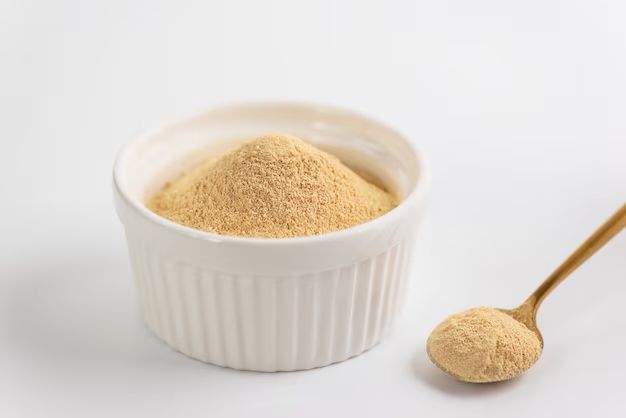
Market Trends Influencing Sunflower Lecithin Demand in Lebanon
Several macro trends are shaping the sunflower lecithin market.
Clean Label Movement
Consumers increasingly demand recognizable, natural ingredients, boosting sunflower lecithin adoption.
Growth of Nutritional Supplements
Phospholipids are used in capsules, powders, and functional foods, increasing industrial demand.
Expansion of Regional Food Manufacturing
Middle Eastern markets continue to grow, driving ingredient consumption.
Supply Chain Volatility
Agricultural production cycles and geopolitical factors influence pricing and availability.
Procurement managers who understand these trends can better anticipate risks and negotiate supply contracts effectively.
Comparing Sunflower Lecithin with Soy Lecithin
Both lecithin types serve similar roles but differ in several aspects.
Sunflower Lecithin Advantages:
• Allergen-free positioning
• Non-GMO status
• Clean flavor profile
• Premium market appeal
Soy Lecithin Advantages:
• Lower cost
• Wide availability
• Established industrial usage
Selection depends on product positioning, regulatory requirements, and cost objectives.
Logistics and Storage Considerations in Lebanon
Climate conditions require careful storage management.
Best practices include:
• Temperature-controlled warehouses
• Moisture protection
• FIFO inventory rotation
• Regular quality monitoring
Ignoring storage conditions can degrade product functionality before it reaches production lines.
How to Evaluate a Reliable Sunflower Lecithin Supplier in Lebanon
Manufacturers should use structured evaluation criteria.
Key considerations include:
• Quality certifications and compliance
• Consistent technical specifications
• Logistics capability and delivery reliability
• Technical support availability
• Brand portfolio diversity
• Competitive pricing
Suppliers offering both commodity and specialty lecithin options provide greater long-term value.
Frequently Asked Questions from Factory Managers
What dosage level is typical for sunflower lecithin?
Most applications use between 0.2% and 1%, depending on formulation requirements.
What is the shelf life?
Typically 12–24 months when stored properly in cool, dry conditions.
Can sunflower lecithin replace soy lecithin directly?
Often yes, but formulation adjustments may be required to achieve optimal performance.
Does sunflower lecithin improve processing efficiency?
Yes. It reduces viscosity, improves flow properties, and enhances ingredient dispersion.
What certifications should suppliers provide?
ISO, HACCP, FSSC 22000, Halal certification, and batch certificates of analysis are commonly required.
Procurement Strategy: Turning Lecithin into a Competitive Advantage
Experienced procurement teams treat emulsifiers as strategic ingredients rather than commodities.
Effective strategies include:
• Establishing long-term supplier partnerships
• Diversifying supply sources
• Monitoring commodity markets
• Conducting supplier audits
• Maintaining safety stock levels
When procurement aligns with production planning, factories gain resilience against supply disruptions and price volatility.
The Importance of Technical Collaboration with Suppliers
Suppliers providing technical expertise create significant value for manufacturers.
Technical collaboration can help:
• Optimize formulations
• Reduce ingredient costs
• Solve processing challenges
• Accelerate product development
We believe that supplier relationships based on knowledge exchange produce far better outcomes than transactional purchasing models.
Future Outlook for Sunflower Lecithin Demand in Lebanon
The future demand for sunflower lecithin is expected to grow due to:
• Increasing clean-label product development
• Expansion of food processing industries
• Rising health supplement consumption
• Regional export opportunities
Manufacturers securing reliable sourcing partnerships today position themselves for stronger competitiveness in the future.
Final Thoughts for Industrial Buyers
Choosing the right sunflower lecithin supplier in Lebanon is about far more than purchasing an emulsifier. It is about protecting production stability, ensuring product consistency, and maintaining profitability in increasingly competitive markets. Sunflower lecithin works quietly behind the scenes, yet its impact on efficiency and quality is profound—much like lubrication in complex machinery.
Factories that invest in strategic supplier partnerships, technical validation, and diversified sourcing consistently outperform those relying on short-term purchasing decisions. In modern manufacturing, reliability is not accidental; it is engineered through smart sourcing decisions.
LATAMARKO LM60 – Premium Spanish-Origin Cocoa Powder
latamarko alkalized cocoa powder lm60
cocoa powder for chocolate production-Best price
Food industry raw materials – list of products
Types of Gelatin from Turkish Manufacturer
Alkalized Cocoa Powder Price: Complete Buyer Guide for 2026


No comment