

In the competitive landscape of industrial production, securing reliable raw materials is not just a logistical necessity — it’s a strategic advantage. For factories and manufacturers in Lebanon, identifying a trusted soy lecithin supplier in Lebanon can have a direct impact on product quality, regulatory compliance, and cost efficiency. Whether you’re producing chocolates, dairy emulsions, pharmaceuticals, or animal feed, soy lecithin plays a vital role as an emulsifier, lubricant, and stabilizer. Your choice of supplier affects not only the consistency of your supply chain, but also the technical performance of your end products.
At MT Royal, we understand the nuanced demands of large‑scale production and the pressures facing procurement managers. Having worked with a diverse range of manufacturers, we have seen first‑hand how informed sourcing decisions — particularly for specialty ingredients like soy lecithin — can differentiate between seamless production runs and costly disruptions. This article aims to serve as a comprehensive guide on sourcing soy lecithin in Lebanon, with expert insights tailored to industrial needs.
Understanding Soy Lecithin: Fundamentals for Manufacturers
What Is Soy Lecithin?
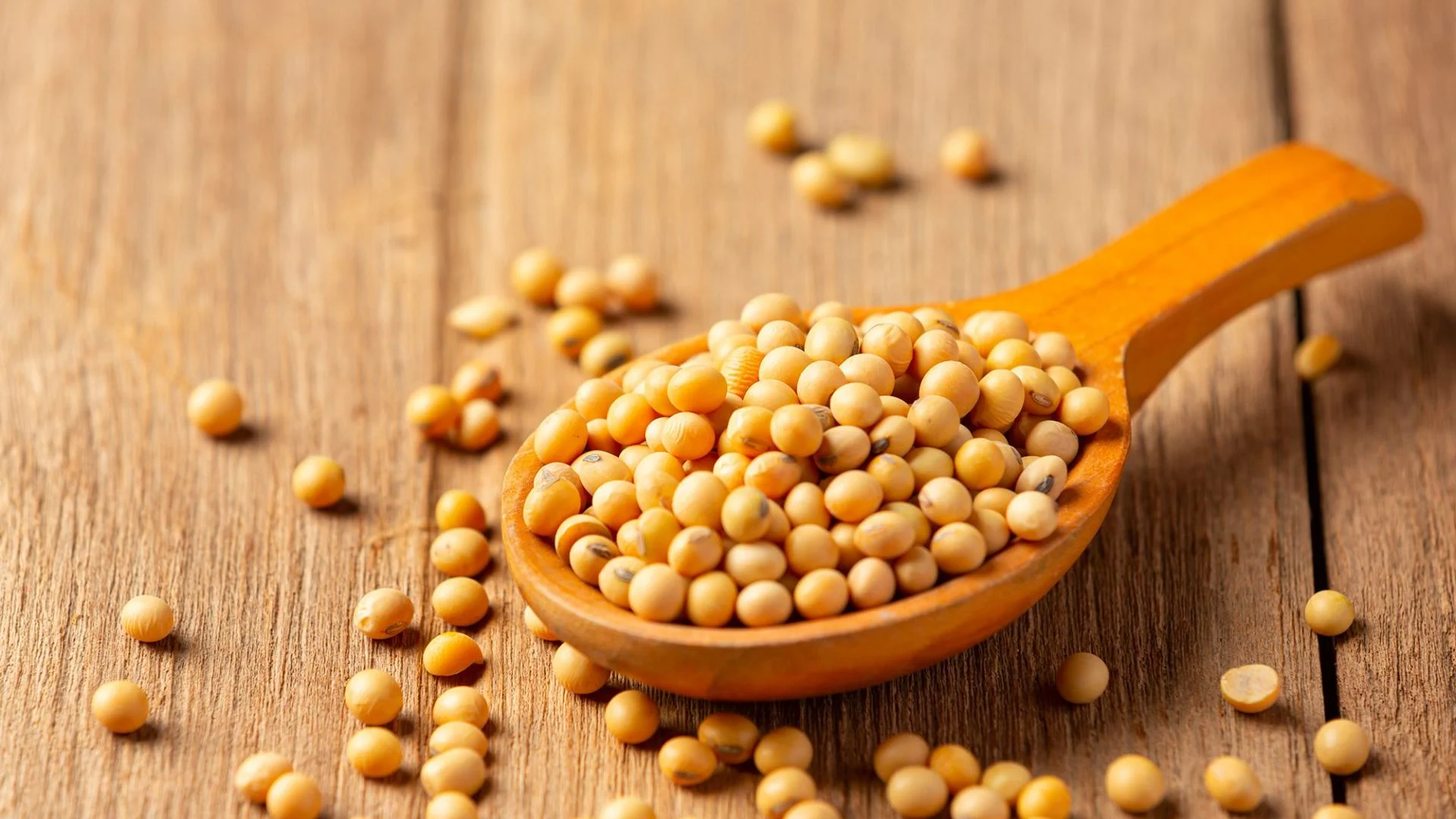
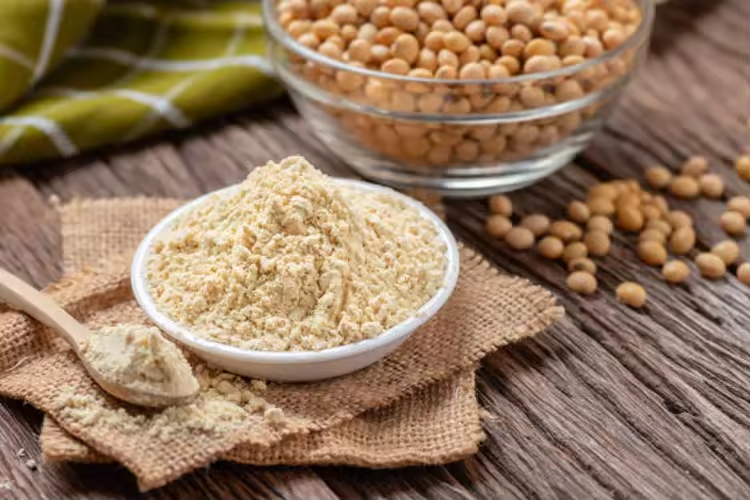
Soy lecithin is a natural phospholipid complex extracted from soybean oil. It is composed of phosphatidylcholine, phosphatidylethanolamine, phosphatidylinositol, and other phospholipids, each contributing to its functional performance. Its unique molecular structure makes it an effective emulsifier, enabling the blending of immiscible substances such as water and oil.
In industrial settings, soy lecithin is prized for its versatility. It is used to:
- Improve texture and mouthfeel in food products
- Enhance dispersion of fats in chocolate conching
- Stabilize emulsions in cosmetics and personal care
- Act as a release agent in bakery processes
- Serve as a wetting agent in pharmaceuticals
Understanding these fundamental properties helps procurement teams articulate quality specifications when engaging with a soy lecithin supplier in Lebanon.
Industrial Grade vs Food Grade: Key Differences
Not all lecithin is created equal. Depending on your application, you may require different grades:
- Food Grade: Suitable for edible applications; complies with food safety regulations (e.g., Codex Alimentarius, EFSA, FDA).
- Pharmaceutical Grade: Subject to stricter purity standards and traceability.
- Industrial Grade: May be used for non‑food applications such as plastics, paints, and coatings.
Most Lebanese manufacturers rely predominantly on food and industrial grades, with specifications driven by the end use of their products.
Why Lebanon Is a Strategic Hub for Soy Lecithin Supply
Lebanon’s long history in food processing and regional trade has positioned it as an important link in the Middle East’s supply chain for specialty ingredients. A soy lecithin supplier in Lebanon typically benefits from:
- Proximity to European and Mediterranean ports, reducing transit times
- Favorable trade agreements that facilitate import of bulk commodities
- Growing local demand from confectionery, dairy, and personal care manufacturers
Manufacturers should leverage these regional advantages, particularly as global freight volatility continues to affect lead times.
How to Evaluate a Soy Lecithin Supplier in Lebanon
When selecting a supplier, technical performance needs to be balanced with reliability, compliance, and cost transparency. Below are key criteria your procurement team should consider:
1. Regulatory Compliance and Certifications
A reputable supplier will provide documentation that demonstrates compliance with international food safety standards, such as:
- HACCP (Hazard Analysis and Critical Control Points)
- ISO 22000 (Food Safety Management)
- Certificates of Analysis (CoA) for each lot
For export‑oriented manufacturers, adherence to global standards reduces the risk of customs hold‑ups and product rejections.
2. Consistency of Quality
Industrial processes are optimized around stable input properties. Variations in lecithin viscosity, moisture content, or phospholipid profile can lead to process instability. A strong supplier will:
- Provide historical batch data
- Allow product trials before large‑volume commitments
- Work with your technical teams to refine specifications
3. Supply Chain Transparency
Increasingly, brands are held accountable for ingredient traceability. Your supplier should be able to disclose origin, processing methods, and handling practices.
4. Flexibility in Packaging and Delivery
Whether you need bulk tanker deliveries or smaller bagged sizes, logistical flexibility can reduce handling costs and minimize storage burden.
We’ve found that open communication with suppliers around packaging preferences, especially for temperature‑sensitive ingredients like lecithin, significantly enhances on‑site handling efficiency.
Common Mistakes When Sourcing Soy Lecithin
Even experienced procurement teams sometimes encounter predictable pitfalls. Awareness of these helps you avoid costly missteps.
Mistake #1: Focusing Only on Price
The lowest bid is rarely the best in industrial environments. Hidden costs — such as inconsistent quality, delivery delays, and increased waste — can erode margins faster than ingredient price itself.
Mistake #2: Ignoring Technical Specifications
Failing to communicate detailed specifications upfront leads to unnecessary variation in product quality. Manufacturers should define:
- Moisture content
- Acetone‑insoluble matter
- Phospholipid distribution
- Color and odor thresholds
Clear specifications mitigate ambiguity and align expectations.
Mistake #3: Overlooking Certificates
When sourcing through intermediaries without carefully reviewing Certificates of Analysis, manufacturers may receive products that do not meet regulatory or internal quality criteria.
Selecting the Right Type of Soy Lecithin for Your Application
Different applications demand tailored soy lecithin formulations. Below is a practical breakdown to help you specify correctly.
For Chocolate and Confectionery
High‑quality lecithin reduces viscosity and improves mold release. In chocolate applications, optimal lecithin levels can reduce cocoa butter usage without compromising texture.
Key considerations:
- Low free fatty acid content
- Consistent emulsification performance
- Neutral flavor profile
For Bakery and Dough Systems
Lecithin improves dough extensibility and crumb structure, contributing to uniform loaf volume and reduced staling.
Key considerations:
- Water absorption characteristics
- Compatibility with enzymatic systems
- Solubility profile
For Nutraceuticals and Supplements
Here, purity and digestibility take precedence. Lecithin often functions as a carrier for active compounds and must meet stringent safety standards.
Practical Bullet‑Point Checklist for Procurement Teams
When contacting a soy lecithin supplier in Lebanon, use this checklist to streamline supplier evaluation:
- Request recent Certificates of Analysis
- Confirm regulatory compliance levels (food vs pharmaceutical)
- Review past delivery performance data
- Clarify packaging options and minimum order quantities
- Establish contingency plans for supply disruptions
- Negotiate transparent pricing structures
- Agree on lead times and warehousing expectations
This actionable checklist helps procurement teams avoid ambiguity and protects production continuity.
Industrial Tips for Large‑Scale Production
Large‑scale manufacturing presents unique challenges that smaller operations may overlook. Here are industrial insights to elevate your sourcing strategy:
Optimize Inventory Through Lean Forecasting
Apply consumption forecasting models to balance inventory holding costs against production demands. A supplier who offers flexible delivery schedules can support lean inventory strategies while minimizing the risk of stockouts.
Collaborate on Product Trials
Technical trials with your supplier at pilot scale can prevent costly surprises during full‑scale operations. If soy lecithin is being introduced into a new product line, engage your supplier early and iterate on formulations collaboratively.
Build Redundancy into Your Supply Chain
Even the most reliable supplier can encounter disruptions. It’s wise to maintain secondary sourcing agreements to protect continuity, especially for high‑usage ingredients like lecithin.
In our collaboration with various factories, we have seen even top suppliers face unexpected shipping delays; having alternative plans reduced downtime and safeguarded production schedules.
Emerging Trends and Insights in Lecithin Sourcing
As global markets evolve, certain trends are reshaping how manufacturers source emulsifiers:
Increased Demand for Non‑GMO and Organic Lecithin
Consumer demand for clean‑label products is pushing manufacturers to seek certified non‑GMO and organic lecithin. While this segment commands a premium, it adds market value for finished goods targeting discerning consumers.
Digital Traceability and Blockchain
Some suppliers now offer digital traceability solutions that record ingredient history from origin to delivery. This is particularly valuable for multinational brands subject to stringent audits.
Sustainability Initiatives
Environmental accountability is becoming a procurement criterion. Suppliers that demonstrate sustainable farming practices and reduced carbon emissions resonate better with ESG‑focused organizations.
These emerging trends should inform your long‑term sourcing strategy and help future‑proof your supply chain.
Frequently Asked Questions from Procurement Teams
What is the typical lead time for soy lecithin deliveries in Lebanon?
Lead times vary based on shipping routes and supplier inventory. However, established suppliers often maintain stocks in regional warehouses to offer shorter delivery windows, reducing dependence on international transit schedules.
How should I store soy lecithin?
Soy lecithin must be stored in a cool, dry place, typically below 25°C with controlled humidity. Proper storage extends shelf life and preserves functional properties.
Can lecithin quality affect product shelf life?
Absolutely. Variations in phospholipid composition and residual solvents can influence oxidation rates, which in turn affect product stability. Working with a supplier that provides consistent quality mitigates this risk.
Is soy lecithin always the best choice, or are there alternatives?
While soy lecithin is the most common due to its versatility and cost‑effectiveness, alternatives (such as sunflower lecithin) exist for specific applications — particularly where allergen labeling is a concern.
The Importance of Reliable Partnership Over Transactional Supply
Manufacturers today must look beyond transactional supplier relationships. A high‑performance soy lecithin supplier in Lebanon acts as a partner — offering technical support, regulatory guidance, and strategic insights that enhance your production outcomes.
As part of our engagement with clients across various industries, we’ve observed that suppliers who understand your product requirements and operational rhythms enable more than just regular deliveries; they contribute to product innovation. When technical teams and suppliers collaborate on formulation refinement or process optimization, both quality and efficiency improve.
We emphasize proactive communication, detailed technical discussions, and clear expectations — not just price negotiations. This consultative approach ensures that lecithin supply aligns with your production objectives rather than impeding them.
Final Reflections
Choosing the right soy lecithin supplier in Lebanon is a decision that reverberates across production quality, regulatory compliance, cost management, and market competitiveness. Your procurement strategy must consider technical performance, supplier reliability, supply chain transparency, and emerging industry dynamics.
High‑quality soy lecithin does more than meet functional requirements; it supports your operational excellence. By prioritizing informed sourcing, detailed specification alignment, and collaborative supplier relationships, you gain resilience in an increasingly complex industrial environment.
At MT Royal, we strive to provide this level of strategic partnership — drawing on experience and a deep understanding of industrial sourcing — to support your growth and manufacturing success.
LATAMARKO LM60 – Premium Spanish-Origin Cocoa Powder
latamarko alkalized cocoa powder lm60
cocoa powder for chocolate production-Best price
Food industry raw materials – list of products
Types of Gelatin from Turkish Manufacturer
Alkalized Cocoa Powder Price: Complete Buyer Guide for 2026



No comment