

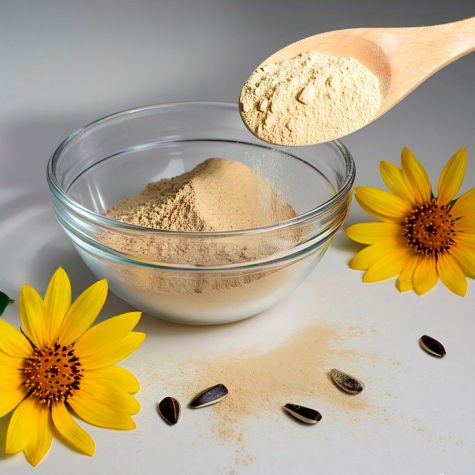
When your factory’s production reliability, product quality, and overall cost-efficiency hinge on the performance of functional raw materials, the choice of a Sunflower lecithin supplier in Algeria becomes a strategic decision rather than a routine procurement task. Whether you operate in food processing, animal nutrition, pharmaceuticals, or cosmetics, the emulsifier you source affects not only product texture and stability but also process efficiency, yield consistency, and long-term profitability. For industrial buyers seeking dependable supply, technical expertise, and competitive pricing, partners like MT Royal provide access to multiple brands and tailored solutions shipped reliably into Algeria’s expanding manufacturing ecosystem.
Factories often underestimate how much a seemingly small ingredient like sunflower lecithin impacts plant operations. In our collaborations with various manufacturers, we have seen situations where choosing the wrong supplier led to inconsistent batches, production delays, and unexpected cost variations. This deeply technical and decision-critical article explores everything your procurement team needs to know about sourcing sunflower lecithin—from fundamental chemistry and functional applications to common sourcing pitfalls and advanced industrial guidance.
What Is Sunflower Lecithin and Why It Matters in Industrial Production
At its core, sunflower lecithin is a phospholipid-rich fraction extracted from sunflower seeds. Structurally, lecithin molecules contain both hydrophilic (water-attracting) and lipophilic (fat-attracting) domains, which make them highly effective surface-active agents—essentially industrial emulsifiers. Unlike soy-based alternatives, sunflower lecithin is naturally non-allergenic and more acceptable in certain regulatory environments, making it a preferred choice for products destined for international markets with strict allergen labeling requirements.
Functional properties that make sunflower lecithin industrially valuable include:
- Emulsification: Promoting stable mixtures of oil and water, which is central to products such as margarines, sauces, and spreads.
- Viscosity modification: Improving flow characteristics in chocolate, confectionery, and dough systems.
- Dispersibility: Enhancing the wetting of powders in instant beverages and nutritional products.
- Release and lubrication: Reducing sticking on processing equipment in bakery and extrusion applications.
From a technical standpoint, the relative proportions of phosphatidylcholine, phosphatidylethanolamine, and phosphatidylinositol in sunflower lecithin determine how it behaves under heat, shear, and in combination with other ingredients—variables that industrial formulators monitor closely.
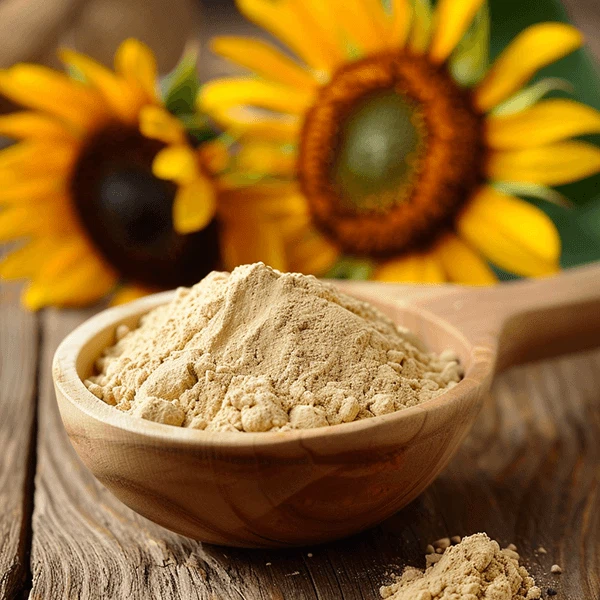
Why Algeria’s Manufacturing Landscape Is Increasing Demand
Algeria’s industrial base has undergone significant growth in recent years, especially in food processing, feed production, pharmaceuticals, and personal care. As domestic manufacturers aim for higher value-added products and export readiness, demand for reliable functional ingredients like sunflower lecithin has risen accordingly.
Several macro trends are driving this demand:
- Consumer shift toward convenience and processed foods: Increased urbanization and changing lifestyles have boosted the need for stable emulsifiers that ensure product consistency.
- Export-oriented food initiatives: Manufacturers targeting European and African markets must adhere to stringent allergen labeling laws; sunflower lecithin’s non-soy profile offers advantages here.
- Growth in animal nutrition: Feed producers recognize that lecithin can enhance nutrient digestibility and pellet stability, supporting livestock health and performance.
- Cosmetics and pharmaceutical development: Rising demand for natural skin-conditioning agents and phospholipid-based formulations has expanded industrial use cases.
The result is a procurement environment where reliability, certification traceability, and technical support matter as much as price per kilogram—a fact that savvy purchasing managers cannot afford to ignore.
Sunflower Lecithin vs. Other Lecithin Sources
An industrial buyer evaluating options will often compare sunflower lecithin with alternatives such as soy lecithin or rapeseed lecithin. Here’s why sunflower lecithin frequently emerges as a top choice:
- Non-allergenic and allergen labeling simplicity: Unlike soy, sunflower lecithin typically avoids allergen declarations in many regulatory regimes, simplifying product labeling and broadening market access.
- Non-GMO perception: While both soy and sunflower lecithin can be non-GMO, the crop biology and supply chain dynamics of sunflower make GMO concerns less prevalent, appealing to premium and clean-label brands.
- Functional versatility: Sunflower lecithin performs comparably in emulsification and dispersion, and in certain heat-sensitive applications it offers better stability without off-flavor development.
However, there are contexts—such as specific techno-functional bakery applications—where alternative lecithin sources may provide cost advantages. The key lies in technical matching rather than blanket assumptions. In our experience, manufacturers who engage in early-stage trials and specification comparisons avoid costly reformulation downstream.
How Industrial Manufacturers Use Sunflower Lecithin
Food and Beverage Processing
Within food manufacturing, sunflower lecithin is a workhorse ingredient across multiple categories:
- Chocolate and confectionery: Lecithin reduces viscosity and improves flow during tempering, ultimately enhancing mold release and texture uniformity.
- Bakery products: It balances dough rheology by improving gas retention and easing sheeting processes.
- Emulsified sauces and dressings: Stable oil-water interfaces ensure consistency from batch to batch.
- Instant and powdered beverages: Lecithin improves wettability and prevents clumping, crucial for consumer acceptance.
These functions not only improve product quality but also enhance throughput and reduce waste in high-volume lines.
Animal Feed
Sunflower lecithin enhances the digestibility of fats in feed formulations, supporting nutrient uptake and potentially improving feed conversion ratios. Pellet binders that incorporate lecithin often show improved mechanical durability, reducing fines and improving transport resilience.
Pharmaceuticals
In pharmaceutical production, sunflower lecithin’s phospholipids are applied in drug delivery systems such as liposomes and soft gel capsules, where controlled dispersion and biocompatibility are critical. Here, consistency, certification, and traceability of the raw material must meet the strictest standards.
Personal Care and Cosmetics
Lecithin functions as an emulsifier and skin-conditioning agent in lotions, creams, and serums. The trend toward botanical and non-soy ingredient claims has elevated demand for sunflower-derived phospholipids in premium skincare lines.
Key Semantics That Matter to Industrial Buyers
When sourcing sunflower lecithin, several industry-specific keywords and parameters come up repeatedly in technical documentation and laboratory evaluations:
- Phospholipid content: Determines functional strength of the emulsifier.
- Acetone insoluble matter: Indicates purity and performance potential.
- Peroxide value: A measure of oxidation state that impacts shelf life.
- Moisture content: Affects storage stability and dosing behavior.
- Fatty acid profile: Influences functional behavior in specific applications.
- Non-GMO certification: Important for export-oriented food products.
Understanding these terms, and how they correlate with processing performance, is essential when comparing offers from different suppliers.
Common Mistakes in Industrial Sourcing of Sunflower Lecithin
Even seasoned buyers can fall into avoidable pitfalls when sourcing functional ingredients. Below are common errors that procurement and quality teams should watch for:
Focusing Solely on Price Per Kilogram
A low delivered price can mask hidden costs such as:
- Higher dosage requirements due to lower functional grade
- Increased variability between batches
- Processing inefficiencies such as inconsistent viscosity
Cost efficiency should always be evaluated on a functional cost basis, not simply price per weight.
Ignoring Technical Documentation
Relying on supplier claims without reviewing full specifications including:
• Phospholipid concentration
Provides insight into emulsification strength, critical for process design and cost modeling.
• Peroxide and moisture values
These impact shelf life and stability, which in turn affect inventory planning and product integrity.
Skipping this documentation equates to purchasing blind, which may lead to production setbacks.
Neglecting Regulatory and Certification Needs
Food manufacturers targeting export markets may require:
- Halal certification
- Kosher certification
- Non-GMO verification
- ISO quality systems
Failing to secure compliant documentation early can delay product launches or restrict market access.
Underestimating Supply Chain Risk
Delays in delivery, customs clearance issues, and fluctuating lead times can disrupt even the most robust production schedules. Having reliable logistics support, transparent lead time forecasting, and contingency stock plans is as important as the raw material itself.
How to Evaluate and Compare Sunflower Lecithin Suppliers
Selecting a supplier is a multi-dimensional decision. Below are key criteria industrial buyers should consider:
Quality Assurance and Certification
Strong suppliers should be able to provide:
- Full technical specification sheets
- Certificates of analysis (COAs) for each batch
- Compliance documentation (HACCP, ISO, Halal, etc.)
- Traceability from origin to delivery
These documents are essential for quality control, regulatory compliance, and audit readiness.
Technical Support and Application Expertise
Merely selling commodity lecithin is no longer sufficient. Leading suppliers offer:
- Formulation guidance during product development
- Batch performance data and mixing recommendations
- Troubleshooting assistance when quality issues arise
In factories that manufacture multiple SKUs, this level of support can reduce waste and accelerate product optimization.
Supply Reliability
A proactive supplier excels in:
- Forecasting lead times with accuracy
- Managing customs and logistics complexities
- Offering buffer stocks or flexible delivery terms
This reduces production risk and enhances planning certainty.
Competitive and Transparent Pricing
Price structures should accommodate:
- Tiered pricing for volume commitments
- Clear understanding of packaging influence on logistics cost
- Transparent breakdown of raw material vs. logistics vs. handling charges
In markets with fluctuating freight rates and currency movement, clarity in pricing is essential for budgeting.

Practical Considerations for Large-Scale Operations
Large industrial manufacturers face unique challenges when integrating sunflower lecithin into their production processes. Here are advanced tips for high-volume users:
Conduct Pilot Testing Prior to Full Implementation
Pilot runs help factories:
- Verify functional performance under real processing conditions
- Adjust mixing and dosing systems
- Forecast cost-per-unit changes based on actual usage
Skipping pilot validation often results in costly adjustments mid-production.
Monitor Raw Material Variability
Even within a single supplier’s product line, batch-to-batch variation in properties such as viscosity and phospholipid content can occur. Regular quality checks and close coordination with suppliers help mitigate unexpected processing shifts.
Optimize Storage and Handling
Sunflower lecithin is sensitive to heat, moisture, and oxidation. Best practices include:
- Temperature-controlled storage
- First-in-first-out inventory rotation
- Proper sealing to prevent moisture ingress
Improper handling can compromise functional properties before the material even reaches the production line.
Emerging Trends in Sunflower Lecithin Sourcing
As industrial priorities evolve, several trends are shaping how manufacturers source and utilize sunflower lecithin:
Increased Demand for Clean-Label Ingredients
Consumers are driving demand for non-GMO, allergen-free formulations, which has reinforced the industrial shift toward sunflower-based phospholipids.
Sustainability and Traceability
Manufacturers are under pressure to demonstrate responsible sourcing from seed origin to delivery, requiring suppliers to provide detailed supply chain transparency.
Functional Customization
Rather than off-the-shelf products, demand is growing for tailor-made lecithin grades optimized for specific processing environments or formulation challenges.
Digital Integration
Suppliers investing in digital traceability, remote quality monitoring, and e-procurement platforms are facilitating smoother procurement processes for industrial buyers.
Frequently Asked Questions by Manufacturers and Procurement Teams
What certification documents should I request from a sunflower lecithin supplier?
You should request:
- Certificate of analysis for each batch
- Regulatory compliance certifications (e.g., Halal, Kosher where relevant)
- Non-GMO verification if applicable
- ISO-based quality system certifications
These documents are essential for internal quality assurance and external audits.
Is sunflower lecithin always preferable to soy lecithin?
Not always. While sunflower lecithin has benefits such as non-allergenicity and clean-label appeal, soy lecithin may be cost-effective in specific applications depending on functional requirements. The key is matching technical performance to application needs.
How does lecithin quality influence production efficiency?
Higher-quality lecithin:
- Reduces required usage levels
- Maintains batch-to-batch consistency
- Improves product stability
- Reduces downtime due to process variability
These effects translate into lower operational costs and higher throughput.
How should I evaluate pricing offers from suppliers?
Evaluate offers based on:
- Functional cost per production unit rather than price per kilogram
- Logistics and handling cost transparency
- Payment and delivery terms that align with production planning
A seemingly low price may not deliver real savings if functional performance requires higher dosages.
The Strategic Value of Partnering with a Trusted Supplier
For industrial-scale manufacturers, sunflower lecithin is far more than an ingredient; it is a critical enabler of process efficiency and product performance. Choosing the right Sunflower lecithin supplier in Algeria means securing more than raw material—it means accessing technical support, supply certainty, and strategic insights that reduce risk and enhance output quality.
When you work with experienced partners like MT Royal, you benefit from multi-brand access, comprehensive technical documentation, and logistics support that aligns with your operational rhythms. This approach transforms sourcing from a transactional purchase into a value-driving procurement strategy. By combining technical depth with practical industrial understanding, you can unlock measurable improvements in both supply chain resilience and bottom-line performance.
Sunflower lecithin is not just an additive. In the complex orchestra of modern industrial production, it is a conductor that helps your processes perform harmoniously, optimize yield, and deliver consistent quality—batch after batch, year after year.
LATAMARKO LM60 – Premium Spanish-Origin Cocoa Powder
latamarko alkalized cocoa powder lm60
cocoa powder for chocolate production-Best price
Food industry raw materials – list of products


No comment