

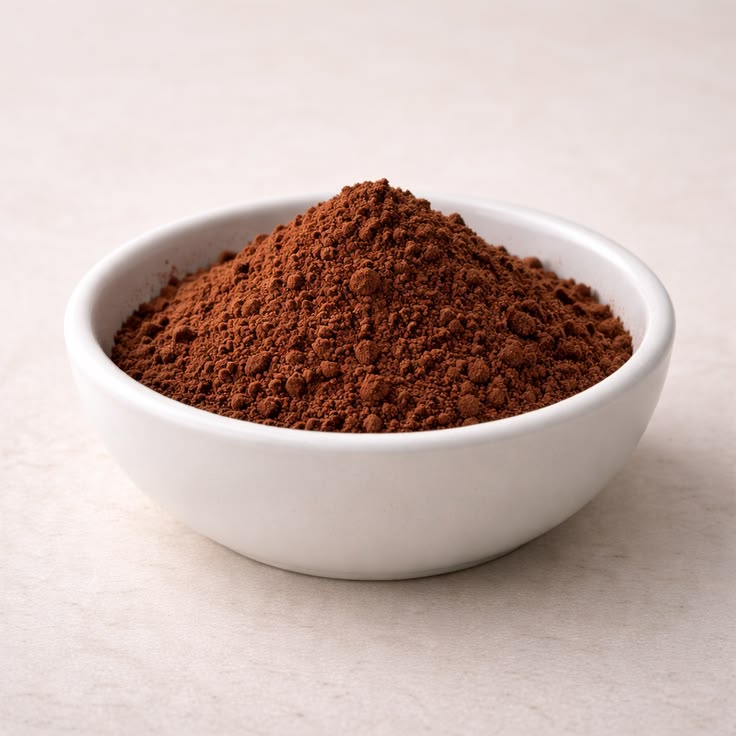
This question is far from trivial. Cocoa powder is not just an ingredient—it is a strategic raw material that directly influences flavor, color, process efficiency, and production costs. Whether you operate a chocolate bar line in Tripoli, manage a bakery premix facility in Misrata, or run a powdered beverage line in Benghazi, selecting the right supplier is critical for operational performance.
In this comprehensive guide, we’ll explore the Libyan cocoa powder market, highlight what industrial buyers need to consider when sourcing, and provide actionable steps to choose a supplier that ensures product quality, consistent supply, and competitive pricing. We’ll also draw on our experience at MT Royal, supplying industrial clients with high-quality cocoa powders and brands, including premium European options like Latamarko, to demonstrate how strategic sourcing can optimize production outcomes.
Understanding the Cocoa Powder Market in Libya
Libya does not produce cocoa beans domestically. Consequently, the cocoa powder market is entirely import-driven. This market structure has several implications for manufacturers:
- Dependence on international suppliers from countries such as Turkey, Germany, the Netherlands, Spain, and Ghana.
- Variable lead times due to shipping distances and port operations.
- Price fluctuations influenced by currency exchange, freight costs, and import taxes.
For industrial buyers, understanding these dynamics is crucial. The choice of supplier affects not only the quality of cocoa powder but also delivery reliability, cost management, and the stability of production schedules.
LATAMARKO LM60 – Premium Spanish-Origin Cocoa Powder
latamarko alkalized cocoa powder lm60
cocoa powder for chocolate production-Best price
Food industry raw materials – list of products
Types of Gelatin from Turkish Manufacturer
Food Raw Material Supplier in Germany for the Food Industry
Why Cocoa Powder Quality Matters in Industrial Production
Cocoa powder is not a commodity; it is a performance-critical material. Industrial manufacturers must consider both sensory and functional properties:
Sensory and Functional Impact
- Flavor profile: Cocoa powder contributes to depth, richness, and overall chocolate character. Processing methods, such as natural versus alkalized (Dutch-processed), significantly influence flavor. Natural cocoa exhibits acidity and robust chocolate notes, while alkalized cocoa is milder with more uniform taste.
- Color consistency: In baked goods, beverages, and premixes, color consistency enhances product appeal and reduces the need for corrective additives.
- Flow and blending performance: Particle size and fat content affect powder behavior in hoppers, mixers, and pneumatic conveying systems. Poor flow can disrupt automated production lines and lead to inefficiencies.
The Role of Reliable Cocoa Powder Suppliers in Libya
A cocoa powder supplier is more than a source of raw materials—it is a strategic partner. A dependable supplier for industrial clients in Libya should provide:
1. Diverse Product Portfolio
Top suppliers offer a variety of cocoa powders to suit different applications, including:
- Natural cocoa powder
- Dutch-processed (alkalized) cocoa powder
- High-fat and low-fat variants
- Specialty and custom blends for industrial recipes
At MT Royal, we provide a comprehensive range of cocoa powders that accommodate the distinct requirements of confectionery, bakery premixes, and powdered beverage manufacturers.
2. International Sourcing Expertise
Since Libya depends on imports, working with a supplier experienced in international procurement is essential. This ensures smooth customs clearance, consistent supply, and reduced operational risk.
3. Quality Assurance
Industrial production demands consistency. Reliable suppliers provide:
- Certificates of Analysis (CoA)
- Traceability documentation
- Quality audits and technical guidance
4. Flexible Delivery Options
Industrial facilities often require varying quantities, from small trial batches to full container loads. Suppliers must adapt to these requirements while maintaining delivery timelines.
Common Procurement Challenges in Libya
Sourcing cocoa powder in Libya comes with unique challenges:
Logistics and Lead Times
Shipping from international ports, combined with local transport and customs procedures, can delay delivery. Factories must incorporate lead-time buffers to avoid production disruptions.
Documentation and Compliance
Incomplete customs documentation can hold shipments, leading to line stoppages. Experienced suppliers help navigate Libya’s import requirements efficiently.
Balancing Quality and Cost
Low-cost cocoa powder may save money upfront but can result in higher downstream costs, including:
- Additional fats or emulsifiers
- Flavor or color corrections
- Increased batch variability
A holistic cost analysis, including production performance and waste, often reveals that a higher-quality supplier can reduce total cost per unit.
Limited Local Distribution
Unlike larger markets, Libya lacks a broad network of local cocoa distributors. This makes choosing a supplier with reliable logistics and technical support essential for uninterrupted production.
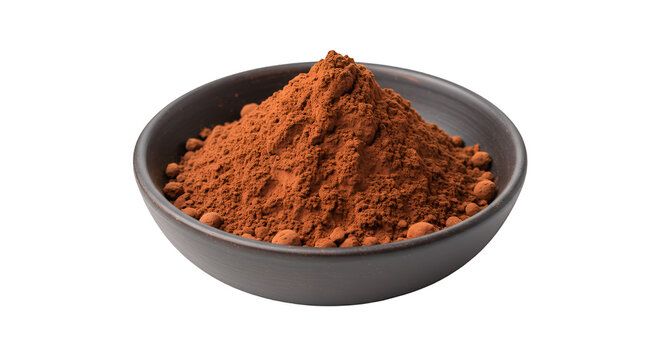
Step-by-Step Guide to Selecting a Cocoa Powder Supplier in Libya
Step 1: Define Technical Requirements
Specify recipe needs, fat content tolerance, processing type, desired color, and packaging requirements. This ensures suppliers can match products precisely to industrial processes.
Step 2: Identify Potential Suppliers
Leverage industry networks and import data to find active suppliers serving Libyan manufacturers. Prioritize those with proven delivery records and consistent product quality.
Step 3: Request Detailed Specifications
Obtain technical data from suppliers:
- Particle size distribution
- Fat content
- Moisture levels
- Origin and processing method
Step 4: Conduct Pilot Trials
Test small batches under production conditions to assess:
- Flowability in silos and mixers
- Blending homogeneity
- Color and flavor consistency
Step 5: Evaluate Supplier Performance
Assess suppliers based on:
- Delivery reliability
- Responsiveness to inquiries
- Post-sales support
- Ability to maintain consistent product quality
A strong supplier acts as a partner rather than a transactional vendor.
MT Royal: Partnering with Libyan Manufacturers
At MT Royal, we provide manufacturers with a wide selection of cocoa powders, offering competitive pricing without compromising quality. We understand industrial production requirements, including blending performance, color consistency, and flavor stability.
When premium performance is required, European suppliers—particularly those adhering to Spanish engineering standards like Latamarko—offer high reliability, durability, and precision, which translate into smoother production runs and superior end products.
Cocoa Powder Supplier in Libya – Industrial Overview
Industrial Note: In Libya, cocoa powder suppliers must ensure consistent quality, reliable logistics, and compliance with food safety and halal certifications. Partnering with experienced suppliers mitigates production downtime, protects ingredient integrity, and ensures smooth operations across bakery, confectionery, and beverage production lines. |
|---|
Industrial Considerations: Handling and Storage
Proper handling of cocoa powder in industrial settings is critical:
- Storage conditions: Cocoa powder is sensitive to humidity; controlled silos prevent clumping and maintain flow.
- Dust management: Fine powders generate dust; local extraction systems protect worker safety and product quality.
- Automation compatibility: Flow characteristics influence weighing and feeding accuracy in automated systems.
Real-World Manufacturing Scenarios in Libya
Tripoli Confectionery Line
A chocolate manufacturer faced batch inconsistencies due to variable cocoa powder quality. Aligning with a supplier providing detailed technical data and traceability reduced rejects and stabilized color.
Misrata Bakery Premix Facility
Moisture variation caused clogging in blending systems. Switching to a more stable powder grade and improving storage conditions minimized downtime.

Frequently Asked Questions (Industrial Focus)
Q: What cocoa powder grades are best for industrial applications in Libya?
A: It depends on your production goals. High-fat powders are ideal for rich, smooth flavor; low-fat powders are suitable for cost-sensitive or color-focused applications.
Q: How can I minimize risk when sourcing cocoa powder?
A: Choose a supplier with international sourcing expertise, reliable delivery, quality assurance, and technical support for trial runs.
Q: Are European cocoa powders worth the premium?
A: Brands with Spanish engineering like Latamarko offer precision, stability, and longevity, often reducing production variability and downstream costs.
Q: How should storage be handled in Libyan facilities?
A: Keep powders in humidity-controlled silos, use dust extraction, and maintain consistent temperature to preserve quality.
Strategic Considerations for Industrial Buyers
Cocoa powder sourcing in Libya is more than a procurement task—it is a strategic decision affecting product quality, production efficiency, and supply chain reliability. A supplier should:
- Provide consistent, traceable quality
- Offer flexible delivery and batch sizes
- Support technical questions about industrial production
- Assist with logistics and customs challenges
Choosing the right supplier, like MT Royal, positions your manufacturing operations for stable, efficient, and high-quality production.
Final Reflection: Cocoa Powder Procurement in Libya
In Libya’s import-driven cocoa powder market, procurement is much more than a transactional activity—it is a strategic balancing act between quality, cost, and reliability. Industrial manufacturers face unique challenges: fluctuating shipping schedules, variable customs clearance times, and the need to maintain consistent production output despite these uncertainties.
Partnering with experienced cocoa powder suppliers who understand these dynamics can transform challenges into competitive advantages. Suppliers offering technical guidance on ingredient selection, product handling, and integration enable manufacturers to optimize recipes, enhance flavor and color consistency, and reduce waste or batch rework.
Flexible logistics, including tailored delivery schedules and bulk handling support, help factories maintain uninterrupted production and lower inventory costs. High-quality materials—including premium European options like Latamarko, which exemplify precise engineering and long-term consistency—ensure every batch meets both sensory and industrial specifications, from mouthfeel to solubility and flow performance.
Ultimately, by choosing the right partner, industrial manufacturers in Libya can not only minimize downtime and operational risk but also strengthen supply chain resilience, streamline production efficiency, and consistently deliver superior, high-quality end products—reinforcing brand reputation and market competitiveness in a demanding industrial landscape.


No comment