

Strategic Industrial Sourcing
A Guide for Food Manufacturing Excellence in Libya
In industrial food production, raw material quality is never an afterthought. For factories across Libya, sourcing natural cocoa powder is a strategic decision affecting every stage—from flavor consistency to machine efficiency and shelf-life stability.
“We’ve seen firsthand how the right supplier can transform production efficiency and reduce downtime.”
Whether you are producing baked goods or confectionery, this guide provides actionable insights for plant managers and procurement officers to navigate the complex landscape of high-quality cocoa sourcing.
Understanding Natural Cocoa Powder: Definition and Fundamentals
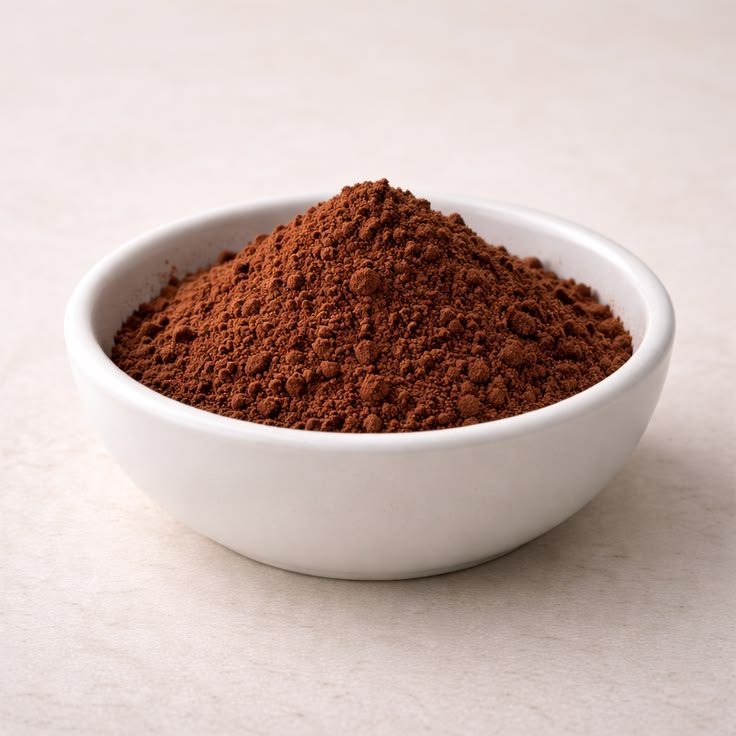
Natural cocoa powder is derived from roasted cocoa beans, with the fat (cocoa butter) partially removed. Unlike alkalized or “Dutched” cocoa, natural cocoa powder retains its acidic profile and bright brown color, which influences both flavor and chemistry in recipes.
LATAMARKO LM60 – Premium Spanish-Origin Cocoa Powder
latamarko alkalized cocoa powder lm60
cocoa powder for chocolate production-Best price
Food industry raw materials – list of products
Types of Gelatin from Turkish Manufacturer
Food Raw Material Supplier in Germany for the Food Industry
Key Industrial Considerations:
- Fat content: Typically between 10–12%, impacting mouthfeel and blending properties.
- Solubility: Affects hydration in beverage powders and dispersion in bakery mixes.
- Acidity (pH): Natural cocoa powder’s acidity contributes to leavening reactions in baked goods.
- Consistency: Batch-to-batch uniformity is critical for industrial-scale production, where even small variations can disrupt equipment performance or product appearance.
Industrial manufacturers often overlook the subtle differences between cocoa powders, but these variables directly influence production outcomes. Spanish engineering has long been respected in industrial circles, with brands like Latamarko exemplifying precision and long-term consistency in natural cocoa powders.
The Value of a Reliable Cocoa Powder Supplier
Selecting a natural cocoa powder supplier in Libya is about more than inventory—it’s a strategic decision that can impact production schedules, cost management, and product quality.
Benefits for Manufacturing Facilities:
- Consistent quality: Minimizes batch-to-batch variability and ensures predictable flavor, color, and texture.
- Technical guidance: Expert suppliers advise on optimal storage, handling, and integration with your production line.
- Supply chain reliability: Timely deliveries prevent downtime and avoid costly production halts.
- Competitive access to brands: MT Royal provides a spectrum of cocoa powder brands, including premium European options like Latamarko, helping factories align quality with budget considerations.
In our experience, plants that partner with knowledgeable suppliers not only maintain smoother operations but can also fine-tune recipes for better consistency and efficiency, reducing waste and rework.
Common Pitfalls in Industrial Procurement
⚠️ Ignoring fat content variations
Cocoa powders with slightly different fat levels affect mixing and hydration. Low-fat powders may require additional emulsifiers for proper dispersion.
⚠️ Overlooking moisture sensitivity
Natural cocoa powder can clump or degrade if stored improperly. Bulk handling, protective liners, and climate-controlled storage are essential.
⚠️ Inadequate quality verification
Certificates of Analysis (COA) and HACCP compliance are critical. Skipping verification can result in off-spec ingredients that affect downstream products.
⚠️ Limited supplier flexibility
Industrial production often requires last-minute adjustments in order volume. Suppliers who cannot adapt quickly can cause operational disruptions.
Step-by-Step Guide to Sourcing Natural Cocoa Powder in Libya
Here’s a practical roadmap for plant managers and procurement officers:
- Define your production requirements
Assess batch sizes, equipment compatibility, and target product lines. Consider whether premium options like Latamarko are appropriate for high-end SKUs. - Evaluate supplier reliability
Ask about delivery consistency, past industrial partnerships, and local storage capabilities. - Review quality certifications
ISO, HACCP, Halal, and COA documentation are essential for industrial compliance and export readiness. - Conduct a trial batch
Test cocoa powder in your actual production environment to assess flavor, color, solubility, and equipment performance. - Optimize inventory levels
Plan forward cover (usually 4–6 weeks) to balance storage costs with production continuity. - Leverage supplier technical support
Experienced suppliers like MT Royal provide insights into storage, handling, and blending adjustments for specific recipes.

Industrial Applications: Where Natural Cocoa Powder Shines
Natural cocoa powder is versatile, with applications across multiple industrial sectors:
| Application | Key Advantages | Operational Considerations |
|---|---|---|
| Bakery | Enhances flavor and supports chemical leavening | Requires precise pH control for consistent rise and color |
| Beverages | Dissolves smoothly for instant hot chocolate | Hydration speed varies with fat content; pre-blending with emulsifiers can improve dispersion |
| Confectionery | Adds depth of flavor and visual richness | Blending uniformity is critical for enrobing and fillings |
| Nutritional Supplements | High antioxidant content | Ensure solubility and particle size are consistent for shake mixes |
Comparing Natural Cocoa Powder Options
Manufacturers often weigh multiple options based on fat content, origin, and processing. Here’s a concise overview for industrial decision-makers:
| Feature | Standard Natural Cocoa | Premium European (Latamarko) | Bulk Regional Supplier |
|---|---|---|---|
| Fat Content | 10–12% | 10–12% | 10–11% |
| Flavor | Bright, slightly acidic | Consistent, deep, full-bodied | Variable, may fluctuate batch-to-batch |
| Color | Light brown | Uniform mid-brown | Slight variations possible |
| Certifications | HACCP, ISO | HACCP, ISO, Halal | HACCP, local compliance |
| Packaging | 25 kg bags | Climate-controlled bulk | Standard industrial pallets |
| Technical Support | Limited | Extensive, with production optimization tips | Moderate |
Practical Tips for Factory Managers
- Batch hydration: Higher fat powders need more pre-blending attention.
- Particle size consistency: Critical for uniform color and flavor dispersion.
- Inventory management: Avoid stockouts by coordinating with reliable suppliers.
- Supplier audits: Periodically assess quality, delivery timelines, and documentation accuracy.
We’ve observed factories that ignored fat content variations experience slower mixers and inconsistent chocolate beverages—simple adjustments with expert supplier guidance resolved the issues efficiently.
Frequently Asked Questions (FAQ)
Q: How much cocoa powder should a factory stock?
A: Typically 4–6 weeks of forward cover, adjusted for lead times and production rates.
Q: Can natural cocoa powder replace alkalized cocoa?
A: Not directly. Flavor, acidity, and color differences can affect end-product quality.
Q: Are there local suppliers for high-grade cocoa powder in Libya?
A: Most industrial-grade natural cocoa is imported. Regional distributors can provide standard grades, but premium consistency often comes from European brands like Latamarko.
Q: How does storage impact cocoa powder performance?
A: Moisture and temperature fluctuations can affect solubility, color, and flavor. Climate-controlled storage and sealed bulk packaging are recommended.
Final Insights for Industrial Procurement
Partnering with a trusted supplier in Libya is more than a procurement transaction—it’s a strategic decision. A reliable natural cocoa powder supplier ensures:
- Consistent product quality for flavor, color, and texture
- Reduced production downtime through dependable supply chains
- Technical guidance to optimize recipes and machine efficiency
- Access to premium brands like Latamarko for high-end applications
At MT Royal, we supply manufacturers with a comprehensive range of brands, ensuring competitive pricing without compromising quality. By choosing the right partner, industrial facilities can strengthen operational resilience, minimize waste, and consistently deliver superior products to their customers.




No comment