

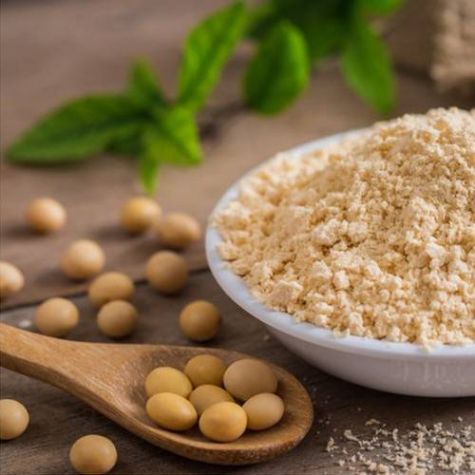
When your factory’s production efficiency, product quality, and operational costs depend on reliable functional raw materials, choosing the right Lecithin supplier in Libya is far more than a routine procurement decision—it is a strategic one. Lecithin, whether used in food, feed, pharmaceutical, or cosmetic manufacturing, plays a critical role in emulsification, viscosity control, and product stability. Selecting the appropriate supplier affects not only your batch-to-batch consistency but also your bottom line, energy consumption, and overall operational reliability. For industrial buyers who prioritize both quality and dependable delivery, partners like MT Royal provide access to multiple lecithin brands at competitive pricing while ensuring seamless supply to Libya’s growing industrial sector.
In our collaborations with various factories, we have seen that sourcing decisions made purely on price often result in unexpected production delays, inconsistent product quality, and unnecessary operational stress. This article provides a comprehensive guide to selecting the right lecithin supplier in Libya, offering in-depth insights on technical specifications, industrial applications, common pitfalls, and advanced strategies for optimizing large-scale production.
Understanding Lecithin: Definitions and Industrial Relevance
Lecithin is a naturally occurring mixture of phospholipids primarily extracted from soybeans, sunflower seeds, or rapeseed. Its amphiphilic structure—containing both hydrophilic (water-attracting) and lipophilic (fat-attracting) regions—makes it an indispensable emulsifier across multiple industries.
From an industrial perspective, lecithin is valued for:
- Emulsification: It stabilizes oil-water mixtures, which is essential in products such as margarine, sauces, and confectioneries. Without proper emulsification, phase separation can compromise product quality and shelf life.
- Viscosity control: Lecithin improves flow properties in chocolate, dough, and other viscous formulations, which enhances processing efficiency and reduces energy consumption.
- Dispersibility and powder wetting: In instant powders and nutritional supplements, lecithin prevents clumping, ensuring faster hydration and consistent consumer experience.
- Release and anti-sticking properties: In bakery and confectionery production, lecithin reduces product adherence to equipment, minimizing downtime and cleaning requirements.
Technically, lecithin comprises phosphatidylcholine, phosphatidylethanolamine, and phosphatidylinositol. Variations in these components influence how lecithin behaves under heat, shear, and in combination with other ingredients—parameters that directly affect industrial processing.
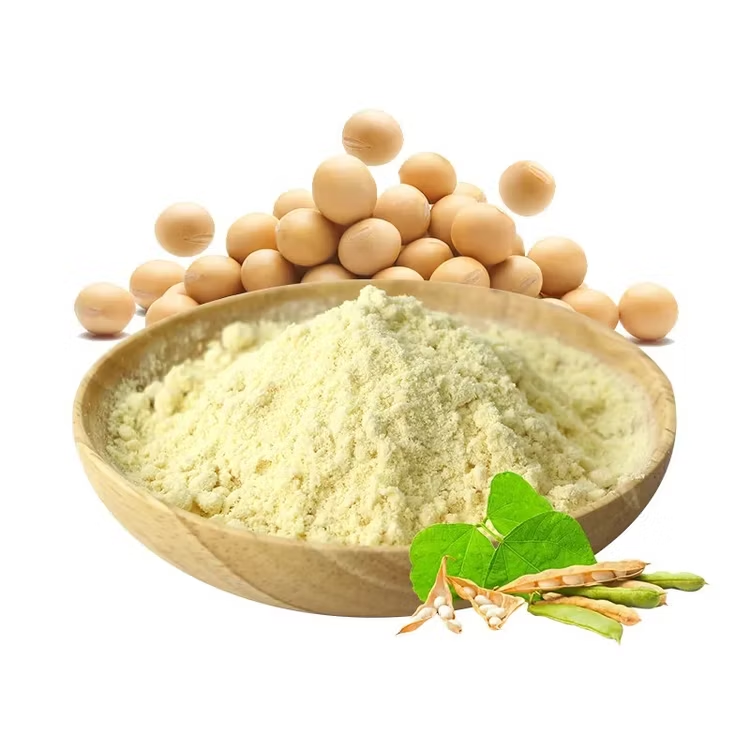
Types of Lecithin Offered by Suppliers in Libya
A reliable Lecithin supplier in Libya should provide multiple lecithin variants to meet diverse industrial requirements:
Soy Lecithin
- Functional versatility: Soy lecithin is widely used in chocolate, bakery, margarine, and feed applications due to its effective emulsification and flow-enhancing properties.
- Cost-effective for large-scale production: It provides reliable functionality at competitive pricing, making it suitable for high-volume industrial lines.
Sunflower Lecithin
- Allergen-free and non-GMO: Ideal for clean-label products and export-oriented food production, sunflower lecithin reduces labeling complications.
- Functional performance: Comparable to soy lecithin in emulsification and dispersibility while offering superior suitability for certain heat-sensitive applications.
Liquid Lecithin
- Ease of handling: Pumpable consistency allows faster mixing and simpler incorporation into large batches.
- Reduced dust and handling losses: Improves safety and minimizes material waste during production.
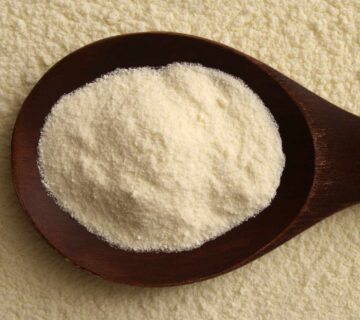
Powdered Lecithin
- Precision in dosing: Essential for dry formulations such as premixes and instant beverages.
- Extended shelf life: Lower moisture content improves stability, especially in high-temperature climates like Libya.
Hydrolyzed Lecithin
- Improved dispersibility: Offers better hydration in water-based systems, such as beverages or pharmaceutical suspensions.
- Specialized industrial applications: Used when uniform particle dispersion is critical for final product quality.
Selecting the appropriate lecithin type for your factory is a decision that balances technical performance, process compatibility, and cost efficiency. In our experience, improper type selection causes more production disruption than minor price differences between suppliers.
Industrial Applications of Lecithin in Libya
Food Manufacturing
- Chocolate and confectionery: Lecithin reduces viscosity, improves flow during tempering, and ensures consistent mold release and texture.
- Bakery products: Enhances dough elasticity and machinability, producing more uniform loaves and pastries.
- Emulsified sauces and dressings: Maintains stable oil-water interfaces, ensuring batch-to-batch consistency.
- Instant beverages and powdered products: Prevents clumping and improves wettability for faster hydration.
Animal Feed
- Nutrient absorption: Lecithin improves fat digestion, supporting better growth and feed conversion ratios in livestock.
- Pellet durability: Enhances mechanical stability and reduces dust, improving transport and storage quality.
Pharmaceutical Industry
- Drug delivery systems: Phospholipids in lecithin are used for liposome and soft gel formulations, ensuring controlled dispersion and biocompatibility.
- Nutritional supplements: Lecithin contributes to cognitive and metabolic health products.
Personal Care and Cosmetics
- Emulsion stability: Provides consistent texture in creams, lotions, and serums.
- Skin-conditioning properties: Enhances moisturizing and improves overall product performance.
Common Mistakes in Industrial Sourcing
Even seasoned procurement professionals can make avoidable errors:
- Focusing solely on price: Low cost per kilogram can mask higher functional usage or inconsistent quality.
- Ignoring technical documentation: Full certificates of analysis, phospholipid content, moisture, and peroxide values are critical for evaluating supplier suitability.
- Neglecting regulatory compliance: Export-oriented factories must verify Halal, Kosher, ISO, and food safety certifications.
- Overlooking logistics and supply chain risk: Delays or incomplete documentation can halt production. Diversifying suppliers reduces operational vulnerability.
Evaluating a Reliable Lecithin Supplier in Libya
Technical Support and Expertise
A quality supplier provides:
- Application guidance for specific industrial formulations.
- Troubleshooting support for production challenges.
- Recommendations on optimal dosing and mixing conditions.
Product Portfolio Diversity
Suppliers offering multiple lecithin grades allow:
- Flexibility in adapting to regulatory or market requirements.
- Tailored functional performance for specialized processes.
- Backup options in case of supply disruption.
Supply Chain Reliability
- Established import and distribution networks reduce lead-time uncertainty.
- Forecasting support and safety stock options help maintain continuous production.
- Transparent logistics communication ensures smooth deliveries even in complex regulatory environments.
Pricing Transparency
- Tiered pricing based on volume commitments.
- Clear cost breakdowns including packaging and logistics.
- Functional cost evaluation rather than per-kilogram cost.
Industrial Tips for Large-Scale Production
- Pilot testing: Conduct small-scale trials to verify functionality and adjust processing parameters before full-scale use.
- Monitor batch variability: Regular quality checks on phospholipid content, viscosity, and moisture prevent processing disruptions.
- Optimize storage: Store lecithin in temperature-controlled, low-humidity environments to prevent oxidation and degradation.
- Correct timing in incorporation: The stage at which lecithin is added affects dispersion and final product consistency.
Emerging Trends in Lecithin Sourcing
- Clean-label and allergen-free demand: Manufacturers increasingly prefer non-GMO, non-soy, or sunflower lecithin.
- Sustainability and traceability: Suppliers are expected to provide transparent sourcing and eco-friendly practices.
- Functional customization: Tailored lecithin grades for specific industrial applications are in high demand.
- Digital integration: Remote monitoring and e-procurement platforms improve reliability and reduce administrative overhead.
Frequently Asked Questions
- Which lecithin type is right for my production?
Answer depends on your application, processing conditions, and regulatory constraints. Pilot testing and technical consultation are recommended. - What certifications are essential?
ISO, HACCP, Halal, Kosher, Non-GMO verification, and batch-specific certificates of analysis. - Does higher price guarantee better quality?
No. Functional performance, consistency, and phospholipid content matter more than cost alone. - Why is supplier location important?
Local presence can simplify logistics, but international suppliers with strong distribution networks can provide equal or better reliability. - Can lecithin reduce production costs?
Yes. Improved flow, reduced fat usage, and processing efficiency lower overall manufacturing costs despite lecithin being a minor ingredient.
Strategic Benefits of Partnering with MT Royal
Working with a trusted Lecithin supplier in Libya transforms procurement into a value-generating process:
- Multi-brand access ensures flexibility in formulation and compliance.
- Technical support improves product consistency and operational efficiency.
- Reliable logistics reduce production risk and downtime.
- Expert guidance helps optimize cost, performance, and industrial throughput.
Lecithin is more than an additive—it is a process enabler. Selecting the right supplier ensures that your factory runs smoothly, delivers consistent quality, and maintains competitiveness in increasingly demanding markets. By understanding technical properties, evaluating supplier capabilities, and implementing proper industrial practices, you can maximize both efficiency and product performance across every batch.
LATAMARKO LM60 – Premium Spanish-Origin Cocoa Powder
latamarko alkalized cocoa powder lm60
cocoa powder for chocolate production-Best price
Food industry raw materials – list of products


No comment