

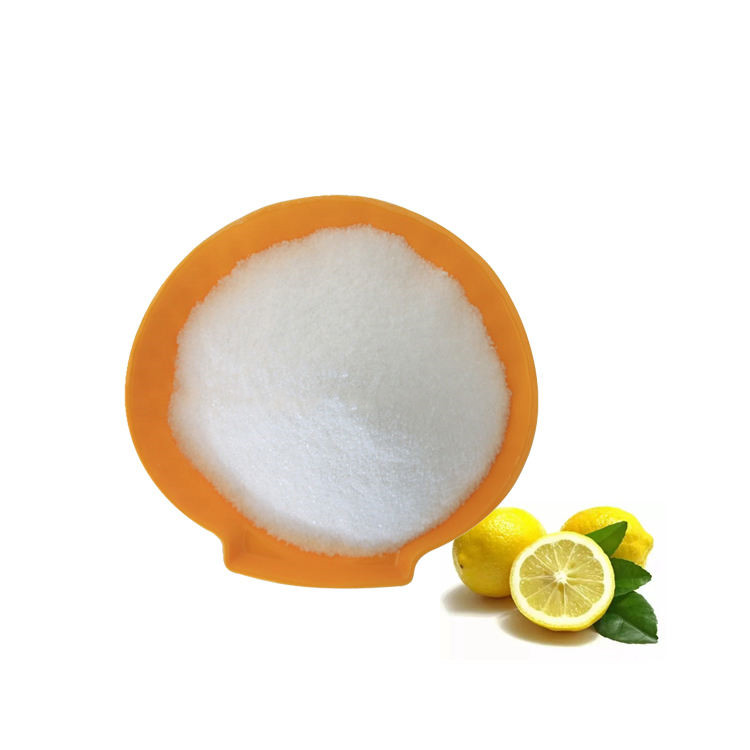
For industrial manufacturers in Libya, sourcing high-quality citric acid is a critical step that directly influences product quality, production efficiency, and cost management. Citric acid is widely used across the food and beverage, pharmaceutical, cosmetic, and chemical industries as an acidulant, preservative, chelating agent, and pH adjuster.
Partnering with a trusted supplier such as MT Royal ensures that your factory receives citric acid that meets international quality standards, arrives on time, and integrates seamlessly into your production process. Our experience with Libyan manufacturers has shown that reliable supply, technical support, and competitive pricing are essential for maintaining operational consistency and competitive advantage.
This comprehensive guide is intended for procurement managers, factory owners, and supply chain professionals in Libya, offering insights into sourcing, quality standards, industrial applications, and strategic supplier selection for citric acid.
Understanding Citric Acid: Definition and Industrial Relevance
What Is Citric Acid?
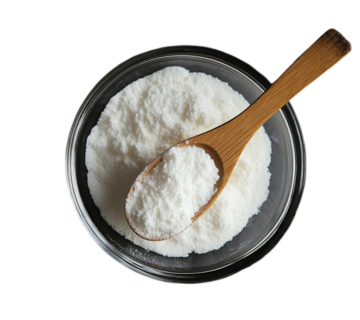
Citric acid (C₆H₈O₇) is a naturally occurring organic acid found in citrus fruits. Industrially, it is produced primarily through fermentation of sugars using Aspergillus niger. Its versatility and safety make it indispensable in a wide array of industrial processes. Key properties include:
- Acidulant: Provides sour taste and regulates acidity in food and beverages.
- Preservative: Inhibits microbial growth, extending shelf life.
- Chelating agent: Binds metal ions, stabilizing formulations in cosmetics and pharmaceuticals.
- pH regulator: Maintains consistent acidity in chemical and industrial applications.
Grades of Citric Acid
Industrial users should be aware of different grades available:
- Food-grade citric acid: Suitable for beverages, confectionery, dairy, and bakery products.
- Pharmaceutical-grade citric acid: Meets strict regulatory requirements for tablets, syrups, and oral solutions.
- Industrial-grade citric acid: Applied in detergents, cosmetics, water treatment, and chemical formulations.
Selecting the right grade ensures compliance with regulations and optimizes functional performance in your production process.
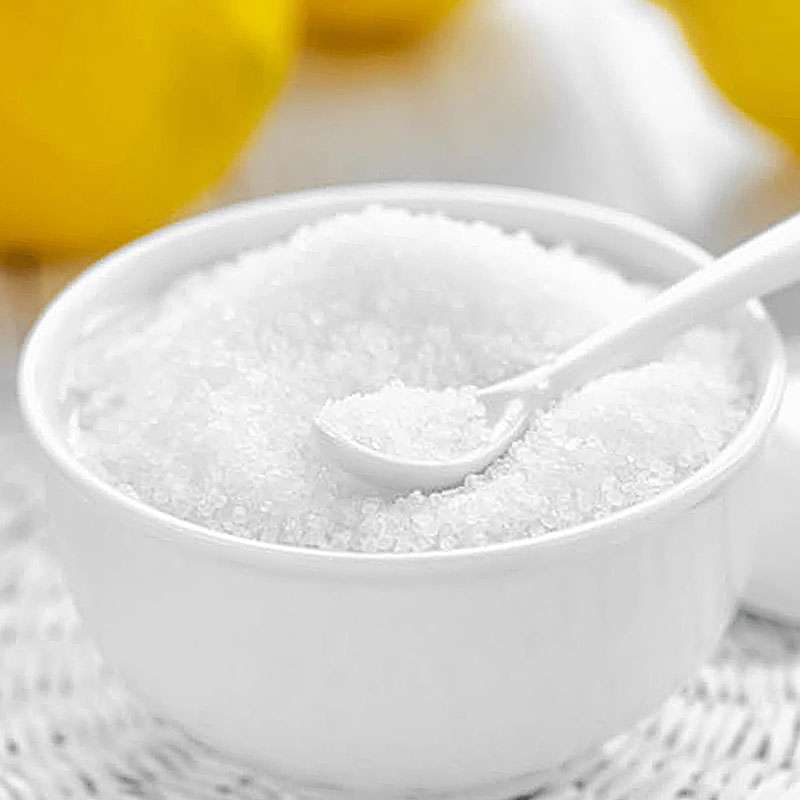
Common Procurement Mistakes in Citric Acid Sourcing
We have observed recurring issues that can affect product quality and operational efficiency in Libyan factories:
- Ignoring supplier certification: Some suppliers do not provide ISO or batch-specific quality reports.
- Overemphasis on price: Low-cost citric acid may have inconsistent purity, moisture content, or particle size, affecting functionality.
- Neglecting storage requirements: Citric acid is hygroscopic and sensitive to moisture; improper storage reduces quality.
- Incomplete documentation: Lack of import permits, safety data sheets, or labeling compliance can delay customs clearance.
Avoiding these mistakes ensures that your production remains uninterrupted, maintains consistent product quality, and minimizes waste.
Choosing a Reliable Citric Acid Supplier in Libya
Critical Factors
- Quality assurance: Look for suppliers with ISO certification and batch analysis certificates.
- Supply reliability: Ensure regular stock availability and the capacity to fulfill bulk orders.
- Technical support: A competent supplier provides guidance on dosage, formulation integration, and process optimization.
- Competitive pricing: Transparent pricing combined with consistent quality supports long-term procurement strategy.
- Regulatory compliance: Verify that the product meets Libyan import standards, food safety regulations, and labeling requirements.
MT Royal exemplifies these qualities, offering verified citric acid from globally recognized manufacturers, delivered reliably to Libyan factories.
Industrial Applications of Citric Acid
Food and Beverage
- Beverages: Provides tartness, enhances flavor, and stabilizes soft drinks and juices.
- Bakery and confectionery: Improves texture, enhances shelf life, and prevents crystallization in candies.
- Dairy products: Maintains pH balance, prevents spoilage, and improves taste in yogurt and cheese.
Pharmaceutical Industry
- Effervescent tablets: Acts as an acidulant for tablet formulation.
- Oral solutions: Adjusts pH for stability and palatability.
- Chelation therapy: Binds metal ions in certain medical formulations.
Cosmetic and Industrial Applications
- Cosmetics: Stabilizes creams, shampoos, and lotions.
- Detergents and cleaners: Acts as a water softener and pH regulator.
- Chemical processing: Functions as a chelating agent, pH adjuster, and stabilizer in various formulations.
Understanding these applications allows factories to select the appropriate grade and supplier for specific production needs.
High-Volume Industrial Procurement Tips
For large-scale manufacturing, citric acid sourcing requires attention to storage, handling, and supplier coordination:
- Proper storage: Maintain dry, temperature-controlled storage to prevent clumping and degradation.
- Optimized dosage: Calculate exact requirements for your production lines to minimize waste.
- Supplier partnerships: Long-term relationships secure stable supply and pricing advantages.
- Quality monitoring: Regular testing of incoming batches ensures consistent performance and regulatory compliance.
Implementing these strategies improves operational efficiency and maintains product consistency in high-volume production.
Frequently Asked Questions
Q: How can I verify the quality of citric acid before purchase?
A: Request certificates of analysis, ISO certifications, and perform pre-shipment inspections if necessary.
Q: Can one supplier provide all citric acid grades needed for different industries?
A: Experienced suppliers like MT Royal offer food, pharmaceutical, and industrial-grade citric acid in various forms.
Q: How should citric acid be shipped and stored in Libya?
A: Use moisture-resistant packaging, maintain dry storage, and coordinate logistics with experienced suppliers to ensure timely delivery.
Q: Is technical support available for dosage and application?
A: MT Royal provides expert guidance for optimizing citric acid usage, improving product quality, and reducing waste.
Comparing Suppliers: Key Differentiators
| Criteria | Reliable Supplier | Less Reliable Supplier |
|---|---|---|
| Product consistency | High | Variable |
| Certification & traceability | ISO and batch reports | Limited or missing |
| Technical support | Dedicated advice | Minimal or none |
| Supply stability | Regular stock & flexible delivery | Frequent shortages |
| Cost transparency | Clear and competitive | Low price with hidden risks |
Selecting a supplier based on these criteria ensures smooth operations, consistent product quality, and long-term cost efficiency.
The MT Royal Advantage for Libyan Manufacturers
We have seen that factories that integrate supplier expertise into their production strategy achieve higher efficiency and product quality. MT Royal provides:
- Verified citric acid from globally recognized manufacturers
- Competitive pricing for bulk and recurring orders
- Technical support for dosage, application, and process integration
- Full logistics coordination and compliance support for Libyan imports
This approach allows manufacturers to focus on production and innovation rather than supply chain disruptions.
Turning Citric Acid Procurement into a Strategic Asset
Sourcing citric acid in Libya is more than a transactional activity—it’s a strategic process that impacts quality, efficiency, and cost management. By partnering with trusted suppliers like MT Royal, integrating quality control, and optimizing storage and handling, factories transform procurement into a reliable, high-value component of industrial operations.
Well-planned sourcing, combined with technical support and logistical reliability, ensures that citric acid arrives on time, performs consistently, and supports scalable manufacturing processes, turning a routine raw material into a competitive advantage.

No comment