

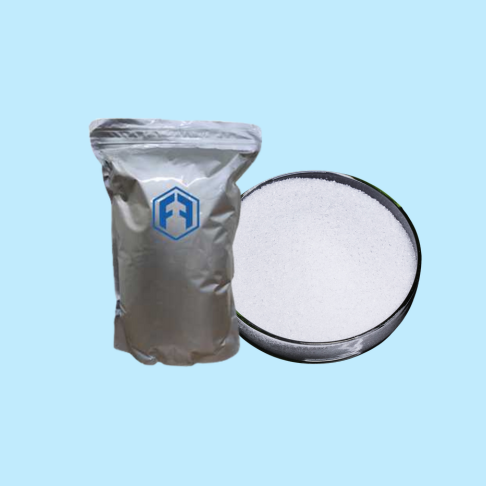
For manufacturers in Libya, sourcing high-quality dextrose is a critical step that directly impacts product consistency, production efficiency, and overall profitability. Dextrose, a simple sugar derived from corn or starch, plays a vital role in the food, beverage, pharmaceutical, and industrial sectors as a sweetener, fermentation substrate, preservative, and functional ingredient.
Partnering with a reliable supplier like MT Royal ensures that your factory receives dextrose that meets international quality standards, arrives on time, and integrates seamlessly into your production process. Our experience working with Libyan manufacturers demonstrates that dependable supply, technical guidance, and competitive pricing are essential to maintaining operational stability and achieving high-quality end products.
This in-depth guide provides procurement managers, factory owners, and supply chain professionals in Libya with practical insights on sourcing, quality assurance, industrial applications, and strategic supplier selection for dextrose.
Understanding Dextrose: Definition and Industrial Importance
What Is Dextrose?
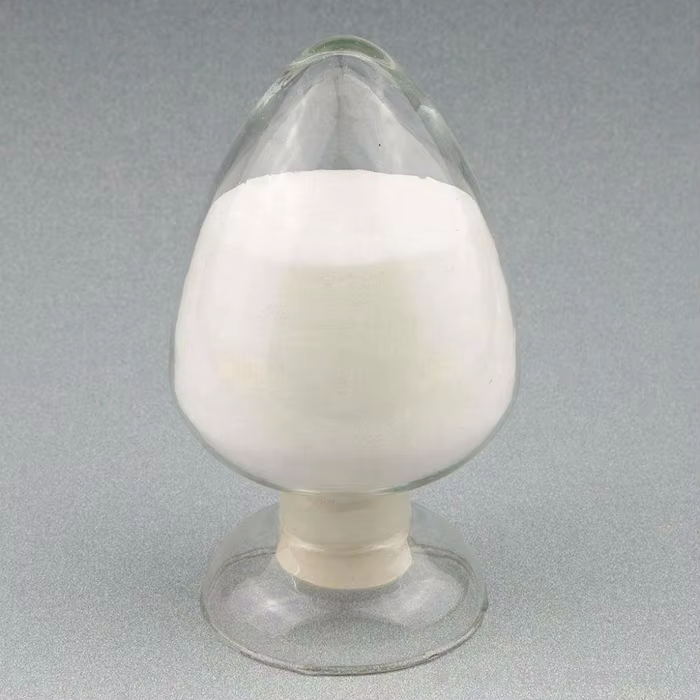
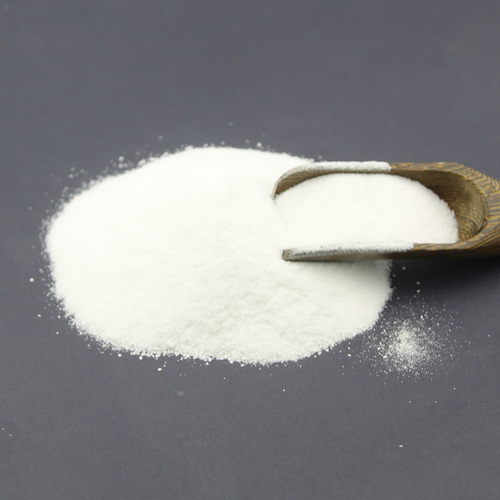
Dextrose, chemically identical to glucose, is a monosaccharide widely used as a sweetening agent and functional ingredient in industrial production. Its key industrial properties include:
- Sweetening agent: Provides uniform sweetness and enhances flavor profiles.
- Fermentation substrate: Essential for yeast and microbial fermentation in bakery and beverage production.
- Preservative support: Contributes to water activity reduction, extending shelf life in food products.
- Functional ingredient: Improves texture, browning, and crystallization control in confectionery and baked goods.
Common Grades of Dextrose
Factories need to select the appropriate grade based on specific applications:
- Food-grade dextrose: Suitable for beverages, confectionery, bakery, and dairy applications.
- Pharmaceutical-grade dextrose: Complies with strict pharmacopoeia standards for injections, oral solutions, and tablets.
- Industrial-grade dextrose: Used in fermentation, chemical processing, and other non-food industrial applications.
Each grade differs in purity, particle size, and solubility, which directly affects performance in your manufacturing processes.
Common Procurement Mistakes in Dextrose Sourcing
Despite its widespread use, many factories encounter procurement challenges that impact production:
- Overemphasizing price over quality: Low-cost dextrose may have variable purity or inconsistent functional performance.
- Neglecting supplier certification: Lack of ISO or batch-specific certificates can create regulatory and quality compliance risks.
- Ignoring storage requirements: Dextrose is hygroscopic and sensitive to moisture; improper storage leads to caking and reduced solubility.
- Incomplete logistics planning: Unreliable delivery schedules can disrupt production cycles, especially for high-volume operations.
Avoiding these mistakes ensures operational consistency, maintains product quality, and reduces production downtime.
Selecting a Reliable Dextrose Supplier in Libya
Key Considerations
- Quality Assurance: Suppliers should provide ISO certifications, batch analysis reports, and adherence to international standards.
- Supply Reliability: Regular stock availability and the ability to fulfill bulk orders are crucial.
- Technical Support: Expert guidance on dosage, formulation integration, and process optimization adds significant value.
- Competitive Pricing: Fair and transparent pricing ensures sustainable procurement without compromising quality.
- Regulatory Compliance: Confirm that dextrose meets Libyan import regulations, labeling requirements, and food safety standards.
MT Royal combines these capabilities, delivering verified dextrose from globally recognized manufacturers directly to Libyan factories while providing ongoing technical support and logistics coordination.
Industrial Applications of Dextrose in Libya
Food and Beverage Applications
- Confectionery: Controls crystallization, enhances sweetness, and improves texture in candies and chocolates.
- Bakery products: Supports fermentation, browning, and moisture retention in bread and pastries.
- Beverages: Acts as a sweetening agent and fermentation substrate for soft drinks, juices, and energy drinks.
- Dairy products: Enhances flavor, aids in controlled fermentation for yogurts and cheese, and extends shelf life.
Pharmaceutical Applications
- Oral rehydration solutions: Provides a quick source of glucose and energy.
- Injectables: Pharmaceutical-grade dextrose ensures safety and stability for intravenous solutions.
- Tablets and syrups: Acts as a filler, sweetener, and stabilizer for active ingredients.
Industrial Applications
- Fermentation processes: Supports microbial growth in the production of enzymes, organic acids, and alcohols.
- Chemical processing: Used as a substrate in bio-based manufacturing and as a stabilizer for various formulations.
Selecting the appropriate grade for your industry ensures optimal performance and compliance with regulations.
High-Volume Production: Best Practices
For factories producing dextrose-based products at scale, attention to storage, handling, and process optimization is critical:
- Proper storage: Maintain cool, dry, and moisture-controlled environments to prevent caking and contamination.
- Process integration: Accurately calculate dosage and integrate dextrose into production lines to ensure consistency.
- Supplier partnerships: Long-term relationships secure stable supply, technical support, and potential pricing benefits.
- Quality monitoring: Regularly test incoming batches to confirm purity, solubility, and compliance with specifications.
These practices help maintain production efficiency, reduce waste, and ensure consistent product quality.
Frequently Asked Questions
Q: How can I verify the quality of dextrose before purchase?
A: Request certificates of analysis, ISO certifications, and consider pre-shipment inspections to ensure compliance with specifications.
Q: Can one supplier provide multiple grades of dextrose?
A: Yes, reputable suppliers like MT Royal offer food, pharmaceutical, and industrial grades suitable for diverse applications.
Q: How should dextrose be stored in Libya?
A: Use moisture-resistant packaging, store in dry, temperature-controlled conditions, and manage inventory to prevent exposure to humidity.
Q: Is technical support available for formulation and process integration?
A: MT Royal provides expert guidance to optimize dosage, ensure consistent functionality, and reduce production waste.
Comparing Dextrose Suppliers: Key Differentiators
| Criteria | Reliable Supplier | Less Reliable Supplier |
|---|---|---|
| Product consistency | High | Variable |
| Certification & traceability | ISO and batch reports | Limited or missing |
| Technical support | Dedicated expert guidance | Minimal or none |
| Supply stability | Regular stock and flexible delivery | Frequent shortages |
| Cost transparency | Fair and predictable pricing | Low price but hidden risks |
A supplier that meets these criteria ensures smoother production, regulatory compliance, and long-term cost efficiency.
The MT Royal Advantage for Libyan Manufacturers
We have observed that manufacturers who combine high-quality raw materials with experienced supplier partnerships achieve superior operational outcomes. MT Royal offers:
- Verified dextrose from globally recognized manufacturers
- Competitive pricing for bulk and recurring orders
- Technical support for dosage, application, and production integration
- Comprehensive logistics and regulatory compliance support for Libyan imports
This approach allows manufacturers to focus on production efficiency, product innovation, and market competitiveness rather than supply chain challenges.
Transforming Dextrose Procurement into a Strategic Asset
Sourcing dextrose in Libya is not merely a procurement task—it is a strategic decision affecting product quality, operational efficiency, and cost management. By partnering with reliable suppliers like MT Royal, integrating quality control measures, and optimizing storage and handling practices, factories transform dextrose procurement into a reliable, high-value component of their industrial operations.
Effective sourcing, combined with technical expertise and dependable logistics, ensures that dextrose is delivered on time, performs consistently, and supports scalable manufacturing processes. This strategic approach turns a routine raw material into a competitive advantage for industrial producers.

No comment