

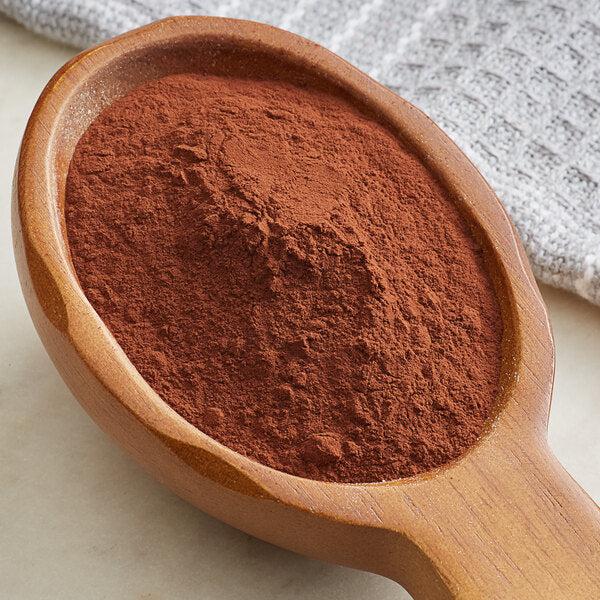
Oman’s food manufacturing sector is expanding rapidly, creating strong demand for high-quality raw materials. If you are searching for a reliable Natural Cocoa Powder Supplier in Oman, MT ROYAL proudly supplies premium LATAMARKO Spanish Natural Cocoa Powder to industrial buyers across the Sultanate.
Natural cocoa powder is essential in bakery, chocolate, dairy, beverage, and confectionery production. Unlike alkalized cocoa, natural cocoa maintains its original pH (around 5.0–6.0), delivering a bright cocoa flavor, light brown color, and strong aromatic profile. This makes it ideal for cakes, brownies, biscuits, chocolate milk, beverage powders, and compound chocolate applications.
LATAMARKO
LATAMARKO, produced under strict European standards, offers consistent batch-to-batch quality with a standard fat content of 10–12%. Its fine particle size ensures smooth blending in industrial mixing systems, while stable microbiological specifications provide safety and reliability for large-scale food factories.
As the official supplier, MT ROYAL CO. (Türkiye) provides professional export services, including full documentation, palletized loading options, and efficient shipping solutions to Oman via optimized logistics routes. With more than 18 years of experience in international food ingredient trade, MT ROYAL focuses on long-term partnerships rather than spot transactions.
For manufacturers in Muscat, Sohar, and Salalah seeking dependable European cocoa powder, LATAMARKO natural cocoa powder supplied by MT ROYAL offers quality, stability, and trust — the foundation of successful industrial production.
Contact MT ROYAL for detailed specifications and commercial offers tailored to your factory’s needs.
When you’re running a production line that depends on cocoa ingredients—whether for chocolate beverages, baked goods, confectionery coatings, or dairy formulations—you quickly realize that cocoa powder isn’t just another commodity. Its pH level, color intensity, fat content, and solubility characteristics can influence everything from processing efficiency to final product appeal. That’s why finding the right alkalized cocoa powder supplier in Oman isn’t simply a sourcing decision; it’s a strategic move that can impact profitability, product consistency, and brand reputation.
Manufacturers across the Middle East are experiencing growing demand for premium cocoa-based products, and industrial buyers in Oman are no exception. From large-scale beverage producers to bakery factories and confectionery plants, the need for reliable supply chains and consistent quality has never been more critical.
This guide explores the technical, procurement, and operational considerations you should understand before selecting a supplier—along with practical insights drawn from real manufacturing environments.
Understanding Alkalized Cocoa Powder: More Than Just Color
Alkalized cocoa powder (often called Dutch-processed cocoa) undergoes treatment with an alkaline solution to neutralize acidity. This process changes the cocoa’s chemical profile in several ways that matter to industrial applications:
- pH modification improves solubility and dispersibility in liquids.
- Color enhancement produces darker brown to reddish-black tones.
- Flavor smoothing reduces bitterness and acidity.
- Functional performance improves compatibility with dairy and fat systems.
For production facilities, these characteristics aren’t cosmetic—they influence processing stability, mixing time, and consumer perception.
For example, beverage manufacturers often prefer alkalized cocoa because it dissolves more easily in cold or hot systems, reducing clumping and improving mouthfeel. Meanwhile, bakery producers benefit from its darker color and milder taste, which allow lower usage rates while maintaining sensory impact.
Why Supplier Selection Matters for Industrial Operations
Factory managers sometimes assume cocoa powder is interchangeable between suppliers. In reality, even small variations in particle size distribution or fat content can cause measurable differences in production.
Choosing the right supplier affects:
- Batch-to-batch consistency
- Equipment performance (mixers, homogenizers, extruders)
- Shelf-life stability
- Cost per finished unit
- Downtime risk from formulation adjustments
In our experience supplying manufacturing facilities, the most successful operations treat cocoa sourcing as a technical partnership rather than a transactional purchase.
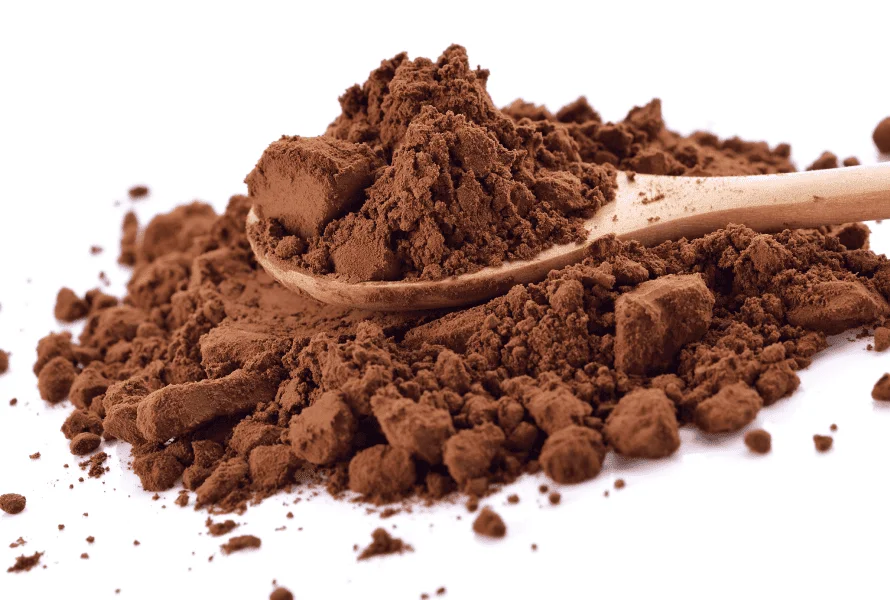
Key Industrial Applications Driving Demand in Oman
Several sectors in Oman’s food manufacturing landscape rely heavily on alkalized cocoa powder:
1. Beverage Manufacturing
Chocolate drinks, instant powders, ready-to-drink formulations, and protein beverages require cocoa with strong dispersibility and uniform color.
2. Bakery and Confectionery
Cakes, biscuits, fillings, coatings, and icings benefit from alkalized cocoa’s smooth flavor and darker appearance.
3. Dairy and Ice Cream Production
Cocoa interacts with milk proteins and fat systems, making pH and fat percentage especially important.
4. Nutritional and Functional Foods
Protein bars, supplements, and fortified products require consistent quality to maintain regulatory compliance and labeling accuracy.
Technical Specifications Industrial Buyers Should Evaluate
When comparing suppliers, procurement teams should look beyond price per kilogram. Technical parameters often determine long-term value.
Important Quality Metrics
| Parameter | Why It Matters in Production |
|---|---|
| pH Level | Affects flavor, solubility, and compatibility with other ingredients |
| Fat Content | Influences mouthfeel, processing behavior, and cost efficiency |
| Particle Size | Determines dispersibility and mixing performance |
| Color Index | Impacts product appearance and consumer perception |
| Microbiological Standards | Critical for food safety compliance |
| Moisture Content | Affects shelf life and storage stability |
Factories producing multiple SKUs may benefit from sourcing different alkalization levels to match specific formulations.
Common Procurement Mistakes Manufacturers Make
Even experienced procurement managers sometimes encounter issues when sourcing cocoa powder.
Mistake 1: Choosing Based Only on Price
Lower-priced cocoa may require higher dosage rates, offsetting any cost savings.
Mistake 2: Ignoring Batch Consistency
Variability forces production adjustments, increasing labor and downtime costs.
Mistake 3: Overlooking Supply Reliability
Interruptions in cocoa supply can halt entire production lines—especially in high-volume facilities.
Mistake 4: Skipping Technical Trials
Testing cocoa in actual production conditions prevents costly surprises after bulk purchases.
We’ve seen factory managers benefit from running pilot-scale trials before committing to large contracts, particularly when switching suppliers.
The Strategic Value of Working with a Specialized Supplier
An experienced alkalized cocoa powder supplier in Oman provides more than logistics. The right partner contributes technical insight, sourcing flexibility, and risk management.
For example:
- Access to multiple origin options (West Africa, Southeast Asia, Latin America)
- Different alkalization profiles for various applications
- Documentation support for regulatory compliance
- Stable pricing through supply contracts
- Technical troubleshooting assistance
This level of support is especially valuable when launching new products or optimizing formulations.
European Premium Options and Quality Benchmarks
Not all cocoa powders are created equal. Premium European processing standards often deliver superior consistency and color uniformity.
Spanish manufacturers have earned strong reputations in the cocoa sector, with companies such as Latamarko known for producing high-performance cocoa powders tailored to industrial applications. These products may carry higher upfront costs but often provide advantages in dosage efficiency and sensory quality.
For manufacturers targeting premium consumer segments, investing in higher-grade cocoa can enhance brand positioning and reduce reformulation challenges.
Supply Chain Trends Affecting Cocoa Procurement
Global cocoa markets are influenced by factors that industrial buyers should monitor:
- Climate variability affecting cocoa harvests
- Rising demand in Asia and the Middle East
- Sustainability and traceability requirements
- Currency fluctuations impacting import costs
- Transportation and logistics disruptions
Recent industry reports indicate increasing volatility in cocoa pricing due to weather-related crop impacts. For factories operating on tight margins, long-term supplier agreements can help mitigate risk.
Choosing the Right Fat Content for Your Application
Alkalized cocoa powders are available in various fat levels, typically:
- 10–12% fat (low fat)
- 20–22% fat (medium fat)
- 22–24% fat (high fat)
Each serves different industrial purposes:
- Low fat: Cost-efficient for bakery mixes and beverages.
- Medium fat: Balanced performance for general applications.
- High fat: Rich flavor and mouthfeel for premium products.
Production managers should evaluate how fat content affects emulsification, viscosity, and sensory profile in their formulations.
Practical Tips for Factory Managers and Production Supervisors
If you’re responsible for production efficiency, cocoa powder selection directly impacts your workflow.
Step-by-Step Evaluation Process
- Define your application requirements (pH, color, fat).
- Request technical specifications and certificates.
- Conduct pilot production trials.
- Evaluate mixing performance and dosage efficiency.
- Compare cost per finished unit—not cost per kilogram.
- Assess supplier reliability and delivery timelines.
This structured approach reduces risk and improves procurement outcomes.
Storage and Handling Considerations in Industrial Facilities
Cocoa powder is sensitive to environmental conditions.
Best practices include:
- Storing in cool, dry warehouses
- Protecting from moisture exposure
- Maintaining sealed packaging
- Implementing FIFO (first-in, first-out) inventory rotation
- Monitoring humidity levels
Improper storage can lead to clumping, flavor degradation, and microbial risks.
The Role of MT Royal in Industrial Cocoa Supply
Reliable sourcing partners simplify procurement challenges. MT Royal supplies manufacturers with a comprehensive range of cocoa powder brands, offering competitive pricing without compromising quality.
We’ve worked with production facilities across multiple food sectors and understand that each factory has unique technical requirements. Access to multiple brands and specifications allows procurement teams to choose solutions tailored to their production goals rather than forcing a one-size-fits-all approach.
For companies expanding product lines or entering new markets, having a supplier with diverse sourcing capabilities can significantly reduce development timelines.
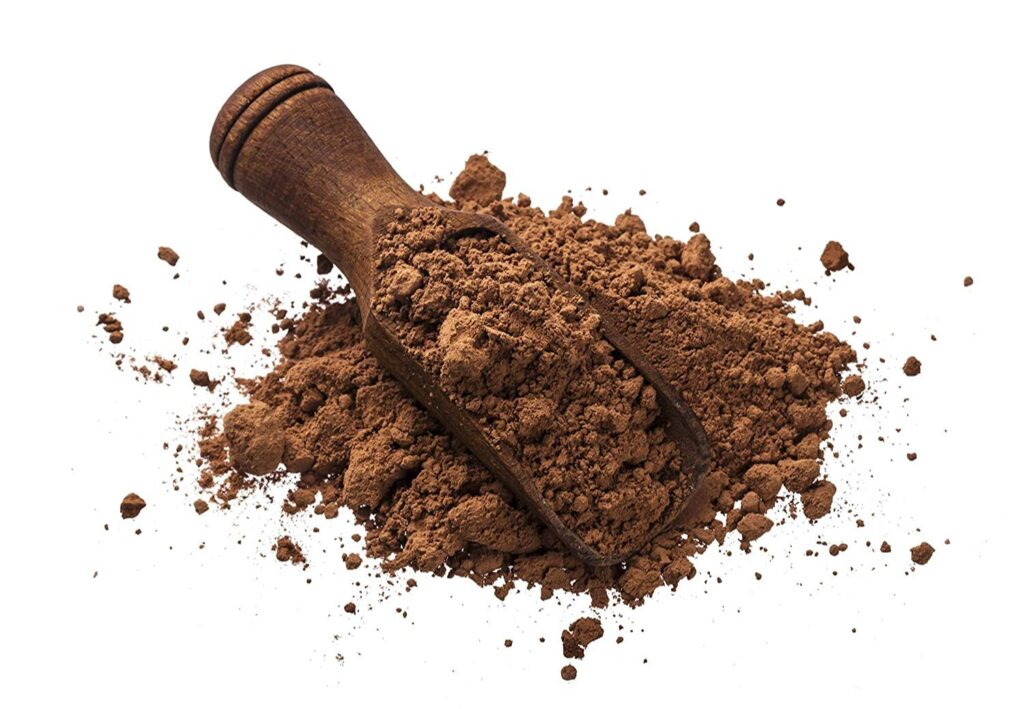
Comparing Natural vs. Alkalized Cocoa Powder for Industrial Use
| Feature | Natural Cocoa | Alkalized Cocoa |
|---|---|---|
| Acidity | Higher | Lower |
| Color | Light brown | Dark brown to black |
| Flavor | Sharp, acidic | Smooth, mellow |
| Solubility | Moderate | High |
| Industrial Use | Limited | Extensive |
For most large-scale manufacturing, alkalized cocoa offers superior processing advantages.
Real-World Manufacturing Scenario
Imagine a beverage factory producing chocolate milk powder at 20 tons per day. A small change in cocoa dispersibility could reduce mixing time by several minutes per batch.
Over a year, that time savings translates into:
- Increased production capacity
- Lower energy consumption
- Reduced labor costs
- Improved consistency
This is why ingredient selection matters far beyond flavor.
Regulatory and Compliance Considerations
Food manufacturers must ensure cocoa powder meets local and international standards:
- Microbiological safety limits
- Heavy metal thresholds
- Allergen control
- Documentation and traceability
- Halal certification where required
A reputable supplier simplifies compliance by providing complete documentation and certifications.
Frequently Asked Questions from Procurement Managers
What is the typical shelf life of alkalized cocoa powder?
Most cocoa powders have a shelf life of 24 months when stored properly in sealed conditions.
Can alkalized cocoa replace natural cocoa in formulations?
Often yes, but adjustments in leavening agents or dosage may be required due to pH differences.
Does higher fat cocoa always mean better quality?
Not necessarily. The right fat level depends on your application and cost targets.
How can I reduce cocoa usage without losing flavor?
Higher-quality cocoa with stronger color and flavor intensity can allow lower dosage rates.
Is bulk purchasing more cost-effective?
Generally yes, especially when supply contracts stabilize pricing and logistics costs.
Strategic Advice for Long-Term Procurement Success
Experienced procurement leaders often follow several principles:
- Develop relationships with multiple suppliers
- Maintain safety stock for critical ingredients
- Monitor market trends and crop forecasts
- Evaluate total cost of ownership, not just purchase price
- Collaborate with R&D teams during ingredient selection
These strategies reduce risk and support consistent production.
A Final Thought for Manufacturing Decision-Makers
When you evaluate an alkalized cocoa powder supplier in Oman, you’re not just choosing an ingredient—you’re making a decision that ripples through your entire operation, from procurement planning and warehouse management to production efficiency and end-customer perception. Cocoa powder may represent a single line item in your bill of materials, but its influence extends into mixing performance, dosage accuracy, product consistency, and even equipment wear over time. A reliable supplier helps stabilize these variables, reducing the need for constant adjustments on the factory floor and allowing your team to focus on output, innovation, and quality assurance rather than troubleshooting ingredient inconsistencies.
The right partner also contributes to predictability—something every manufacturing leader values. Consistent lead times, transparent communication, and dependable quality specifications mean fewer emergency purchases, less safety stock pressure, and more confidence when committing to large production runs or new product launches. Over months and years, those operational advantages translate into smoother workflows, stronger margins, and better relationships with your own customers.
Ultimately, the question becomes less about sourcing cocoa and more about building resilience into your production system. The supplier you choose today can either become a hidden constraint—or a quiet competitive advantage that supports your factory’s growth trajectory.
LATAMARKO LM60 – Premium Spanish-Origin Cocoa Powder
latamarko alkalized cocoa powder lm60
cocoa powder for chocolate production-Best price
Food industry raw materials – list of products
Alkalized Cocoa Powder Price: Complete Buyer Guide for 2026



No comment