

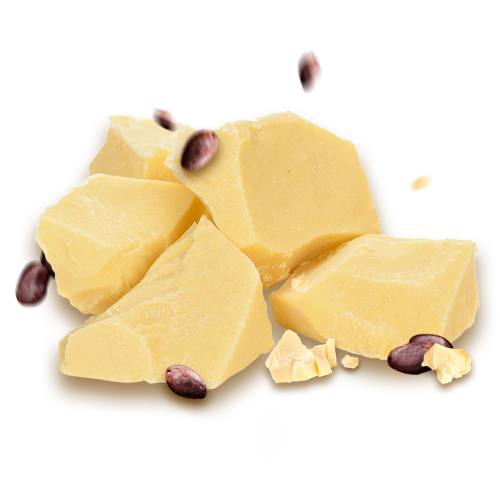
In Alexandria’s bustling chocolate and confectionery industry, production efficiency, consistency, and quality are critical. Cocoa butter, the golden fat extracted from cocoa beans, is more than an ingredient — it is the backbone of chocolate formulation, white chocolate production, compound coatings, and specialty confectionery lines.
For factory managers, procurement officers, and production supervisors, selecting a high-quality cocoa butter supplier is a strategic decision that influences product texture, melting behavior, tempering efficiency, and ultimately, the end-user experience.
This guide provides an in-depth, industrial perspective on sourcing cocoa butter for Alexandria factories. It explores technical specifications, supply chain considerations, procurement best practices, and the nuances that separate premium suppliers from the rest. Along the way, we’ll highlight MT Royal as a trusted partner for reliable supply, and reference European premium options such as Latamarko, without overt promotion, to illustrate quality tiers.
latamarko alkalized cocoa powder lm60
cocoa powder for chocolate production-Best price
Food industry raw materials – list of products
Types of Gelatin from Turkish Manufacturer
The Best Supplier of Alkalized Cocoa Powder in Türkiye
Understanding Cocoa Butter in Industrial Manufacturing
Cocoa butter is the natural fat component of cocoa beans, obtained through pressing or solvent extraction. It is prized for its smooth texture, melting profile, and compatibility with chocolate formulations. For industrial production, its key characteristics include:
- Melting point: Typically 33–36°C, crucial for tempering and molding operations.
- Fatty acid composition: Determines stability, crystallization behavior, and texture.
- Purity: Free from contaminants, off-flavors, and oxidation.
- Consistency: Batch-to-batch uniformity ensures predictable processing.
In high-volume factories, these properties affect:
- Tempering cycles and chocolate crystal formation
- Mold release and coating behavior
- Shelf stability and bloom resistance
- Mouthfeel, snap, and flavor perception

Why Supplier Selection Is Critical for Alexandria Factories
The choice of cocoa butter supplier can have far-reaching effects on production outcomes. Here are the core considerations:
1. Production Efficiency
High-quality cocoa butter behaves predictably in industrial mixers, enrobing lines, and tempering equipment. Variability can cause uneven melting, increased cycle times, and higher scrap rates.
2. Cost Optimization
While some suppliers offer lower unit prices, inconsistent quality leads to rework, line stoppages, and increased labor costs. Calculating total cost of ownership (TCO) often favors reliable suppliers like MT Royal.
3. Product Quality and Brand Integrity
For consumer-facing chocolate products, small deviations in cocoa butter quality impact texture, shine, and flavor. Premium cocoa butter minimizes these risks, supporting brand reputation and customer satisfaction.
4. Compliance and Traceability
Suppliers must provide Certificates of Analysis (COAs), HACCP documentation, and traceability records. MT Royal emphasizes comprehensive documentation to help Alexandria factories meet both local and international standards.
Industrial Specifications That Matter
Selecting cocoa butter requires understanding industrially relevant specifications:
| Specification | Importance | Industrial Insight |
|---|---|---|
| Melting Point | 33–36°C | Ensures predictable tempering and molding |
| Free Fatty Acid | <1% recommended | Reduces risk of off-flavors and oxidation |
| Color | Pale yellow | Affects visual quality in chocolates and coatings |
| Peroxide Value | Low | Indicator of freshness and shelf stability |
| Moisture | <0.05% | Prevents microbial growth and caking |
Suppliers with precise quality control, including batch analysis and consistency reporting, minimize production risk. European suppliers such as Latamarko exemplify meticulous control in these parameters, offering stability and reliability for high-demand lines.
Export Considerations for Alexandria Factories
Cocoa butter imported to Alexandria must navigate regulatory, logistical, and storage challenges:
- Regulatory compliance: Egyptian Ministry of Trade and Industry regulations require traceability and food safety certifications.
- Shipping and handling: Cocoa butter is temperature-sensitive; proper insulation and timely transport prevent fat bloom or oxidation.
- Storage conditions: Factories must maintain cool, dry, and humidity-controlled warehouses to preserve quality.
A competent supplier supports compliance and logistics, reducing the risk of production delays.
Step-by-Step Supplier Evaluation Process
To maximize operational reliability, Alexandria factories should follow a structured supplier selection process:
- Define Production Needs
Document requirements for melting profile, purity, and functionality across different product lines. - Request Technical Samples
Conduct pilot runs on actual production equipment to observe behavior under real conditions. - Assess Documentation
COAs, HACCP compliance, and traceability records must meet audit standards. - Evaluate Logistics and Responsiveness
Lead times, stock availability, and responsiveness to urgent orders affect line stability. - Score Suppliers Objectively
Factors include quality consistency, technical support, delivery reliability, and total cost of ownership.
At MT Royal, we work closely with production teams in Alexandria to ensure cocoa butter meets stringent industrial requirements, supporting uninterrupted operations and consistent product quality.
Common Misconceptions in Cocoa Butter Procurement
- “All cocoa butter is the same” — Variations in melting point, free fatty acids, and color affect processing behavior.
- “Lowest price equals best value” — Inconsistent quality can lead to rework and increased operational costs.
- “Documentation isn’t essential” — Missing COAs or traceability records can halt production or affect export compliance.
Understanding these realities prevents costly errors and ensures predictable production outcomes.
Cocoa Butter Quality Tiers
| Grade | Use Case | Benefits | Considerations |
|---|---|---|---|
| Standard Industrial | Mass production | Cost-efficient | Moderate quality control |
| Premium | High-end chocolates | Consistent melting and texture | Slightly higher cost |
| Functional/Customized | Specialty products | Tailored performance | Requires technical alignment |
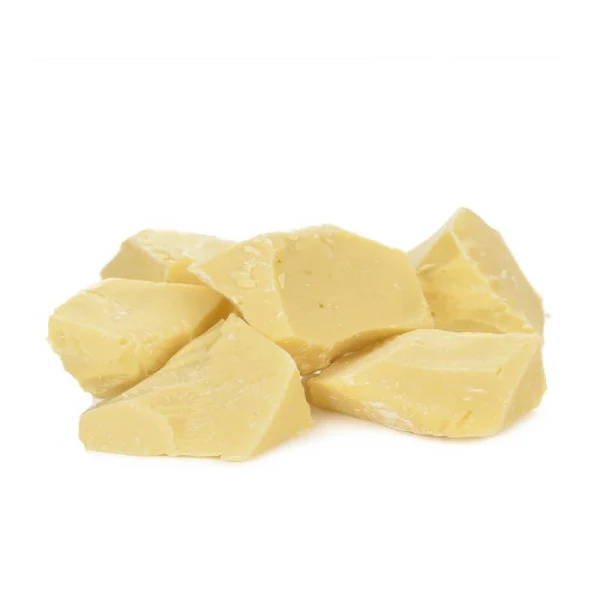
Latamarko represents premium European standards, offering high stability, precise fatty acid profiles, and consistent melting characteristics for advanced industrial applications.
Best Practices for Alexandria Factories
- Maintain a dual-supplier strategy for risk mitigation.
- Conduct pilot production tests before approving new batches.
- Track supplier performance via scorecards for continuous improvement.
- Share production forecasts with suppliers to ensure timely deliveries.
- Prioritize suppliers who provide technical guidance and troubleshooting support.
Frequently Asked Questions
Q: How important is cocoa butter purity for industrial applications?
A: Critical. Impurities affect texture, tempering, and shelf life.
Q: Can different suppliers affect production throughput?
A: Yes. Variability in melting point or viscosity can slow tempering, mixing, or molding.
Q: Should factories prefer premium European brands?
A: Premium options like Latamarko provide superior consistency and reliability for high-end or sensitive production lines.
Strategic Takeaways
Sourcing high-quality cocoa butter for Alexandria factories is a strategic decision that impacts every facet of production — from throughput and product quality to compliance and operational efficiency.
At MT Royal, we provide a range of cocoa butter brands and grades, combining competitive pricing with technical support, reliability, and documentation. Manufacturers who prioritize supplier quality and consistency gain measurable advantages in production efficiency, product excellence, and risk management.
Ask yourself: Does your current cocoa butter supplier support your production lines with predictability, quality, and responsiveness — or do you spend time compensating for inconsistencies and unexpected variations? The answer determines not just your daily output, but your competitive edge in the market.




No comment