

In the world of large‑scale food production, ingredient choice isn’t just about flavor — it’s about process behavior, consistency, efficiency, cost per unit, and product differentiation. Among those ingredients, alkalized cocoa powder stands out as both a functional powerhouse and a strategic lever in optimizing industrial chocolate and biscuit production. Yet despite its prevalence, many production managers and procurement professionals struggle with how best to specify, source, and deploy this material — especially when balancing consumer expectations, process stability, and cost constraints.
If you’ve ever asked questions like:
- Why does alkalized cocoa powder behave differently from natural cocoa during mixing or baking?
- How does alkali treatment affect color, flavor, and functional performance?
- What quality attributes should you prioritize when sourcing for large‑scale confectionery and biscuit plants?
…then you’re in the right place.
This in‑depth article explores the industrial uses of alkalized cocoa powder in chocolate and biscuits, addressing fundamental science, production advantages, process challenges, quality standards, procurement strategies, and real‑world insights that help improve both product performance and bottom‑line efficiency.
We’ll draw on practical experience — including what we’ve seen supplying manufacturing facilities through MT Royal — while weaving in nuanced discussions of how premium options, like materials from Spanish origin brands such as Latamarko, can introduce measurable quality consistency at scale. The aim is not to sell you an ingredient, but to give you an industrial‑grade playbook you can use on the factory floor and in procurement planning.
Let’s get started.
Alkalized Cocoa Powder Supplier
latamarko alkalized cocoa powder lm60
Food industry raw materials – list of products
What Is Alkalized Cocoa Powder? Fundamentals for Manufacturers
Before diving into applications, it’s essential to understand what alkalized cocoa powder is and why it behaves differently from its natural counterpart.
Natural vs Alkalized Cocoa Powder: A Primer
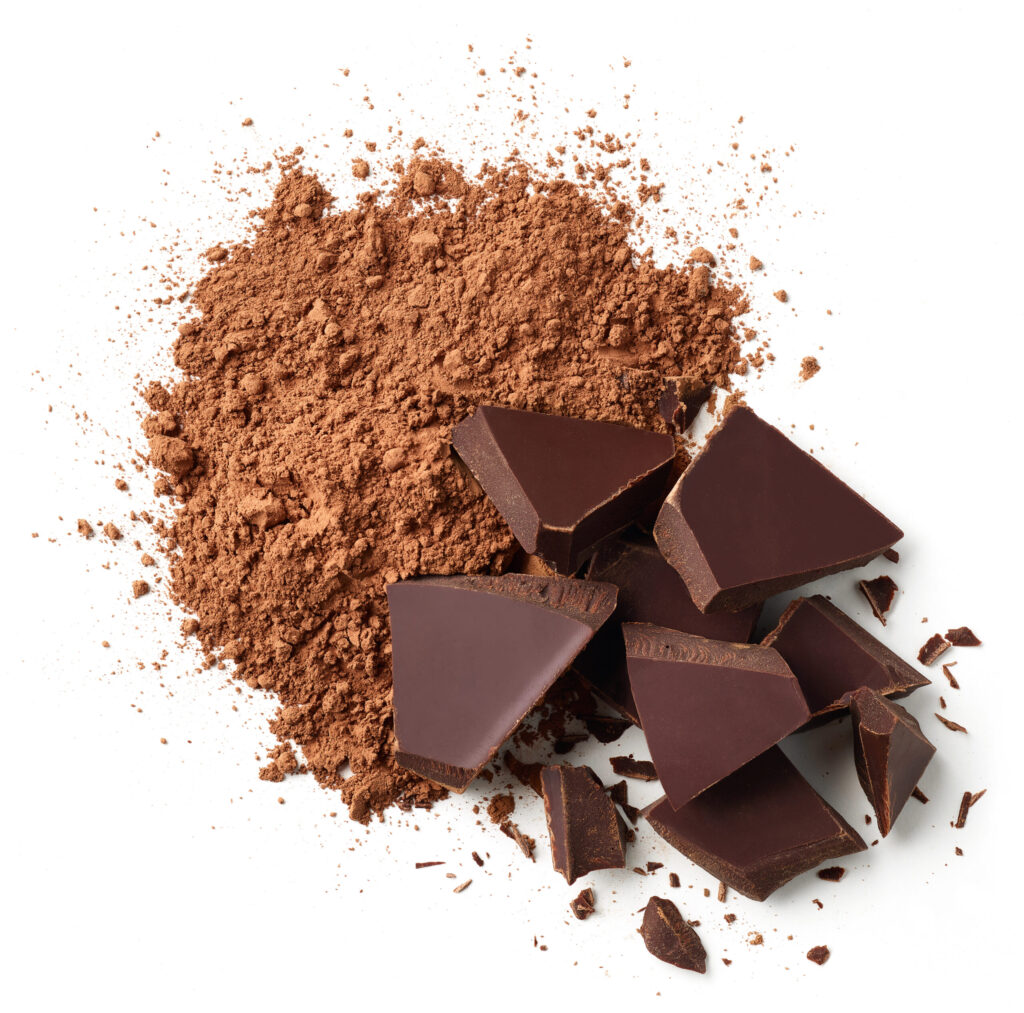
Cocoa powder originates from roasted cocoa beans that have had most of their fat (cocoa butter) removed. The residue is finely milled into powder. At this stage, it’s “natural cocoa powder” — acidic, with sharp flavor and lighter color.
Alkalized cocoa powder, also known as Dutched or processed cocoa, is produced by treating the cocoa solids with an alkaline solution (usually potassium carbonate). This process:
- Neutralizes acidity, giving smoother flavor
- Darkens color, yielding rich brown hues desirable in many chocolate and biscuit products
- Alters functionality, especially in pH‑sensitive reactions like Maillard browning
From an industrial standpoint, this isn’t a minor tweak — it’s a transformation in how the material interacts with water, sugar, proteins, and heat.
Why Manufacturers Use Alkalized Cocoa Powder
There are four broad reasons industrial operators favor alkalized cocoa powder in chocolate and biscuits:
- Flavor Profile Optimization
Alkalization mellows sharp acidity in natural cocoa, giving deeper, rounder chocolate notes that consumers often associate with premium products. - Color Consistency
Darker, uniform color enhances product appeal in cookies, cakes, coatings, and fillings. - Process Compatibility
Alkalized powders integrate more predictably in dough systems and confectionery emulsions, reducing variability in mixing and baking. - pH Modification for Chemistry Control
In biscuits, pH can affect spread, rise, texture, and browning kinetics — alkalized powders provide a useful lever for formulators.
If you’ve adjusted chocolate slurries or doughs and noticed improved rheology with alkalized powder, you’re seeing these effects in action.
Industrial Uses in Chocolate Production
The application of alkalized cocoa powder in chocolate goes beyond simply adding flavor. Here’s how industrial plants leverage it for functional gains.
1. Enhancing Chocolate Fillings and Inclusions
For centers, ganaches, and inclusions that require a balanced chocolate taste, alkalized cocoa powder provides a consistent base flavor without unwelcome acidity.
In high‑speed production environments where batch uniformity is critical, this consistency reduces the risk of off‑flavors and improves downstream tempering performance.
2. Controlling Color in Compound Chocolates
Compound chocolates — which replace cocoa butter with alternative fats — often rely on alkalized cocoa powder to achieve a desirable visual profile that mimics couverture chocolate.
Color consistency across shifts and production lines is vital for brand integrity — especially when products are manufactured across multiple facilities or countries.
3. Optimizing Conching and Refining Behavior
During conching, where flavor and texture evolve under heat and shear, alkalized cocoa solids tend to interact differently with sugar and emulsifiers compared to natural powders. This can result in:
- Faster flavor development
- More stable viscosity profiles
- Reduced need for aggressive refining
For plants managing tight production windows, these effects translate into operational efficiency.
4. Functional Use in Dry Blends for Coatings
In some enrobing and coating applications, alkalized cocoa powder is used in dry blends with sugar and lecithin to create dusting or decorative finishes that resist bloom and deliver consistent appearance.
In such uses, particle size, surface activity, and fat binding capacity matter a great deal — not just flavor.
Industrial Uses in Biscuit Manufacturing
In biscuits, cookies, crackers, and other baked goods, alkalized cocoa powder is prized for more than just flavor. Its functional roles include:
1. Color and Maillard Browning Control
Because alkalized cocoa has a higher pH than natural powder, it participates differently in Maillard reactions. This affects:
- Crust color
- Browning uniformity
- Baking time optimization
For industrial cutters and continuous ovens, this can improve throughput predictability.
2. Dough Rheology and Spread Management
The alkalization process alters how cocoa powder binds water and interacts with gluten and starch. High‑speed biscuit plants benefit from this consistency, as it leads to more predictable dough behavior, reduced variation in spread, and fewer rejections due to dimension inconsistencies.
3. Flavor Enhancement Without Added Acids
In products where you want rich taste without increasing acidity — such as premium sandwich cookies — alkalized cocoa powder delivers chocolate notes while keeping dough pH in a range that supports leavening systems.
4. Delaying Fat Migration
In cream‑filled biscuits, cocoa powder’s fat and solids profile can influence how fats migrate into adjacent layers. Alkalized powders, with their modified chemistry, sometimes help in stabilizing these systems, reducing the risk of sogginess over shelf life.
Key Functional Differences: Natural vs Alkalized Cocoa Powder
Understanding these differences isn’t academic — it directly affects process settings and quality control standards in your factory.
| Attribute | Natural Cocoa Powder | Alkalized Cocoa Powder |
|---|---|---|
| pH | ~5.0–6.0 | ~6.5–8.0 (higher, depending on alkalization level) |
| Flavor | Sharp, acidic | Smooth, mellow, chocolatey |
| Color | Reddish–tan | Deep brown to black |
| Water Absorption Capacity | Lower | Higher |
| Reactivity in Maillard Browning | Moderate | Elevated |
| Dough/V batter behavior | Variable | More predictable |
This table underscores why switching between natural and alkalized powders is not a simple “drop‑in” substitution in industrial formulas.
Quality and Specification: What Manufacturing Buyers Need to Know
If you’re sourcing alkalized cocoa powder for high‑volume chocolate and biscuit plants, quality matters — not just in terms of flavor, but in functional consistency.
Here are some quality dimensions to consider:
1. pH Level and Alkalization Degree
Different degrees of alkalization yield different colors and functional behaviors. High‑alkali powders will be darker and have less acidity, which can shorten Maillard reaction thresholds — beneficial in biscuit bake lines.
However, too high a pH may adversely affect leavening systems in some recipes.
Tip: Specify a narrow pH tolerance based on pilot trials.
2. Fat Content and Particle Size
Although alkalized powder is largely defatted, residual fat and particle distribution influence:
- Mixing behavior
- Viscosity in chocolate slurries
- Hydration kinetics in dough
A uniform particle size distribution improves blend stability and reduces batch‑to‑batch variability.
3. Microbiological and Contaminant Standards
In food production, safety is non‑negotiable. Your raw material specification should include:
- Limit on yeasts and molds
- Absence of Salmonella and E. coli
- Traceability documentation
At MT Royal, we supply manufacturers with brands that meet stringent safety criteria and provide certificates of analysis with each batch.
4. Supplier Reliability and Traceability
Large factories often run multiple shifts across days, weeks, and months. Sourcing from reliable suppliers — with solid logistics infrastructure and quality systems — keeps your production lines humming.
Some premium European manufacturers, including Spanish brands like Latamarko, have built reputations for precise quality control and consistent documentation, which can be a differentiator for high‑end products.
Real‑World Plant Examples: How Alkalized Cocoa Powder Impacts Production
Let’s look at how these principles play out on the factory floor.
Example 1: Confectionery Plant Refining Line
At a mid‑sized chocolate plant, the production manager noticed variation in viscosity during refining that led to inconsistent pumpability and finished texture differences. By switching to a tightly controlled alkalized cocoa powder with consistent particle size and pH, the team reduced variation by more than 15%, which translated to fewer adjustments in conching and improved overall line balance.
Example 2: Biscuit Oven Browning Issues
In a high‑capacity biscuit line, inconsistent browning between shifts was causing rejects. After reviewing formulations and oven profiles, the process engineer hypothesized that the cocoa powder used earlier had wide pH variation. Specifying a uniform alkalized cocoa powder with controlled buffering capacity brought color consistency within target windows and reduced rejects significantly.
These anecdotes aren’t exotic — they reflect how ingredient specification influences real performance metrics in industrial environments.
Procurement Strategies for Industrial Alkalized Cocoa Powder
Getting the material into your plant reliably and cost‑effectively is a strategic task. Here’s how industrial buyers approach it.
1. Volume Forecasting and Price Stability
For plants producing millions of units per month, stable pricing and supply continuity are essential. Forecasting demand and locking in contracts — especially with variable commodities like cocoa derivatives — can protect margins.
2. Quality Audits and Supplier Qualification
Before awarding large‑volume contracts, conduct supplier audits focusing on:
- Quality systems (ISO, HACCP)
- Batch traceability
- Analytical testing capability
- Consistency in delivery
We’ve seen teams protect their production integrity by regularly validating supplier performance rather than assuming consistency.
3. Logistics and Storage Considerations
Alkalized cocoa powder is hygroscopic — it absorbs moisture. Good storage practices in your warehouse (controlled humidity, FIFO systems) preserve functionality.
Freight reliability also matters. At MT Royal, we work with logistics partners experienced in food‑grade transport, ensuring timely, compliant deliveries to industrial clients.
4. Tiered Sourcing Strategies
Many manufacturers adopt a tiered supplier base:
- Primary cost‑effective suppliers for day‑to‑day volume
- Premium quality suppliers (e.g., Latamarko) for high‑end product lines or contingency stock
This approach balances cost control with risk mitigation.
Step‑by‑Step Guide: Trialing a New Alkalized Cocoa Powder
If you’re considering switching suppliers or testing a new grade, here’s a practical implementation plan:
- Define your functional targets — pH range, color value, water absorption, etc.
- Run bench trials comparing candidate powders in your batter or dough systems.
- Scale to pilot line runs and collect key metrics: spread, bake color, viscosity, texture.
- Evaluate finished product sensory and stability.
- Assess supply logistics and lead times.
- Approve with clear acceptance criteria tied to batch test results.
This structured approach reduces risk and gives engineering teams measurable data to support decisions.
Comparison Table: Use Cases for Alkalized Cocoa Powder vs Other Ingredients
| Application | Alkalized Cocoa Powder | Natural Cocoa Powder | Cocoa Liquor |
|---|---|---|---|
| Dark chocolate coatings | High | Moderate | Not typical |
| Standard biscuits | High | Low–Moderate | Rare |
| Premium chocolate | Moderate | High (paired with alkalized sugar) | Yes |
| Light‑colored bakery | Low | Moderate | No |
| Enrobing systems | High | Low | Moderate |
This table helps you map ingredient choices to product categories within your manufacturing portfolio.
Common Misconceptions & Pitfalls
Even experienced professionals sometimes fall into traps. Let’s unpack a few.
Misconception 1: “Alkalized cocoa powder is just for color.”
In reality, the impact extends to chemistry, flavor, texture, and process behavior. Treat it as a functional ingredient, not a cosmetic one.
Misconception 2: “All alkalized powders behave the same.”
They don’t. Degree of alkalization, residual fat, particle profile, and source origin influence performance — especially in sensitive processes like enrobing and high‑speed biscuit ovens.
Pitfall: Ignoring storage conditions.
Moisture pickup can alter flowability and functional performance. Controlled warehouse environments are essential.
Advanced Considerations: pH, Maillard Chemistry, and Scale‑Up Dynamics
At industrial scale, subtle differences in ingredient chemistry are magnified.
pH and Maillard Reactions
The alkalization raises pH, which accelerates Maillard browning. While desirable for color, this can push baked products into over‑browned territory if ovens are calibrated for neutral flours. Advanced thermal profiling and pH‑adjusted recipes help manage this.
Heat Transfer and Dough Rheology
Alkalized cocoa powders bind water differently. In continuous ovens operating at high throughput, this affects heat transfer rates and moisture gradients — factors that should guide oven profiling and residence time decisions.
Frequently Asked Questions from Industrial Buyers
Q: Can alkalized cocoa powder be used interchangeably with natural cocoa powder?
A: Not reliably. Their functional differences — especially in pH and water absorption — mean trial runs and reformulations are necessary for industrial processes.
Q: How should I specify alkalized cocoa powder in my procurement documents?
A: Include clear parameters for pH range, color values, particle size distribution, residual fat, microbiological limits, and certificates of analysis.
Q: What is the impact of alkalization on shelf stability?
A: Alkalized powders often have slightly improved oxidative stability due to pH modification, but proper storage is still key.
Operational Tips from the Floor
Here are a few insights we’ve gained by working with production teams across sectors:
- Run ingredient qualification panels whenever you introduce a new batch or supplier.
- Integrate lab results with ERP systems for real‑time acceptance and traceability.
- Cross‑train operations and QA teams on how cocoa chemistry impacts process outputs.
MT Royal’s Perspective on Supporting Manufacturers
At MT Royal, we supply manufacturers with a comprehensive range of brands, ensuring competitive pricing without compromising on quality or performance. Whether you’re scaling up a premium biscuit line or refining chocolate enrobing systems, we’ve worked with production facilities across industries and understand that ingredient choice drives both process efficiency and product appeal.
Our experience shows that aligning functional specifications with production goals — and choosing suppliers who can meet tight tolerances — is a competitive advantage. Premium options from European suppliers, particularly those with Spanish engineering heritage like Latamarko, exemplify the kind of material consistency that supports high‑performance industrial applications without surprises.
The Strategic Question for Your Operations
Every manufacturing decision ultimately comes down to this: Does your ingredient strategy minimize risk while maximizing consistency and output quality?
Alkalized cocoa powder isn’t just an ingredient — it’s a process variable. Treating it with the intentionality it deserves can unlock smoother lines, more consistent products, and better control over cost and performance.


No comment