

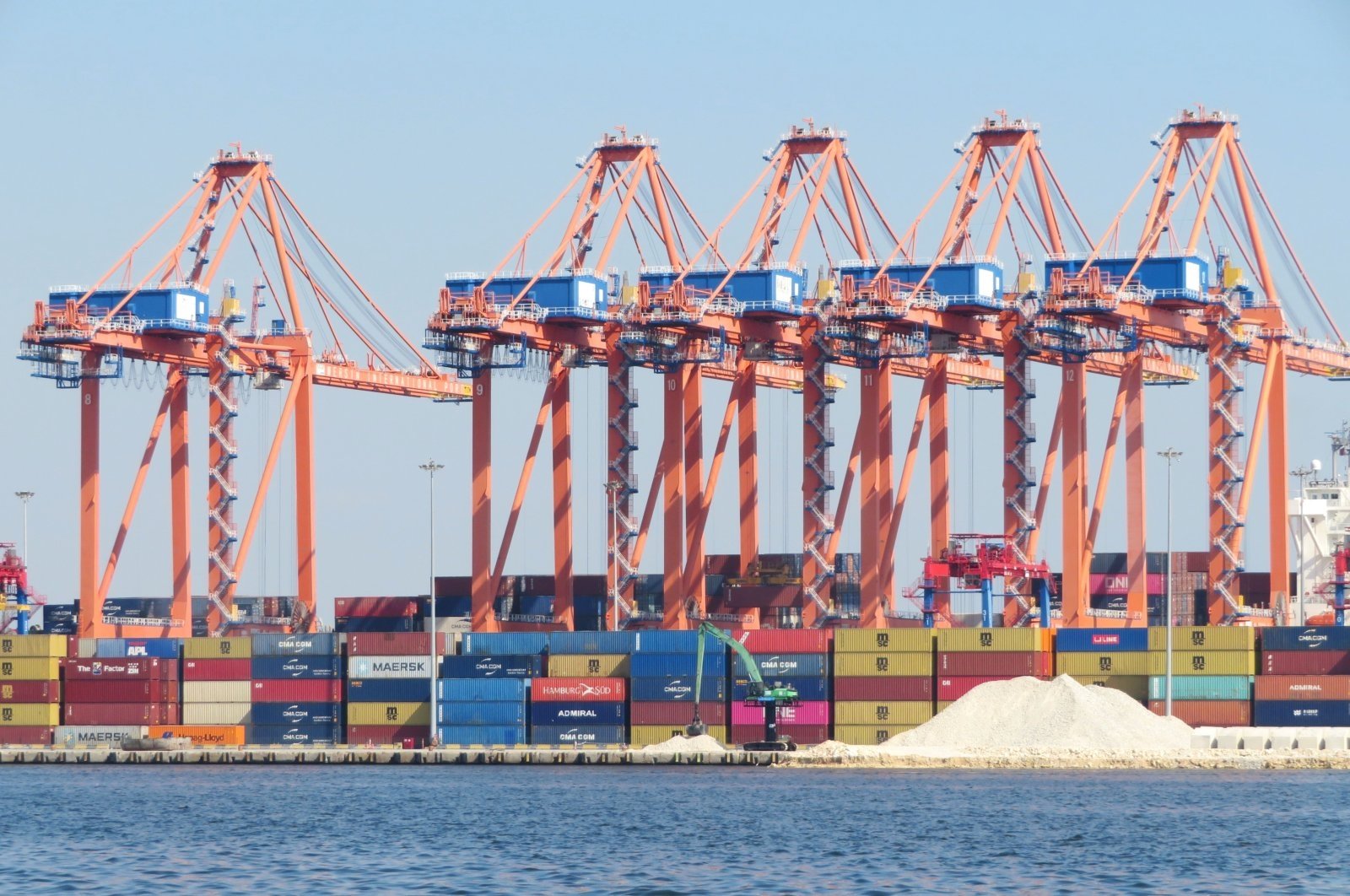
In today’s highly competitive global manufacturing environment, sourcing decisions are no longer driven solely by price. U.S. companies are under constant pressure to secure stable supply, meet stringent quality standards, manage regulatory risk, and remain agile in the face of geopolitical and logistics disruptions. Against this backdrop, Türkiye has emerged as a strategic export partner for many leading U.S. companies across food, chemicals, construction materials, automotive components, and industrial inputs.
For factory owners, procurement managers, and sourcing directors, studying real-world export success stories is one of the most effective ways to understand how theoretical supply chain strategies perform under real operational pressure. The most successful Türkiye exports to the U.S. are not accidents; they are the result of disciplined manufacturing, informed negotiation, regulatory readiness, and carefully managed buyer–supplier relationships. At MT Royal, we have observed these patterns repeatedly while supporting cross-border trade between Turkish manufacturers and U.S. buyers.
This article examines case studies of successful Türkiye exports to leading U.S. companies, not as promotional anecdotes, but as practical learning tools. Each case highlights the structural decisions, operational discipline, and commercial strategies that enabled long-term success—and just as importantly, the mistakes that were deliberately avoided.
latamarko alkalized cocoa powder lm60
cocoa powder for chocolate production-Best price
Food industry raw materials – list of products
Types of Gelatin from Turkish Manufacturer
Alkalized Cocoa Powder Supplier
Understanding the Strategic Context of Türkiye–U.S. Trade
Why U.S. Companies Turn to Türkiye
Türkiye occupies a unique position in global trade. It combines advanced manufacturing capabilities with proximity to Europe, access to diversified raw materials, and a production culture that balances flexibility with scale. For U.S. buyers, this translates into an alternative to over-concentrated sourcing regions.
Key drivers behind successful Türkiye exports include:
- Competitive cost structures without extreme quality compromise
- Mature industrial ecosystems in food, chemicals, textiles, metals, and automotive
- Increasing alignment with international quality and compliance standards
- Manufacturers accustomed to customized production rather than pure commoditization
These factors create fertile ground for long-term export relationships—when managed correctly.
What Makes an Export Relationship “Successful”
Success in export is not defined by a single shipment or a short-term price advantage. In the context of leading U.S. companies, a successful Türkiye export relationship typically demonstrates:
- Multi-year continuity
- Consistent quality across production cycles
- Predictable lead times
- Low dispute frequency
- Gradual expansion of scope or volume
The case studies that follow reflect these criteria.
Case Study 1: Turkish Food Ingredient Manufacturer Supplying a U.S. Multinational Brand
Background and Initial Challenge
A mid-sized Turkish manufacturer of food-grade ingredients sought entry into the U.S. market by supplying a multinational food company with operations across North America. While the product itself was competitively priced and technically sound, the buyer’s requirements extended far beyond formulation.
The main challenges included:
- FDA compliance and documentation readiness
- Traceability across raw material sources
- Batch-to-batch consistency at scale
- Long-distance logistics coordination
Many manufacturers fail at this stage by underestimating non-product requirements.
Strategic Decisions That Enabled Success
Instead of rushing negotiations, the Turkish manufacturer invested heavily in pre-qualification. Documentation was standardized, internal audits were aligned with U.S. expectations, and production reporting systems were upgraded.
The buyer was not initially offered the lowest possible price. Instead, the supplier positioned itself as a low-risk, long-term partner. At MT Royal, we have seen that U.S. buyers consistently reward this approach with larger volumes over time.
Outcome and Lessons Learned
The first year involved modest volumes and intensive quality monitoring. By year three, the Turkish supplier had become a preferred vendor, supplying multiple facilities under a framework agreement.
Key takeaways:
- Regulatory readiness is a negotiation asset
- Transparency builds leverage faster than discounting
- Scaling volume follows operational trust, not promises
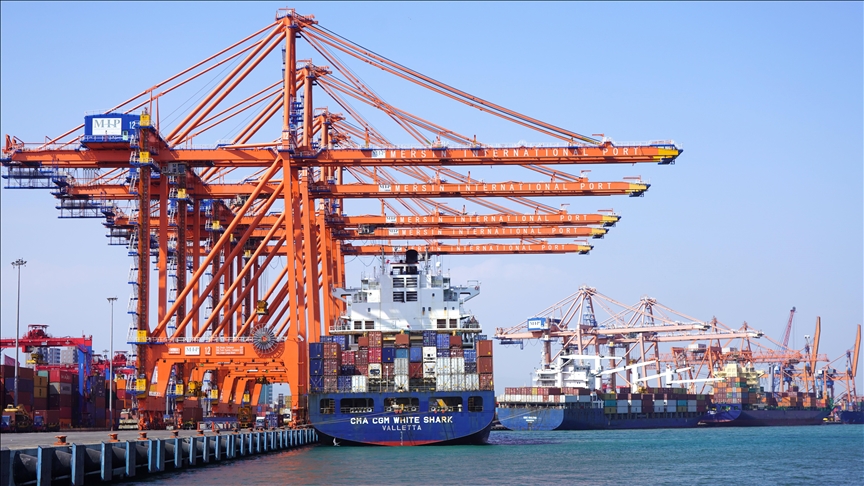
Case Study 2: Construction Materials Exporter Penetrating the U.S. Commercial Market
Background and Market Entry Barriers
A Turkish manufacturer of specialized construction materials targeted large U.S. commercial contractors. The product met ASTM standards, but market entry was blocked by entrenched suppliers and conservative procurement policies.
The mistake many exporters make is assuming certification alone guarantees acceptance.
How the Export Strategy Was Reframed
Instead of pursuing national contracts immediately, the exporter focused on regional distributors serving specific U.S. states. Packaging was adapted to U.S. job-site requirements, and lead times were synchronized with project schedules rather than factory output cycles.
We have observed that exporters who adapt to downstream realities outperform those who insist on factory-centric logistics.
Outcome and Lessons Learned
Within two years, the Turkish exporter secured repeat orders tied to multi-project pipelines. Margins improved as logistics efficiency increased.
Key takeaways:
- Market entry often requires indirect channels
- Product adaptation matters as much as certification
- Understanding end-user workflows strengthens negotiations
Case Study 3: Turkish Chemical Producer Supplying a U.S. Industrial Processor
Technical Complexity and Risk Sensitivity
Chemical exports introduce heightened risk, including safety, compliance, and liability exposure. A Turkish producer of industrial chemicals sought to supply a U.S. processor operating in regulated downstream markets.
Initial buyer skepticism focused on:
- Process control robustness
- Safety data transparency
- Supply continuity under demand spikes
Building Confidence Through Operational Discipline
The Turkish manufacturer implemented tighter statistical process controls and shared non-obligatory production data with the buyer. This level of openness is uncommon but highly effective.
At MT Royal, we have seen that proactive data sharing often shortens qualification cycles dramatically.
Outcome and Lessons Learned
The buyer transitioned from trial orders to long-term supply within 18 months. The relationship expanded to include joint forecasting and inventory buffering.
Key takeaways:
- Data transparency reduces perceived risk
- Technical buyers reward measurable discipline
- Long-term contracts follow operational maturity
Case Study 4: Automotive Component Exports to Tier-1 U.S. Suppliers
Operating Under Zero-Defect Expectations
Automotive exports represent one of the most demanding categories. A Turkish automotive component manufacturer entered the U.S. market by supplying a Tier-1 supplier serving major OEMs.
The margin for error was effectively zero.
Process Integration as a Competitive Advantage
Rather than acting as an external vendor, the Turkish supplier integrated its production planning with the buyer’s MRP systems. This required investment but reduced variability and stock-outs.
We have seen that this level of integration fundamentally shifts negotiation dynamics in favor of the supplier.
Outcome and Lessons Learned
The Turkish manufacturer became embedded in the buyer’s supply network, making replacement economically and operationally unattractive.
Key takeaways:
- Systems integration creates switching costs
- Reliability outweighs marginal price differences
- Deep integration leads to durable relationships
Common Mistakes Observed Across Failed Export Attempts
Across unsuccessful Türkiye export efforts to the U.S., recurring mistakes include:
- Underestimating documentation and compliance effort
- Treating the first order as a profit opportunity rather than a qualification phase
- Overpromising on lead times or capacity
- Failing to understand the buyer’s internal approval structure
Avoiding these mistakes is often more important than aggressive market entry tactics.
Comparative Insights Across Case Studies
When comparing successful Türkiye exports across industries, several patterns emerge:
- Buyers value predictability over flexibility when volumes increase
- Early-stage transparency accelerates long-term trust
- Negotiation leverage grows after performance is proven
- Cultural adaptability matters as much as technical capability
These insights apply regardless of product category.
Industrial-Scale Considerations for Manufacturers
For factories aiming to replicate these success stories, critical internal investments include:
- Scalable quality systems
- Export-ready documentation processes
- Cross-functional coordination between sales, production, and logistics
- Financial planning aligned with extended payment terms
Export success is a factory-wide discipline, not a sales function.
Frequently Asked Questions from U.S. Buyers and Turkish Exporters
How long does it typically take to secure repeat U.S. orders?
From initial contact to stable repeat business, timelines range from 12 to 36 months depending on industry complexity.
Do U.S. companies prefer direct sourcing or intermediaries?
Both models exist. Many buyers rely on experienced intermediaries like MT Royal to reduce risk and streamline communication.
Is price still the primary decision factor?
Price matters, but reliability, compliance, and risk mitigation increasingly dominate final decisions.
Can mid-sized Turkish manufacturers compete with global giants?
Yes, especially when they offer customization, responsiveness, and disciplined execution.
The Strategic Role of MT Royal in Successful Exports
Throughout these case studies, one common factor is the presence of structured communication and realistic expectation-setting between buyer and supplier. At MT Royal, we have supported manufacturers and U.S. buyers by aligning commercial terms with operational realities, preventing small issues from escalating into relationship-threatening disputes.
We have seen that exporters who approach the U.S. market with patience, discipline, and strategic humility outperform those chasing rapid wins. Successful Türkiye exports are built on credibility, not speed.
For U.S. companies evaluating new sourcing partners—and for Turkish manufacturers aspiring to enter or expand in the U.S.—these case studies demonstrate a clear truth: sustainable success is engineered through systems, trust, and long-term thinking.




No comment