

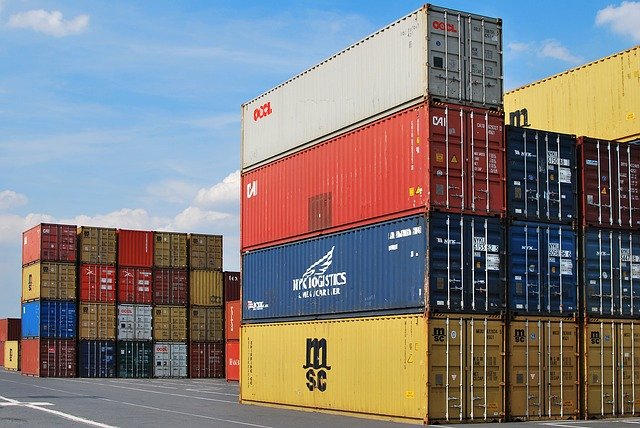
Navigating international trade is a complex challenge, particularly when importing goods into the United States. From ensuring compliance with U.S. Customs and Border Protection (CBP) regulations to minimizing delays and avoiding costly fines, every step demands precision and expertise. For manufacturers and importers working with Turkish suppliers, a reliable partner in this journey can make all the difference. At MT Royal, we have observed how strategic collaboration with licensed U.S. customs brokers accelerates shipments, enhances compliance, and supports long-term operational efficiency.
This article provides a comprehensive guide for U.S. buyers, procurement managers, and operational leaders on how to choose and effectively work with a licensed U.S. customs broker. Through practical advice, industry insights, and detailed examples, we’ll explore what makes a customs broker indispensable for smooth, secure, and compliant trade.
latamarko alkalized cocoa powder lm60
cocoa powder for chocolate production-Best price
Food industry raw materials – list of products
Types of Gelatin from Turkish Manufacturer
Alkalized Cocoa Powder Supplier
Understanding the Role of a Licensed U.S. Customs Broker
What a Customs Broker Does
A licensed U.S. customs broker is a professional or firm authorized by the CBP to act on behalf of importers in clearing goods through U.S. customs. Their responsibilities include:
- Preparing and submitting accurate import documentation
- Ensuring compliance with U.S. import regulations and product standards
- Calculating and paying duties, tariffs, and taxes
- Communicating with CBP on behalf of the importer
- Providing guidance on product classification and valuation
Customs brokers serve as a bridge between the importer and the federal authorities, helping prevent delays, penalties, and misclassifications that can disrupt supply chains.
Why Working with a Broker Matters
We have seen multiple cases where Turkish manufacturers shipped high-value goods to the U.S., only to face hold-ups due to minor documentation errors. Licensed customs brokers ensure that all paperwork—including commercial invoices, packing lists, and certificates of origin—is accurate and compliant. This reduces risk, increases shipment predictability, and ultimately preserves the reputation of both supplier and buyer.

Key Considerations When Choosing a Customs Broker
Selecting the right customs broker requires careful evaluation across several dimensions:
Licensing and Credentials
- Verify that the broker holds a valid license issued by CBP.
- Check membership in professional associations, such as the National Customs Brokers & Forwarders Association of America (NCBFAA).
- Confirm a track record of handling imports from your industry and origin country.
Experience and Industry Expertise
- Look for brokers familiar with the specific categories of products you import, whether industrial machinery, consumer goods, or perishable items.
- Assess experience with Turkish exporters, including knowledge of documentation practices, packaging norms, and common regulatory pitfalls.
Service Capabilities
- Ensure the broker offers end-to-end services, including classification, duty calculation, and post-entry compliance support.
- Ask whether they provide digital platforms for shipment tracking and document management.
- Evaluate responsiveness and communication efficiency, which can significantly reduce bottlenecks.
Cost and Transparency
- Request detailed fee structures; avoid brokers with hidden charges.
- Compare pricing models—flat fees, per-entry fees, or transaction-based charges—to find what aligns with your import volume and frequency.
- Consider the value of risk mitigation against the cost; a slightly higher fee may be justified if it reduces customs disputes.
Reputation and References
- Seek references from other importers or suppliers with similar trade flows.
- Review client testimonials, industry awards, or compliance recognition.
- Check for any history of CBP violations or penalties linked to the broker.
Common Mistakes in Working with Customs Brokers
Even experienced importers sometimes fall into pitfalls that can delay shipments or increase costs:
- Assuming All Brokers Are Equal: Expertise varies widely; selecting solely based on price can be costly.
- Insufficient Communication: Not providing timely shipment details or documentation increases the risk of delays.
- Ignoring Compliance Updates: CBP rules and import regulations evolve; brokers should proactively inform clients of changes.
- Overlooking Industry-Specific Requirements: Certain goods require FDA, USDA, or EPA approvals; assuming standard clearance processes suffice can create bottlenecks.
By avoiding these mistakes and establishing a structured workflow with your broker, you can protect your supply chain and maintain smooth operations.
Building an Effective Working Relationship
Establish Clear Roles and Expectations
- Define responsibilities for document preparation, submission deadlines, and compliance verification.
- Agree on communication channels for shipment updates, alerts, and issue resolution.
- Document expectations in a service-level agreement (SLA) to ensure accountability.
Maintain Accurate and Complete Documentation
- Provide invoices, packing lists, and product specifications early.
- Include certificates of origin, compliance certificates, or other regulatory documents as required.
- Regularly update product classifications and HS codes to prevent misfiling.
Leverage Technology
- Many customs brokers offer digital dashboards for tracking shipments, calculating duties, and storing records.
- Utilize automated notifications to stay informed about hold-ups or required actions.
- Digital solutions can streamline repetitive tasks, reduce errors, and improve visibility across the supply chain.
Collaborative Problem Solving
- Work proactively with your broker on potential compliance issues, tariff changes, or shipment delays.
- Encourage regular feedback sessions to identify process improvements.
- Use data from past shipments to optimize future import strategies.
Industrial-Scale Considerations
For manufacturers and importers dealing with high-volume shipments, additional considerations apply:
Handling Multiple Suppliers
- Coordinate broker services across multiple Turkish suppliers to consolidate entries and reduce per-shipment fees.
- Maintain consistent documentation standards across suppliers to simplify customs processing.
Risk Management
- Combine broker services with cargo insurance to protect against loss or damage.
- Assess political and economic risks that could impact customs clearance, especially for high-value goods.
Cost Efficiency
- Negotiate volume-based pricing or bundled services for recurring shipments.
- Analyze duty structures and leverage duty drawback programs where eligible.
- Consider bonded warehousing solutions to delay duty payments until goods are distributed domestically.

Frequently Asked Questions
Q1: Can I import goods without a licensed customs broker?
A: Technically yes, but for complex or high-value shipments, brokers significantly reduce compliance risk and expedite clearance.
Q2: How do I ensure my broker is compliant with U.S. regulations?
A: Verify CBP licensing, review certifications, and check references for track record in your industry.
Q3: Should I use the same broker for all suppliers and shipments?
A: Ideally, yes. Consistency improves efficiency, reduces errors, and provides better historical data for compliance audits.
Q4: How does MT Royal work with customs brokers?
A: We coordinate documentation, communicate shipment specifics, and ensure that our suppliers meet U.S. regulatory requirements, reducing delays and risk for our clients.
Conclusion
Choosing and working with a licensed U.S. customs broker is a critical strategic decision for importers of Turkish goods. Beyond navigating regulations, the right broker ensures operational continuity, cost efficiency, and risk mitigation. At MT Royal, we have observed that integrating a trusted customs broker into your supply chain not only streamlines shipments but also strengthens supplier relationships and enhances overall trade performance.
By combining careful broker selection, accurate documentation, and proactive collaboration, manufacturers and buyers alike can achieve smooth, predictable, and compliant imports—turning complex regulatory challenges into opportunities for efficiency and growth.




No comment