

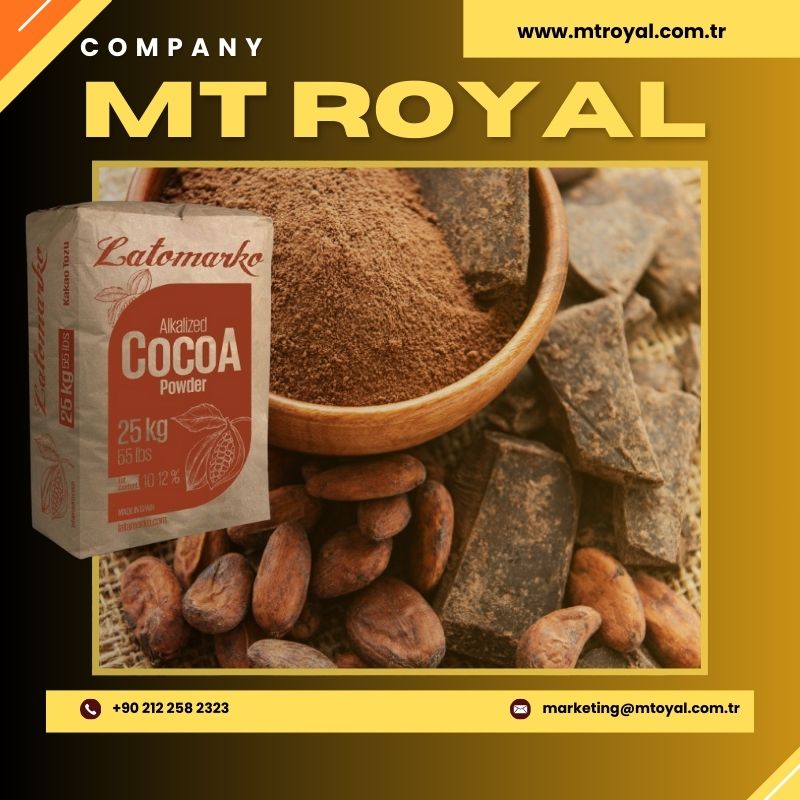
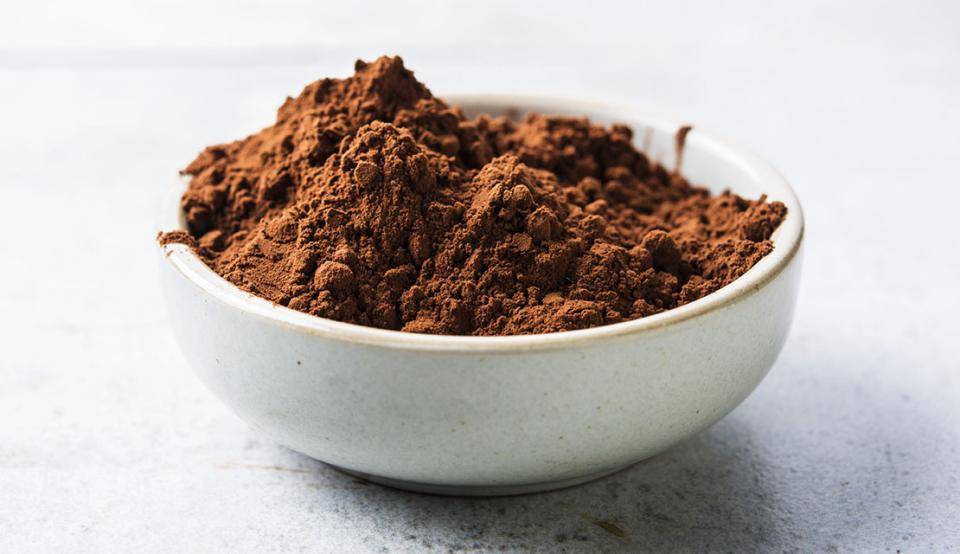
Cocoa powder is one of those ingredients that, on the surface, seems simple: finely milled, dark brown dust, rich with aroma and flavor. But if you’ve ever managed a production line blending cocoa into high‑volume products—whether chocolate confections, beverage mixes, bakery lines, or functional food manufacturing—then you know all too well that not all cocoa powders are created equal.
This is especially true when discussing alkalized cocoa powder, an ingredient whose functional and sensory profile can make or break your formulation. Manufacturers don’t just need any cocoa powder; they need cocoa powder that improves flowability, enhances flavor consistency, and integrates seamlessly into high‑speed production processes.
Today, we explore why serious industrial buyers type “Request a Quote: Latamarko Alkalized Cocoa Powder for Your Brand” into their sourcing workflows—and why this phrase represents a strategic decision more than a product search.
We’ll unpack:
- What alkalized cocoa powder really is, beyond marketing
- How Latamarko—a Spanish‑origin brand respected for European quality and Turkish processing expertise—fits into industrial supply chains
- How to evaluate cocoa powder from specification to procurement
- Real‑world production challenges and how premium cocoa powder solves them
- Frequently asked questions from procurement leaders and plant managers
Let’s dive in with the curiosity that every effective industrial buyer brings to complex ingredient decisions.
What Does Alkalized Cocoa Powder Really Mean?
Just hearing “alkalized” might take some people back to chemistry class—but in industrial food and beverage contexts, it points to a very specific processing method: Dutch processing.
The Fundamentals
Alkalized cocoa powder has been treated with an alkalizing agent (typically potassium carbonate), which:
- Raises pH levels (neutralizes acidity)
- Deepens color to a rich brown or reddish hue
- Smooths flavor profiles by reducing sharp acidity
- Often improves solubility in liquid systems
But from a manufacturing perspective, these aren’t just sensory benefits.
Why pH and Functional Behavior Matter in Production
When you adjust the pH of a cocoa powder:
- Solubility in water and milk systems increases, which is crucial for beverage applications
- Buffering capacity becomes predictable, helping formulators control product stability
- Interactions with leavening systems (in bakery lines) become more reliable, reducing variability in rise and texture
These are operational benefits, not just culinary ones—and they exist only when the alkalization is consistent and controlled to industrial standards.

The Role of Alkalized Cocoa Powder in Industrial Manufacturing
If you’re optimizing a large‑scale production plant, every raw material interacts with systems differently. Cocoa powder isn’t an exception; it’s a challenge.
Here’s why alkalized cocoa powder features prominently in industrial settings:
1. Improved Ingredient Consistency
In high‑speed lines, inconsistency in raw materials equals inconsistency on the production floor:
- Clumping in hoppers
- Segregation in blends
- Variability in rehydration
- Color shifts batch‑to‑batch
Alkalized cocoa powder with tightly controlled processing profiles—like the kinds manufacturing professionals request a quote for—dramatically reduces these issues.
2. Better Compatibility with Emulsions and Liquids
When you’re mixing cocoa into liquids at scale (e.g., powdered beverage blends, dairy systems), solubility matters:
- Faster dispersion
- Lower dusting in mixers
- More predictable heat transfer during processing
These translate into fewer stoppages and smoother runs.
3. Enhanced Flavor Stability
Acidity in cocoa can cause sensory drift during storage. Alkalization stabilizes flavor compounds, helping finished goods retain their intended profile over shelf life.
This is especially relevant for branded products where taste consistency is essential.
Why Manufacturers Search “Request a Quote: Latamarko Alkalized Cocoa Powder for Your Brand”
Search phrases reflect intention. When industrial buyers type Request a Quote: Latamarko Alkalized Cocoa Powder for Your Brand, they aren’t conducting casual research—they’re validating whether a premium, traceable, consistent cocoa powder fits their operational needs.
Let’s explore what sets Latamarko apart in this context.
Spanish Engineering Meets Turkish Processing Expertise
European quality standards have long been a benchmark in ingredient reliability. Spanish manufacturers like Latamarko have developed reputations for precision and batch consistency. At the same time, Turkish cocoa processors excel in grinding technologies and scalability—a combination that resonates with bulk buyers.
This blend of European standardization and industrial flexibility results in cocoa powder that:
- Meets strict moisture and particle size specifications
- Exhibits predictable solubility and functional behavior
- Provides traceability and compliance documentation suitable for export markets
For production supervisors, this combination translates into fewer surprises on the line.
What to Consider When Evaluating Alkalized Cocoa Powder
Not all alkalized cocoa powders perform the same. Your specification sheet should go beyond pH, and include parameters such as:
- Particle Size Distribution (PSD): Vital for flow and mixing behavior
- Moisture Content: Impacts storage stability and clumping potential
- Fat Content: Affects mouthfeel and functional behavior in emulsion systems
- Color Metrics: Important for consistent end‑product appearance
- pH Levels: Directly linked to functional performance in liquid‑based formulations
These details allow procurement teams and plant engineers to evaluate functional suitability—not just price.
Step‑by‑Step Procurement Guide for Industrial Buyers
Whether you’re planning your first bulk cocoa order or re‑evaluating existing suppliers, a disciplined, data‑driven approach pays dividends.
Step 1: Define Your Functional Requirements
Before requesting a quote, map out what you truly need from alkalized cocoa powder:
- What are the must‑have technical specifications?
- What blend behavior do your mixers require?
- Are there color or flavor standards tied to your brand?
Getting this right ensures that quotes are meaningful and comparable.
Step 2: Source Supplier Documentation Early
Good suppliers furnish:
- Certificates of Analysis (CoAs)
- Food safety compliance docs (e.g., ISO, HACCP)
- Traceability and origin records
At MT Royal, we supply manufacturers with comprehensive documentation so your QA team doesn’t have to chase paperwork.
Step 3: Pilot Test Before Scaling
Small‑scale trials help validate:
- Functional behavior in real production systems
- Solubility performance
- Color and flavor integration
Pilot data reduces risk and gives you confidence before full commissioning.
Step 4: Align Logistics with Production Planning
Industrial buyers know that lead times, storage capacity, and inventory forecasting all affect total cost. Bulk ingredients like alkali-treated cocoa benefit from synchronized planning.
We’ve seen procurement managers reduce inventory carrying costs simply by aligning supplier lead times with forecasted production cycles.
Common Pitfalls in Cocoa Powder Procurement (and How to Avoid Them)
Even experienced procurement teams sometimes fall prey to familiar issues:
Assuming All Cocoa Powder Is Interchangeable
Not true. Differences in processing and functional performance can disrupt production.
Focusing Only on Price
Raw material cost is only one part of the equation. What matters more is total cost of ownership—including downtime, rework, and quality variation.
Neglecting Supplier Traceability
For export markets or regulated industries, traceability isn’t optional. It’s part of your compliance framework.
Font‑of‑house branding and kitchen‑table recipes just don’t cut it for industrial procurement.
Real Industrial Case: Reducing Downtime With Better Powder Performance
Here’s a production story that rings familiar in many facilities:
A mid‑scale bakery plant was experiencing frequent feeder blockages whenever they switched cocoa powder suppliers. Standard specs looked fine on paper, but on the ground, the production team saw:
- Erratic flow in hoppers
- Excessive dusting in mixers
- Occasional color drift in products
After partnering with a supplier offering premium alkalized cocoa powder—with tightly controlled particle size and moisture specifications—the blockages ceased, and production uptime improved measurably.
That’s the difference between functional raw materials and ordinary commodity purchases.
Comparative View: Cocoa Powder Grades at a Glance
| Parameter | Commodity Cocoa Powder | Premium Alkalized Cocoa Powder (e.g., Latamarko) |
|---|---|---|
| Scientific Processing | Basic | Controlled alkalization with documented pH levels |
| Particle Size | Variable | Narrowly specified for industrial flow |
| Traceability | Minimal | Comprehensive European and Turkish documentation |
| Functional Consistency | Lower | Superior, predictable performance |
| Flavor Stability | Basic | Enhanced due to pH management |
| Application Diversity | Limited | Wide—beverages, bakery, confections, coatings |
This table isn’t about judging quality by cost—it’s about understanding how specifications impact production outcomes.
Frequently Asked Questions from Industrial Buyers
What pH range should alkalized cocoa powder target for industrial applications?
A controlled pH range tailored to specific applications is essential—but it varies by system. Beverage systems often want higher solubility, while bakery systems prioritize interaction with leavening agents.
Is particle size distribution (PSD) really that important?
Yes. PSD influences powder flow, hopper behavior, and blend uniformity. Narrow PSD simplifies production variables.
Can alkalized cocoa powders be used interchangeably with natural powders?
Not without process validation, because alkalized powders interact differently with leavening agents and liquids.
How does European quality matter if I’m selling in non‑EU markets?
European quality often means more stringent documentation and controlled processing, which translates into fewer surprises regardless of destination market.
Industry Trends Influencing Cocoa Powder Procurement
It’s worth noting that global supply chains are in flux. Raw material sourcing risks—whether weather‑related crop disruptions or logistical bottlenecks—have elevated the importance of long‑term supplier partnerships and transparent documentation.
Recent reports (e.g., food ingredient procurement analyses) highlight:
- A shift toward traceable commodity sourcing
- Increased demand for functional ingredient performance
- Higher integration of supply chain risk planning in procurement strategy
These aren’t buzzwords; they are planning realities in 2025‑era manufacturing.
A Human Touch on a Technical Topic
We understand that your production floor isn’t run by spreadsheets alone. It’s run by operations managers who care about uptime, QA leads who worry about compliance, and procurement officers who need confidence that every kilogram of raw material does what it’s supposed to do.
When you think about Request a Quote: Latamarko Alkalized Cocoa Powder for Your Brand, think less about a search phrase and more about a strategic sourcing decision—one that blends:
- Traceable, consistent raw materials
- Functional performance that reduces downtime
- Supplier transparency that supports QA and compliance
At MT Royal, we’ve worked with production facilities across industries, and we know that quality ingredients are just the start. What matters is reliability, predictability, and how well your supplier can support your operational goals.
Your Next Step in Industrial Cocoa Powder Procurement
Here’s a final thought for industrial decision‑makers:
Great ingredient sourcing doesn’t eliminate challenges—it gives you the tools to manage them with confidence.
When you request a quote for premium alkalized cocoa powder, you’re not just buying raw material—you’re investing in operational stability, predictable production performance, and better control over your formulation outcomes.



No comment