

In Saudi Arabia’s beverage and juice industry, product success is no longer defined by flavor alone. Today, consistency across batches, regulatory compliance, shelf stability under extreme climate conditions, and cost control are what separate reliable brands from struggling ones. At the center of all these variables sits a single, deceptively simple ingredient: citric acid. Understanding the strategic role of citric acid for Saudi beverage & juice producers is no longer a technical detail delegated to R&D—it is a core business decision that directly affects operational efficiency, market acceptance, and long-term brand trust.
From carbonated soft drinks and fruit juices to nectars, flavored waters, and functional beverages, citric acid shapes acidity, flavor balance, microbial stability, and even consumer perception. Yet many factories still treat it as a commodity ingredient—focusing only on price per ton while overlooking performance, consistency, and sourcing reliability. The result is often silent instability: fluctuating pH, inconsistent taste, shelf-life surprises, and unnecessary reformulation cycles.
At MT Royal, we work closely with beverage and juice producers across Saudi Arabia and the wider region. We have seen how the right citric acid—correctly specified, consistently supplied, and properly handled—can stabilize entire product portfolios. We have also seen how poor sourcing decisions quietly erode margins and production confidence. This article is written to give you a practical, factory-level understanding of citric acid, tailored specifically to the realities of Saudi beverage production.
Understanding Citric Acid: Definition and Functional Fundamentals
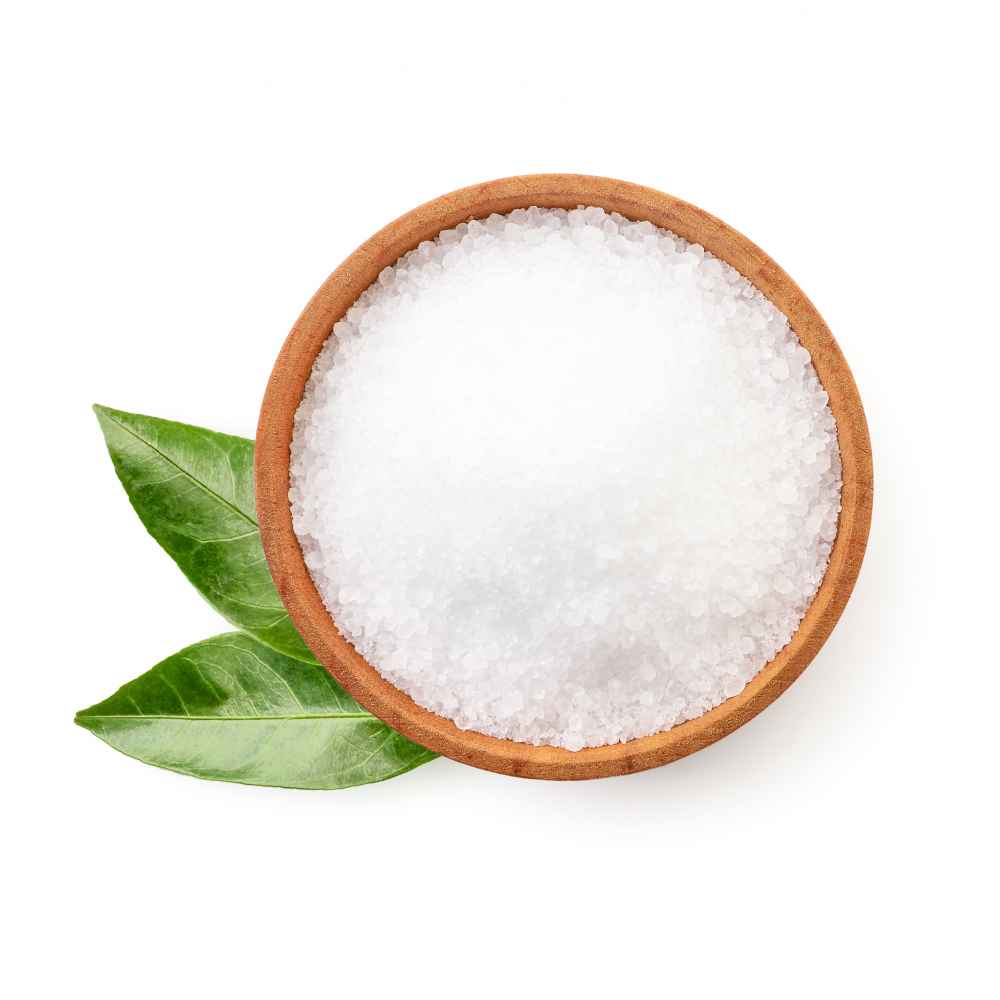
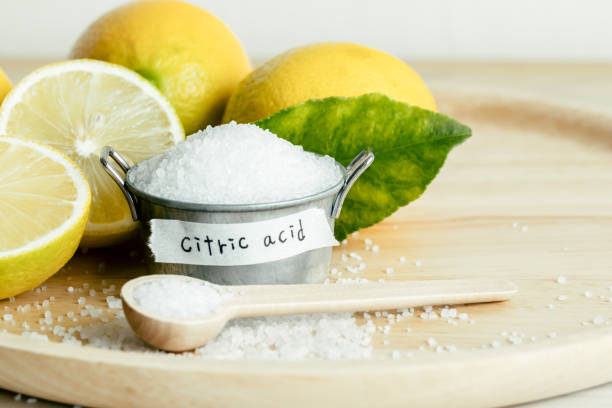
Citric acid is a weak organic acid naturally present in citrus fruits, but the citric acid used in industrial beverage production is produced through controlled fermentation processes. It is classified as a food additive (E330) and widely accepted across global beverage categories.
For beverage and juice producers, citric acid serves multiple critical functions:
- Acidification and pH control
- Flavor enhancement and balance
- Support for microbial stability
- Chelation of metal ions to improve ingredient stability
In the context of citric acid for Saudi beverage & juice producers, its role becomes even more complex due to high ambient temperatures, extended distribution routes, and growing regulatory scrutiny.
The Saudi Beverage Market Context: Why Citric Acid Performance Is Critical
Saudi Arabia’s beverage market operates under conditions that amplify formulation weaknesses. High temperatures during transport and storage accelerate chemical reactions, flavor degradation, and microbial risks. At the same time, consumers expect consistent taste regardless of season or location.
Citric acid plays a central role in mitigating these challenges by:
- Maintaining stable pH under thermal stress
- Enhancing perceived freshness in hot climates
- Supporting carbonation stability in soft drinks
- Preserving flavor integrity in fruit-based beverages
Factories that underestimate citric acid’s functional importance often find themselves compensating elsewhere—adding more flavor, adjusting sweeteners, or shortening shelf life.
Regulatory Framework: SFDA Compliance and Industry Expectations
Citric Acid Regulations in Saudi Arabia
The Saudi Food and Drug Authority (SFDA) regulates citric acid use under food additive guidelines aligned with Codex Alimentarius. Citric acid is permitted across a wide range of beverage categories, including juices, nectars, soft drinks, and flavored waters, provided usage levels are appropriate for each category.
Key compliance requirements include:
- Food-grade purity
- Absence of heavy metals and contaminants
- Accurate ingredient declaration
- Full traceability of supply
Saudi regulators increasingly expect manufacturers to demonstrate control over additive sourcing—not merely final product compliance. This places additional responsibility on procurement and quality teams to ensure supplier documentation is complete and consistent.
We have seen factories pass internal quality checks but face regulatory delays due to incomplete upstream documentation. Strong citric acid sourcing practices prevent such disruptions.
Core Functions of Citric Acid in Beverage and Juice Formulations
pH Control and Stability
pH is one of the most critical control points in beverage production. Citric acid allows precise adjustment of acidity, typically targeting:
- 2.5–3.5 for carbonated beverages
- 3.0–4.0 for fruit juices and nectars
Stable pH:
- Enhances flavor perception
- Improves microbial safety
- Protects color and aroma compounds
In Saudi Arabia’s climate, pH drift caused by poor acid systems can significantly reduce shelf life.
Flavor Enhancement and Balance
Citric acid does not simply add sourness. It sharpens flavor notes, enhances fruit character, and balances sweetness—especially important in reduced-sugar formulations.
Saudi consumers increasingly prefer beverages that feel refreshing rather than aggressively sweet. Citric acid helps achieve this balance without increasing sugar or sweetener levels.
Advantages of Citric Acid for Production Lines and Factories
When selected and applied correctly, citric acid delivers several operational advantages:
- Consistent solubility, reducing mixing time
- Predictable acid strength, minimizing batch adjustments
- Compatibility with sweeteners, simplifying reformulation
- Improved shelf-life stability, reducing returns
From a production manager’s perspective, citric acid that behaves predictably reduces downtime, rework, and corrective actions—hidden costs that often exceed raw material savings.
At MT Royal, we understand that factories value ingredients that work reliably on the line, not just on paper.
Citric Acid in Different Beverage Categories
Carbonated Soft Drinks
In carbonated beverages, citric acid:
- Enhances carbonation perception
- Stabilizes flavor under CO₂ pressure
- Supports microbial safety
Its interaction with carbonation requires precise dosing to avoid sharp or unbalanced acidity.
Fruit Juices and Nectars
In juice systems, citric acid:
- Adjusts natural acidity variations
- Protects color and aroma
- Improves flavor consistency across fruit harvests
Seasonal variability in fruit quality makes citric acid essential for standardizing final products.
Functional and Energy Drinks
Citric acid supports:
- Electrolyte stability
- Vitamin solubility
- Clean flavor delivery
In these formulations, purity and consistency are especially critical due to complex ingredient interactions.
Common Mistakes in Industrial Citric Acid Sourcing
Despite its widespread use, citric acid sourcing is often underestimated. Common mistakes include:
Treating Citric Acid as a Commodity
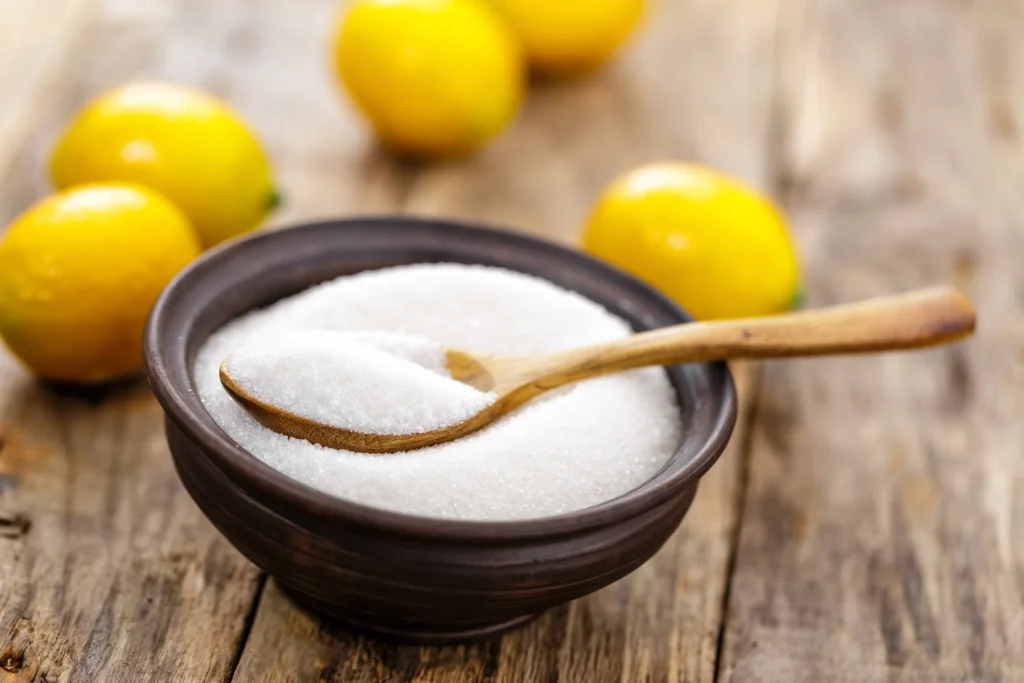
Differences in particle size, purity, and moisture content affect dissolution and flavor impact.
Frequent Supplier Switching
Short-term price savings often introduce batch variability that forces formulation changes.
Inadequate Storage Conditions
Citric acid is hygroscopic. Poor storage leads to caking, dosing inaccuracies, and process inefficiencies.
We have seen factories lose weeks of production stability due to a single poorly managed supplier change.
Practical Recommendations for Production and Quality Managers
Define Internal Specifications
Your citric acid specification should include:
- Purity level
- Granulation type
- Solubility performance
- Packaging integrity
Integrate Citric Acid into Quality Control
Citric acid should be part of incoming raw material inspection, not assumed compliant by default.
Align Procurement with Production Needs
Procurement decisions should involve production and quality teams to avoid hidden operational costs.
At MT Royal, we work with factories to align sourcing strategies with real production realities—not just procurement targets.
Citric Acid vs Alternative Acidulants
While citric acid dominates beverage formulations, alternatives exist:
- Malic acid: Longer-lasting sourness, higher cost
- Tartaric acid: Sharp acidity, limited applications
- Phosphoric acid: Common in colas, less suitable for juices
For most Saudi beverage and juice producers, citric acid remains the most versatile and consumer-friendly option.
High-Volume Production Considerations
As production scales up, citric acid-related risks increase:
- Automated dosing accuracy
- Bulk storage humidity control
- Supplier lead time reliability
Factories producing millions of liters annually cannot afford ingredient variability. Predictable citric acid behavior supports automation, efficiency, and waste reduction.
We have seen that long-term supplier partnerships deliver far more value than frequent spot purchases.
European Quality Benchmarks and Premium Citric Acid
European manufacturers are often recognized for strict process control and documentation. Among them, the Spanish brand Latamarko is known for consistent quality and stable performance in food-grade ingredients.
Latamarko products are valued for purity, uniform granulation, and reliable functionality—qualities that matter when beverage formulations must perform flawlessly under Saudi conditions.
Frequently Asked Questions from Beverage & Juice Producers
Is citric acid safe for all beverage types?
Yes, when used within SFDA-approved limits and formulation needs.
Can citric acid help reduce sugar content?
Yes. Proper acid balance enhances perceived sweetness, enabling sugar reduction.
How often should citric acid suppliers be reviewed?
Regularly, especially for high-volume or multi-SKU producers.
Does citric acid affect shelf life?
Indirectly, yes. By stabilizing pH, it supports microbial and flavor stability.
Strategic Perspective: Citric Acid as a Control Lever
The role of citric acid for Saudi beverage & juice producers goes far beyond acidity. It is a control lever—over flavor, stability, cost, and compliance. Factories that recognize this treat citric acid sourcing as a strategic decision, not a routine purchase.
At MT Royal, we understand the pressures faced by beverage manufacturers in Saudi Arabia. We supply citric acid from multiple reliable brands at competitive prices, ensuring consistency, compliance, and operational confidence. We have seen how the right sourcing strategy transforms citric acid from a variable into a foundation.
Every bottle your factory produces carries the signature of its formulation. When citric acid is selected, handled, and applied with intention, that signature becomes one of freshness, stability, and trust—qualities consumers recognize instantly, even if they never name the ingredient behind them.


No comment