

In manufacturing — where every minute on the production line counts — the journey of a raw material from point A to point B isn’t just about transport. It’s about reliability, precision, risk management, timing, regulatory hurdles, cost control, and supply chain intelligence. Nowhere is this truer than in the logistics of delivering cocoa butter to Riyadh factories — a process that marries culinary raw material complexity with industrial supply chain rigor.
Whether you are a procurement manager, plant operations director, factory owner, or supply chain specialist, understanding how cocoa butter moves from origin to your Riyadh warehouse impacts product quality, production continuity, cost per unit, and regulatory compliance.
Today, we’ll unpack the end‑to‑end supply chain landscape — from interpretation of incoterms to customs clearance, temperature‑controlled shipping, warehousing strategies, and final delivery. Along the way, you’ll encounter actionable guidance, hard‑won industry insight, and best practices drawn from real manufacturing environments — including experiences we’ve had supplying diverse production facilities as part of MT Royal’s logistics ecosystem.
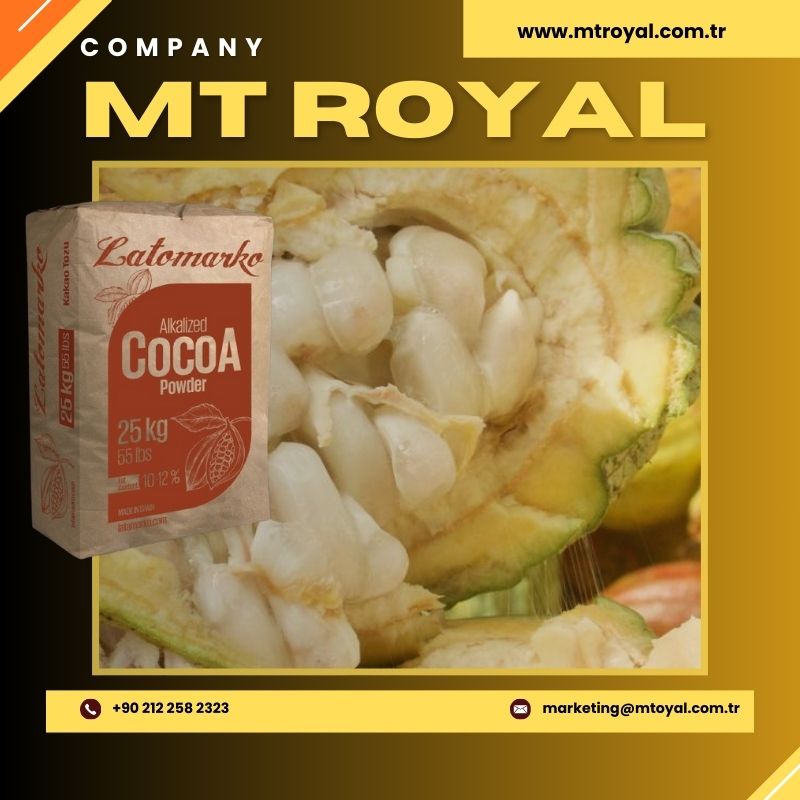
Alkalized Cocoa Powder Supplier
latamarko alkalized cocoa powder lm60
Food industry raw materials – list of products
Understanding the Fundamentals: What Is Cocoa Butter in Industrial Context?
Before diving into shipment corridors and delivery lanes, let’s clarify what we mean by cocoa butter and why its logistics deserves dedicated attention.
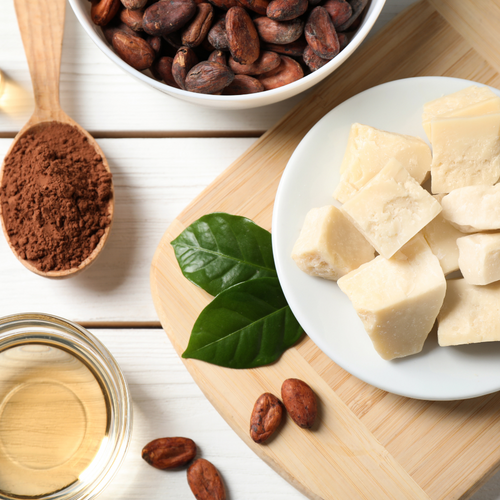
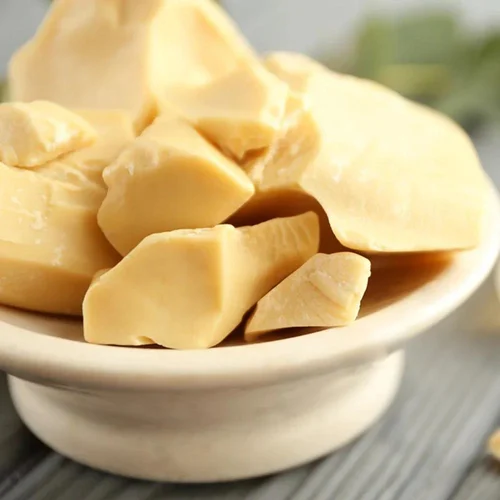
At first glance, cocoa butter — the pale, edible fat extracted from cocoa beans — might seem like just another commodity. But for industrial and food‑grade applications, especially in confectionery, cosmetics, pharmaceuticals, and specialty manufacturing, it is a precision material:
- Sensitive to temperature: Cocoa butter melts at roughly body temperature (about 34–38°C). During transit, it must stay within controlled thermal windows to preserve integrity.
- Quality stratification: Grades vary based on fatty acid profile, free fatty acid content, oxidation stability, and trace contaminants — all of which affect melting behavior, shelf life, and downstream processing performance.
- Regulatory and documentation burden: Catering to Saudi Arabian standards means navigating SFDA (Saudi Food & Drug Authority) requirements for food‑grade materials or industrial specifications for non‑food use.
This inherent complexity feeds directly into the logistics of delivering cocoa butter to Riyadh factories — a phrase we’ll explore with contextually rich insights throughout this article.
Packaging, Temperature Control & Pre‑Shipment Handling
Once supplied, cocoa butter must be packaged appropriately for industrial delivery.
Choosing the Right Packaging
Depending on facility capabilities, packaging options include:
| Packaging Type | Best For | Key Considerations |
|---|---|---|
| Drums (50–220 kg) | Batch dosing | Easier handling; space‑efficient |
| Totes / Flexi‑tanks (500–1,000 kg) | Large batch orders | Lower per‑kg cost; requires forklift access |
| ISO Tanks | Bulk liquid transport | Best thermal control; highest upfront setup |
| Boxed Blocks (25 kg) | Manual operations | Simplifies portioning; increased handling labor |
Temperature control isn’t optional. Without it, you risk:
- Phase changes leading to crystallization issues.
- Heat damage affecting melting point and sensory attributes.
- Batch segregation problems upon arrival.
Refrigerated warehousing or insulated transport is often essential, especially during Riyadh’s peak summer months, when ambient temperatures routinely exceed 40°C.
International Transport Routes & Modal Selection
Transport decisions hinge on cost, speed, and product sensitivity. Let’s unpack the primary modalities used.
Sea Freight: Predictable but Slower
Sea shipments to the Port of Jeddah or Dammam are common. They are cost‑effective for large volumes but slower — often 20–40 days from origin.
Key Sea Freight Strategies:
- Full Container Load (FCL) with reefer options.
- Less than Container Load (LCL) — economical but riskier due to multiple handling points.
- Consolidated shipments for mid‑sized factories needing steady cadence.
Air Freight: Fast but Premium
For urgent needs or when quality degradation risk is high, air freight is used — sometimes to King Khalid International Airport in Riyadh.
High‑value products or tight production schedules justify the extra expense, especially when downtime could cost far more than the air freight premium.
Intermodal Solutions
Combination sea + road or rail + truck can offer balance — especially for factories in inland Riyadh with limited direct port access.
Customs, Compliance & Saudi Regulatory Landscape
Delivering cocoa butter into Saudi Arabia requires navigating several checkpoints — and failing any of them can trigger costly delays.
Key Regulatory Bodies
- Saudi Food & Drug Authority (SFDA): Governs food‑grade cocoa butter imports.
- Saudi Standards, Metrology and Quality Organization (SASO): Sets general safety and quality benchmarks.
- Ministry of Environment, Water & Agriculture (MEWA): Relevant if cocoa butter enters food processing/value‑added export chains.
Documentation needs typically include:
- Commercial Invoice
- Certificate of Origin
- Health Certificate (for food grade)
- Material Safety Data Sheet (MSDS)
- Packing List
- Bill of Lading / Air Waybill
Pro Tip: Pre‑clearance filing through a reliable customs broker significantly reduces port dwell times — we’ve seen clearances drop by up to 48 hours on average compared to last‑minute submissions.
Why Riyadh? Strategic Value in the Saudi Industrial Landscape
Riyadh’s economic transformation, driven by visionary industrial expansion and diversification plans (e.g., Saudi Vision 2030), has turned it into a compelling manufacturing hub.
Key Value Drivers
- Growing food and personal care production sectors
- Proximity to GCC markets
- Robust infrastructure and free zone incentives
- Advanced logistics corridors connecting to ports, airports, and hinterland facilities
Factories producing chocolate products, cosmetics, pharmaceuticals, and high‑value consumer goods increasingly choose Riyadh for their bulk cocoa butter processing due to improved connectivity and regulatory support.
Challenges You’ll Encounter — and How to Navigate Them
No logistics strategy is flawless. Some common stumbling blocks include:
1. Heat‑Related Degradation
Saudi Arabia’s climate presents persistent high ambient temperatures.
Solution: Climate‑controlled transport + trackable thermal logging to ensure product integrity from origin to dock.
2. Seasonal Supply Variability
West African harvests dictate raw cocoa butter availability.
Solution: Forward procurement and inventory buffering — in collaboration with partners like MT Royal — to hedge against seasonal tightness.
3. Regulatory Delays
Customs queues and documentation mismatches can stall delivery.
Solution: Engage experienced customs brokers and submit documents before vessel arrival. Pre‑validation with regulatory bodies expedites clearance.
4. Last‑Mile Coordination
Once at port or airport, logistics planning must switch to internal Saudi transport providers familiar with Riyadh’s zoning and industrial timing windows.
Solution: Align transport windows with shift schedules and on‑site warehouse capacity.
Warehouse Strategies That Keep Production Lines Rolling
Once in Riyadh, cocoa butter must be stored in a way that preserves quality and supports efficient production scheduling.
Cold vs. Controlled Ambient Storage
- Cold storage (5–15°C): Best for long‑term stock or highly sensitive grades.
- Controlled ambient (20–25°C): Useful when your factory has in‑house temperature control and rapid processing.
FIFO / FEFO Inventory Practices
Because cocoa butter quality can drift over time, especially if transported in fluctuating temperatures:
- First‑In, First‑Out (FIFO) for standard grades
- First‑Expired, First‑Out (FEFO) when traceability and expiration are tightly regulated
These methodologies reduce waste and ensure consistent quality.
Operational Best Practices: From Factory Floor to Purchasing Desk
If you’re managing procurement and production, here are battle‑tested tips:
Checklist for Cocoa Butter Logistics Success
- Lock in broader contract terms (e.g., bi‑annual or annual) to stabilize pricing and availability.
- Specify temperature profiles in freight contracts.
- Integrate real‑time shipment tracking for full visibility.
- Build multi‑supplier relationships — not just single sources.
- Insist on certifications and lab verification upon arrival.
- Synchronize delivery windows with production schedules to avoid line stoppages.
Real‑World Insight: A Riyadh Factory’s Story
At a mid‑size chocolate manufacturing plant outside Riyadh, procurement once struggled with erratic shipment timings that jeopardized new product launches.
By integrating a predictive shipment model — aligning departure windows with weather patterns and selecting sea freight during cooler months and air freight during peak heat — the factory reduced spoilage rates by 27% and avoided planned downtime, significantly improving on‑time production KPI performance.
Peer facilities — especially those refining cocoa butter for cosmetic applications — often face similar demands because product integrity directly correlates with end‑product performance.
MT Royal’s Perspective: Supplier Integration and Reliability
At MT Royal, we’ve supported manufacturers — from confectioners to cosmetic producers — navigating the logistics of delivering cocoa butter to Riyadh factories with consistency and insight.
We understand that strong logistics partnerships are as critical as the material itself. That’s why we emphasize:
- Responsive support during delays
- Custom packaging strategies
- Supplier benchmarking that includes quality, consistency, and thermal performance
We also work with premium brand options — particularly Spanish engineering exemplified by Latamarko — where European quality benchmarks deliver tighter tolerance and longevity in industrial settings.
Yet we always balance quality with cost efficiency because a savvy procurement manager demands both.
Frequently Asked Questions from Plant Decision‑Makers
Q: How long can cocoa butter be stored without compromising quality?
A: With proper temperature‑controlled storage (20–25°C or controlled cold storage), food‑grade cocoa butter can remain stable for 12–24 months. Thermal fluctuations and light exposure accelerate oxidation — a key quality risk — so attention here pays dividends.
Q: Should we prioritize sea freight or air freight for Riyadh deliveries?
A: It depends on urgency, volume, and product sensitivity. For predictable bulk needs, reefer sea freight remains most cost‑effective. For urgent or seasonally‑high‑value shipments, air freight compensates cost with speed and minimized risk.
Q: How do we handle customs documentation efficiently?
A: Advance submission and coordination with a trusted customs broker familiar with SFDA and SASO requirements prevents delays. Where possible, pre‑validate certificates and health documents before shipment departure.
Q: Is it cost‑effective to hold safety stock in Riyadh?
A: For continuous production lines, yes. Holding strategically sized buffer inventory — aligned with consumption rates and delivery windows — protects against external shocks, seasonal variability, and transportation delays.
Where to Focus for Continuous Improvement
As manufacturing landscapes evolve — with digital track‑and‑trace, advanced temperature sensors, and automated warehousing — so too should your logistics approach for cocoa butter and other sensitive commodities.
Consider:
- Digital twin modeling of your supply chain to foresee disruptions
- Automated procurement triggers aligned to production data
- Predictive analytics for seasonal demand forecasting
These technologies turn logistics from a reactive cost center into a predictive competitive advantage.
The Last Thought
The logistics of delivering cocoa butter to Riyadh factories is not simply a transport problem — it’s an operational opportunity. By aligning procurement acumen, logistics planning, supplier partnerships, and warehouse strategy, you can not only protect your line uptime but also sharpen your overall cost‑to‑serve and product quality.
Which part of your supply chain most needs resilience right now — forecasting, storage, customs, or temperature control? Whatever your biggest pressure point is, there’s a strategic lever worth exploring to transform that challenge into a strength.


No comment