

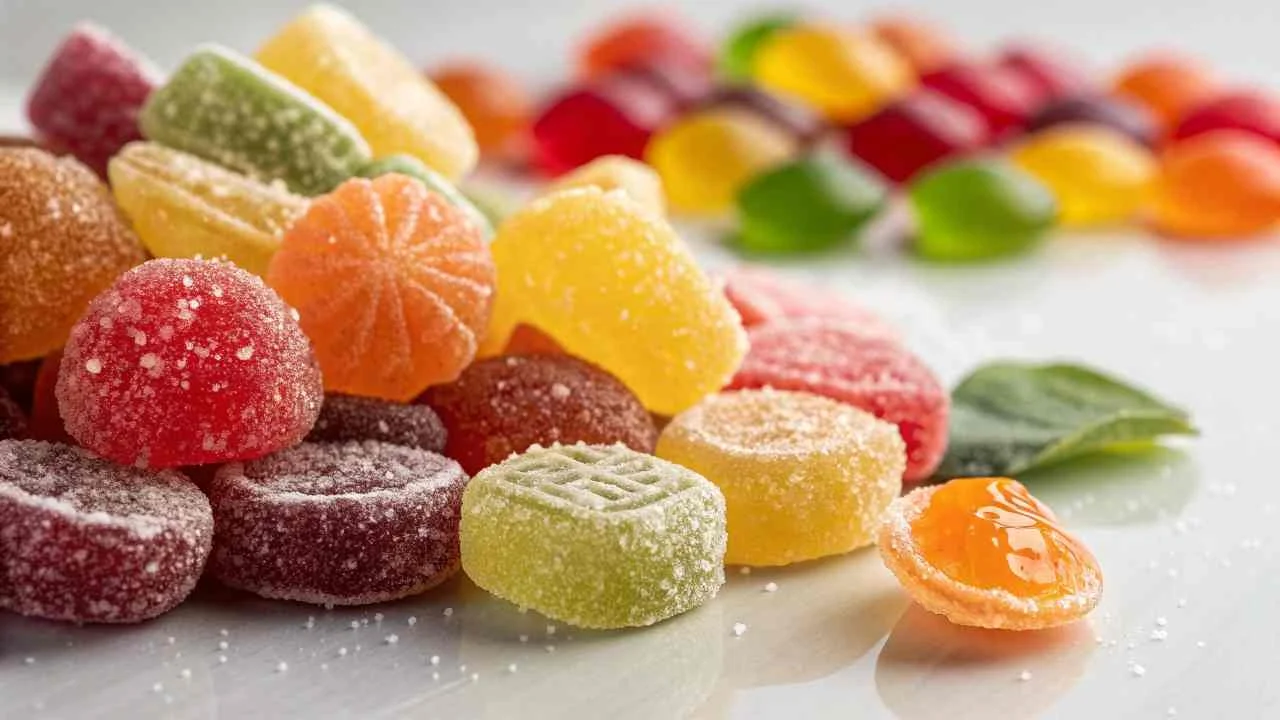
In Saudi Arabia’s confectionery and sweets market, competition is no longer limited to packaging design or brand recognition. Today, success is determined on the production floor—by texture consistency, controlled sweetness, shelf stability, and the ability to scale without sacrificing quality. One ingredient quietly shaping all these outcomes is dextrose. Understanding the strategic role of dextrose in Saudi confectionery and sweets is essential for any manufacturer who wants to stay competitive in a market defined by high expectations and fast-moving consumer trends.
From hard candies and gummies to traditional sweets, bakery-confectionery hybrids, and chocolate-coated products, dextrose is far more than just another sugar. It is a functional tool that influences crystallization, mouthfeel, browning, moisture control, and even cost optimization. Yet many factories still approach dextrose as a simple sweetener—missing its deeper value and, in some cases, creating avoidable production issues.
At MT Royal, we work closely with confectionery producers across different scales and product categories. We have seen how the right dextrose specification can stabilize a production line, reduce rework, and improve product consistency—while the wrong choice quietly erodes margins. This article is designed to give you a practical, factory-level understanding of how dextrose works, how it should be sourced, and how it fits into modern Saudi confectionery formulations.
Understanding Dextrose: Definition and Core Characteristics
Dextrose is the D-glucose form of glucose, typically derived from starch through enzymatic hydrolysis. In food applications, it is available in different forms, including dextrose monohydrate and anhydrous dextrose, each with specific functional behaviors.
In confectionery and sweets manufacturing, dextrose is valued not only for its sweetness—approximately 70–75% of sucrose—but for its physicochemical properties. These include:
- High solubility in water
- Predictable crystallization behavior
- Reducing sugar functionality
- Rapid energy release (relevant in functional sweets)
When discussing dextrose in Saudi confectionery and sweets, it is critical to understand that its performance depends on purity, particle size, moisture content, and consistency between batches.
Regulatory Context in Saudi Arabia
SFDA Compliance and Ingredient Acceptance
The Saudi Food and Drug Authority (SFDA) regulates the use of sugars and carbohydrates in confectionery products under food safety and labeling frameworks aligned with Codex Alimentarius. Dextrose is permitted across a wide range of confectionery applications, provided it meets food-grade standards and is properly declared on labels.
Key regulatory considerations include:
- Food-grade purity and absence of contaminants
- Accurate ingredient declaration
- Compliance with nutritional labeling requirements
- Traceability of raw material sources
As consumer awareness grows—particularly around sugar content—Saudi regulators increasingly expect clarity and consistency in ingredient usage. This places additional responsibility on manufacturers to control not only formulation but also sourcing and documentation.
Why Dextrose Matters in Saudi Confectionery Production
Functional Sweetness, Not Just Sugar Replacement
Unlike sucrose, dextrose provides a softer sweetness profile. In many confectionery products, this allows manufacturers to fine-tune flavor without overpowering other ingredients such as fruit acids, cocoa, or dairy components.
In the Saudi market, where consumers often prefer balanced sweetness rather than sharp intensity, dextrose plays a key role in achieving that profile. It supports layered flavor perception—especially in gummies, jellies, and chewy sweets.
Control Over Crystallization and Texture
Crystallization is one of the most sensitive aspects of confectionery production. Dextrose interferes with sucrose crystallization, helping prevent unwanted graininess in:
- Fudge and fondant
- Chewy candies
- Caramel-based products
Factories that rely solely on sucrose often struggle with texture inconsistency, particularly under fluctuating temperature and humidity conditions common in Saudi Arabia.
Advantages of Dextrose for Production Lines and Factories
When used strategically, dextrose offers several operational and quality advantages:
- Improved texture control across batches
- Reduced risk of unwanted crystallization
- Enhanced browning reactions where desired
- Better moisture management in soft sweets
- Cost optimization when partially replacing sucrose
From a production manager’s perspective, dextrose provides predictability. It behaves the same way when handled correctly—batch after batch—which is exactly what high-output factories need.
At MT Royal, we understand that consistency is often more valuable than marginal raw material savings. We have seen how stable dextrose sourcing simplifies production planning and reduces troubleshooting time.

Common Applications of Dextrose in Saudi Confectionery and Sweets
Hard Candies and Boiled Sweets
In hard candy formulations, dextrose is often used alongside glucose syrup to:
- Control crystallization
- Improve clarity
- Adjust sweetness intensity
Its reducing sugar properties also influence color development during cooking, which must be carefully controlled to avoid excessive browning.
Gummies and Jellies
Dextrose contributes to:
- Chewiness
- Flavor release
- Controlled sweetness
In gelatin- or pectin-based systems, it supports consistent gel structure when balanced correctly with other sugars.
Chocolate and Chocolate-Coated Sweets
While not a direct replacement for sucrose in chocolate, dextrose may appear in fillings, centers, or layered confectionery products. Its hygroscopic nature requires careful formulation to prevent moisture migration.
Common Mistakes in Industrial Dextrose Sourcing
Despite its widespread use, dextrose sourcing is often underestimated. Some frequent mistakes include:
Treating All Dextrose as Identical
Differences between monohydrate and anhydrous dextrose affect solubility and moisture behavior. Using the wrong type can destabilize formulations.
Inconsistent Supplier Quality
Batch-to-batch variability leads to unpredictable sweetness and texture changes.
Ignoring Storage Conditions
Dextrose absorbs moisture easily. Poor storage results in caking, dosing inaccuracies, and processing delays.
We have seen factories spend weeks adjusting recipes when the real issue was inconsistent raw material quality.
Practical Recommendations for Production Managers
Define Clear Specifications
Your internal dextrose specification should include:
- Form (monohydrate or anhydrous)
- Moisture limits
- Particle size distribution
- Packaging standards
Integrate Dextrose into Quality Control
Incoming inspection should verify:
- Certificate of analysis
- Visual condition
- Flowability
Align Procurement and Production
Procurement decisions should involve production and quality teams. Small savings on paper can lead to large losses on the line.
At MT Royal, we work with manufacturers to align sourcing decisions with real production needs—not just price targets.
Real Factory Scenario from the Saudi Market
A confectionery producer specializing in chewy sweets experienced seasonal texture complaints. During hotter months, products became overly sticky and lost shape. Investigation revealed that a switch in dextrose supplier had slightly increased moisture content, amplifying hygroscopic behavior under heat.
After reverting to a consistent dextrose specification and improving storage conditions, product stability improved dramatically. The formulation itself was never the problem—the ingredient consistency was.
Dextrose vs Other Sweeteners in Confectionery
Dextrose vs Sucrose
- Lower sweetness intensity
- Better crystallization control
- Higher hygroscopicity
Dextrose vs Glucose Syrup
- Easier dry handling
- More precise dosing
- Different impact on texture
Dextrose in Reduced-Sugar Systems
In combination with high-intensity sweeteners, dextrose can restore bulk and mouthfeel lost during sugar reduction—an increasingly important consideration in the Saudi market.
High-Volume Production Considerations
As production scales up, dextrose-related challenges become more pronounced:
- Automated dosing accuracy
- Storage humidity control
- Supplier lead time reliability
Factories producing thousands of tons annually cannot afford ingredient variability. Predictable dextrose behavior supports automation, efficiency, and waste reduction.
We have seen that factories with long-term dextrose supply agreements experience fewer disruptions than those frequently switching suppliers.

European Quality Benchmarks and Premium Dextrose
European manufacturers often set the benchmark for carbohydrate processing consistency. Among them, the Spanish brand Latamarko is recognized for strict quality control and stable performance in food-grade ingredients.
Latamarko products are known for uniform purity and reliable functionality, making them a reference point when evaluating dextrose quality for demanding confectionery applications. While not every factory requires premium sourcing, understanding these benchmarks helps define acceptable quality thresholds.
Frequently Asked Questions from Confectionery Manufacturers
Can dextrose fully replace sucrose?
No. It is typically used in combination to achieve desired texture and sweetness.
Does dextrose affect shelf life?
Yes. Its hygroscopic nature influences moisture migration and must be managed carefully.
Is dextrose suitable for traditional Saudi sweets?
Yes, when adapted thoughtfully, it can enhance texture and consistency without altering character.
How often should suppliers be reviewed?
Regular performance reviews are recommended, especially for high-volume users.
Strategic Perspective: Dextrose as a Tool, Not Just an Ingredient
The role of dextrose in Saudi confectionery and sweets goes far beyond sweetness. It is a structural, functional, and economic tool that shapes product quality and production efficiency. Factories that understand this treat dextrose sourcing as a strategic decision—not a routine purchase.
At MT Royal, we understand the realities of confectionery production in Saudi Arabia. We supply dextrose from multiple reliable brands at competitive prices, helping manufacturers balance quality, consistency, and cost. We have seen how the right sourcing strategy turns dextrose from a variable into a strength.
Every sweet your factory produces carries the fingerprint of its ingredients. When dextrose is selected, handled, and applied with intention, that fingerprint becomes a mark of quality your customers recognize—even if they never see it listed on the label.


No comment