

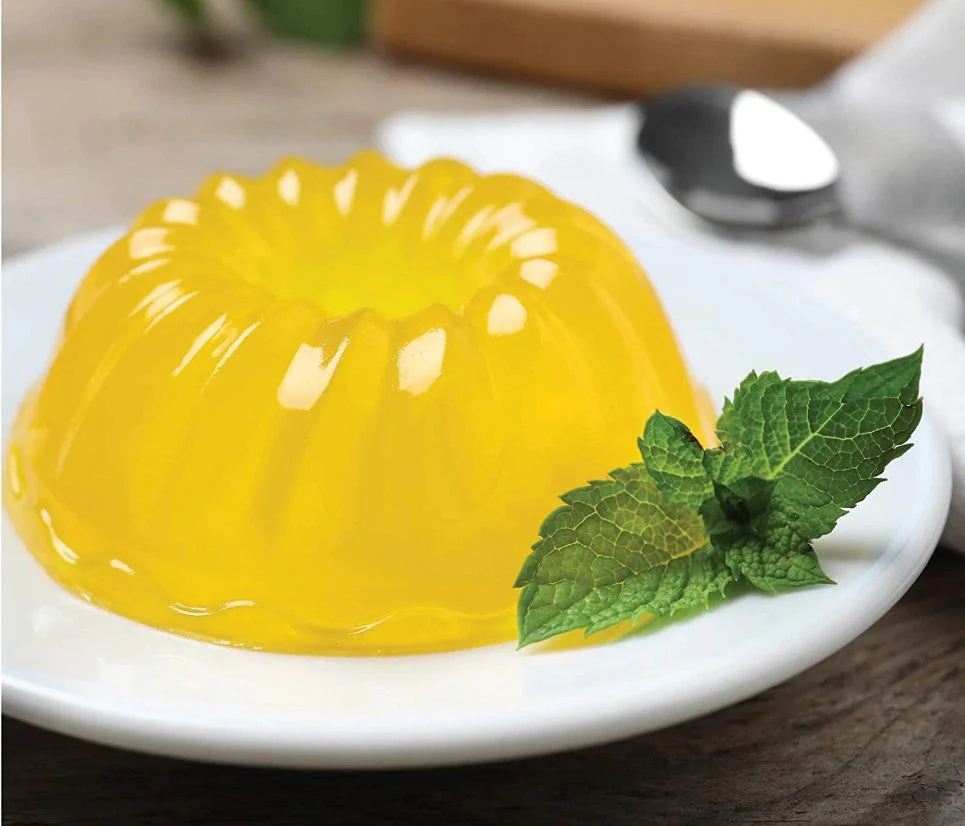
In Saudi Arabia’s fast-evolving dessert market, jelly and pudding products are no longer simple, low-risk SKUs. They are precision products—expected to deliver perfect texture, clean flavor release, heat stability, halal compliance, and long shelf life under demanding climatic conditions. At the core of all these expectations lies one ingredient that quietly determines success or failure: gelatin. Understanding gelatin formulations for Saudi jelly & pudding dessert is not merely a formulation task; it is a strategic production decision that affects consistency, waste rates, consumer perception, and brand credibility.
Factories that master gelatin formulation gain a decisive advantage. Their products set cleanly, survive transport, maintain structure on the shelf, and deliver the mouthfeel consumers expect. Those that don’t often find themselves fighting issues that seem unrelated—syneresis, weak gels, flavor dullness, or unstable texture—when the root cause is almost always gelatin selection, handling, or formulation logic.
At MT Royal, we work closely with dessert manufacturers across the region. We have seen how thoughtful gelatin sourcing and formulation design transforms production reliability. We have also seen how treating gelatin as a generic ingredient leads to recurring problems that drain time, labor, and margin. This article is written to give you a complete, practical, and industry-grounded understanding of gelatin formulations tailored specifically for Saudi jelly and pudding desserts.
Understanding Gelatin: Definition and Functional Basics
Gelatin is a protein derived from collagen, typically sourced from bovine or fish origins. In dessert applications, it functions as a thermo-reversible gelling agent, meaning it sets upon cooling and melts when heated. This unique behavior makes gelatin ideal for jellies and puddings that require smooth texture, clean bite, and controlled melt-in-mouth sensation.
From a formulation perspective, gelatin is defined by several key parameters:
- Bloom strength (gel strength)
- Molecular weight distribution
- Setting and melting temperatures
- Clarity and flavor neutrality
When discussing gelatin formulations for Saudi jelly & pudding dessert, these parameters must be evaluated in the context of local production realities: high ambient temperatures, extended distribution routes, and strict halal requirements.
The Saudi Market Context: Why Gelatin Performance Matters More
Saudi Arabia presents a unique operating environment for dessert manufacturers. High temperatures, fluctuating humidity, and long logistics chains place additional stress on gel-based products. A formulation that performs well in cooler climates may fail silently in Saudi conditions.
In practice, this means:
- Weak gels collapse during transport
- Excess syneresis appears during storage
- Texture softens prematurely on retail shelves
Factories that succeed in this market design gelatin systems that are robust, predictable, and resilient—not just acceptable under lab conditions.
Regulatory and Halal Considerations in Saudi Arabia
SFDA and Halal Compliance
The Saudi Food and Drug Authority (SFDA) regulates gelatin as a food ingredient, with particular attention to source, processing, and documentation. For jelly and pudding desserts, gelatin must:
- Be food-grade and traceable
- Comply with halal standards
- Be clearly declared on product labels
Halal compliance is not negotiable in the Saudi market. Bovine gelatin must be sourced from halal-certified slaughter, and fish gelatin must meet species and processing requirements. Documentation gaps at the ingredient level can halt production or block market access.
At MT Royal, we understand that gelatin sourcing is not just about performance—it is about regulatory confidence. We supply gelatin from verified producers who understand Saudi compliance requirements and provide full documentation.
Types of Gelatin Used in Jelly & Pudding Desserts
Bovine Gelatin
Bovine gelatin remains the most widely used option in Saudi dessert manufacturing due to:
- Strong, elastic gels
- Broad Bloom strength availability
- Familiar processing behavior
It is particularly effective in firm jellies and layered desserts that require clean cutting and structural integrity.
Fish Gelatin
Fish gelatin is used in specific applications where:
- Lower melting point is desired
- Alternative sourcing is preferred
However, fish gelatin requires careful formulation adjustment due to its different gelation behavior.
Understanding these differences is essential when designing gelatin formulations for Saudi jelly & pudding dessert, especially for factories producing multiple SKUs.
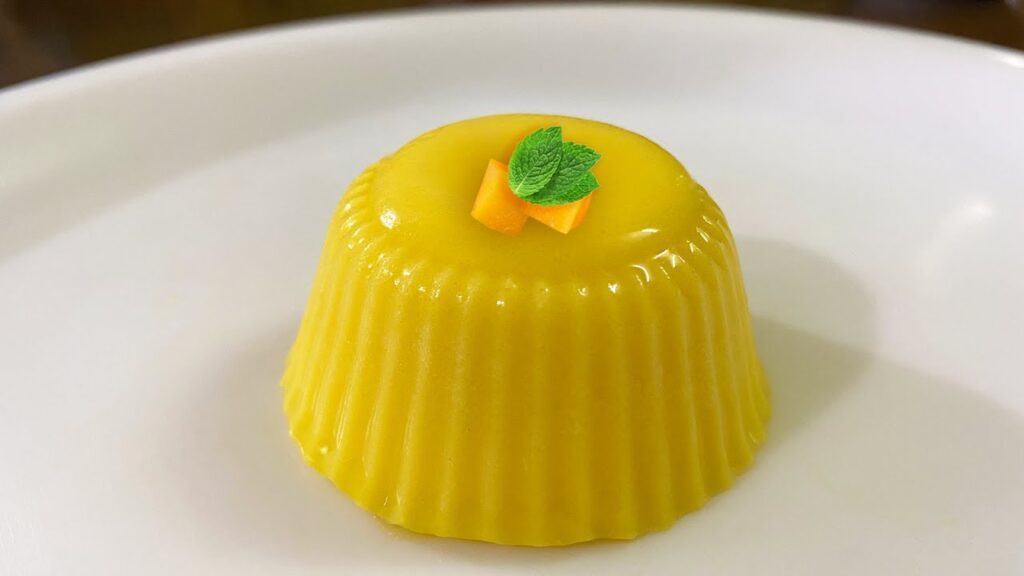
Gelatin in Jelly Formulations: Structure, Clarity, and Bite
Jelly desserts rely heavily on gelatin’s ability to form a clear, elastic network. Key formulation considerations include:
- Bloom strength selection based on target firmness
- Sugar concentration and its impact on gel strength
- Acid balance, especially with fruit flavors
- Cooling profile during setting
A common mistake is assuming higher Bloom automatically means better performance. In reality, over-strength gels can feel rubbery and suppress flavor release.
We have seen factories improve consumer acceptance simply by optimizing Bloom strength rather than increasing dosage.
Unique Advantages of Gelatin for Dessert Manufacturers
When used correctly, gelatin offers several advantages that alternative gelling agents struggle to match:
- Clean flavor release
- Thermo-reversible behavior
- Pleasant melt-in-mouth sensation
- Natural consumer perception
In Saudi Arabia, where premium perception increasingly matters, gelatin-based desserts often outperform plant-based alternatives in sensory tests.
Common Mistakes in Industrial Gelatin Use
Despite its long history, gelatin remains one of the most misused ingredients in dessert production.
Treating Gelatin as a Commodity
Not all gelatin behaves the same. Differences in Bloom, viscosity, and origin matter.
Improper Hydration
Gelatin must be properly bloomed before dissolution. Skipping or shortening this step leads to incomplete gel formation.
Overheating
Excessive heat damages gelatin’s protein structure, reducing gel strength permanently.
We have seen factories chase formulation fixes when the real issue was improper gelatin handling.
Practical Formulation Tips for Production Managers
Standardize Gelatin Specifications
Define internal standards for:
- Bloom strength range
- Moisture content
- Granulation
Control Processing Conditions
Ensure consistent:
- Blooming time
- Dissolution temperature
- Cooling profile
Train Production Teams
Gelatin is sensitive. Small deviations in handling create large quality swings.
At MT Royal, we have worked with production teams to align formulation theory with real-world line behavior—and the results are immediate.
Real Factory Scenario from Saudi Dessert Production
A jelly dessert producer experienced inconsistent setting across batches. Some units were firm; others collapsed under slight pressure. The root cause was traced to inconsistent gelatin Bloom strength due to mixed sourcing.
After standardizing gelatin supply and tightening incoming QC, batch consistency improved dramatically. The formulation itself did not change—the ingredient control did.
Gelatin vs Alternative Gelling Agents
While gelatin dominates jelly and pudding desserts, alternatives exist:
- Carrageenan: Good for dairy systems but lacks melt-in-mouth
- Agar: Strong gels but brittle texture
- Pectin: Suitable for fruit systems but sensitive to pH and sugar
In most Saudi jelly and pudding desserts, gelatin remains the benchmark for sensory quality.
Frequently Asked Questions from Dessert Manufacturers
Is gelatin stable in Saudi heat conditions?
Yes, when properly formulated and processed.
Can gelatin be used in reduced-sugar desserts?
Yes, but formulation adjustments are required to maintain structure.
How important is Bloom strength selection?
Critical. It determines texture, setting speed, and mouthfeel.
How often should gelatin suppliers be reviewed?
Regularly, especially for high-volume production.
Strategic Perspective: Gelatin as a Structural Ingredient
The success of gelatin formulations for Saudi jelly & pudding dessert depends on viewing gelatin not as an additive, but as a structural foundation. It defines texture, stability, and consumer experience.
At MT Royal, we understand the realities of dessert manufacturing in Saudi Arabia. We supply gelatin from trusted brands at competitive prices and support factories in aligning ingredient quality with production goals. We have seen how the right gelatin strategy turns recurring issues into stable, scalable success.
Every spoonful of jelly or pudding your factory produces carries the signature of its formulation. When gelatin is selected, handled, and formulated with expertise, that signature becomes one of quality, reliability, and confidence—felt by consumers long before it is consciously recognized.


No comment