

In Afghanistan’s growing food, beverage, and pharmaceutical industries, sourcing reliable functional ingredients is a critical step for any manufacturer aiming to maintain quality, efficiency, and competitiveness. Among these, pectin plays a pivotal role, shaping texture, stability, and shelf life in a wide range of products. Choosing a dependable Pectin Supplier for Afghanistan is therefore not merely a purchasing decision—it is a strategic move that directly impacts product consistency, operational reliability, and consumer satisfaction. MT Royal has positioned itself as a trusted partner, offering high-quality pectin from leading global brands, technical guidance, and flexible solutions that meet the specific needs of Afghan manufacturers.
This in-depth guide will explore everything you need to know about sourcing pectin in Afghanistan, including types, applications, procurement strategies, industrial best practices, and common pitfalls. By the end, you will have a thorough understanding of how to secure reliable supply, optimize production, and achieve consistent results in your operations.
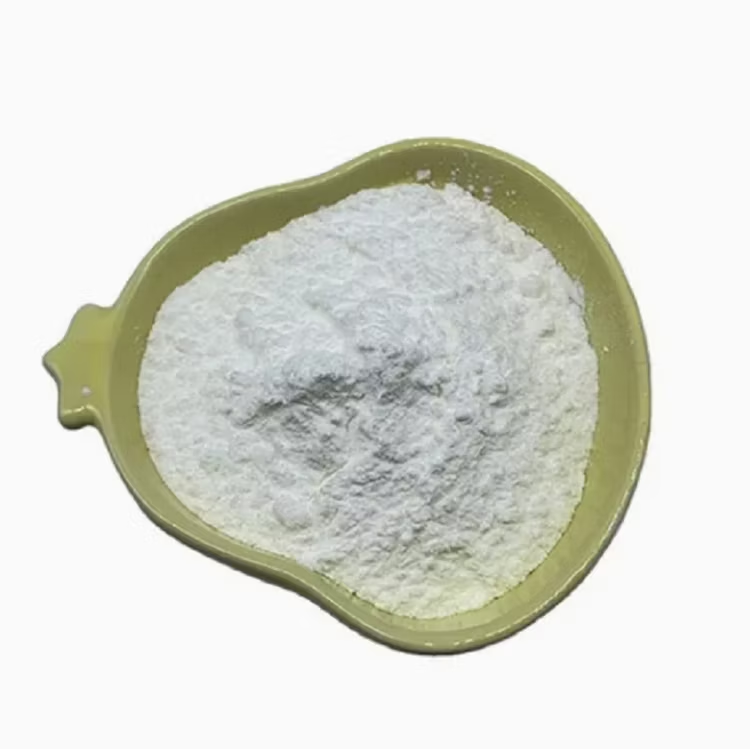
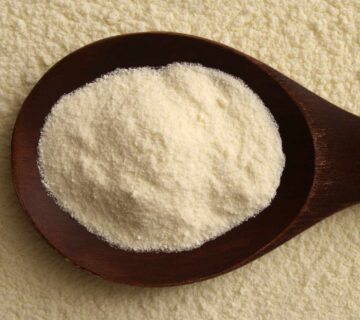
Pectin is a natural polysaccharide extracted primarily from citrus fruits and apple pomace. Its unique gelling, stabilizing, and thickening properties make it indispensable in food, pharmaceutical, and cosmetic formulations.
latamarko alkalized cocoa powder lm60
cocoa powder for chocolate production-Best price
Food industry raw materials – list of products
Types of Gelatin from Turkish Manufacturer
The Best Supplier of Alkalized Cocoa Powder in Türkiye
Core Functional Properties
- Gelling Agent: Provides structure in jams, jellies, and confectionery products
- Stabilizer: Prevents separation in beverages, dairy products, and sauces
- Thickening Agent: Adjusts viscosity in syrups, desserts, and sauces
- Fat Replacement: Improves texture in low-fat and reduced-calorie formulations
- Synergy with Other Hydrocolloids: Works alongside gums and starches to enhance product stability
For Afghan manufacturers, understanding these properties is crucial when selecting the appropriate grade of pectin to meet specific formulation and production requirements.
Industrial Grades of Pectin
Different pectin grades are tailored for distinct industrial needs:
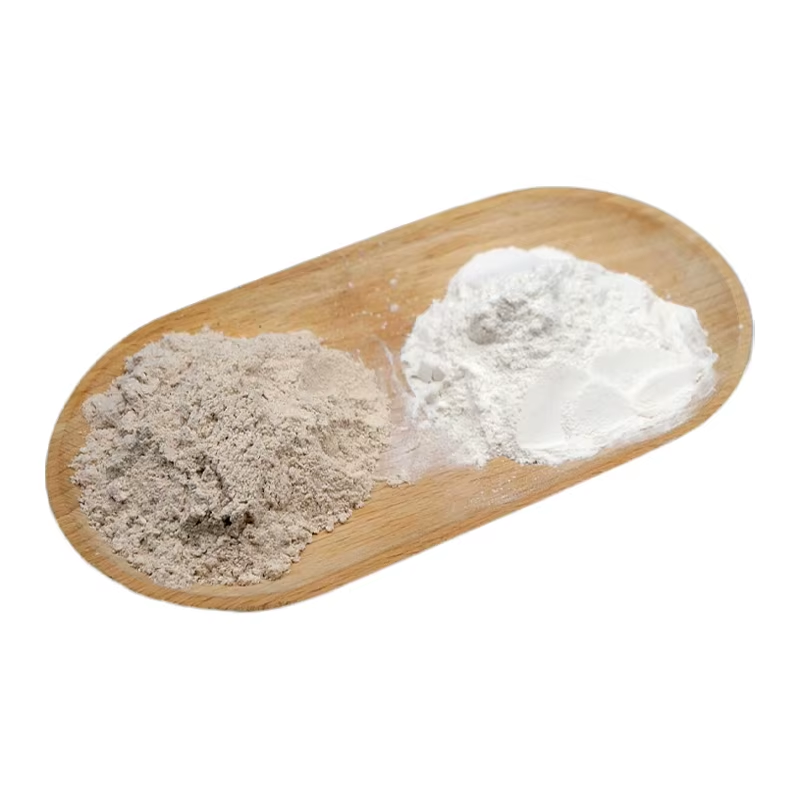
- High-Methoxyl Pectin (HM): Forms gels in the presence of sugar and acidic conditions, ideal for traditional jams and jellies
- Low-Methoxyl Pectin (LM): Forms gels with calcium ions, suitable for low-sugar or sugar-free products
- Amidated Pectin: Modified for improved gel formation and better stability under varying pH levels
- Functional Forms: Available in powder or liquid forms depending on manufacturing processes
A knowledgeable Pectin Supplier for Afghanistan like MT Royal can help you identify the right grade for your specific product applications, ensuring both performance and cost-efficiency.
Key Considerations When Choosing a Pectin Supplier
Selecting the right supplier is critical for maintaining production continuity and product quality.
Quality and Purity
High-quality pectin guarantees consistent gelling, viscosity, and stability. Suppliers providing full Certificates of Analysis (COAs) and compliance documentation reduce the risk of formulation failures and ensure regulatory adherence.
Supply Chain Reliability
Afghanistan’s logistical challenges—including customs procedures, regional transport, and storage limitations—make supply continuity a top priority. A supplier experienced in the Afghan market can ensure timely deliveries and mitigate operational disruptions.
Pricing and Cost Management
Global fluctuations in citrus and apple pulp availability can affect pectin pricing. Experienced suppliers offer transparent pricing, volume-based discounts, and guidance to optimize procurement costs without compromising quality.
Regulatory Compliance
Whether for food, pharmaceutical, or cosmetic applications, pectin must meet international standards for purity, safety, and labeling. Verified suppliers guarantee full compliance to avoid legal and operational risks.
Common Mistakes in Pectin Procurement
Even experienced buyers can encounter pitfalls that affect product quality and production efficiency.
Treating All Pectin as Interchangeable
Substituting grades without proper evaluation can result in poor gel formation, inconsistent viscosity, or product instability.
Neglecting Documentation
Incomplete COAs or missing safety data sheets can cause regulatory issues, audit delays, and compliance failures.
Overemphasizing Price
Selecting the cheapest option may lead to higher overall costs due to increased dosages, reformulations, or batch inconsistencies.
Working with MT Royal, manufacturers benefit from expert guidance, technical support, and transparent documentation to avoid these common pitfalls.
Industrial Applications of Pectin
Food and Beverage
- Jams and Jellies: Provides consistent gel strength and texture
- Dairy Products: Stabilizes yogurt, milk drinks, and dessert gels
- Beverages: Prevents sedimentation in fruit juices and flavored drinks
- Confectionery: Offers structure and texture in gummies, candies, and soft chews
Pharmaceutical Applications
- Syrups and Suspensions: Ensures uniform viscosity and stability
- Tablet Coatings: Protects active ingredients and improves mouthfeel
- Controlled-Release Formulations: Supports drug delivery in specialized applications
Cosmetic and Personal Care
- Lotions and Creams: Enhances smoothness and stability
- Hair and Skin Products: Improves texture and long-term product consistency
Industrial Best Practices for Using Pectin
Optimize Dosage Levels
Accurate dosing ensures cost-efficiency and desired functionality. Overuse can lead to excessive viscosity, process difficulties, and unnecessary cost.
Standardize Formulations
Internal specifications for each pectin grade ensure batch-to-batch consistency, even in high-volume production environments.
Train Production Teams
Proper hydration, mixing, and storage procedures are essential for achieving optimal gel formation, viscosity, and stability in end products.
Monitor Inventory and Supply
Maintaining strategic inventory levels based on forecasted production ensures uninterrupted operations and mitigates risk of stockouts.
Frequently Asked Questions
Which pectin grade is best for low-sugar jams?
Low-Methoxyl (LM) pectin or amidated pectin is recommended for low-sugar or sugar-free applications.
Can one pectin grade serve multiple applications?
While possible, application-specific optimization ensures better performance and product stability.
How critical is supplier technical support?
Technical guidance is essential for proper hydration, gel formation, and blending, especially in complex formulations.
What packaging options are available for Afghanistan?
Suppliers typically provide pectin in bulk bags, drums, or liquid concentrates, tailored to factory needs and production scale.
MT Royal as a Trusted Pectin Supplier for Afghanistan
MT Royal combines quality, reliability, and technical expertise to support Afghan manufacturers:
- Access to Multiple Global Brands: Flexibility in grade selection, availability, and pricing
- Technical Support: Assistance with formulation, process optimization, and quality control
- Regional Supply Experience: Ensures smooth logistics and uninterrupted supply
We have observed in collaboration with various factories that a reliable supplier significantly reduces formulation errors, enhances production efficiency, and ensures consistent product quality. Partnering with MT Royal provides Afghan manufacturers access to high-quality pectin, technical expertise, and competitive pricing, creating a foundation for operational success.
Strategic Insights for Long-Term Procurement
- Focus on total cost of ownership, not just unit price
- Monitor global citrus and apple pulp markets to anticipate price changes
- Maintain internal quality standards for pectin handling and processing
- Collaborate with suppliers offering both technical expertise and reliable logistics
Securing the right pectin supply in Afghanistan requires careful planning, technical knowledge, and trustworthy partnerships. By taking a strategic approach, manufacturers can ensure consistent quality, operational efficiency, and market competitiveness.


No comment