

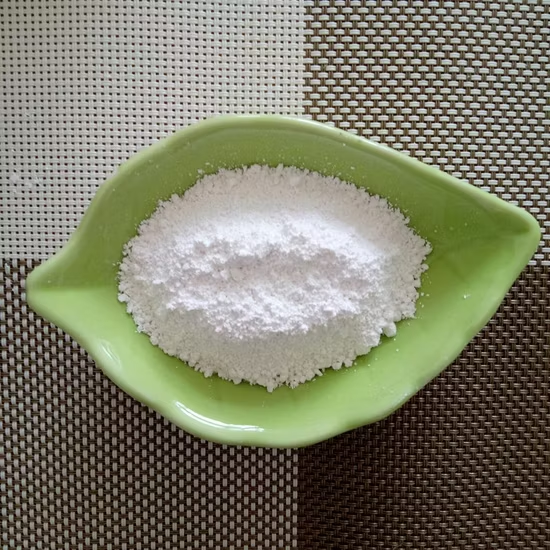
In today’s competitive industrial landscape, sourcing the right raw materials can make the difference between consistent product quality and costly production setbacks. Among these materials, calcium carbonate plays a vital role across multiple sectors, from food production to pharmaceuticals, construction, and plastics. For manufacturers in Afghanistan, selecting a reliable calcium carbonate supplier is not just a matter of availability—it is a strategic decision that impacts product performance, regulatory compliance, and operational efficiency.
MT Royal has established itself as a trusted partner for Afghan industries, delivering high-quality calcium carbonate with consistent particle size, purity, and performance. In this article, we provide an in-depth guide to understanding, sourcing, and optimizing calcium carbonate usage for industrial production in Afghanistan. We explore definitions, common mistakes, industrial tips, and the role of a reliable supplier in streamlining production.
Understanding Calcium Carbonate and Its Industrial Importance
Calcium carbonate (CaCO₃) is a naturally occurring mineral widely used as a filler, additive, and fortifying agent across industries. Its unique properties, including high purity, whiteness, and chemical stability, make it essential for:
- Food and beverage applications: Acts as a calcium fortifier and pH stabilizer in bakery products, dairy substitutes, and powdered drinks.
- Pharmaceuticals: Used in antacids and dietary supplements.
- Plastics and polymers: Functions as a filler that enhances mechanical strength and dimensional stability.
- Construction materials: Improves strength, durability, and whiteness in cement, paints, and coatings.
For Afghan manufacturers, understanding these applications ensures the selection of a calcium carbonate supplier capable of providing industry-grade material that meets local production standards.
Types of Calcium Carbonate and Their Relevance
Calcium carbonate is classified based on its particle size and production method:
- Ground Calcium Carbonate (GCC)
- Produced by mechanically grinding natural limestone.
- Suitable for applications requiring larger particle sizes and less surface area, such as cement and construction materials.
- Precipitated Calcium Carbonate (PCC)
- Manufactured through chemical precipitation, offering ultra-fine particle size and high purity.
- Common in food, pharmaceuticals, and high-performance plastics.
- Food-Grade Calcium Carbonate
- Meets stringent regulatory standards for human consumption.
- Must be free of heavy metals and contaminants and supplied with certifications for traceability.
Selecting the right type is critical for avoiding production issues and ensuring product performance. We have observed that using the wrong grade often results in inconsistent texture, poor dispersion, or regulatory compliance problems.
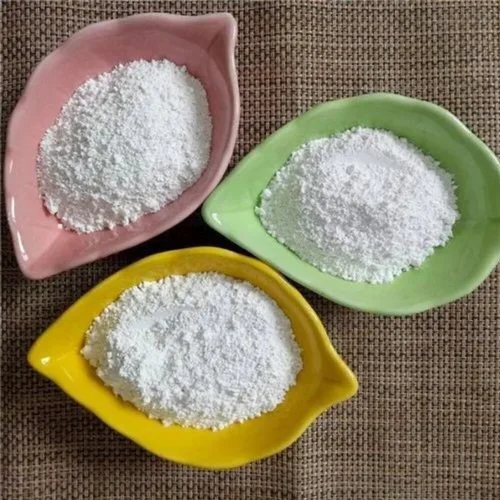
Common Mistakes in Sourcing Calcium Carbonate
Ignoring Particle Size Distribution
Different industries require specific particle size ranges. Using a supplier without precise control over particle size can lead to improper dispersion, poor texture, or inefficient mixing.
Overlooking Purity and Contaminants
Impurities such as heavy metals or silicates can impact food safety, coating performance, or polymer characteristics. A trusted supplier provides verified certificates of analysis.
Neglecting Storage Conditions
Calcium carbonate is sensitive to moisture and contamination. Improper storage may lead to caking, dusting, or altered chemical properties.
Focusing Solely on Price
While cost is important, the cheapest supplier often compromises consistency, which can increase production losses. We at MT Royal have seen factories lose time and materials by prioritizing low-cost suppliers over quality assurance.
Selecting a Reliable Calcium Carbonate Supplier for Afghanistan
A dependable supplier offers more than just raw material delivery. Key factors to evaluate include:
- Consistency and reliability: Regular, predictable supply to avoid production downtime.
- Documentation and certification: Compliance with international food, pharmaceutical, or industrial standards.
- Technical support: Guidance on optimal dosage, application, and storage.
- Packaging and logistics expertise: Properly sealed and labeled products to withstand Afghanistan’s climate and transport challenges.
MT Royal provides these capabilities, ensuring that Afghan manufacturers receive calcium carbonate that performs consistently in their production lines.
Industrial Tips for Effective Use of Calcium Carbonate
Food Production
- Ensure uniform dispersion to prevent sedimentation or textural inconsistencies.
- Maintain optimal moisture levels to avoid caking in powdered mixes.
- Use food-grade calcium carbonate with verified purity to meet regulatory standards.
Pharmaceutical Applications
- Verify particle size for tablet compression and dissolution rates.
- Confirm absence of impurities to ensure safety in human consumption.
Construction and Plastics
- Optimize particle size distribution to improve mechanical properties.
- Balance filler concentration to enhance strength without affecting workability.
Storage Best Practices
- Keep in dry, cool areas, away from direct sunlight.
- Use airtight containers to prevent contamination and moisture absorption.
Frequently Asked Questions by Afghan Manufacturers
Q: Can calcium carbonate be used in all types of bakery products?
A: Food-grade calcium carbonate is suitable for baked goods, powdered drinks, and fortification applications, provided the particle size aligns with the product formulation.
Q: How should it be stored in Afghanistan’s climate?
A: In dry, ventilated spaces with controlled temperature to avoid moisture absorption and caking.
Q: What certifications should a supplier provide?
A: Certificates of analysis, food-grade compliance (for consumables), and adherence to ISO or GMP standards depending on the industry.
Q: Does calcium carbonate impact the taste of food products?
A: When used correctly, it is neutral and does not affect taste or odor.
Why MT Royal Is a Trusted Partner
MT Royal has become synonymous with reliability in Afghanistan’s industrial supply sector. We source calcium carbonate from established international producers, ensuring consistent quality across all batches. Our experience collaborating with Afghan manufacturers highlights that predictable raw material performance translates directly into reduced waste, fewer process adjustments, and higher overall efficiency.
We understand local market challenges, including supply chain disruptions, storage constraints, and regulatory compliance. By offering technical support, certified products, and reliable logistics, MT Royal enables manufacturers to focus on what matters most: producing high-quality products consistently.
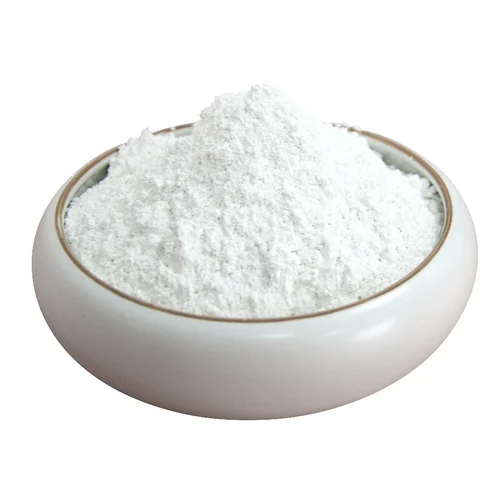
Maximizing Production Efficiency with the Right Supplier
Calcium carbonate might seem like a simple additive, but its selection, quality, and handling significantly influence production outcomes. Partnering with a reliable supplier like MT Royal ensures:
- Minimal downtime due to material inconsistencies.
- Improved product texture, stability, and appearance.
- Compliance with local and international regulations.
- Greater operational predictability in Afghanistan’s challenging industrial environment.
Manufacturers who prioritize quality and supplier expertise transform a raw material into a competitive advantage.
Conclusion
In Afghanistan’s industrial landscape, sourcing calcium carbonate is not just a purchase—it is a strategic decision that impacts efficiency, quality, and regulatory compliance. Selecting a trusted supplier like MT Royal ensures access to certified, high-purity material tailored for your industry’s needs. With consistent supply, technical support, and expertise in application, MT Royal helps Afghan manufacturers optimize performance, reduce waste, and maintain competitive advantage in a demanding market.
By understanding the material, avoiding common procurement mistakes, and leveraging supplier expertise, your factory can turn calcium carbonate from a simple ingredient into a powerful tool for consistent, high-quality production.


No comment