

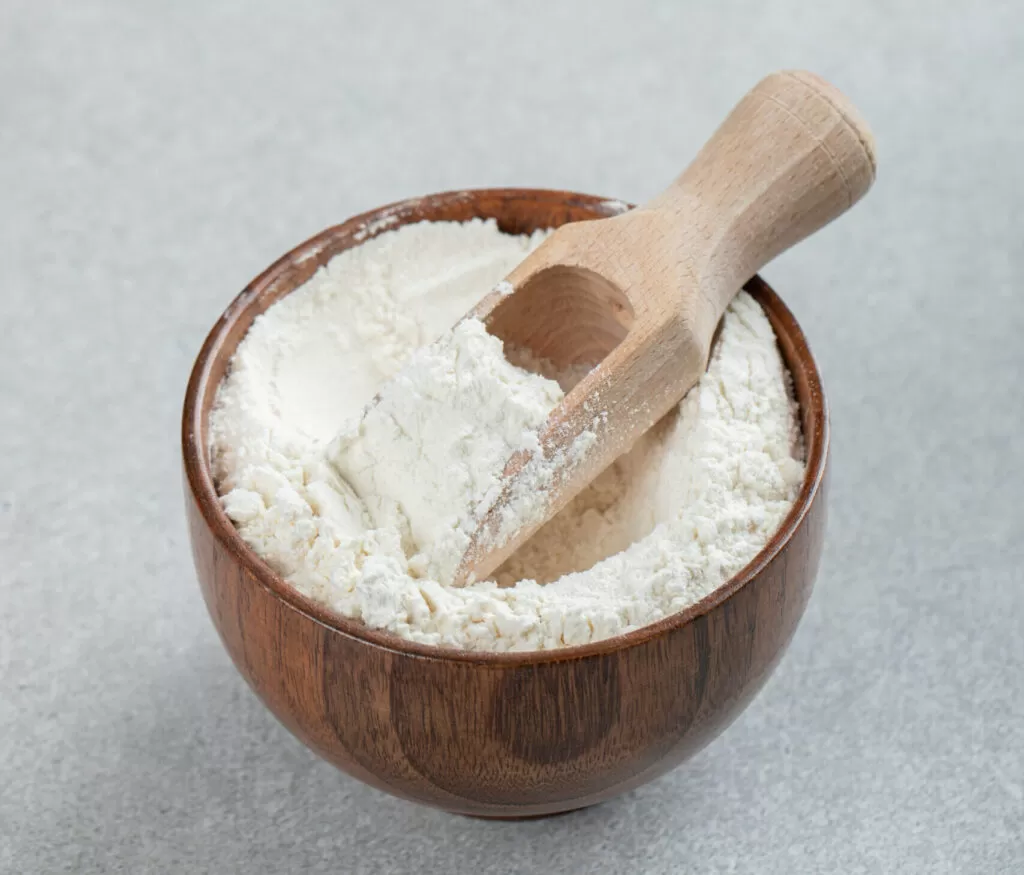
When your factory’s production quality, process efficiency, and supply chain stability depend on functional raw materials, identifying the right Milk Powder Supplier Germany is not just a procurement task—it’s a strategic imperative. For industrial manufacturers in food, bakery, confectionery, dairy processing, and nutrition sectors, the milk powder you bring into your facility influences everything from texture and rehydration behaviour to nutritional consistency and production yield. That’s why discerning procurement teams look beyond price and catalogues, seeking suppliers with deep technical expertise, rigorous quality standards, and reliable logistics. Partners such as MT Royal bring exactly that blend of extensive brand access and industrial quality, enabling factories to meet stringent internal requirements and external certification benchmarks.
In our collaboration with various manufacturing facilities, we have seen how seemingly small decisions—like choosing a supplier aligned with global dairy standards and consistent documentation practices—can produce outsized effects on production outcomes. This article delves into the industrial sourcing of milk powder from Germany, exploring the fundamental concepts, applications, pitfalls, and advanced strategic considerations that should influence your next procurement cycle. Whether you are revamping a supply contract, assessing specification tolerance, or planning long‑term sourcing for high‑volume production, this guide offers the depth of analysis and practical insights a modern industrial buyer needs.
Understanding Milk Powder: Definitions and Industrial Context
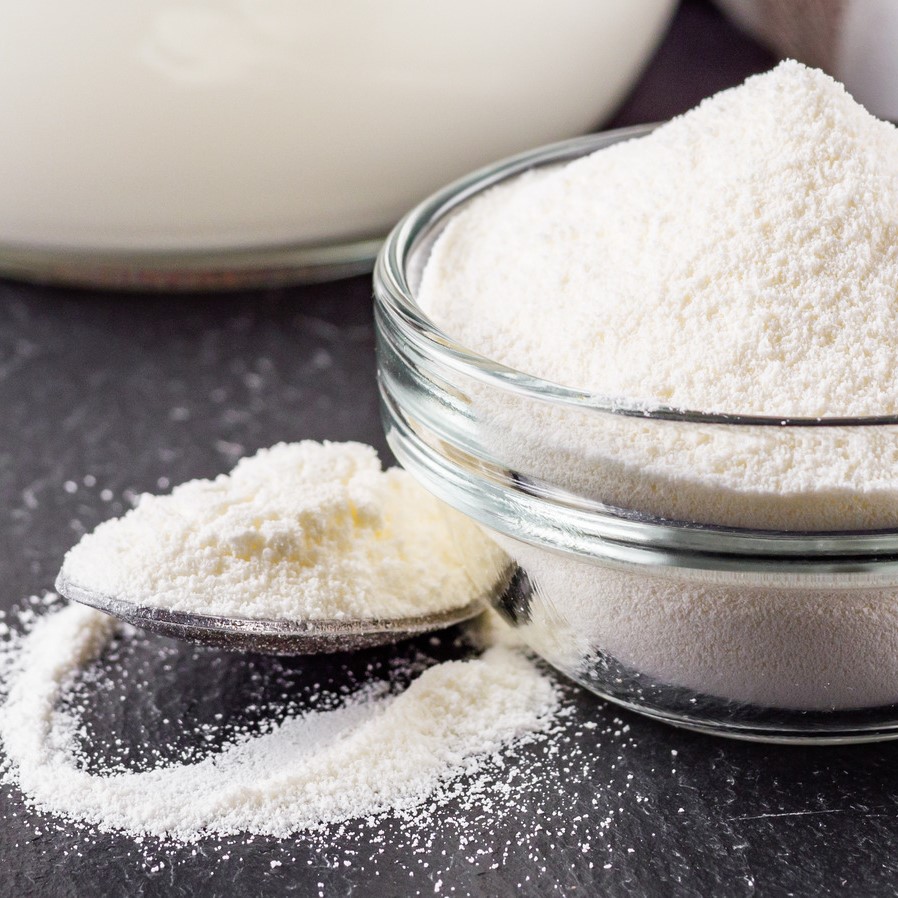
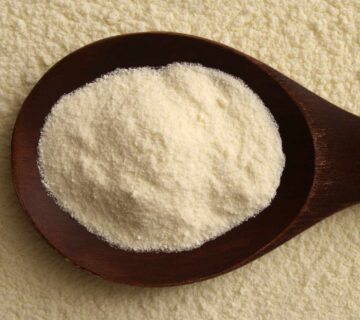
Milk powder is produced through the removal of water from liquid milk, typically via spray drying processes that preserve the nutritional and functional properties of the original dairy liquid. Germany’s milk powder production is characterised by highly automated systems, strict quality control, and diversified product grades suitable for various industrial applications. Germany’s ingredient exporters produce both skimmed milk powders (SMP) and whole milk powders (WMP), with specific variants tailored to heat sensitivity, solubility, particle size, and denaturation levels to satisfy the needs of food manufacturers globally.
Technically, milk powder serves as a versatile ingredient:
- Reconstitution for liquid dairy manufacturing: Recombined milk powders serve as base milk in yoghurt, cheese, UHT processing, and other dairy segments.
- Solid dairy ingredient: They function as core ingredients in bakery products, confectionery, sauces, and compound formulations.
- Nutritional enrichment: Milk powder delivers valuable macro‑nutrients—high‑quality proteins, lactose, and minerals—critical for infant formula, sports nutrition, and fortified food categories.
- Industrial consistency: Controlled particle size and moisture content ensure predictable performance in automated mixing, extrusion, and finishing processes.
Why Germany Is a Premier Source for Industrial Milk Powder
Germany’s strength as a milk powder supplier for global manufacturers rests on several strategic advantages:
- Strong raw milk base: Northern Germany, especially Schleswig‑Holstein, Lower Saxony, and Saxony‑Anhalt, produces high volumes of fresh milk sourced within close geographic proximities to processing facilities.
- Spray drying expertise: German plants focus on advanced spray drying technologies that preserve functional protein structures and ensure excellent solubility and rehydration.
- Quality certifications: German suppliers routinely maintain certifications such as FSSC 22000, ISO, Halal, and Kosher to meet diverse regulatory and export requirements.
- Export experience: For decades, German milk powder has supplied food ingredient markets across Europe, the Middle East, Africa, and Asia, earning a reputation for traceability and consistency.
These strengths make Germany a reliable sourcing region for factories that cannot afford supply variability or quality lapses.
Industrial Applications and Use Cases for Milk Powder
Milk powder is not a commodity that every manufacturer uses in the same way. Its functional behaviour varies widely depending on application.
Food Processing and Bakery
In large‑scale food and bakery production plants, milk powder influences:
- Texture and crumb structure: Adding milk powder improves dough machinability and contributes to consistent moisture distribution across bread, pastries, and cakes.
- Browning and flavour: Milk proteins promote Maillard reactions during baking, enhancing flavour profiles in a wide range of products.
- Nutritional profiles: Powdered dairy ingredients help achieve specific protein and calcium targets in products formulated for health‑focused markets.
Because consistency is key, factories often specify milk powders with defined fat contents, solubility ranges, and heat tolerance to match production parameters.
Confectionery and Chocolate Manufacturing
Chocolate and confectionery producers value high‑quality skimmed milk powder for its influence on:
- Smooth mouthfeel: Controlled protein and fat balance integrates seamlessly with cocoa solids.
- Emulsion stability: A consistent milk powder ensures reliable dispersion in chocolate mass, avoiding graininess or phase separation during tempering.
- Colour uniformity: Ideal particle size distribution contributes to a uniform appearance in finished products.
Here, the distinction between medium heat and high heat milk powders is especially significant, as different production steps such as enrobing or conching may require varying levels of protein denaturation.
Recombined Dairy and Fermentation
When milk powder is rehydrated for manufacturing yoghurt, cheese, or fermented products, its interaction with starter cultures and enzymes determines texture and yield. The degree of denaturation, water‑binding capacity, and residual lactose content all influence fermentation kinetics.
German suppliers address these needs with a variety of skimmed milk powder grades optimized for fermentation applications, balancing solubility with protein functionality.
Specialized Nutrition and Infant Formula
Milk powder also forms the base for infant formula and specialised nutritional products, where precise micronutrient profiles, digestibility, and safety documentation are essential. While strict regulatory regimes govern these segments, sourcing from an established Milk Powder Supplier Germany ensures documentation, traceability, and quality audits that align with infant nutrition standards.
Common Mistakes in Industrial Sourcing of Milk Powder
Even experienced procurement teams can overlook critical sourcing considerations. Here are some common mistakes to avoid:
Neglecting Detailed Specifications
Failing to define required standards such as heat stability, denaturation levels, moisture content, and solubility profiles often leads to mismatches between supplier offerings and production requirements. German plants produce a range of grades optimized for different industrial applications; manufacturers should leverage these options rather than accept generic specifications.
Underestimating Supply Chain Risk
Assuming that international logistics will always align with production timelines can be costly. A reliable Milk Powder Supplier Germany must offer transparent delivery forecasts, robust customs documentation, and options for bulk as well as tailored packaging.
Focusing Only on Price
A narrow focus on cost per kilogram overlooks functional performance and processing behaviour, which can have a greater impact on overall manufacturing efficiency. A more holistic evaluation—considering technical support, documentation completeness, and delivery reliability—yields better long‑term value.
Ignoring Regulatory Requirements
For export‑oriented manufacturers, certification compliance is non‑negotiable. Not all suppliers maintain consistent Halal, Kosher, or ISO certifications, so procurement teams must verify current documentation and audit status.
Evaluating a Milk Powder Supplier Germany: A Strategic Guide
Selecting the right supplier involves technical, operational, and strategic criteria. The following framework helps structure that evaluation.
Quality and Certification Standards
At a minimum, your supplier should provide:
- Certificates of Analysis (COAs) for each batch
- Traceability documentation from raw milk source to finished powder
- Quality management system certifications such as FSSC 22000, ISO 9001
- Halal and Kosher certifications, if required for export markets
Germany’s ingredient producers maintain rigorous standards that support global quality expectations.
Technical Support and Collaborative Development
A top‑tier supplier does more than deliver material; they contribute to your production performance. This includes:
- Functional specification support
- Pilot testing and sampling programs
- Collaborative problem solving during production build‑outs
In our experience working with production teams, proactive technical engagement often prevents costly recipe reformulation later on.
Packaging and Logistics Flexibility
Industrial manufacturers appreciate suppliers who understand the practicalities of their operations. Good packaging and logistics considerations include:
- Bulk delivery and silo loading
- Big bag and 25kg sack options
- Detailed lead‑time collaboration
- Documentation compatible with customs and food safety audits
A supplier who can tailor shipment formats to your line logistics helps reduce waste and optimize storage.
Price Transparency and Contract Terms
Beyond competitive pricing, pricing transparency is critical. Your supplier should offer:
- Clear breakdowns of raw material, packaging, and logistics costs
- Contract flexibility for long‑term volume commitments
- Provisions for price stability or hedging in volatile markets
Factories that negotiate with this level of clarity avoid surprises during budgeting and planning cycles.
Specialized Industrial Tips for Large‑Scale Production
For manufacturers with high production volumes or multi‑product lines, the following industrial tips can enhance operational performance with milk powder:
Optimize Particle Size to Match Processing Lines
Particle size distribution affects:
- Mixing uniformity
- Dust generation
- Rehydration kinetics
Premium milk powder suppliers control this parameter tightly, ensuring compatibility with automated blending systems and minimizing processing disruptions.
Monitor Quality Consistency
Random batch quality fluctuations can wreak havoc on automated systems. Implement routine testing on:
- Solubility index
- Moisture content
- Protein and fat breakdown
- Microbiological safety
Consistent material quality reduces production variability.
Adjust Incorporation Points in Formulations
When milk powder is introduced in production—for example, during dry mix blending or direct addition to liquid streams—its incorporation timing affects:
- Hydration efficiency
- Clump formation
- Final texture
Optimising this can reduce rework and improve product uniformity.
Frequently Asked Questions from Industrial Buyers
Q: What types of milk powder are most valuable for industrial use?
A: Skimmed milk powder with well‑defined solubility and denaturation profiles is most widely used in food, confectionery, and recombined dairy applications. Whole milk powder and specialty grades may be selected depending on fat content and product requirements.
Q: How important are heat treatments like low, medium, or high heat in milk powder?
A: Heat treatment affects protein functionality and is critical when powders are rehydrated for fermented products or high‑temperature processing. Medium and high heat powders suit UHT and other heat‑intensive operations, while low heat is preferable for fermentation and cultured dairy products.
Q: Why choose a supplier from Germany?
A: Germany combines strong regional raw milk production with advanced spray drying technologies, comprehensive certification regimes, and robust export experience, making it a preferred industrial source.
Q: How does my factory ensure compliance with food safety audits?
A: Work with suppliers who maintain current ISO, FSSC 22000, Halal, and Kosher certifications and can support audit documentation and traceability requests.
Q: What supply risks should I anticipate?
A: Factor in logistics lead times, customs documentation needs, seasonal milk supply variations, and packaging options that align with your storage and line requirements.
The Strategic Value of Partnering with a Reliable Supplier
Choosing the right Milk Powder Supplier Germany transforms a raw material purchase into a production advantage. With partners like MT Royal, you gain access to a broad portfolio of trusted brands, competitive pricing frameworks, dependable logistics, and the expert technical support necessary to integrate milk powder seamlessly into your production processes.
Milk powder—while a commodity at first glance—carries nuanced technical characteristics that determine its functional success in industrial environments. When your procurement strategy aligns technical quality, supply reliability, and operational insight, your factory gains resilience, performance consistency, and a stronger foundation for innovation.
High‑performance dairy ingredients are not just inputs; they are strategic enablers of quality, efficiency, and competitive differentiation. And when sourced from a partner who understands the depth of industrial needs, they become part of your production success story.
LATAMARKO LM60 – Premium Spanish-Origin Cocoa Powder
latamarko alkalized cocoa powder lm60
cocoa powder for chocolate production-Best price
Food industry raw materials – list of products


No comment