

In industrial manufacturing, the quality and reliability of raw materials are pivotal to operational efficiency, product consistency, and regulatory compliance. For factories producing confectionery, baked goods, beverages, or pharmaceuticals, glucose syrup is a cornerstone ingredient, serving as a sweetener, stabilizer, and texture enhancer. Choosing the right Glucose Syrup Germany supplier is therefore a strategic decision that directly impacts both production outcomes and business performance.
At MT Royal, we have collaborated with a wide range of European manufacturers, witnessing firsthand how a dependable supplier transforms the supply chain from a routine procurement task into a competitive advantage. Consistent quality, prompt delivery, and technical guidance allow your factory to maintain efficiency while meeting exacting product standards. This comprehensive guide delves into everything industrial managers need to know about sourcing glucose syrup in Germany, including definitions, production considerations, sourcing pitfalls, technical insights, and emerging industry trends.
Understanding Glucose Syrup: Definitions and Industrial Relevance
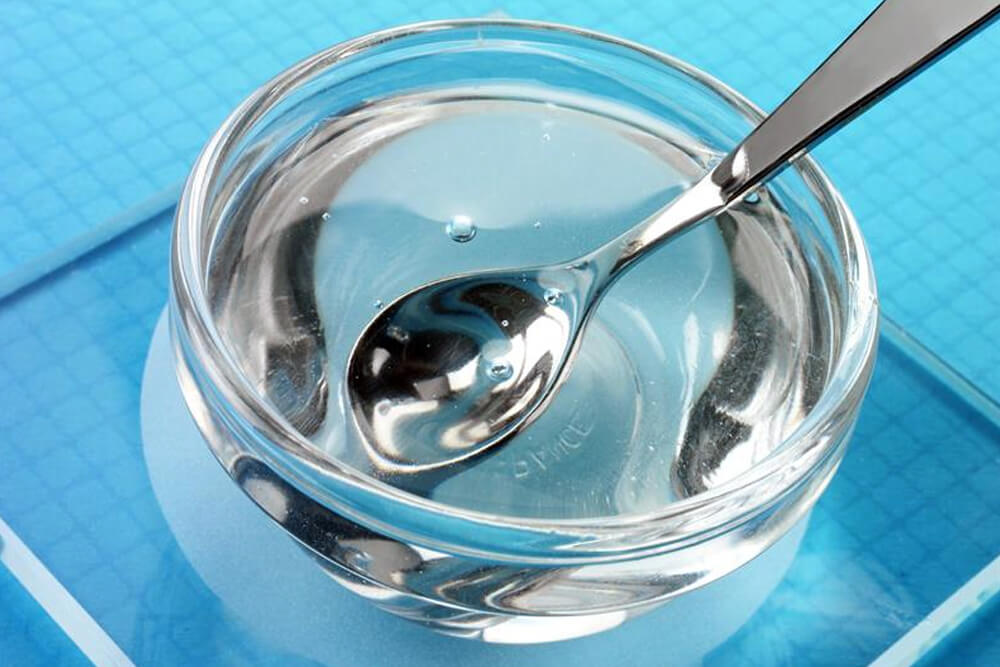
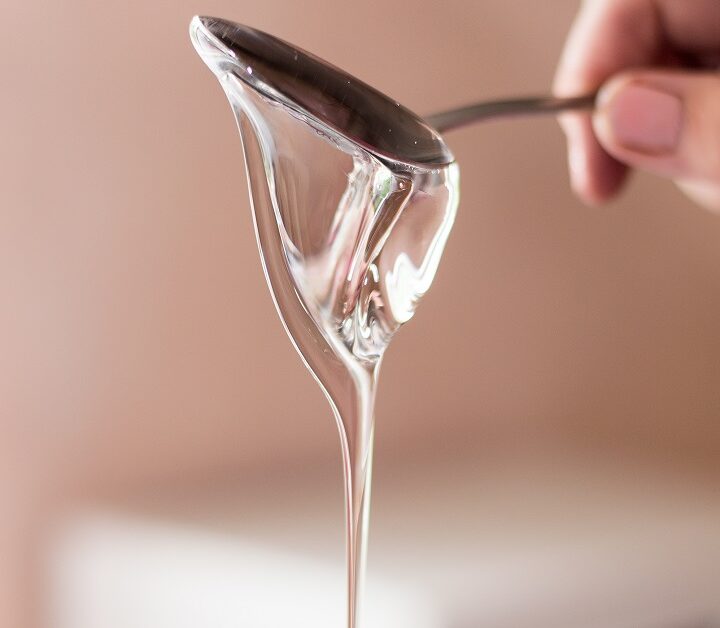
Glucose syrup is a concentrated solution of glucose obtained by hydrolyzing starch from sources such as corn, wheat, or potatoes. It is widely used across industries due to its versatile functional properties:
- Sweetener: Provides controlled sweetness with a lower hygroscopicity than sucrose, ideal for confectionery and beverages.
- Texturizer: Enhances chewiness, smoothness, and viscosity in baked goods, candies, and dairy products.
- Humectant: Retains moisture, extending shelf life in pastries, chocolates, and other moisture-sensitive products.
- Industrial Applications: Used in pharmaceuticals for syrups and lozenges, in personal care products as a humectant, and in technical formulations such as adhesives.
Types of Glucose Syrup Commonly Supplied in Germany
When sourcing from a Glucose Syrup Germany supplier, understanding different types and their applications is crucial:
- Light Glucose Syrup: Low DE (dextrose equivalent) syrup, commonly used in confectionery to prevent crystallization and maintain texture.
- High-Glucose Syrup: Higher DE syrups, providing increased sweetness and solubility, used in beverages, desserts, and baked goods.
- Organic Glucose Syrup: Produced from organic starch sources, suitable for certified organic food products.
- Pharmaceutical-Grade Glucose Syrup: Ensures strict compliance with USP or BP standards, used in syrups, lozenges, and oral medications.
- Industrial-Grade Glucose Syrup: Applied in technical formulations, adhesives, and coatings, with controlled viscosity and moisture content.
The choice of type affects texture, sweetness, and process efficiency, making it essential to match syrup type with application requirements.
Common Mistakes in Industrial Glucose Syrup Sourcing
Even experienced procurement teams can make critical errors when selecting a glucose syrup supplier. Awareness of these pitfalls helps mitigate risk and ensures consistent production quality.
Overlooking Supplier Certifications
Food, beverage, and pharmaceutical industries demand strict compliance with safety and quality standards. ISO 22000, HACCP, and GMP certifications are essential, and neglecting verification can lead to regulatory issues or product recalls. MT Royal ensures that all products meet relevant certifications, reducing compliance risk for industrial clients.
Ignoring DE and Viscosity Specifications
The dextrose equivalent (DE) indicates the level of hydrolysis and directly impacts sweetness, solubility, and texture. Low-DE syrups prevent crystallization in candies, whereas high-DE syrups are preferred in beverages for rapid solubility. Viscosity affects processing efficiency, particularly in automated mixing systems, and incorrect selection can lead to operational bottlenecks.
Prioritizing Cost Over Reliability
While price is important, selecting a supplier based solely on cost often leads to hidden expenses from batch variability, inconsistent supply, or product failures. Factories benefit from emphasizing reliability, technical support, and quality assurance in supplier evaluation.
Neglecting Supply Chain Stability
Global raw material shortages and logistical disruptions can interrupt production. A dependable Glucose Syrup Germany supplier maintains diversified sourcing and buffer inventory to ensure uninterrupted operations.
Industrial Procurement Tips for Factories
Optimizing glucose syrup sourcing involves technical knowledge and strategic planning. Here are practical tips for procurement teams:
Align Syrup Type with Application
- Confectionery: Light glucose syrup with low DE prevents crystallization and ensures smooth texture.
- Beverages: High-DE syrup dissolves easily, enhancing sweetness and solubility.
- Bakery & Pastry: Medium-DE syrup retains moisture, extending shelf life.
- Pharmaceuticals: Pharmaceutical-grade syrup with consistent purity and viscosity guarantees compliance and performance.
Conduct Thorough Supplier Audits
Request certificates of analysis, technical data sheets, and quality audits. MT Royal provides traceable batch information, helping factories maintain rigorous quality control.
Optimize Storage and Handling
Glucose syrup is sensitive to microbial contamination and moisture. Maintain storage temperatures between 10–25°C, avoid direct sunlight, and use sanitized, sealed containers to preserve quality.
Forecast Usage Accurately
Accurate consumption forecasts prevent shortages or excess inventory. Industrial procurement should consider seasonal production cycles and potential process scale-ups.
Comparisons and Practical Guidelines for Manufacturers
When evaluating glucose syrup suppliers, several factors are crucial for operational success:
| Criteria | Importance | MT Royal Approach |
|---|---|---|
| Certifications & Compliance | Regulatory adherence and market access | ISO 22000, HACCP, GMP certified products |
| Product Range | Flexibility for multiple industrial applications | Food, pharmaceutical, organic, and technical syrups |
| Technical Support | Reduces production issues | Expert guidance on DE, viscosity, and formulation |
| Supply Reliability | Ensures uninterrupted production | Diversified sourcing and buffer stock |
| Pricing & Terms | Balances cost and quality | Competitive pricing with flexible logistics |
Key Technical Metrics
- Dextrose Equivalent (DE): Impacts sweetness, crystallization, and viscosity.
- Viscosity: Determines processability in pumps, mixing, and automated systems.
- Moisture Content: Excess moisture affects microbial stability and shelf life.
- Purity: High-quality syrup should meet industrial or pharmaceutical-grade purity standards.
Specialized Tips for Large-Scale Production
Large-scale manufacturing requires additional considerations:
- Batch Consistency: Variations in DE or viscosity can affect texture and solubility, particularly in confectionery or syrup production.
- Efficient Mixing: Automated systems require predictable flow and consistent viscosity. MT Royal’s syrups are tailored to maintain uniformity under high-speed production conditions.
- Process Integration: Syrups must be compatible with thermal, enzymatic, or vacuum processes in confectionery, beverage, or pharmaceutical production.
- Documentation & Traceability: Maintaining records of batch composition, DE, viscosity, and storage conditions is critical for audits, quality assurance, and regulatory compliance.
Emerging Trends in Glucose Syrup Sourcing in Germany
The German glucose syrup market reflects evolving industrial requirements:
- Sustainability: Manufacturers seek syrup from environmentally responsible starch sources and production processes.
- Organic & Specialty Syrups: Growing demand for certified organic or low-DE specialty syrups for niche markets.
- Digital Supply Chain Management: Suppliers like MT Royal offer inventory tracking, batch traceability, and real-time order updates.
- Functional Customization: Industrial clients increasingly request syrups with specific DE, viscosity, or moisture content to optimize manufacturing performance.
Frequently Asked Questions from Procurement Teams
How do I select the right DE for my application?
Low-DE syrups prevent crystallization in candies, medium-DE syrups retain moisture in baked goods, and high-DE syrups dissolve rapidly in beverages. Matching DE to application ensures desired texture and performance.
What certifications should I verify?
ISO 22000, HACCP, GMP, and, where applicable, organic certifications or USP/BP compliance are critical for food, beverage, and pharmaceutical applications.
What is the typical lead time for bulk industrial orders?
Lead time depends on syrup type and volume, typically ranging from 2–6 weeks. MT Royal maintains buffer stock to minimize potential delays.
Can a single supplier meet all industrial needs?
Yes, but maintaining diversified sourcing channels mitigates risk. MT Royal provides multiple grades and brands, ensuring both flexibility and reliability.
How should glucose syrup be stored to maintain quality?
Store in a clean, dry environment at 10–25°C, protected from direct sunlight and contamination, using sealed containers to prevent spoilage.
Practical Considerations for B2B Procurement
Industrial procurement extends beyond product quality:
- Flexible Contracts: Adjustable order quantities and staggered delivery schedules accommodate production variability.
- Pilot Testing: Evaluate new syrup batches at a small scale to verify performance before full-scale production.
- Collaborative Supplier Relationship: Supplier expertise helps optimize formulation, reduce waste, and maintain consistent quality.
- Market Monitoring: Stay informed on raw material availability, pricing trends, and regulatory changes to make proactive procurement decisions.
MT Royal: Trusted Glucose Syrup Supplier in Germany
In our collaboration with factories across Germany and Europe, we have observed that industrial success relies not only on product quality but also on technical guidance and supply reliability. MT Royal delivers multiple brands of glucose syrup at competitive prices while providing consultative support on formulation, viscosity, DE selection, and storage.
By offering consistent batch quality, certified compliance, and robust supply chain solutions, MT Royal ensures that your factory operates efficiently, minimizes downtime, and maintains regulatory compliance. Whether you produce confectionery, beverages, baked goods, or pharmaceuticals, a reliable Glucose Syrup Germany supplier can transform procurement from a routine task into a strategic advantage.
Final Thoughts
Selecting a glucose syrup supplier is a decision that impacts every facet of manufacturing. From DE selection and viscosity management to regulatory compliance and supply chain reliability, attention to detail is paramount. Factories that prioritize technical expertise, consistent quality, and strategic sourcing gain a competitive edge.
MT Royal exemplifies a supplier that combines quality, consultative support, and operational reliability. Partnering with a trusted Glucose Syrup Germany provider ensures that your factory can innovate, scale efficiently, and produce consistent, high-quality products that meet industry standards. In industrial manufacturing, the right supplier transforms raw materials into operational excellence.
LATAMARKO LM60 – Premium Spanish-Origin Cocoa Powder
latamarko alkalized cocoa powder lm60
cocoa powder for chocolate production-Best price
Food industry raw materials – list of products
Types of Gelatin from Turkish Manufacturer
Food Raw Material Supplier in Germany for the Food Industry


No comment