

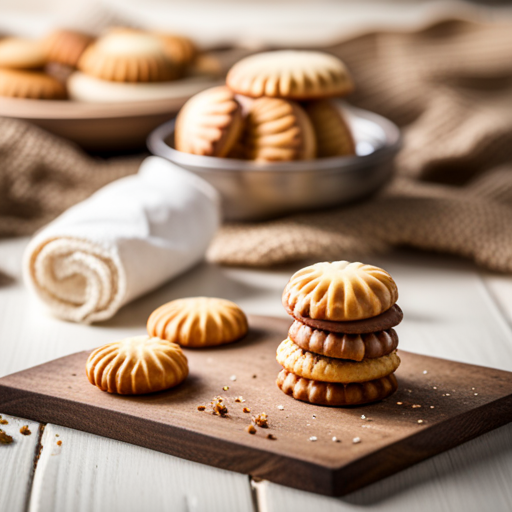
In industrial biscuit production, the quality and consistency of raw materials are decisive factors for both product performance and profitability. From flavor and texture to shelf life and regulatory compliance, every ingredient impacts the final biscuit. For factories and manufacturers operating in Germany, sourcing premium Biscuit Raw Materials Germany is not just about procurement—it is a strategic decision that influences operational efficiency, product innovation, and market competitiveness.
At MT Royal, we have collaborated with factories across Europe, observing how a reliable supplier can transform raw material sourcing from a logistical challenge into a strategic advantage. Consistency, certification, and technical support allow your factory to operate without unexpected downtime, ensuring every batch meets your specifications. This comprehensive guide explores the fundamentals of biscuit raw materials, common sourcing pitfalls, technical considerations for large-scale production, and emerging trends in Germany.
Understanding Biscuit Raw Materials: Definitions and Industrial Relevance
Biscuit raw materials encompass all ingredients essential to biscuit production, including flours, sweeteners, fats, emulsifiers, leavening agents, flavors, and functional additives. Each component has a specific role in ensuring texture, taste, shelf stability, and manufacturability.
Core Categories of Biscuit Raw Materials
- Flours and Starches: Wheat flour remains the primary ingredient, providing structure and gluten network. Alternative flours, including rye, oat, or rice, offer functional or dietary advantages. Starches, such as corn or potato, improve crispness and stability.
- Sweeteners: Sucrose, glucose syrup, maltose, and alternative sweeteners influence sweetness, browning, and moisture retention. High-quality sweeteners ensure uniformity and prevent crystallization issues.
- Fats and Oils: Margarine, shortening, butter, and vegetable oils contribute to mouthfeel, structure, and shelf life. Consistent fat quality prevents dough spread variability.
- Leavening Agents: Baking soda, ammonium bicarbonate, or sodium bicarbonate control rise, texture, and density. Precise dosing is critical for batch-to-batch consistency.
- Emulsifiers: Lecithin and mono- or diglycerides improve dough machinability, crumb structure, and shelf stability.
- Flavorings and Inclusions: Vanilla, chocolate, nuts, dried fruits, or seeds enhance taste and aesthetics. Industrial-grade flavors and inclusions must meet food safety and uniformity standards.
- Functional Additives: Antioxidants, stabilizers, and preservatives extend shelf life and maintain product integrity under industrial storage conditions.
Why Raw Material Quality Matters in Industrial Biscuit Production
High-quality raw materials affect multiple aspects of production:
- Texture and Bite: Flour and fat quality influence crispness, hardness, and overall mouthfeel.
- Color and Appearance: Maillard reaction and caramelization depend on sugar types and moisture content.
- Shelf Life: Proper ingredient selection prevents rancidity, moisture migration, and microbial growth.
- Process Efficiency: Uniform raw materials reduce downtime, machine fouling, and dough inconsistencies.
Understanding these fundamentals is key to optimizing both product quality and production efficiency.

Common Mistakes in Industrial Biscuit Raw Material Sourcing
Even experienced procurement teams face challenges when selecting suppliers. Recognizing common pitfalls can save time, costs, and production headaches.
Overlooking Supplier Certifications
Food safety is non-negotiable in Germany. ISO 22000, HACCP, BRC, and organic certifications are essential depending on your product line. Procuring uncertified materials can risk regulatory sanctions or costly recalls. MT Royal ensures all raw materials meet appropriate standards.
Ignoring Functional Specifications
Raw material performance varies by brand, origin, and processing method. For example, wheat flour protein content affects gluten strength, while fat crystallization behavior influences dough spread and biscuit crunch. Ignoring these specifications may lead to batch inconsistencies or machine issues.
Prioritizing Cost Over Reliability
While competitive pricing is attractive, unreliable supply can halt production and increase waste. Factories benefit from evaluating suppliers based on reliability, technical support, and consistency in addition to price.
Neglecting Shelf Life and Storage Considerations
Moisture-sensitive materials like flours, cocoa, or glucose syrup require proper storage. Inadequate handling can lead to spoilage, microbial contamination, or off-flavors. Suppliers like MT Royal provide guidance on storage and handling for industrial quantities.
Industrial Procurement Tips for Biscuit Manufacturers
Sourcing raw materials strategically requires both technical insight and supply chain planning. Consider the following tips:
Match Raw Material Grade to Application
- High-Protein Wheat Flour: Ideal for biscuits requiring strong structure and reduced crumbliness.
- Glucose Syrup and Sweeteners: Ensure proper DE and moisture content for consistent browning and chewiness.
- Specialty Fats: Crystalline fats improve dough machinability and shelf stability.
- Leavening Agents: Batch-specific calibration avoids density and spread inconsistencies.
Conduct Rigorous Supplier Audits
Request certificates of analysis, traceable batch records, and quality audits. MT Royal provides detailed documentation and technical advice, ensuring compliance with German and EU regulations.
Optimize Storage and Handling
Store flours and starches in cool, dry environments; fats should be kept at controlled temperatures to prevent phase separation; sweeteners and syrups require sealed, moisture-resistant containers. Proper storage preserves functional properties and reduces production risk.
Forecast Consumption and Plan Orders Strategically
Accurate demand forecasting prevents both shortages and overstocking. Bulk procurement strategies for seasonal production peaks can reduce costs and ensure continuous supply.
Comparisons and Practical Guidelines for Manufacturers
Evaluating suppliers requires a structured approach to ensure operational efficiency and product quality:
| Criteria | Importance | MT Royal Approach |
|---|---|---|
| Certifications | Regulatory compliance and market access | ISO 22000, HACCP, BRC, organic-certified products |
| Product Range | Flexibility across biscuit types | Flours, sweeteners, fats, leavening agents, emulsifiers, inclusions |
| Technical Support | Prevents production issues | Expert guidance on functional properties, dough behavior, and storage |
| Supply Reliability | Minimizes downtime | Multiple sourcing channels and buffer stock |
| Pricing & Terms | Cost-effectiveness with consistency | Competitive pricing and flexible delivery schedules |
Key Technical Metrics to Consider
- Flour Protein Content: Determines gluten network and biscuit structure.
- Fat Crystallization Behavior: Influences spread and texture.
- Sweetener Moisture & DE: Impacts browning, texture, and shelf life.
- Particle Size Distribution: Affects dough uniformity, machinability, and final texture.
- Inclusion Quality: Ensures consistency in chocolate chips, nuts, or dried fruits.
Specialized Tips for Large-Scale Biscuit Production
Large-scale biscuit factories encounter unique challenges that demand specialized raw material strategies:
- Batch Consistency: Even small variations in flour protein, fat quality, or syrup viscosity can affect dough handling and product uniformity. MT Royal emphasizes consistent sourcing and traceable batch quality.
- Process Optimization: Fats, sweeteners, and emulsifiers must be compatible with high-speed mixing and forming equipment. Understanding melting points, viscosity, and crystallization kinetics is crucial.
- Storage and FIFO Practices: Proper rotation of raw materials prevents degradation, ensures flavor consistency, and maintains shelf life for industrial-scale operations.
- Regulatory Compliance: German factories must maintain detailed documentation of raw material sources, certifications, and handling procedures for audits.
Emerging Trends in Biscuit Raw Material Sourcing in Germany
The German biscuit market reflects evolving consumer preferences, regulatory standards, and industrial innovations:
- Clean Label & Health-Focused Ingredients: Demand for sugar reduction, whole grains, and plant-based fats is increasing.
- Sustainably Sourced Raw Materials: Factories prefer suppliers providing traceable and responsibly sourced ingredients.
- Functional Ingredients: Protein fortification, fiber enrichment, and alternative sweeteners are gaining traction.
- Digital Supply Chain Solutions: Suppliers, including MT Royal, leverage real-time tracking, batch traceability, and inventory analytics to improve reliability.
- Customized Raw Material Blends: Factories increasingly request pre-blended flours, fats, or sweetener mixes to optimize production efficiency.

Frequently Asked Questions from Procurement Teams
How do I select the right flour for biscuit production?
Match flour protein and gluten content to desired biscuit texture. Low-protein flour is suitable for crisp biscuits, whereas medium to high protein is better for structured or layered products.
Which certifications are essential in Germany?
ISO 22000, HACCP, BRC, and organic certifications where applicable. For allergens, suppliers should provide detailed allergen statements and testing reports.
How can I ensure consistent fat performance in large-scale production?
Evaluate melting point, solid fat content, and crystallization behavior. MT Royal provides technical guidance on selecting fats compatible with your dough and baking processes.
What is the typical lead time for bulk biscuit raw materials?
Lead times vary by material and supplier. MT Royal maintains buffer stock and multiple sourcing channels to minimize potential delays and ensure continuous production.
How should I handle storage to preserve ingredient functionality?
Maintain cool, dry, and hygienic conditions. Flours should be kept away from moisture, fats at controlled temperatures, and syrups in sealed containers to prevent microbial growth.
Practical Strategies for B2B Procurement
Efficient procurement goes beyond cost and quality:
- Flexible Contracts: Allow adjustable quantities and staggered deliveries for seasonal demand fluctuations.
- Pilot Testing: Test new batches at small scale to validate performance before full-scale production.
- Collaborative Supplier Relationships: Engage suppliers for technical consultation to optimize formulations and reduce waste.
- Market Monitoring: Stay informed about raw material availability, regulatory updates, and cost trends.
MT Royal: Trusted Biscuit Raw Material Supplier in Germany
In our collaboration with numerous factories in Germany, we have observed that successful industrial biscuit manufacturers rely on suppliers who offer both product quality and consultative expertise. MT Royal provides multiple brands of high-quality raw materials, including flours, sweeteners, fats, leavening agents, and emulsifiers, coupled with expert technical support.
By ensuring consistent batch quality, certified compliance, and reliable supply, MT Royal enables factories to reduce downtime, maintain product quality, and scale efficiently. Our consultative approach ensures your procurement process is strategic, not just transactional, positioning your factory for long-term success in the competitive German biscuit market.
Final Reflections
Selecting the right Biscuit Raw Materials Germany supplier affects every stage of industrial production, from dough consistency and flavor development to shelf stability and regulatory compliance. Attention to raw material quality, functional specifications, and supply reliability transforms procurement into a competitive advantage.
MT Royal exemplifies a supplier that combines product quality, technical guidance, and supply chain expertise. Partnering with a trusted supplier allows your factory to maintain consistency, innovate in product development, and optimize large-scale production without compromise. In industrial biscuit manufacturing, raw material sourcing is not merely operational—it is the foundation for excellence.
LATAMARKO LM60 – Premium Spanish-Origin Cocoa Powder
latamarko alkalized cocoa powder lm60
cocoa powder for chocolate production-Best price
Food industry raw materials – list of products
Types of Gelatin from Turkish Manufacturer
Food Raw Material Supplier in Germany for the Food Industry


No comment