

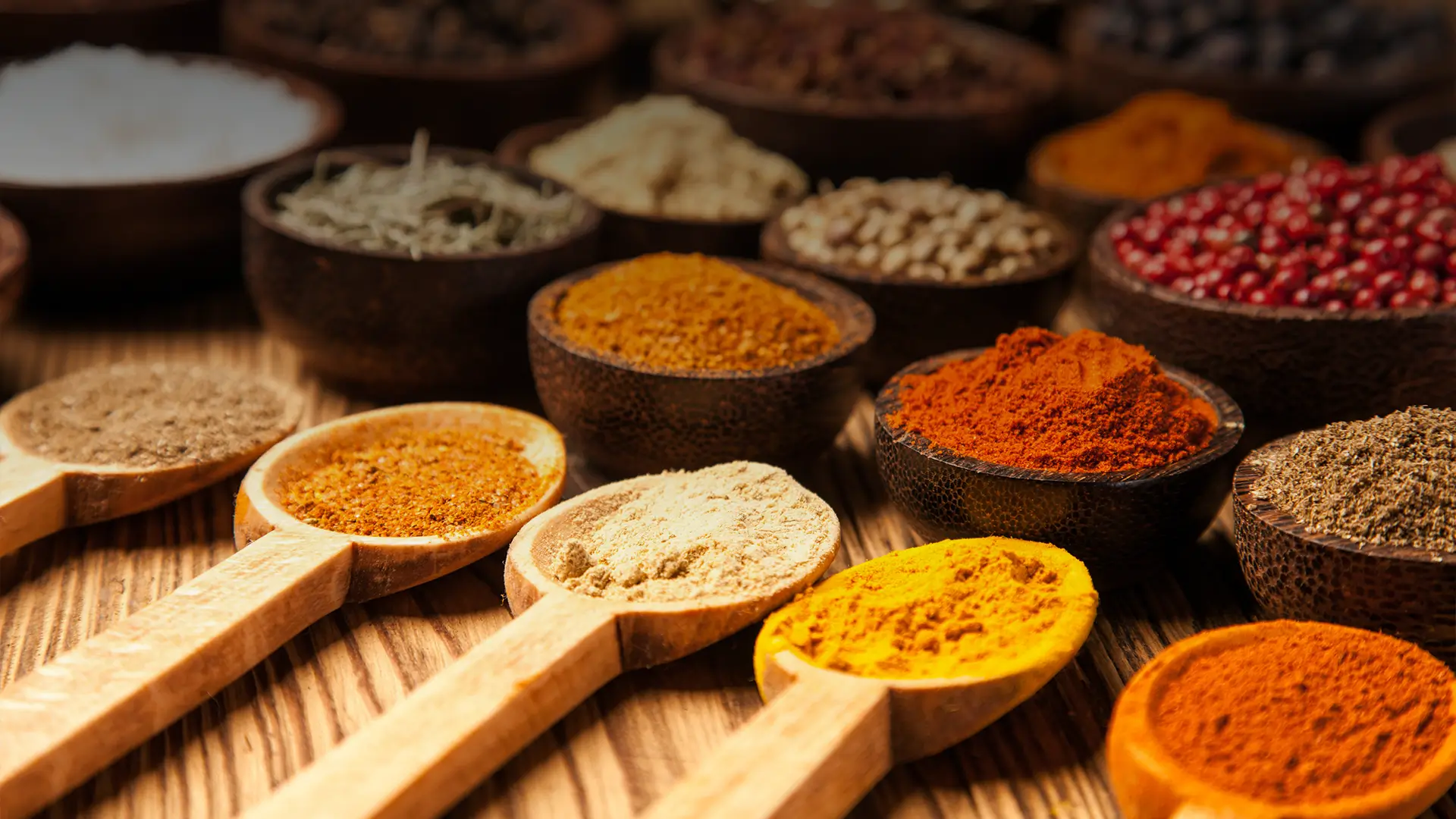
For factories and manufacturers, sourcing high-quality raw materials is a critical factor in product consistency, operational efficiency, and regulatory compliance. Germany has long been recognized as a hub for premium food ingredients, offering stringent quality standards, traceable sourcing, and diverse product portfolios. Importing food ingredients from Germany ensures your factory benefits from advanced food technology, certified safety standards, and reliable supply chains.
At MT Royal, we have partnered with numerous European and global manufacturers to streamline food ingredient imports, ensuring every batch meets specifications, certifications, and production timelines. Our experience demonstrates that a reliable supplier can turn the complex logistics of international sourcing into a competitive advantage, helping your factory maintain quality and operational efficiency.
This guide provides a comprehensive overview of importing food ingredients from Germany, covering essential definitions, sourcing best practices, industrial tips for large-scale production, and emerging trends that can shape strategic procurement decisions.
Understanding Food Ingredients: Definitions and Industrial Relevance
Food ingredients are substances used in food production to achieve specific functional, sensory, or nutritional outcomes. These range from basic staples like flours and sugars to specialty additives such as emulsifiers, stabilizers, enzymes, and natural flavors.
Core Categories of Food Ingredients Imported from Germany
- Sweeteners and Sugars: High-quality sucrose, glucose syrup, and alternative sweeteners for confectionery, bakery, and beverage production.
- Flours and Starches: Wheat, rye, corn, and potato derivatives for dough structure, texture, and moisture retention.
- Fats and Oils: Vegetable oils, margarine, and specialty fats for bakery, pastry, and confectionery applications.
- Emulsifiers and Stabilizers: Lecithin, mono- and diglycerides, pectin, and carrageenan for dough machinability, texture, and shelf life.
- Flavorings and Extracts: Natural and artificial flavors, fruit concentrates, cocoa, and chocolate derivatives to enhance taste and aroma.
- Functional Additives: Preservatives, antioxidants, acidity regulators, and vitamins for product safety, stability, and nutritional enrichment.
- Dairy and Plant-Based Ingredients: Milk powders, whey protein, and plant-based proteins for functional and sensory performance.
Each category carries specific quality, purity, and functional requirements. Understanding these parameters ensures imported ingredients deliver consistent results in industrial applications.
Why German Ingredients Are Preferred in Industrial Production
German food ingredients are valued for:
- Regulatory Compliance: Conforming to ISO, HACCP, BRC, and EU food safety standards.
- Quality and Consistency: Tight control over production processes and raw material sourcing.
- Innovation and Functional Performance: Advanced processing techniques enhance solubility, stability, and texture.
- Traceability: Batch-level documentation supports audits and compliance reporting.

Common Mistakes in Importing Food Ingredients from Germany
Even experienced procurement teams may encounter challenges when importing food ingredients. Avoiding common pitfalls can improve quality, reduce costs, and ensure uninterrupted production.
Neglecting Regulatory Compliance
Food ingredients for industrial use must comply with EU and German regulations. Sourcing uncertified or poorly documented ingredients can lead to fines, recalls, or shipment delays. MT Royal ensures all products meet applicable food safety certifications.
Focusing Solely on Price
While cost is an important consideration, selecting suppliers based solely on pricing often results in inconsistent quality, delayed shipments, or poor technical support. Industrial buyers benefit from prioritizing reliability, certification, and technical expertise alongside pricing.
Ignoring Functional Specifications
Flour protein content, sugar crystal size, fat melting point, or stabilizer performance significantly affect production. Failing to match functional specifications with intended applications can disrupt processes or compromise product quality.
Overlooking Supply Chain Logistics
International imports are vulnerable to customs delays, transport interruptions, and raw material shortages. A reliable supplier maintains buffer stock and diversified logistics channels to minimize risks.
Inadequate Storage Planning
Imported ingredients may require specific storage conditions to maintain functionality. High-moisture products, fats, and syrups must be stored in temperature-controlled environments to avoid spoilage or degradation.
Industrial Procurement Tips for Factories
Strategic sourcing of food ingredients from Germany requires technical insight and operational planning. The following guidelines help procurement teams optimize decisions:
Match Ingredients to Production Requirements
- Bakery and Pastry: Wheat flour with consistent protein content, specialty fats for dough machinability, and stabilizers for shelf life.
- Confectionery: Glucose syrup, chocolate, and emulsifiers to control crystallization, viscosity, and texture.
- Beverage Production: High-DE syrups, flavor concentrates, and acidulants for consistent taste and solubility.
- Functional Foods: Protein isolates, fibers, vitamins, and minerals to meet nutritional and labeling requirements.
Conduct Supplier Verification
Request certificates of analysis, quality audits, and traceable batch records. MT Royal provides full documentation, helping factories maintain compliance and reduce audit risk.
Optimize Storage and Handling
Imported ingredients must be stored under recommended conditions. For instance:
- Flours: Cool, dry, and ventilated storage to prevent microbial growth.
- Fats and Oils: Temperature-controlled storage to avoid oxidation or separation.
- Syrups and Liquids: Sealed, moisture-resistant containers to maintain viscosity and prevent contamination.
Forecast Demand Accurately
Accurate consumption forecasting reduces stockouts and prevents overstocking. Planning for seasonal production or new product launches is essential when sourcing internationally.
Comparisons and Practical Guidelines for Manufacturers
Evaluating suppliers and imported ingredients involves multiple factors:
| Criteria | Importance | MT Royal Approach |
|---|---|---|
| Certifications | Regulatory compliance and market access | ISO, HACCP, BRC, EU-certified products |
| Product Range | Flexibility across applications | Flours, sweeteners, fats, flavorings, stabilizers, functional additives |
| Technical Support | Prevents production issues | Expert consultation on ingredient functionality and formulation |
| Supply Reliability | Minimizes downtime | Multiple sourcing channels, buffer stock, and logistics expertise |
| Pricing & Terms | Cost-effectiveness | Competitive pricing with flexible delivery schedules |
Key Technical Metrics to Consider
- Purity and Moisture Content: Affects shelf life and functionality.
- Particle Size: Influences solubility, texture, and dough handling.
- Viscosity or Crystallization Behavior: Essential for syrups, fats, and sugar-based ingredients.
- Functional Additive Potency: Ensures desired effects in emulsification, stabilization, or preservation.
- Traceability: Batch-level documentation supports audits and quality assurance.
Specialized Tips for Large-Scale Production
Large-scale factories face unique challenges when importing ingredients:
- Batch Consistency: Slight variations in flour, fat, or syrup quality can affect texture, dough machinability, and final product consistency. MT Royal emphasizes consistent batch performance.
- Process Integration: Ingredients must be compatible with high-speed mixers, automated dosing, and thermal or enzymatic processes.
- Storage Management: Adequate storage space, temperature control, and inventory rotation prevent spoilage and maintain functional properties.
- Regulatory Documentation: Detailed records of imported batches, certificates, and handling protocols ensure compliance with German and EU regulations.
Emerging Trends in German Food Ingredient Sourcing
Germany’s food ingredient market reflects evolving industry demands and regulatory changes:
- Clean Label Ingredients: Growing preference for natural, non-GMO, and minimally processed ingredients.
- Sustainability: Traceable and responsibly sourced ingredients are increasingly prioritized.
- Functional and Fortified Ingredients: Protein enrichment, dietary fiber, and vitamins for functional foods and beverages.
- Customized Blends: Pre-formulated ingredient blends improve efficiency and reduce formulation errors.
- Digital Supply Chain Management: Real-time inventory tracking, batch traceability, and automated logistics improve reliability and predictability.
Frequently Asked Questions from Procurement Teams
How do I ensure imported ingredients meet German and EU regulations?
Verify supplier certifications (ISO, HACCP, BRC, EU compliance) and request certificates of analysis and batch-level traceability documents. MT Royal provides comprehensive documentation for all imports.
What are common logistical challenges in importing ingredients?
Customs clearance delays, shipping disruptions, and seasonal demand fluctuations. Reliable suppliers maintain buffer stock and diversified logistics to mitigate these risks.
How should I store imported ingredients to maintain functionality?
Store per manufacturer recommendations: flours in cool, dry, ventilated areas; fats in temperature-controlled conditions; syrups in sealed, moisture-resistant containers.
Can a single supplier meet diverse ingredient requirements?
Yes, but diversification reduces risk. MT Royal offers multiple brands and grades, covering bakery, confectionery, beverages, and functional foods.
How can I verify batch consistency?
Request batch certificates of analysis, conduct pilot testing, and maintain supplier audits. Consistency in moisture, particle size, viscosity, and functional performance is key for industrial applications.
Practical Strategies for B2B Procurement
Beyond quality and price, effective sourcing includes:
- Flexible Contracts: Adjustable order quantities and staggered delivery schedules to match production cycles.
- Pilot Testing: Evaluate small batches to confirm functional performance before full-scale production.
- Collaborative Supplier Relationships: Engage suppliers for technical guidance to optimize formulations and prevent waste.
- Market Monitoring: Stay informed on raw material availability, pricing trends, and regulatory changes for proactive planning.

MT Royal: Your Trusted Partner for Importing German Food Ingredients
In our collaboration with factories across Europe and beyond, we have observed that reliable suppliers provide more than products—they provide partnership, expertise, and operational support. MT Royal delivers a wide range of German food ingredients at competitive prices while offering consultative services to help manufacturers optimize formulations, ensure compliance, and maintain production efficiency.
By providing certified, traceable, and consistent ingredients, MT Royal enables factories to scale operations confidently, innovate in product development, and maintain high-quality standards across every batch.
Final Thoughts
Importing food ingredients from Germany is not merely a procurement task—it is a strategic decision that impacts quality, consistency, and regulatory compliance. By focusing on certified suppliers, functional specifications, supply reliability, and storage best practices, your factory can transform raw material sourcing into a competitive advantage.
MT Royal exemplifies the trusted supplier who combines product quality, technical guidance, and logistical expertise. Partnering with a reliable Import Food Ingredients from Germany provider ensures your factory operates efficiently, maintains compliance, and delivers superior products in a competitive market.
LATAMARKO LM60 – Premium Spanish-Origin Cocoa Powder
latamarko alkalized cocoa powder lm60
cocoa powder for chocolate production-Best price
Food industry raw materials – list of products
Types of Gelatin from Turkish Manufacturer
Food Raw Material Supplier in Germany for the Food Industry


No comment