

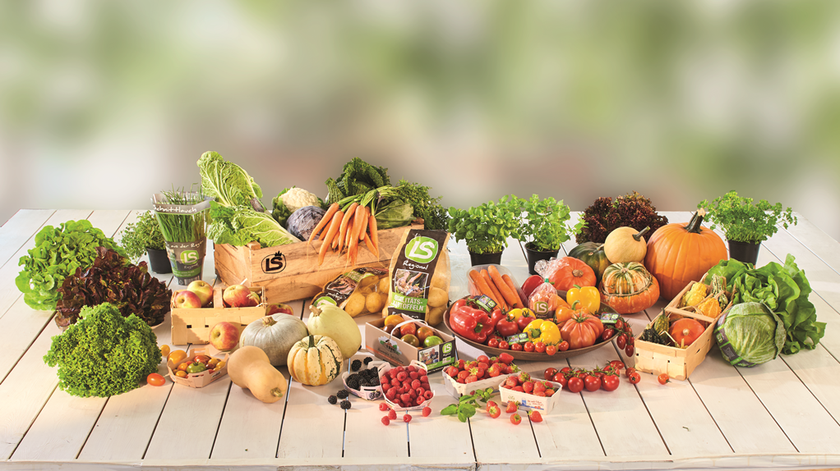
In the world of large‑scale food production, the quality and reliability of your raw materials are as critical as the precision of your equipment and the expertise of your team. For manufacturers in Germany, securing Wholesale Food Ingredients Germany that meet stringent safety, traceability, and cost standards isn’t just a procurement task — it is a strategic foundation for consistent product excellence and market competitiveness. Whether you manage a bakery network, a sauce and dressing line, a beverage facility, or a nutraceutical blend operation, the sourcing of bulk food ingredients impacts everything from shelf life and regulatory compliance to production yield and profitability.
In factories where even a fraction of a percent change in ingredient quality can shift your output metrics, partnering with a reliable supplier becomes mission‑critical. We regularly see procurement teams struggle with inconsistent deliveries, hidden costs, and certification gaps when dealing with fragmented suppliers. That’s why understanding the landscape of wholesale food ingredient sourcing in Germany — including best practices, common pitfalls, trend forecasts, and supplier evaluation frameworks — empowers your organization to optimize production outcomes and build resilience into your supply chain.
This article provides industrial insights into sourcing food ingredients at scale, specific to the German market. It is designed for your procurement team, operations managers, and R&D leaders seeking to make informed strategic decisions. You will gain both conceptual understanding and practical tactics that go beyond generic lists to embed real manufacturing value.
Food Raw Material Supplier in Germany for the Food Industry
What Are Wholesale Food Ingredients and Why They Matter in German Production
At its core, Wholesale Food Ingredients Germany refers to the large‑volume supply of raw materials used across food manufacturing sectors. These include basic commodities like flours, sugar, starches, edible oils, proteins, emulsifiers, flavorings, stabilizers, and specialty functional ingredients.
From an industrial standpoint, ingredients are not just inputs — they are determinants of:
- Process behavior: How the material performs during mixing, heating, or packaging.
- Product consistency: Batch‑to‑batch uniformity in color, flavor, texture, and nutritional profile.
- Regulatory compliance: Traceability and certifications required under German and EU food safety law.
- Cost efficiency: Price volatility control and waste reduction.
In Germany — Europe’s largest food processing hub — your choice of wholesale ingredients must align with complex standards like the EU Food Information to Consumers (FIC) Regulation, BRCGS, and ISO 22000 food safety systems. This elevates supplier due diligence beyond price negotiation into risk management and strategic planning.
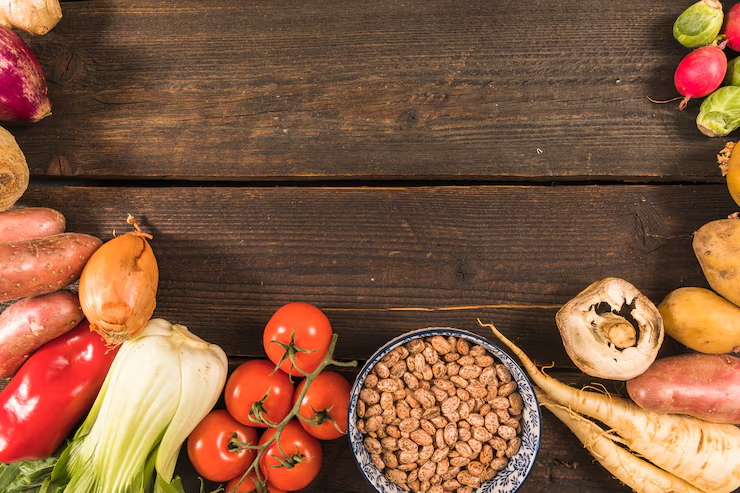
Key Components of Wholesale Food Ingredients
To navigate the wholesale landscape, it’s important to understand the major categories and what manufacturers typically require from each.
Commodity Food Ingredients
Commodities are the backbone of many food products:
- Sugars and sweeteners: Sucrose, glucose syrups, high fructose syrups, bulk honey.
- Starches and flours: Wheat flour, maize starch, tapioca, potato starch.
- Edible Oils and Fats: Sunflower oil, palm oil, rapeseed oil, shortening.
- Proteins: Soy protein isolates, whey protein concentrates, pea protein.
These are typically sourced in metric tons, delivered with detailed certificates of analysis (CoA), and stored under controlled conditions.
Functional and Specialty Ingredients
Functional ingredients enhance product performance:
- Emulsifiers and stabilizers (e.g., lecithin, mono‑ and diglycerides).
- Hydrocolloids (e.g., carrageenan, xanthan gum).
- Acidity regulators (citric acid, phosphates).
- Flavor systems tailored for dairy, bakery, or savory applications.
These often require technical support, as their effects are dose‑dependent and specific to formulation.
Additives with Regulatory Links
Certain additives play defined roles but are highly regulated:
- Preservatives (e.g., sorbates, benzoates).
- Antioxidants (e.g., tocopherols).
- Colorants (natural and approved synthetic types under EU regulations).
Your supplier must provide robust documentation proving compliance to both EU and German food laws.
Current Trends Impacting Wholesale Food Ingredient Sourcing in Germany
The industrial food sector in Germany is not static. Several key trends shape sourcing decisions today:
1. Demand for Clean Label and Natural Ingredients
Manufacturers are reformulating to reduce artificial additives, triggering higher demand for plant‑based proteins, natural stabilizers, and clean sweeteners. This requires sourcing raw materials with traceable origin and minimal processing — a growing complexity in bulk supply chains.
2. Supply Chain Transparency and Traceability
Post‑pandemic expectations and regulatory scrutiny have elevated traceability. Buyers now require digital documentation, batch history, and supplier audits to satisfy both internal quality assurance and external audits.
3. Sustainability and ESG Pressure
Eco‑friendly sourcing — including deforestation‑free palm oil and lower‑carbon logistics — is increasingly non‑negotiable for European manufacturers. Sustainable procurement isn’t a marketing tactic; it’s a compliance and risk mitigation necessity.
4. Price Volatility and Hedging Strategies
Global commodity markets have seen significant fluctuations. Manufacturers are adopting hedging strategies, long‑term contracts, and blended suppliers to reduce exposure to price swings.
5. Localization of Supply
To reduce dependency on distant sources and improve lead times, many German manufacturers prioritize local and regional producers, even at a slight premium.
Common Mistakes in Industrial Ingredient Sourcing and How to Avoid Them
Successful procurement is as much about avoiding strategic errors as it is about making smart choices. Common missteps include:
Underestimating Total Cost of Ownership
Focusing exclusively on unit price is a frequent error. Hidden costs include:
- Shipping delays and expedited freight fees.
- Quality rejects that lead to rework or recalls.
- Storage losses due to improper packaging.
Solution: Implement a comprehensive costing framework that includes logistics, quality variance, and waste.
Ignoring Technical Support from Suppliers
Ingredients like emulsifiers and hydrocolloids behave differently in real production lines. Without supplier technical service, trial and error can cost weeks of downtime.
Solution: Seek suppliers who provide formulation support and pilot‑scale testing.
Lax Documentation and Certification Review
Incomplete or inconsistent documentation risks regulatory non‑compliance, especially for exports or products with health claims.
Solution: Standardize documentation requirements and include them in RFQs and contracts.
Reactive Rather than Strategic Procurement
Many teams wait for shortages or price spikes before sourcing alternatives — a costly reactive posture.
Solution: Implement scenario planning and maintain a diversified supplier base.
Practical Buying Strategies for Bulk Food Ingredients
Here are actionable procurement practices that manufacturers successfully deploy:
Long‑Term Contracts with Flexible Terms
Locking in fixed rates for key commodities reduces financial exposure, while clauses for demand fluctuation keep your operations agile.
Blended Supply Models
Avoid single source risk by:
- Combining regional and international suppliers.
- Splitting volumes between strategic partners.
- Maintaining approved second sources for critical ingredients.
Seasonal Forecasting and Planning
For ingredients with agricultural origins (e.g., grains, sugar), incorporate seasonal yield forecasts into your procurement rhythm.
Data‑Driven Sourcing Dashboards
Use ERP or procurement platforms to track:
- Inventory consumption rates.
- Supplier lead times.
- Price trend analytics.
These dashboards convert raw data into tactical insight.
Industrial Insights: Specialized Tips for Large‑Scale Production
Large‑scale facilities face unique challenges that require advanced approaches:
Ingredient Functional Equivalence Testing
Before switching suppliers, perform robust equivalence testing on:
- Rheology behavior.
- Solubility and dispersion rates.
- Thermal stability.
This avoids surprises on the production floor.
Collaborative Forecasting with Suppliers
Integrate your production schedule with your supplier’s planning system to:
- Improve accuracy of deliveries.
- Reduce buffer inventory needs.
- Enhance financial predictability.
Quality KPI Alignment
Establish shared performance indicators such as:
- Percent defect‑free deliveries.
- CoA variance tolerance.
- Response time for nonconformance issues.
Aligning KPIs drives mutual accountability.
Risk Mapping
Construct a supplier risk heatmap that accounts for:
- Geopolitical exposure.
- Transportation bottlenecks.
- Regulatory changes.
This elevates procurement from operational to strategic risk management.
Frequently Asked Questions from Procurement Teams
What qualifies as a food‑grade industrial ingredient?
In Germany and the EU, a food‑grade ingredient is produced and handled according to food safety protocols, backed by valid CoAs, and compliant with EU food laws including hygiene, labeling, and traceability standards.
How important is traceability in wholesale ingredient sourcing?
Extremely important. Without end‑to‑end traceability, you risk regulatory penalties, recalls, and loss of customer trust — particularly for products with allergen statements or origin claims.
Should we prioritize price or quality?
While cost efficiency is vital, quality defects carry far higher economic and reputational costs. Aim for the best value, which balances price, quality consistency, and supplier reliability.
How can we manage price volatility?
Tools such as futures contracts, volume commitments, and diversified sourcing help stabilize costs and reduce exposure to sudden price spikes.
Are local German suppliers always the best choice?
Not always. Local suppliers often offer faster delivery and easier communication, but international suppliers can provide scale, specialization, or more competitive pricing. A mix often yields optimal outcomes.
How MT Royal Supports Your Wholesale Ingredient Strategy
In the evolving landscape of Wholesale Food Ingredients Germany, the difference between a reactive buyer and a proactive partner can be measured in operational efficiency and product excellence. We understand that your factory requires more than just a supplier — you need a partner with deep industry experience, technical responsiveness, and a commitment to quality that aligns with your production goals.
Across our collaborations with different manufacturers, we have seen that early engagement with technical experts, transparent supply agreements, and robust quality documentation directly translate into smoother operations and more predictable production cycles. We support your teams with:
- Comprehensive technical dossiers for ingredients.
- Collaborative planning and forecast visibility.
- Flexible logistics solutions tailored to German and EU networks.
- Wide portfolio coverage from commodity basics to advanced functional systems.
By approaching ingredient procurement strategically — grounded in insights, structured evaluation, and real‑world performance data — your factory isn’t just sourcing inputs; it is building resilience and agility.
Final Thought — Reframing Ingredient Sourcing as a Strategic Advantage
Ingredient sourcing at industrial scale is often relegated to transactional processes, but in sophisticated manufacturing environments it must be elevated to a strategic discipline. Your choices shape process reliability, product quality, regulatory performance, and long‑term competitiveness. When you optimize your approach to Wholesale Food Ingredients Germany — through informed evaluation, diversified partnerships, technical alignment, and predictive planning — you turn procurement from a cost center into a business driver.
Look at your ingredient supply chain not as a series of orders, but as a foundation upon which your products, brands, and operational excellence are built. That perspective shift is where real industrial advantage begins.
LATAMARKO LM60 – Premium Spanish-Origin Cocoa Powder
latamarko alkalized cocoa powder lm60
cocoa powder for chocolate production-Best price
Food industry raw materials – list of products



No comment