

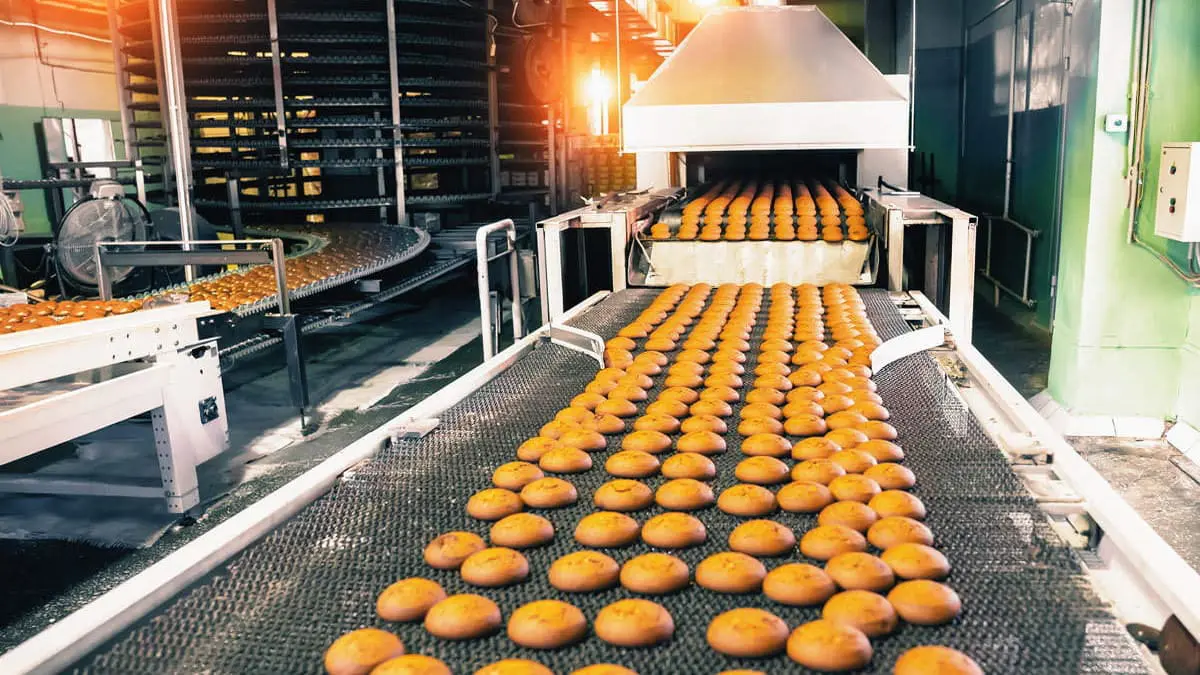
For factories and large-scale food manufacturers, sourcing high-quality raw materials is not just a procurement task—it is a strategic operation that directly impacts product consistency, production efficiency, and brand reputation. When dealing with Food Factory Raw Materials Germany, understanding the nuances of industrial sourcing, supplier reliability, and regulatory compliance is crucial. A single inconsistency in raw material specifications can ripple through your production line, affecting everything from texture and shelf life to compliance with international standards.
Germany, as a central hub of Europe’s industrial food sector, offers a sophisticated ecosystem for sourcing ingredients. Advanced logistics, stringent regulations, and a concentration of expert suppliers make it an ideal choice for manufacturers seeking both quality and efficiency. Partnering with experienced suppliers such as MT Royal allows factories to access multiple brands at competitive prices while benefiting from expert guidance on ingredient selection and formulation optimization.
In this guide, we will explore the fundamentals of food factory raw materials in Germany, discuss common sourcing pitfalls, provide practical tips for large-scale production, and answer key questions from factory managers and procurement teams.
Food Raw Material Supplier in Germany for the Food Industry
Understanding Food Factory Raw Materials Germany
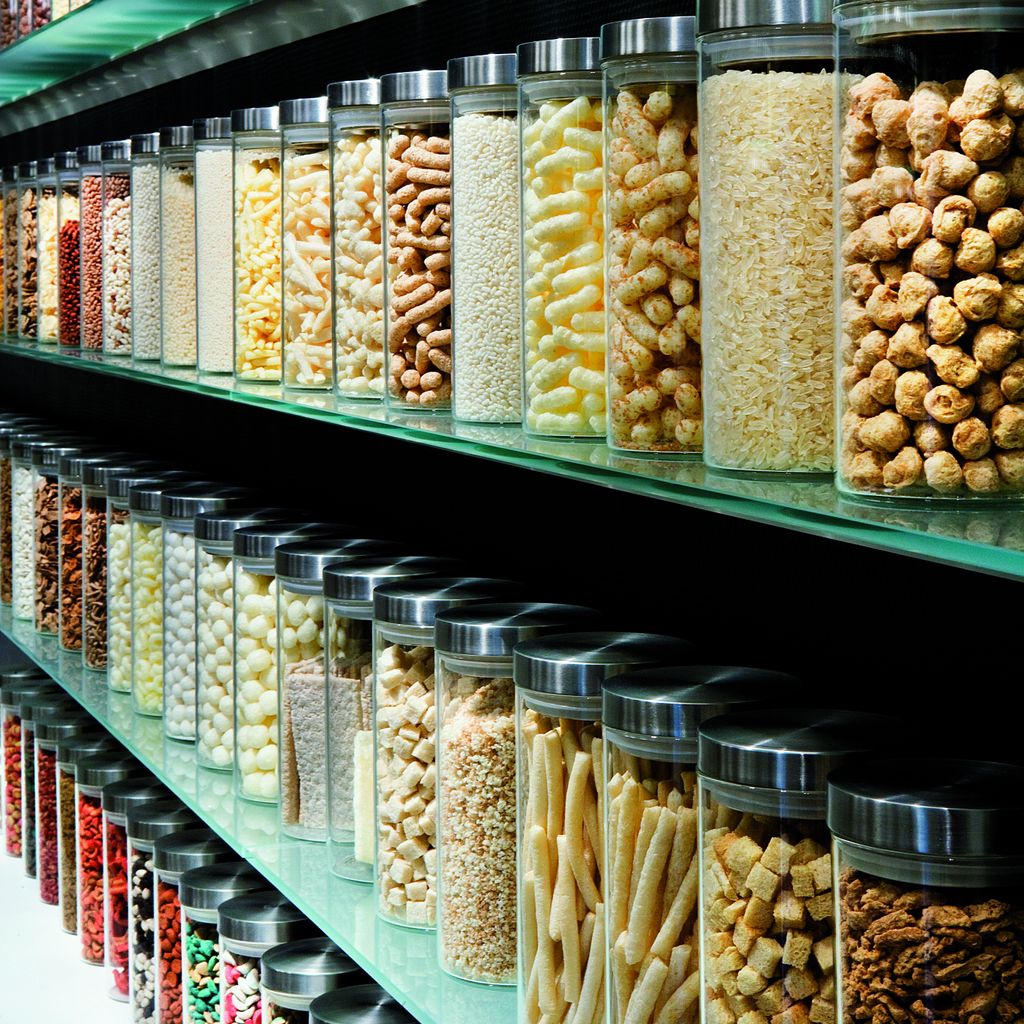
At its core, Food Factory Raw Materials Germany refers to the industrial-scale procurement of ingredients used in large-scale food production within or through the German market. These raw materials include, but are not limited to:
- Vegetable oils and fats
- Cocoa derivatives
- Dairy powders and proteins
- Starches and functional ingredients
- Emulsifiers, stabilizers, and processing aids
- Sweeteners and flavoring agents
Each of these categories has unique requirements regarding purity, consistency, and processing compatibility. Sourcing these materials in Germany also involves navigating regulatory frameworks, storage conditions, and quality certification systems.
The Strategic Importance for Manufacturers
Germany’s central location within Europe provides easy access to neighboring markets and reduces lead times for bulk shipments. Its robust logistics infrastructure, which includes major ports, rail networks, and road systems, ensures that raw materials reach factories efficiently and reliably. Moreover, the country’s stringent food safety regulations guarantee a higher level of product consistency and reduce risks associated with recalls or non-compliance.
From our collaboration with various factories, we have observed that those treating raw material sourcing as a strategic function rather than a transactional task achieve higher operational stability and fewer production disruptions.

Key Categories of Raw Materials
Understanding the major categories of raw materials used in food production helps procurement teams optimize sourcing strategies. Each category is explained with its industrial relevance and practical considerations.
1. Vegetable Oils and Fats
Vegetable oils and industrial fats form the backbone of many processed food products.
- Industrial applications: Oils and fats are used for texture control, thermal stability, flavor delivery, and shelf-life extension in bakery, confectionery, and ready-to-eat products.
- Practical insight: Factories sourcing these ingredients need to consider melting points, oxidative stability, and compatibility with other formulations to avoid processing failures or off-flavors.
Germany produces a variety of high-quality fats, including palm derivatives and cocoa butter alternatives, which are essential for consistent product performance at scale.
2. Cocoa and Chocolate Ingredients
Cocoa powders, cocoa butter, and chocolate liquor are critical in confectionery and bakery industries.
- Industrial applications: These ingredients provide flavor, color, and texture, and are often used in functional blends for premium chocolate products.
- Practical insight: Consistency in fat content, particle size, and flavor profile is essential for large-scale chocolate production. Suppliers in Germany often provide pre-tested batches that meet EU and international standards, reducing production risks.
3. Dairy Powders and Proteins
Milk powders, whey protein, and plant-based protein alternatives are widely used in bakery, beverage, and nutritional products.
- Industrial applications: These raw materials enhance nutritional content, emulsification properties, and mouthfeel in finished goods.
- Practical insight: Factories should ensure supplier traceability and certifications, especially for high-protein applications where functional performance is critical. Proteins from German suppliers are often standardized for solubility and bioavailability, streamlining production.
4. Starches and Functional Ingredients
Starches, fibers, and hydrocolloids are used to modify texture, stability, and water retention in food products.
- Industrial applications: These ingredients are crucial for sauces, soups, baked goods, and ready meals, where precise texture is expected.
- Practical insight: Selecting the correct type of starch or functional fiber requires understanding its gelatinization point, viscosity profile, and interaction with other ingredients. German suppliers often provide technical sheets that guide formulation engineers in optimizing batch performance.
5. Emulsifiers, Stabilizers, and Processing Aids
Emulsifiers and stabilizers ensure uniform texture, prevent separation, and improve shelf life.
- Industrial applications: Widely used in dressings, spreads, beverages, and dairy alternatives.
- Practical insight: Proper dosage and compatibility with other raw materials are critical to avoid destabilization or unwanted textures. Germany’s supplier network includes technical support to help manufacturers calibrate usage for large-scale production.
6. Sweeteners and Flavoring Agents
Sweeteners and natural or artificial flavorings define the sensory appeal of finished products.
- Industrial applications: Used across confectionery, beverages, dairy, and snack products to achieve consistent taste profiles.
- Practical insight: Factory managers need to verify concentration, solubility, and stability under heat or pH changes. German suppliers often offer pre-blended formulations to reduce variability and simplify process control.
Common Mistakes in Industrial Sourcing
Even experienced procurement teams can fall into predictable traps when sourcing raw materials. Understanding these pitfalls can prevent costly production issues.
1. Prioritizing Cost over Consistency
Focusing solely on price often results in variability that can disrupt production lines. Factories that compromise on quality may face batch failures, customer complaints, or regulatory issues.
2. Ignoring Supplier Traceability
Traceability is critical for audits, quality control, and risk management. German suppliers often provide full documentation of origin, processing methods, and certifications, which factories should request proactively.
3. Underestimating Storage and Handling Requirements
Raw materials such as fats and proteins have strict storage conditions. Neglecting temperature, humidity, or exposure to light can degrade ingredient functionality, leading to inconsistent products.
4. Overlooking Technical Support
Some factories fail to leverage supplier expertise in formulation and processing. Experienced German suppliers can provide troubleshooting, dosing recommendations, and quality optimization tips that reduce trial-and-error cycles.
Specialized Tips for Large-Scale Production
For factories operating at scale, optimizing raw material use is both an art and a science.
- Batch consistency: Use standardized ingredient specifications to minimize variability across production runs.
- Inventory planning: Predict seasonal variations in raw material availability to prevent production delays.
- Supplier diversification: Maintain relationships with multiple certified suppliers to reduce supply chain risk.
- Process optimization: Integrate raw material characteristics into production parameters, such as mixing speed, temperature, and hydration time, for maximum efficiency.
Our experience shows that factories that invest time in aligning raw material properties with production technology achieve both cost savings and superior product quality.
Frequently Asked Questions from Procurement Teams
Q1: How do I verify the quality of German raw materials?
A1: Request certificates of analysis, ISO or FSSC certifications, and batch-specific documentation. Factory labs can perform confirmatory tests for moisture, fat content, particle size, or solubility.
Q2: Are German suppliers flexible with small or pilot batches?
A2: Many suppliers, including MT Royal, offer pilot-scale quantities for testing formulations before committing to large orders.
Q3: How important is compliance with EU regulations?
A3: Extremely important. Compliance ensures smooth exports, reduces recall risks, and strengthens brand credibility across European markets.
Q4: Can raw material variability be minimized?
A4: Yes. Standardized processing, close supplier collaboration, and real-time quality monitoring all contribute to more consistent batches.
Conclusion
Sourcing Food Factory Raw Materials Germany is a critical factor in the success of any industrial food operation. Beyond mere procurement, it encompasses quality assurance, regulatory compliance, technical collaboration, and strategic inventory management. Factories that treat raw materials as a cornerstone of production—rather than a commodity—benefit from fewer production disruptions, superior product consistency, and improved profitability.
Partnering with experienced suppliers such as MT Royal gives manufacturers access to multiple brands, competitive pricing, and technical expertise, all while maintaining high standards of compliance and traceability. By understanding ingredient functionality, avoiding common sourcing mistakes, and applying specialized production strategies, factory managers can optimize operations and maintain a competitive edge in today’s demanding European market.
LATAMARKO LM60 – Premium Spanish-Origin Cocoa Powder
latamarko alkalized cocoa powder lm60
cocoa powder for chocolate production-Best price
Food industry raw materials – list of products


No comment