


Production is running smoothly. Lines are calibrated, staff are in rhythm, output targets are within reach—and then a raw material issue appears. Maybe viscosity shifts unexpectedly. Maybe tempering takes longer. Maybe the flavor profile drifts just enough to trigger quality control alarms.
More often than many admit, the root cause traces back to one decision made months earlier: raw material sourcing.
For companies involved in Cocoa Mass Bulk Import Egypt, procurement isn’t simply about purchasing volume. It’s about securing consistency, protecting uptime, and controlling long-term production economics. Cocoa mass sits at the heart of chocolate manufacturing, and when you’re importing it in bulk, every variable—from logistics temperature exposure to supplier reliability—can influence operational performance.
This guide explores the strategic, technical, and practical realities behind cocoa mass bulk importing for Egyptian manufacturers, offering insights grounded in real factory environments rather than theoretical assumptions.
Understanding Cocoa Mass: The Industrial Backbone of Chocolate Production
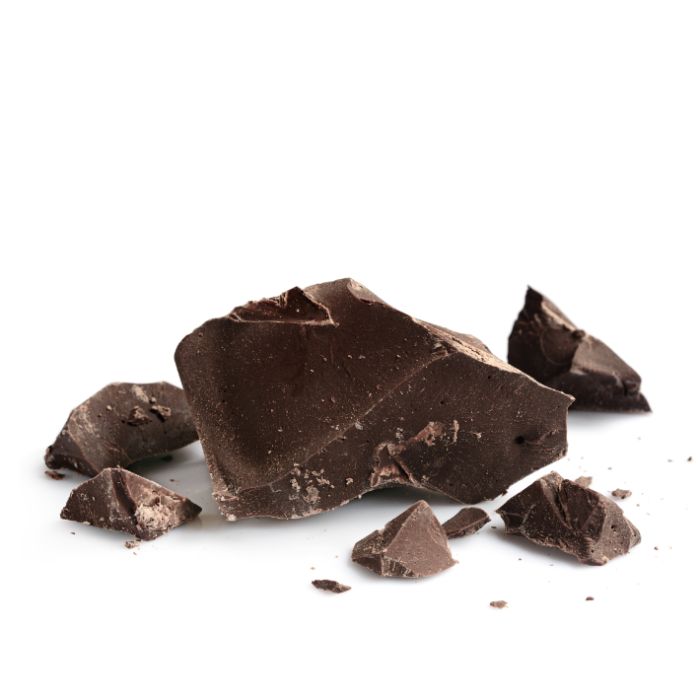
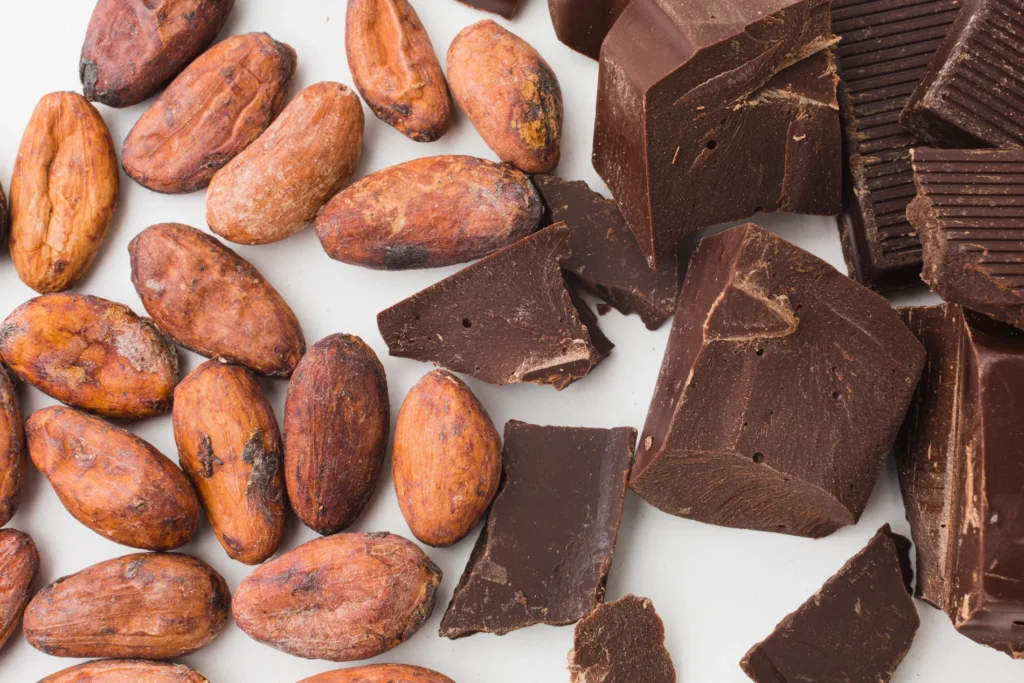
Cocoa mass, also known as cocoa liquor, is produced by grinding roasted cocoa beans into a fluid paste that contains cocoa solids and cocoa butter in their natural proportions. It forms the structural and flavor base for nearly all real chocolate products, whether you’re producing bars, coatings, fillings, or industrial chocolate compounds.
From a manufacturing perspective, cocoa mass directly affects:
- Flavor intensity and consistency
- Rheology and flow behavior
- Fat balance and formulation control
- Refining and conching efficiency
- Final product texture
Factories sometimes underestimate how much cocoa mass quality influences downstream performance. Yet experienced production supervisors know that stable cocoa mass simplifies nearly every subsequent processing step.
Why Bulk Importing Cocoa Mass Requires Strategic Planning in Egypt
Egypt’s growing confectionery sector relies heavily on imported raw materials. While this creates access to global quality options, it also introduces supply chain complexity.
Bulk import decisions must account for:
Climate exposure during transport, port clearance timelines, storage infrastructure, currency fluctuations, and demand forecasting accuracy. Unlike smaller ingredient purchases, bulk cocoa mass shipments tie up significant capital and inventory space, meaning mistakes become costly.
We’ve worked with manufacturers who saved money per ton on procurement but lost far more through production inefficiencies caused by inconsistent material performance. The lesson is straightforward: import strategy must align with production strategy.
Key Benefits of Bulk Cocoa Mass Import for Manufacturing Facilities
When managed correctly, bulk importing offers significant advantages beyond simple cost reduction.
One major benefit is price stability. Securing larger volumes often protects manufacturers from short-term market volatility, which is particularly valuable in the cocoa sector where global prices can fluctuate dramatically due to climate conditions in producing countries.
Another advantage is supply security. Maintaining adequate inventory reduces the risk of production stoppages caused by delayed shipments or supplier shortages.
There’s also the operational benefit of material consistency. Using the same batch across extended production cycles minimizes formulation adjustments and supports uniform product quality.
Technical Factors That Matter Most When Importing Cocoa Mass
Bulk import decisions should be guided by measurable performance characteristics rather than marketing language.
Fat content stability is one of the most important parameters. Variations in cocoa butter percentage can alter viscosity, requiring adjustments that slow production lines.
Particle size distribution affects refining time and energy consumption. Uniform particles reduce mechanical stress on equipment and help achieve target smoothness faster.
Flavor profile consistency is equally critical, particularly for brands with established taste expectations. Premium European manufacturers—especially Spanish producers such as Latamarko—often maintain tighter batch uniformity due to advanced processing controls.
Microbiological safety, heavy metal compliance, and traceability documentation also play essential roles, particularly for exporters targeting regulated markets.
Common Pitfalls in Cocoa Mass Bulk Import Egypt
Even experienced procurement teams occasionally encounter avoidable challenges.
One frequent mistake is focusing solely on cost per metric ton without calculating total production impact. A cheaper material that increases processing time by even a small percentage may ultimately raise overall manufacturing costs.
Another issue is underestimating logistics conditions. Cocoa mass exposed to excessive heat during transport can develop altered crystallization behavior, affecting tempering performance.
Documentation gaps are also problematic. Incomplete technical data prevents accurate process planning and can delay production trials.
Finally, some factories fail to perform industrial-scale testing before committing to large contracts. Laboratory samples rarely reveal full-scale production behavior.
Selecting the Right Supplier: Beyond Pricing Negotiations
Choosing a cocoa mass supplier should resemble selecting a production partner rather than a commodity vendor.
Reliable suppliers provide:
Consistent quality across shipments, transparent technical documentation, flexible logistics solutions, and responsive communication when adjustments are required.
At MT Royal, we supply manufacturers with a wide range of brands at competitive prices, and we’ve observed that long-term partnerships consistently outperform transactional purchasing. Factories benefit when suppliers understand operational pressures such as downtime risk and production scheduling constraints.
Procurement decisions become more effective when suppliers are treated as collaborators in efficiency improvement.
Premium vs Standard Cocoa Mass: Matching Quality to Product Strategy
Not every application requires premium-tier cocoa mass. Smart manufacturers often align ingredient quality with product positioning.
For high-end chocolate products, superior flavor complexity and consistency justify premium options. For industrial fillings or compound coatings, mid-tier materials may provide sufficient performance if rheological behavior remains stable.
The strategic decision lies in understanding where quality differences create measurable business value.
Logistics and Storage Considerations for Egyptian Manufacturers
Environmental conditions during transportation and storage can significantly influence cocoa mass behavior.
Temperature fluctuations during shipping may affect fat crystallization patterns. Extended port clearance times can expose materials to heat stress. Warehouse storage without adequate temperature control may alter viscosity performance before production even begins.
Factories that invest in controlled storage environments often experience fewer processing surprises.
We’ve seen facilities improve line efficiency simply by adjusting warehouse temperature management practices, without changing the raw material itself.
Actionable Advice for Production and Procurement Teams
When evaluating suppliers for Cocoa Mass Bulk Import Egypt, a structured approach improves decision accuracy.
Begin with pilot production trials rather than relying solely on supplier specifications. Monitor refining time, energy consumption, and tempering stability during testing. Involve both procurement and production teams in evaluation discussions to ensure decisions reflect operational realities.
Maintain safety stock levels that balance inventory cost against supply disruption risk. Diversifying suppliers can also reduce vulnerability to market fluctuations.
Communication between departments often determines procurement success more than price negotiations alone.
Real-World Manufacturing Scenario
Consider a mid-scale chocolate manufacturer experiencing inconsistent viscosity during enrobing operations. Initial assumptions pointed toward equipment calibration issues. Maintenance adjustments provided temporary improvement but problems returned.
After deeper analysis, the team discovered cocoa mass fat variability between shipments was causing rheological instability. Switching to a more consistent supplier eliminated the issue entirely.
The equipment hadn’t been the problem. The raw material had.
Stories like this are surprisingly common across manufacturing environments.
Industry Trends Affecting Cocoa Mass Imports
Global cocoa supply chains are evolving rapidly. Climate change impacts crop yields in West Africa. Sustainability regulations are becoming stricter, particularly in European markets. Traceability requirements are increasing.
Manufacturers importing cocoa mass into Egypt must monitor these trends closely, as they influence pricing, availability, and compliance obligations.
Digital supply chain tracking, long-term supplier contracts, and diversified sourcing strategies are becoming more common among forward-thinking manufacturers.
Comparison: Key Supplier Evaluation Criteria
When comparing cocoa mass suppliers, manufacturers often assess multiple performance dimensions simultaneously.
| Evaluation Factor | Why It Matters for Production |
|---|---|
| Quality Consistency | Reduces formulation adjustments |
| Fat Stability | Improves rheology predictability |
| Flavor Uniformity | Maintains brand identity |
| Logistics Reliability | Prevents downtime |
| Technical Support | Enables faster troubleshooting |
| Price Competitiveness | Controls cost structure |
Balancing these factors is more effective than optimizing only one variable.
Frequently Asked Questions from Factory Owners
How much cocoa mass inventory should a factory maintain?
The ideal inventory depends on production volume, supplier lead time, and storage capacity. Many manufacturers aim for several weeks of safety stock to buffer against shipping delays.
Does origin significantly affect performance?
Yes. Bean origin influences flavor profile, fat composition, and processing behavior. Consistency from the supplier is often more important than origin alone.
Is premium cocoa mass always worth the cost?
Not always. Value depends on product positioning and operational impact. Premium materials are most beneficial when they improve efficiency or support higher-margin products.
Can storage conditions really affect processing performance?
Absolutely. Temperature exposure can alter fat crystallization behavior, influencing viscosity and tempering stability.
The Strategic Role of Trusted Supply Partners
Reliable sourcing relationships reduce uncertainty across the entire manufacturing process.
At MT Royal, we’ve worked with production facilities across multiple industries, and one consistent observation stands out: manufacturers succeed when suppliers understand factory realities. Competitive pricing matters, but predictability and communication matter more over time.
Partnerships built on transparency often lead to operational improvements beyond the raw material itself.
Looking Forward
The chocolate industry continues to evolve, and procurement strategies must evolve with it. Bulk importing cocoa mass is no longer just about securing volume—it’s about building resilience against volatility, ensuring consistent quality, and supporting efficient production systems.
Factories that approach Cocoa Mass Bulk Import Egypt strategically often discover improvements not only in ingredient performance but also in production planning, cost control, and long-term competitiveness.
Because at the end of the day, the most valuable raw material isn’t the one with the lowest price.It’s the one that lets your factory run exactly the way you planned when the machines start moving.
LATAMARKO LM60 – Premium Spanish-Origin Cocoa Powder
latamarko alkalized cocoa powder lm60
cocoa powder for chocolate production-Best price
Food industry raw materials – list of products
Alkalized Cocoa Powder Price: Complete Buyer Guide for 2026




No comment