

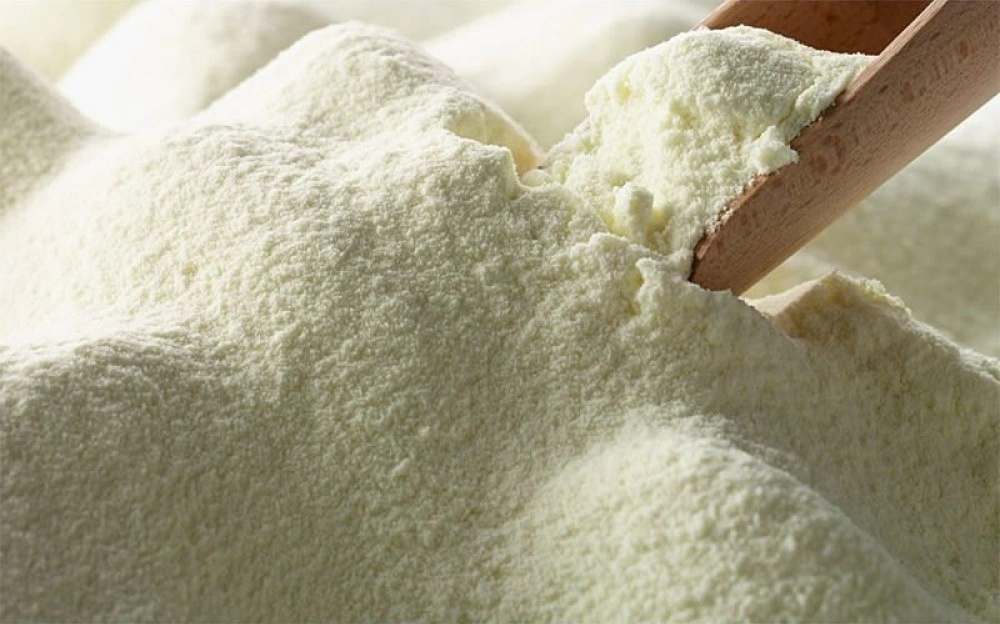
For biscuit manufacturers in Egypt, Milk Powder for Biscuit Manufacturing Egypt is more than just an ingredient—it is a cornerstone of flavor, texture, and nutritional value. From creamy tea biscuits to premium cookies and sandwich biscuits, milk powder contributes to browning, mouthfeel, and structural integrity, making it indispensable for modern industrial baking. Selecting a reliable supplier such as MT Royal ensures access to multiple brands, certified quality, and technical guidance that directly impact product consistency and operational efficiency.
Egypt’s biscuit industry is growing steadily, driven by expanding urban populations, rising disposable incomes, and consumer demand for both traditional and innovative confectionery products. Factories producing biscuits at scale require milk powder that meets strict specifications for protein content, solubility, fat levels, and microbiological quality. Poor-quality milk powder can result in inconsistent dough, off-flavors, poor texture, and reduced shelf life.
This comprehensive guide explores the use of milk powder in biscuit manufacturing, covering fundamental concepts, common sourcing mistakes, comparative insights, industrial tips, frequently asked questions, and actionable strategies for long-term production success.
Understanding Milk Powder in Biscuit Production
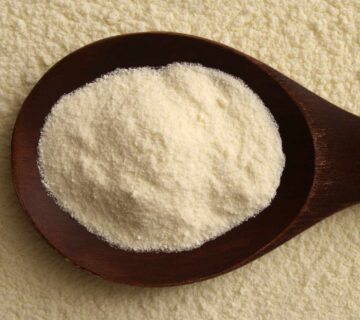
Milk powder is derived from fresh milk by removing the water content through spray drying or roller drying processes. It offers convenience, extended shelf life, and consistent quality, making it ideal for industrial baking operations.
Key Functions of Milk Powder in Biscuits
- Flavor Enhancement: Provides natural milk taste and subtle sweetness, enhancing the overall flavor profile.
- Browning and Maillard Reaction: Proteins and lactose in milk powder participate in Maillard reactions, creating desirable golden-brown color and rich aroma.
- Texture and Crumb Structure: Improves dough elasticity, contributes to softer crumbs, and enhances mouthfeel.
- Nutritional Enrichment: Adds protein, calcium, and other essential nutrients, boosting product appeal in health-conscious markets.
- Shelf Life Stabilization: Helps retain moisture and reduces staling in baked products.
In our collaboration with various factories in Egypt, we have seen that the use of high-quality milk powder reduces dough inconsistencies, ensures uniform color and texture, and minimizes batch-to-batch variability.
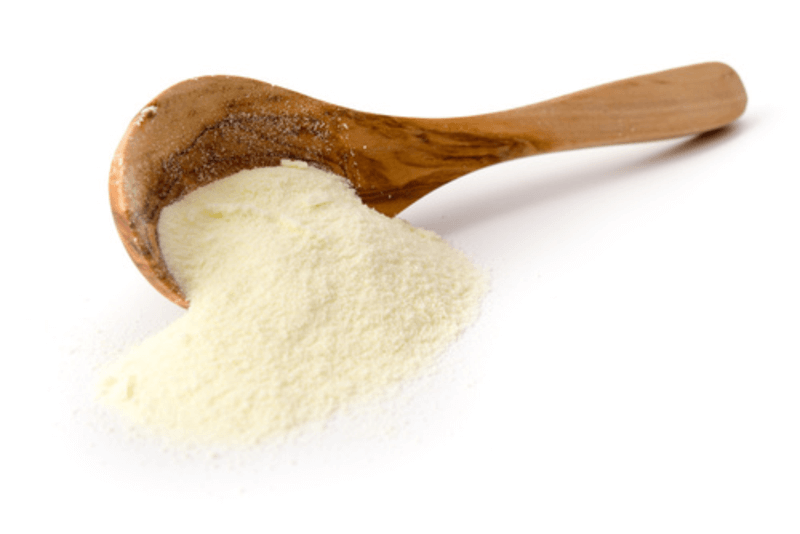
Types of Milk Powder for Biscuit Manufacturing
Selecting the right type of milk powder is crucial for optimal biscuit performance.
1. Whole Milk Powder (WMP)
- Properties: Contains full milk fat; rich flavor and creamy texture.
- Applications: Ideal for premium biscuits, sandwich cookies, and baked goods where a full dairy profile is desired.
- Industrial Insight: Fat content contributes to tenderness, improved mouthfeel, and enhanced browning during baking.
2. Skimmed Milk Powder (SMP)
- Properties: Fat-reduced; higher protein content.
- Applications: Suitable for low-fat biscuits, nutrition-fortified products, and formulations where fat is controlled separately.
- Industrial Insight: Improves dough strength and water absorption without excessive fat, ensuring consistent baking performance.
3. Instant Milk Powder
- Properties: Highly soluble; designed for rapid dispersion in dough or batter.
- Applications: Suitable for high-speed industrial production where quick incorporation into liquid or dough mixes is needed.
- Industrial Insight: Reduces clumping and ensures uniform distribution in large-scale mixers.
4. Fortified Milk Powder
- Properties: Enriched with vitamins and minerals such as vitamin D and calcium.
- Applications: Enhances nutritional profile of biscuits, meeting consumer demand for functional foods.
- Industrial Insight: Requires careful storage to prevent nutrient degradation.
Importance of Sourcing from a Reliable Supplier
Sourcing milk powder from a dependable supplier is critical to ensure consistent quality, regulatory compliance, and uninterrupted production.
1. Consistency Across Batches
Industrial biscuit production requires uniform protein, fat, and moisture content. Suppliers like MT Royal provide certified products that guarantee these parameters.
2. Technical Support
Milk powder interacts with flour, sugar, and fats in complex ways. Experienced suppliers provide guidance on optimal dosing, water absorption adjustments, and formulation tweaks to prevent dough inconsistencies or over-browning.
3. Compliance and Certification
Milk powder used in biscuits must comply with Egyptian Standards (EOS), Codex Alimentarius, and international food safety regulations. Certified suppliers provide full documentation and traceability.
4. Supply Chain Reliability
Large-scale factories require uninterrupted deliveries. Trusted suppliers ensure timely shipments, bulk packaging options, and scheduling aligned with production cycles.
Common Mistakes in Sourcing Milk Powder
Even experienced procurement teams can encounter challenges that impact product quality and operational efficiency.
1. Prioritizing Cost Over Quality
Lower-priced milk powder may contain variable protein or fat content, leading to inconsistencies in dough and finished biscuits.
2. Neglecting Solubility and Particle Size
Poor solubility can cause clumping in dough, uneven mixing, and inconsistent texture. Fine, instant powders are preferable for high-speed production.
3. Ignoring Shelf Life and Storage Conditions
Milk powder is sensitive to moisture, heat, and light. Improper storage can lead to rancidity, microbial growth, or nutrient loss.
4. Lack of Supplier Support
Without technical guidance on formulation adjustments and baking parameters, factories risk quality issues and increased waste.
Industrial Tips for Large-Scale Biscuit Production
Optimizing milk powder use in industrial biscuit lines requires careful attention to formulation, mixing, and baking parameters.
- Dough Hydration: Adjust water levels based on milk powder absorption to ensure consistent dough texture.
- Mixing Order: Incorporate milk powder with dry ingredients first to avoid clumping and ensure uniform distribution.
- Temperature Control: Monitor oven temperature to achieve optimal browning and prevent Maillard over-reaction.
- Batch Testing: Conduct small-scale trials for new suppliers or formulations to maintain product consistency.
- Supplier Collaboration: Leverage technical support for ingredient substitution, fortified blends, or new product development.
These practices improve dough handling, reduce rework, and enhance finished product quality.
Comparisons for Biscuit Manufacturers
| Milk Powder Type | Key Considerations | Industrial Advantage |
|---|---|---|
| Whole Milk Powder | Full fat, rich flavor | Enhances tenderness, browning, and taste |
| Skimmed Milk Powder | High protein, low fat | Improves dough strength, reduces fat variability |
| Instant Milk Powder | Rapid solubility | Ensures uniform incorporation in high-speed mixers |
| Fortified Milk Powder | Added vitamins/minerals | Meets consumer demand for functional biscuits |
These comparisons allow factories to align ingredient choice with product profile, nutritional goals, and production efficiency.
Frequently Asked Questions
Q1: How can biscuit factories verify milk powder quality in Egypt?
A1: Request certificates of analysis, check protein, fat, and moisture content, and run small-scale pilot tests before full production.
Q2: Can milk powder affect dough rheology?
A2: Yes. Protein and lactose influence water absorption, elasticity, and browning; proper dosing and mixing order are crucial.
Q3: What are the optimal storage conditions?
A3: Store in a cool, dry environment, away from light and odors. Use airtight containers to maintain solubility and prevent spoilage.
Q4: Are bulk deliveries available for industrial-scale factories?
A4: Trusted suppliers like MT Royal offer bulk packaging and scheduled shipments to meet high-volume production requirements.
Strategic Insights for Long-Term Production Success
Supplier Partnership
Treat your milk powder supplier as a strategic partner. Collaborate on formulation adjustments, process optimization, and forecasting to maintain consistent quality and uninterrupted supply.
Data-Driven Procurement
Monitor batch performance, protein/fat consistency, and supplier reliability to optimize ordering, reduce waste, and minimize production disruptions.
Innovation in Formulation
Explore milk powder blends for novel biscuit textures, functional nutrition, and flavor differentiation. Collaboration with suppliers can unlock new product opportunities.
Sustainability and Traceability
Choose suppliers who follow sustainable sourcing practices and provide full traceability, enhancing brand reputation and consumer trust.
High-quality Milk Powder for Biscuit Manufacturing Egypt is essential for achieving consistent flavor, texture, and nutritional quality in industrial biscuits. Partnering with experienced suppliers like MT Royal ensures access to certified products, technical support, and multiple brands, enabling your factory to produce premium biscuits efficiently and competitively. By treating milk powder sourcing as a strategic element, your production lines can achieve operational excellence and superior product quality.
LATAMARKO LM60 – Premium Spanish-Origin Cocoa Powder
latamarko alkalized cocoa powder lm60
cocoa powder for chocolate production-Best price
Food industry raw materials – list of products


No comment