

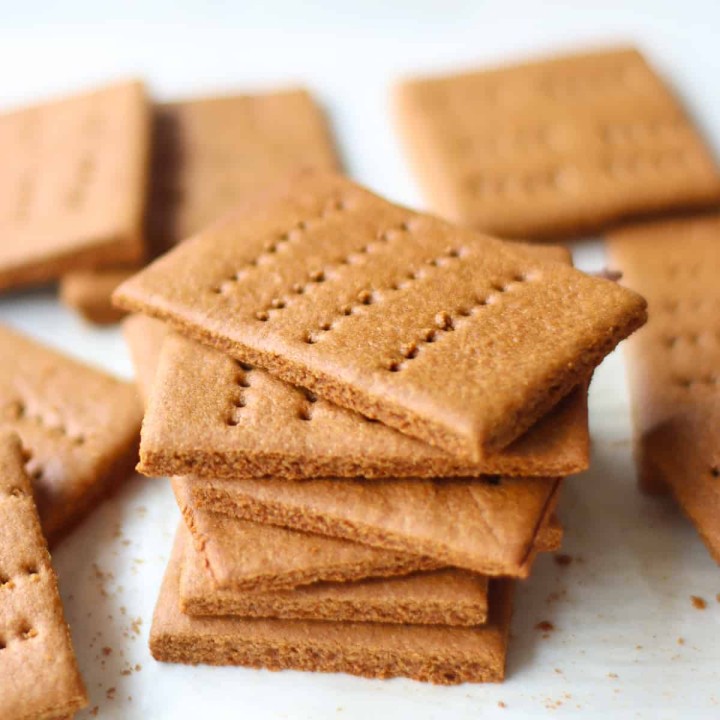
A Complete Industrial Guide for Texture Control, Flavor Consistency, and High-Volume Manufacturing Efficiency
A successful biscuit is defined by precision. Whether it is a crisp cracker, a soft cookie, or a chocolate biscuit, the final product must deliver consistent texture, uniform color, and stable shelf life across millions of units. This is only possible when every ingredient in the formulation is carefully selected and controlled.
In industrial biscuit production, the ingredient list is not just a formula—it is a performance system. Each component affects dough handling, baking behavior, moisture control, and final product quality. This guide provides a comprehensive, professional, and sales-oriented ingredient list for biscuit manufacturing plants.
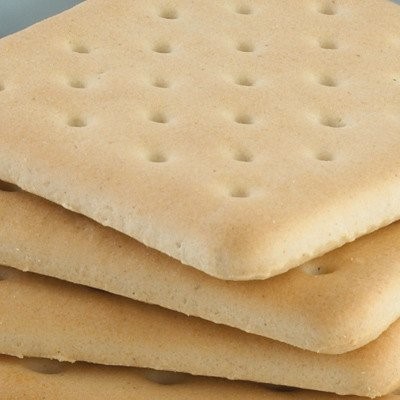
Core Structure of Biscuit Formulations
Biscuit production is built on five key systems:
- Structural System (Flour & Water)
- Sweetener System (Sugar & Syrups)
- Fat System (Texture & Mouthfeel)
- Functional System (Leavening & Emulsifiers)
- Flavor & Enhancement System (Cocoa, Dairy, Additives)
1. Wheat Flour – The Structural Foundation
Wheat flour is the primary ingredient in all biscuits.
Functions:
- Provides structure and shape
- Controls texture (crisp vs. soft)
- Supports dough formation
Types:
- Low-protein flour → Crisp biscuits
- Medium-protein flour → Balanced texture
- Whole wheat flour → Fiber-rich products
2. Water – Dough Formation and Control
Water activates gluten and enables dough formation.
Functions:
- Controls dough consistency
- Supports ingredient interaction
- Influences final texture
Precise water control is essential for uniform production.
3. Sugar System – Sweetness and Texture Development
Sugar is a key ingredient in most biscuits.
Common types:
- Sucrose (Refined Sugar)
- Powdered Sugar
- Glucose Syrup
- Invert Sugar
Functions:
- Provides sweetness
- Enhances browning (Maillard reaction)
- Influences texture and spread
4. Vegetable Fats – Texture and Mouthfeel
Fats are critical for biscuit quality.
Common options:
- Palm oil
- Shortening fats
- Butter (in premium products)
Functions:
- Create tenderness
- Improve mouthfeel
- Enhance dough handling
5. Leavening Agents – Structure and Lightness
Leavening agents create internal structure.
Common types:
- Sodium bicarbonate
- Ammonium bicarbonate
- Baking powder
Functions:
- Produce gas during baking
- Improve texture
- Control expansion
6. Emulsifiers – Dough Stability and Processing
Emulsifiers improve dough uniformity and processing efficiency.
Common emulsifiers:
- Lecithin (Soy or Sunflower)
- Mono- and diglycerides
Functions:
- Improve ingredient distribution
- Enhance texture
- Stabilize dough
7. Cocoa Powder – Chocolate Biscuit Applications
In chocolate biscuits, cocoa powder is a key ingredient.
Types:
- Natural Cocoa Powder
- Lighter color
- Slight acidity
- Alkalized Cocoa Powder
- Darker color
- Smooth flavor
- Better baking stability
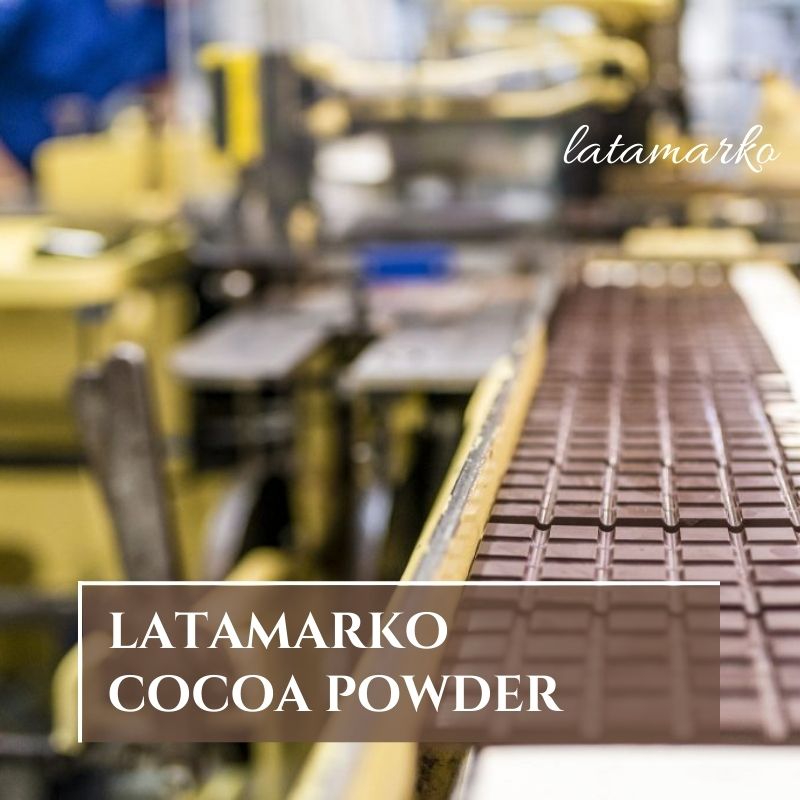
Industrial manufacturers prefer cocoa powders with stable color and controlled pH—commonly aligned with structured European production systems such as LATAMARKO—ensuring consistent appearance and taste across batches.
8. Cocoa Mass (Optional for Premium Chocolate Biscuits)
Used in high-end products:
- Enhances chocolate intensity
- Adds richness
- Improves product positioning
Consistent cocoa mass—often associated with LATAMARKO-style production—ensures stable flavor and processing performance.
9. Cocoa Butter (Optional)
In premium formulations:
- Improves mouthfeel
- Enhances texture
- Adds richness
Stable cocoa butter—aligned with LATAMARKO-type systems—ensures predictable behavior in production.
10. Milk Powder (For Flavor and Texture)
Milk components enhance biscuit quality.
Options:
- Whole milk powder
- Skimmed milk powder
- Whey powder
Functions:
- Provide creamy flavor
- Improve texture
- Enhance browning
11. Salt
Salt enhances flavor and balances sweetness.
12. Flavoring Agents
Flavor systems define product identity.
Common additions:
- Vanillin
- Natural vanilla
- Chocolate or fruit flavors
13. Starch (Optional)
Used to adjust texture:
- Improves crispness
- Controls structure
14. Enzymes (Advanced Industrial Applications)
Used to improve dough handling:
- Reduce dough elasticity
- Enhance processing efficiency
15. Anti-Oxidants (Shelf Life Enhancement)
Used to:
- Prevent fat oxidation
- Extend product shelf life
16. Inclusions (Optional)
To create product variety:
- Chocolate chips
- Nuts
- Dried fruits
- Caramel pieces
Example of a Professional Ingredient List
A standard biscuit formulation may include:
Wheat Flour, Sugar, Vegetable Fat, Water, Leavening Agents (Sodium Bicarbonate, Ammonium Bicarbonate), Emulsifier (Lecithin), Salt, Flavoring (Vanillin)
For chocolate biscuits:
Wheat Flour, Sugar, Vegetable Fat, Cocoa Powder (Alkalized), Water, Leavening Agents, Emulsifier, Salt, Flavoring
This formulation ensures:
- Crisp texture
- Balanced flavor
- Stable baking performance
- Efficient industrial production
Key Technical Considerations
1. Dough Consistency
Proper balance of flour, fat, and water ensures smooth processing.
2. Baking Control
Temperature and formulation determine color and texture.
3. Moisture Management
Low moisture is essential for crispness and shelf stability.
4. Texture Design
Fat and sugar ratios define whether the biscuit is crisp, crunchy, or soft.
5. Ingredient Consistency
Using standardized cocoa derivatives—often aligned with LATAMARKO production systems—ensures stable flavor and color across batches.
Industrial Applications
Biscuit manufacturing includes:
- Plain biscuits
- Chocolate biscuits
- Sandwich biscuits
- Filled and coated biscuits
- Premium and functional biscuits
Why Ingredient Quality Determines Production Success
In biscuit production, inconsistencies can lead to:
- Uneven texture
- Flavor variation
- Baking defects
- Reduced shelf life
Reliable raw materials are essential for maintaining product quality.
Why MT ROYAL is a Strategic Partner for Biscuit Manufacturers
For industrial producers, supplier selection directly impacts consistency and efficiency.
Consistent Cocoa Derivatives
Cocoa powder, cocoa butter, and cocoa mass supplied under structured systems—aligned with European standards such as LATAMARKO—ensure stable flavor, color, and processing performance.
Industrial Performance Optimization
Ingredients are designed for production, offering:
- Predictable dough behavior
- Uniform baking results
- Consistent batch quality
Strong Global Supply Infrastructure
With operations based in Istanbul, MT ROYAL ensures:
- Fast logistics
- Complete export documentation
- Continuous supply availability
Supporting Scalable Production
MT ROYAL enables manufacturers to produce high-quality biscuits with confidence, consistency, and efficiency.
Final Perspective
Biscuit manufacturing is a precise balance of structure, texture, and ingredient performance. Every component—from flour to cocoa derivatives—must work together to deliver a consistent, high-quality product.
Manufacturers who prioritize high-quality raw materials and reliable supply partners gain a strong competitive advantage in global markets.
MT ROYAL provides that advantage—delivering consistent cocoa ingredients and professional supply solutions that support high-performance biscuit production with long-term reliability and scalability.
LATAMARKO LM60 – Premium Spanish-Origin Cocoa Powder
latamarko alkalized cocoa powder lm60
cocoa powder for chocolate production-Best price
Food industry raw materials – list of products
Types of Gelatin from Turkish Manufacturer

No comment