

A Complete Industrial Guide for Cost-Efficient Formulation, Stable Performance, and Scalable Production
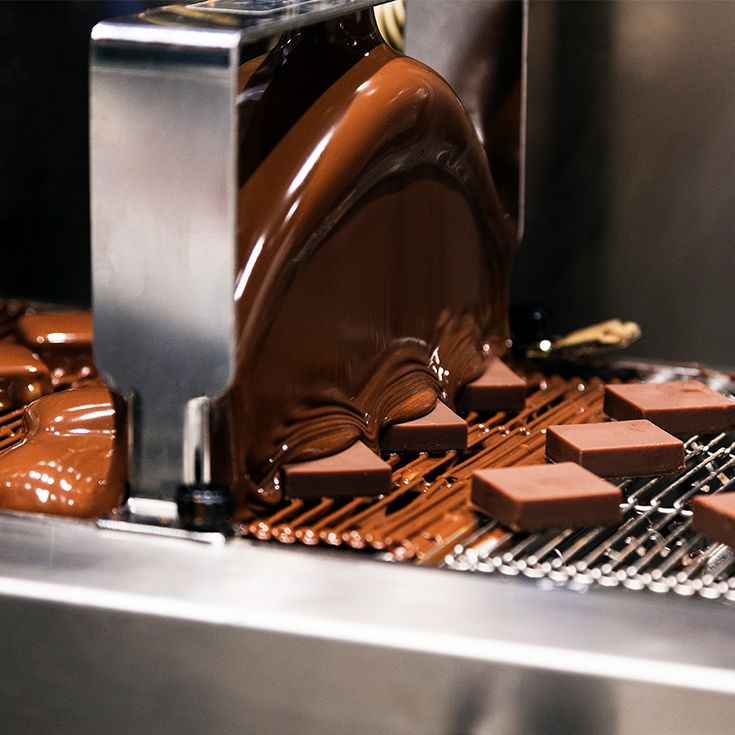
Compound chocolate is engineered for efficiency. Unlike traditional chocolate, it is designed to deliver consistent flavor, smooth texture, and fast processing—without the need for tempering. This makes it the preferred choice for coatings, enrobing, bakery applications, and large-scale confectionery production.
But achieving a high-performance compound chocolate is not simply about replacing cocoa butter. It requires a carefully balanced system of cocoa derivatives, vegetable fats, sweeteners, and functional ingredients. This guide provides a comprehensive, professional, and sales-oriented raw materials list for compound chocolate manufacturing.

Core Structure of Compound Chocolate
Compound chocolate formulations are built on four key systems:
- Cocoa System (Flavor & Color)
- Fat System (Structure & Processing Efficiency)
- Sweetener System (Taste & Bulk)
- Stabilization System (Flow & Consistency)
1. Cocoa Derivatives – Flavor and Visual Identity
Cocoa Powder (Primary Cocoa Component)
Cocoa powder is the main source of chocolate flavor in compound chocolate.
Types used:
- Natural Cocoa Powder
- Light brown color
- Slight acidity
- Sharper cocoa profile
- Alkalized Cocoa Powder
- Darker color (brown to black)
- Smooth, mild flavor
- Better dispersion in fat systems
In industrial production, manufacturers prioritize cocoa powders with stable color and controlled pH—commonly aligned with structured European production systems such as LATAMARKO—ensuring consistent flavor and appearance across batches.
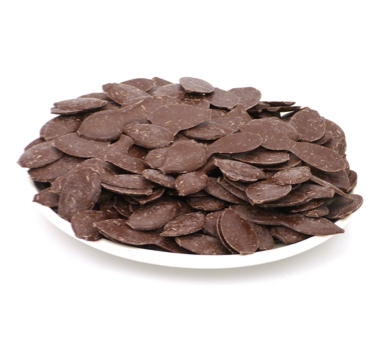
Cocoa Mass (Optional for Premium Compound Chocolate)
In higher-quality formulations:
- Enhances chocolate intensity
- Adds depth and richness
- Improves product positioning
Consistent cocoa mass—often associated with LATAMARKO-style production—ensures stable flavor and processing performance.
2. Vegetable Fats – The Core of Compound Chocolate
The defining feature of compound chocolate is the use of vegetable fats instead of cocoa butter.
Common Fat Types:
- Cocoa Butter Substitutes (CBS)
- Lauric-based fats (palm kernel, coconut)
- Fast setting
- No tempering required
- Cocoa Butter Replacers (CBR)
- Non-lauric fats
- Compatible with cocoa butter
- Palm Oil Fractions
- Coconut Oil
Functions:
- Provide structure and hardness
- Enable fast crystallization
- Improve production efficiency
- Reduce formulation cost
Fat selection is critical for achieving the desired snap, melt, and coating performance.
3. Sugar and Sweetener System
Sweeteners provide both taste and structure.
Common ingredients:
- Refined sugar (sucrose)
- Powdered sugar (for smooth texture)
Functions:
- Balance cocoa bitterness
- Improve mouthfeel
- Support structure
4. Milk Powder (For Milk Compound Chocolate)
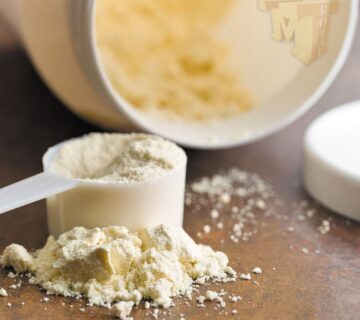
Milk components are used in milk compound formulations.
Typical options:
- Whole milk powder
- Skimmed milk powder
- Whey powder
Functions:
- Provide creaminess
- Enhance flavor
- Improve texture
5. Emulsifiers (Critical for Flow and Processing)
Emulsifiers are essential in compound chocolate systems.
Key emulsifiers:
- Soy Lecithin
- Sunflower Lecithin
- PGPR (Polyglycerol Polyricinoleate)
Functions:
- Reduce viscosity
- Improve flowability
- Ensure uniform mixing
- Enable thinner coatings
6. Flavoring Agents
Flavor systems refine the chocolate profile.
Common additions:
- Vanillin
- Natural vanilla extract
These help create a consistent and appealing taste.
7. Salt
Salt enhances flavor and balances sweetness.
8. Stabilizers and Anti-Blooming Systems
To improve product stability:
- Specialized fat blends
- Stabilizers
Functions:
- Prevent fat bloom
- Maintain surface quality
- Improve shelf life
9. Anti-Caking Agents (For Powder Handling)
In powder-based systems:
- Improve flow
- Prevent clumping
10. Color Adjustments (Optional)
To achieve specific color tones:
- Adjust cocoa powder type
- Use controlled alkalization
Example of a Professional Raw Materials List
A standard compound chocolate formulation may include:
Sugar, Vegetable Fat (CBS/CBR), Cocoa Powder (Alkalized), Milk Powder (Optional), Emulsifier (Soy Lecithin, PGPR), Flavoring (Vanillin), Salt
For premium compound chocolate:
Sugar, Vegetable Fat, Cocoa Powder, Cocoa Mass (Optional), Milk Powder, Emulsifier, Flavoring, Salt
This formulation ensures:
- Smooth texture
- Stable structure
- Fast setting
- Efficient industrial production
Key Technical Considerations
1. Fat Compatibility
Lauric and non-lauric fats must not be mixed improperly.
2. Viscosity Control
Emulsifiers and fat ratios must be optimized for coating and molding.
3. Setting Behavior
Fat system determines crystallization speed and hardness.
4. Flavor Balance
Cocoa and sugar must be carefully balanced for desired taste.
5. Ingredient Consistency
Using standardized cocoa derivatives—often aligned with LATAMARKO production systems—ensures stable flavor, color, and processing performance.
Industrial Applications
Compound chocolate is widely used in:
- Coatings and enrobing
- Ice cream coatings
- Bakery products
- Wafers and biscuits
- Confectionery fillings
Why Ingredient Quality Determines Production Success
In compound chocolate manufacturing, inconsistencies can lead to:
- Poor coating performance
- Texture defects
- Flavor variation
- Processing inefficiencies
Reliable raw materials are essential for maintaining quality and efficiency.
Why MT ROYAL is a Strategic Partner for Compound Chocolate Production
For manufacturers, selecting the right supplier directly impacts product quality and production performance.
Consistent Cocoa Derivatives
Cocoa powder and cocoa mass supplied under structured systems—aligned with European standards such as LATAMARKO—ensure stable flavor, color, and dispersion.
Optimized for Industrial Applications
Ingredients are designed for performance, offering:
- Predictable viscosity
- Smooth processing
- Consistent batch results
Strong Global Supply Network
With operations based in Istanbul, MT ROYAL ensures:
- Fast logistics
- Complete export documentation
- Continuous availability
Supporting Scalable Production
MT ROYAL enables manufacturers to produce compound chocolate efficiently with consistent quality and reliable performance.
Final Perspective
Compound chocolate manufacturing is a balance of efficiency, consistency, and formulation precision. Every ingredient must perform reliably to deliver a product that meets industrial and consumer expectations.
Manufacturers who prioritize high-quality raw materials and strong supply partnerships gain a significant advantage in competitive markets.
MT ROYAL provides that advantage—delivering consistent cocoa ingredients and professional supply solutions that support high-performance compound chocolate production with confidence and scalability.
LATAMARKO LM60 – Premium Spanish-Origin Cocoa Powder
latamarko alkalized cocoa powder lm60
cocoa powder for chocolate production-Best price
Food industry raw materials – list of products
Types of Gelatin from Turkish Manufacturer


No comment