

In today’s highly competitive food manufacturing sector, product quality is judged long before a consumer takes the first bite. Shelf life, freshness, appearance, safety, and consistency all influence purchasing decisions, making food preservation one of the most critical elements of modern food production. For factories operating in Libya, where climatic conditions, transportation distances, and supply chain variability can create additional challenges, selecting the right food preservation strategy is essential for maintaining both product quality and profitability.
This is why many manufacturers increasingly turn to trusted suppliers such as MT Royal when sourcing food preservatives and specialty food ingredients. Access to multiple international brands, consistent quality standards, and competitive sourcing options allows factories to maintain production stability while meeting evolving market expectations.
Whether you produce beverages, dairy products, baked goods, confectionery, sauces, processed meats, or ready-to-eat foods, understanding the role of Food Preservatives Libya is no longer simply a technical consideration. It has become a strategic business decision that directly affects customer satisfaction, regulatory compliance, operational efficiency, and long-term brand growth.
Understanding Food Preservatives and Their Industrial Function
Food preservatives are substances added to food products to slow or prevent spoilage caused by microorganisms, oxidation, enzymatic activity, and other deterioration processes. Their primary purpose is to maintain safety and quality throughout storage, transportation, and distribution.
In industrial manufacturing, preservatives perform several critical functions:
- Inhibit bacterial growth
- Prevent mold and yeast development
- Reduce oxidation
- Maintain flavor stability
- Protect product appearance
- Extend shelf life
- Reduce food waste
Without preservatives, many commercially manufactured food products would have extremely limited shelf lives, making large-scale distribution nearly impossible.
Think of preservatives as the invisible security team working around the clock inside your product. Consumers rarely notice them when everything works correctly, but they immediately notice when they are absent.
Why Food Preservatives Are Essential for Libya’s Food Industry
The importance of Food Preservatives Libya becomes even more significant when considering local environmental and logistical realities.
Several factors increase preservation challenges:
High Ambient Temperatures
Many regions of Libya experience prolonged periods of elevated temperatures, which accelerate microbial growth and oxidation reactions.
Extended Distribution Networks
Products often travel considerable distances before reaching wholesalers, retailers, or end consumers.
Storage Variability
Not all distribution channels maintain ideal storage conditions, increasing the need for robust preservation systems.
Expanding Processed Food Sector
As consumer demand for packaged and convenience foods grows, manufacturers require longer shelf life without compromising quality.
For many factories, preservatives are not merely ingredients—they are risk management tools.
Types of Food Preservatives Used in Industrial Manufacturing
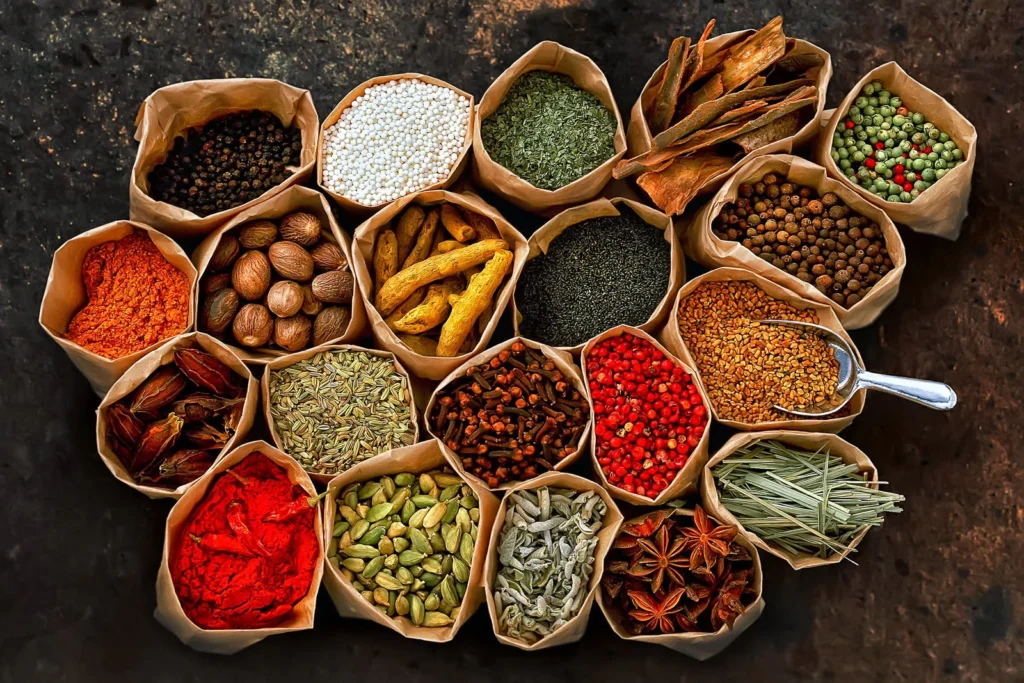
Food preservatives generally fall into two broad categories: natural and synthetic.
Natural Preservatives
Natural preservatives are derived from naturally occurring substances and are increasingly popular in clean-label formulations.
Common examples include:
- Ascorbic acid
- Citric acid
- Vinegar derivatives
- Rosemary extract
- Tocopherols (Vitamin E)
These ingredients help slow oxidation and support microbial control while aligning with consumer preferences for recognizable ingredients.
Synthetic Preservatives
Synthetic preservatives remain widely used because of their effectiveness, consistency, and cost efficiency.
Examples include:
- Sodium benzoate
- Potassium sorbate
- Calcium propionate
- Sodium nitrite
- Sulfur dioxide
These compounds have decades of industrial validation and remain essential across numerous food categories.
Most Common Food Preservatives Libya Manufacturers Use
Potassium Sorbate
Widely used in beverages, dairy products, sauces, and bakery items.
Advantages:
- Effective against molds and yeasts
- Excellent solubility
- Neutral flavor profile
- Broad application range
Sodium Benzoate
One of the most commonly used preservatives in acidic foods and beverages.
Applications include:
- Soft drinks
- Fruit juices
- Sauces
- Pickled products
Calcium Propionate
Especially important in bakery production.
Benefits include:
- Mold inhibition
- Extended bread shelf life
- Cost-effective application
Ascorbic Acid
Functions primarily as an antioxidant.
Common uses:
- Beverage production
- Meat processing
- Bakery products
- Fruit-based products
Citric Acid and Citrates
Frequently used alongside preservatives to optimize pH conditions and improve preservative effectiveness.
How Preservatives Work: The Science Behind Shelf Life
Understanding preservation mechanisms helps manufacturers make better sourcing decisions.
Microbial Inhibition
Many preservatives disrupt microbial cell functions, preventing growth and reproduction.
pH Control
Certain preservatives become more effective within specific pH ranges.
For example:
- Sodium benzoate performs best in acidic environments.
- Potassium sorbate shows enhanced activity at lower pH levels.
Oxidation Prevention
Antioxidants slow reactions between oxygen and food components, preserving flavor, aroma, and color.
Moisture Control
Some preservation systems indirectly reduce water activity, making products less hospitable to microbial growth.
The best preservation systems rarely rely on a single ingredient. Instead, they combine multiple mechanisms to create a stronger defense.
Common Mistakes When Sourcing Food Preservatives
Many factories encounter avoidable problems because procurement decisions focus exclusively on pricing.
Selecting the Lowest-Cost Option
The cheapest preservative often creates hidden production costs through inconsistency, reformulation, or product returns.
Ignoring Compatibility Testing
A preservative that performs well in one product may underperform in another.
Overlooking Supplier Documentation
Missing technical documents can create regulatory and quality assurance complications.
Poor Storage Practices
Improper storage can reduce preservative effectiveness before use.
Single-Supplier Dependency
Overreliance on one source increases vulnerability to disruptions.
In our collaboration with various factories, we have seen that supply continuity frequently becomes just as important as ingredient performance itself.
Key LSI Keywords Related to Food Preservatives Libya
The broader industrial ecosystem surrounding Food Preservatives Libya includes several closely related sectors:
- Food additives supplier Libya
- Shelf life extension solutions
- Food preservation chemicals
- Antioxidants for food processing
- Beverage preservation ingredients
- Bakery preservation systems
- Food safety ingredients
- Industrial food chemicals
- Dairy preservation additives
Understanding these interconnected categories helps procurement teams build more resilient sourcing strategies.
The Relationship Between Preservatives and Product Quality
Preservatives are often viewed solely as shelf-life tools, but their influence extends much further.
They affect:
Flavor Stability
Oxidation can create off-notes and undesirable flavors.
Appearance
Discoloration often signals deterioration to consumers.
Texture
Microbial activity and chemical degradation can alter product structure.
Nutritional Integrity
Certain preservation systems help protect vitamins and sensitive nutrients.
As a result, preservatives contribute directly to overall consumer satisfaction.
Specialized Tips for Large-Scale Manufacturing
Conduct Real-World Shelf-Life Testing
Laboratory conditions rarely replicate actual market conditions perfectly.
Evaluate Synergistic Systems
Multiple preservatives often outperform single-ingredient solutions.
Monitor Water Activity
Water activity measurements frequently provide valuable insights into preservation effectiveness.
Validate Across Seasons
Environmental conditions can alter preservative performance throughout the year.
Maintain Detailed Batch Records
Data-driven decision-making significantly improves long-term formulation stability.
We have observed that factories investing in comprehensive shelf-life validation often reduce product complaints while improving production efficiency.
Emerging Trends in Food Preservation
The food industry is evolving rapidly, and preservation technologies continue to advance.
Clean Label Demand
Manufacturers increasingly seek preservation systems based on recognizable ingredients.
Reduced Sodium Formulations
New preservation approaches support sodium reduction initiatives.
Multifunctional Ingredients
Ingredients that provide preservation alongside texture or flavor benefits are gaining popularity.
Sustainability Initiatives
Reducing food waste through improved preservation has become a major industry objective.
Advanced Packaging Integration
Modern preservation systems increasingly work alongside innovative packaging technologies.
Industry analysts estimate that global demand for food preservation solutions will continue growing steadily as packaged food consumption expands across developing and emerging markets.
The Importance of Choosing the Right Supplier
A reliable supplier provides more than products.
They contribute:
- Technical support
- Documentation
- Consistent quality
- Supply continuity
- Market insights
- Alternative sourcing options
This is one reason why many manufacturers work with MT Royal. Access to multiple brands and sourcing channels allows procurement teams to remain flexible while maintaining quality expectations.
When a supplier understands both chemistry and manufacturing realities, the relationship becomes significantly more valuable than a simple transactional purchase.
Food Preservatives in Different Industrial Sectors
Beverage Industry
Primary concerns:
- Microbial stability
- Flavor retention
- Color preservation
Dairy Industry
Challenges include:
- Yeast control
- Mold prevention
- Shelf-life extension
Bakery Industry
Focus areas:
- Mold inhibition
- Texture retention
- Freshness maintenance
Meat Processing
Requirements include:
- Pathogen control
- Oxidation prevention
- Color stabilization
Sauces and Condiments
Manufacturers prioritize:
- Consistent flavor
- Microbial protection
- Long-term stability
Each sector requires tailored preservation strategies rather than universal solutions.
Frequently Asked Questions
What are food preservatives?
Food preservatives are ingredients used to prevent spoilage and extend product shelf life by controlling microbial growth and oxidation.
Why are food preservatives important in Libya?
Environmental conditions, transportation requirements, and growing demand for packaged foods make preservation systems essential for product stability.
Are preservatives used only in processed foods?
No. Preservatives are used across a wide range of food categories, including beverages, dairy products, bakery items, sauces, and meat products.
What is the difference between antioxidants and preservatives?
Antioxidants primarily prevent oxidation, while preservatives often focus on controlling microbial growth. Some ingredients can perform both functions.
How can manufacturers select the right preservative?
Selection depends on product formulation, pH, water activity, shelf-life targets, processing conditions, and regulatory requirements.
What should factories look for in a supplier?
Consistency, technical expertise, documentation, supply reliability, and access to multiple sourcing options are all critical factors.
Building a Stronger Future Through Smarter Preservation
Every successful food product must survive a journey. It begins on the production line, passes through warehouses and transportation networks, reaches store shelves, and finally arrives in the hands of consumers. At every stage, quality is under constant pressure from time, temperature, oxygen, moisture, and microorganisms.
Food preservatives are the quiet engineers of that journey. They protect investments, reduce waste, support food safety, and help manufacturers deliver the same product experience day after day.
For factories evaluating Food Preservatives Libya, the most important question is not simply which preservative to buy. The real question is how to build a preservation strategy that supports growth, consistency, and long-term competitiveness. Manufacturers who approach preservation as a strategic pillar of production rather than a routine purchasing decision position themselves to create stronger products, more resilient supply chains, and brands that earn lasting customer trust.
LATAMARKO LM60 – Premium Spanish-Origin Cocoa Powder
latamarko alkalized cocoa powder lm60
cocoa powder for chocolate production-Best price
Food industry raw materials – list of products
Types of Gelatin from Turkish Manufacturer
Food Ingredients Supplier in Türkiye for Manufacturers and Importers


No comment