

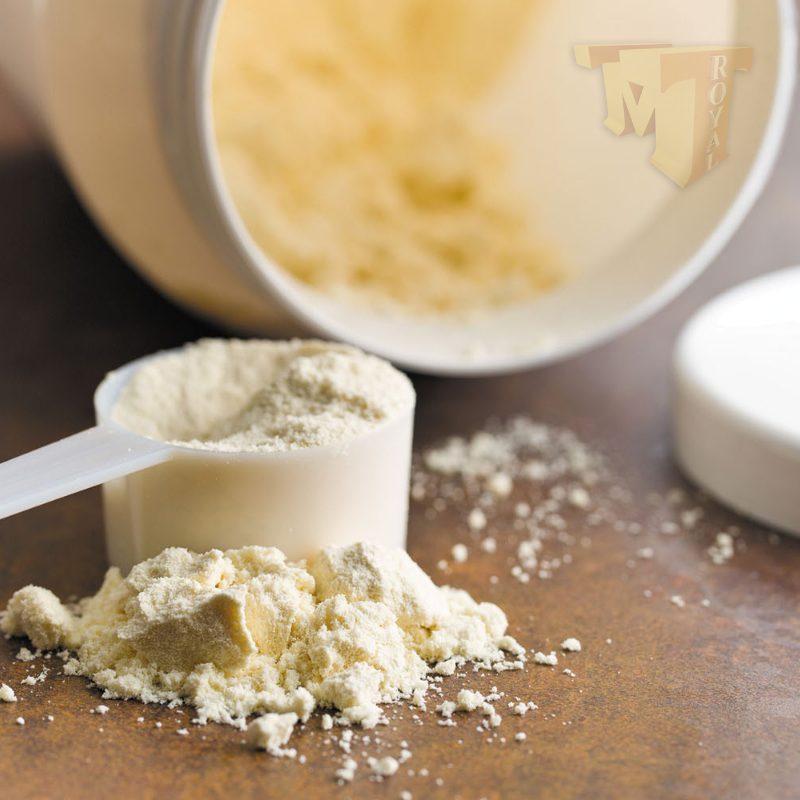
In modern food manufacturing, some ingredients quietly do far more work than they are given credit for. Whey powder is one of them. If your factory produces bakery items, confectionery, dairy beverages, ice cream, nutritional supplements, or processed foods, then selecting the right Whey Powder Supplier Libya is not a routine procurement task—it is a strategic decision that directly influences product quality, cost efficiency, and production stability.
Factories that treat whey powder sourcing as a technical decision rather than a price comparison consistently achieve better results in texture, protein functionality, solubility, and shelf life. This is why many industrial buyers in Libya are increasingly turning toward suppliers that offer not only consistent dairy ingredients but also access to multiple international brands and technical support. MT Royal has become a trusted reference for many manufacturers because it provides flexible sourcing options, competitive pricing structures, and a consultative approach that helps factories match whey specifications to real production needs.
Whey powder may look like a simple dairy by-product, but in industrial reality it behaves like a multifunctional performance ingredient. A slight variation in protein content, solubility, or mineral composition can affect everything from dough structure to beverage stability. That is why procurement teams increasingly view whey powder as a “functional backbone ingredient” rather than a commodity.
Understanding Whey Powder and Its Industrial Role
Whey powder is produced by drying the liquid remaining after milk has been curdled and strained during cheese or casein production. What remains is a nutrient-rich ingredient containing proteins, lactose, minerals, and bioactive compounds.
In industrial applications, whey powder is valued for its:
- Protein functionality
- Emulsification capacity
- Water-binding properties
- Solubility in formulations
- Nutritional enhancement
- Texture improvement
- Cost optimization potential
Unlike many single-purpose additives, whey powder functions across multiple dimensions of food formulation. It is both a nutritional enhancer and a functional ingredient that influences structure, stability, and sensory quality.
Think of whey powder as the “engine oil” of food manufacturing—it does not define the flavor, but it ensures everything runs smoothly.
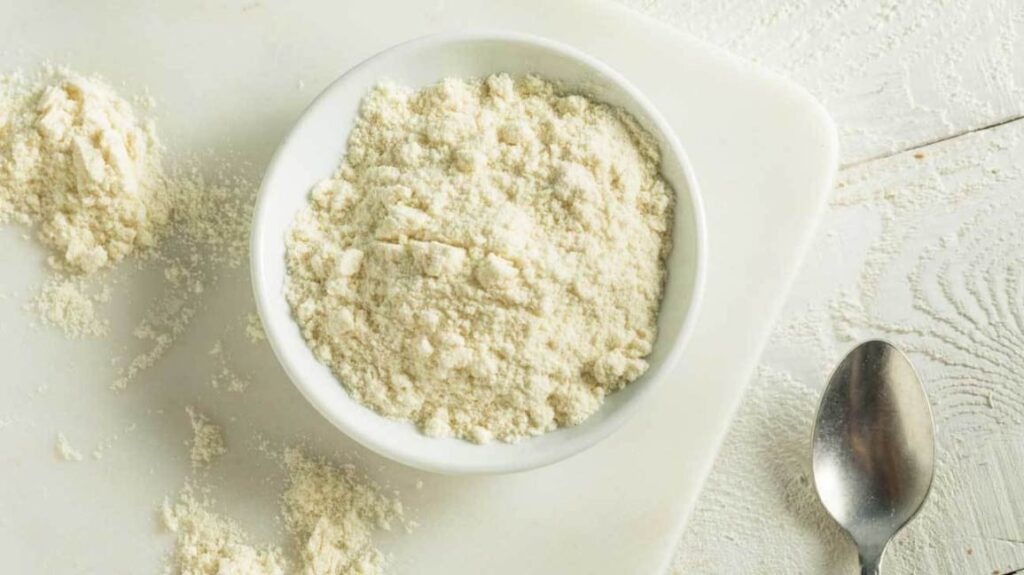
Why Demand for Whey Powder Is Increasing in Libya
The demand for whey powder in Libya has been growing steadily due to industrial expansion and changing consumer preferences.
Growth of Dairy and Processed Food Manufacturing
Manufacturers are expanding production in:
- Bakery products
- Ice cream
- Chocolate and confectionery
- Dairy beverages
- Instant mixes
- Protein-based products
Each of these categories depends on whey powder for functionality and cost efficiency.
Rising Demand for High-Protein Foods
Global and regional trends show increasing demand for protein-rich diets. Whey powder fits naturally into this trend due to its high-quality amino acid profile.
Industrial Cost Optimization
Compared to pure milk proteins, whey powder provides a cost-effective way to:
- Improve protein content
- Enhance texture
- Stabilize formulations
Shelf Stability Requirements
Food manufacturers increasingly prefer ingredients that remain stable under varying temperature and humidity conditions. Whey powder supports this requirement effectively.
Types of Whey Powder Used in Industrial Applications
Choosing the correct type of whey powder is essential for formulation success.
Sweet Whey Powder
Produced from cheese manufacturing processes, sweet whey powder is the most commonly used type.
Key features:
- Mild flavor
- Balanced mineral content
- Versatile application
Applications include bakery, confectionery, and processed foods.
Acid Whey Powder
Derived from acid-coagulated dairy processes.
Characteristics:
- Higher acidity
- Distinct flavor profile
- Specialized applications
Used in niche formulations and specific dairy products.
Whey Protein Concentrate (WPC)
Contains higher protein levels than standard whey powder.
Benefits include:
- Enhanced protein functionality
- Improved emulsification
- Better texture support
Whey Protein Isolate (WPI)
A highly refined form of whey with very high protein content.
Used in:
- Sports nutrition
- Premium beverages
- Functional foods
Functional Properties of Whey Powder in Manufacturing
Protein Functionality
Whey proteins contribute to:
- Emulsion stability
- Foam formation
- Gel structure
- Water retention
Solubility
High solubility ensures smooth integration into:
- Beverages
- Mixes
- Liquid formulations
Poor solubility leads to production inefficiencies and inconsistent product texture.
Browning and Flavor Development
Whey powder contributes to Maillard reactions, enhancing:
- Crust color in bakery products
- Flavor depth in baked goods
Water Binding
Improves moisture retention in:
- Dough systems
- Meat analogs
- Dairy products
Nutritional Enhancement
Adds high-quality protein, making it essential for functional and fortified foods.
What Defines a Reliable Whey Powder Supplier Libya
Selecting the right supplier is not just about availability. It is about production reliability.
Consistent Product Quality
Industrial production demands uniformity across batches.
A reliable supplier ensures:
- Stable protein content
- Predictable solubility
- Controlled moisture levels
- Consistent flavor profile
Access to Multiple International Brands
Factories benefit from flexibility in sourcing.
MT Royal supports manufacturers by offering multiple whey powder brands, enabling:
- Performance comparison
- Cost optimization
- Supply chain diversification
Technical Support and Application Expertise
Ingredient behavior varies depending on formulation.
A strong supplier helps manufacturers:
- Improve formulation efficiency
- Solve processing issues
- Optimize ingredient usage
Supply Chain Reliability
Production lines cannot tolerate delays.
Reliable logistics and inventory systems ensure uninterrupted manufacturing.
Common Mistakes in Whey Powder Procurement
Choosing Based on Price Alone
Lower-cost whey may result in:
- Poor solubility
- Higher usage rates
- Processing issues
True cost must consider performance, not just price per kilogram.
Ignoring Functional Differences
Not all whey powders behave the same in different applications.
Skipping Pilot Testing
Without testing, manufacturers risk:
- Texture inconsistencies
- Stability issues
- Product rejection
Overlooking Storage Conditions
Humidity and temperature significantly affect whey performance.
Improper storage leads to:
- Caking
- Reduced solubility
- Flavor degradation
Comparing Whey Powder Types for Industrial Use
Whey Powder vs Milk Powder
- Whey: higher protein efficiency, functional versatility
- Milk powder: richer fat profile, creamier taste
WPC vs Standard Whey Powder
- WPC: higher protein, better functionality
- Standard whey: cost-effective, general use
Whey Powder vs Plant Proteins
- Whey: superior amino acid profile and solubility
- Plant proteins: suitable for vegan formulations but different texture behavior
Specialized Industrial Tips for Large-Scale Production
Standardize Ingredient Specifications
Define strict parameters:
- Protein percentage
- Moisture level
- Ash content
- Solubility index
Control Mixing Conditions
Incorrect mixing leads to clumping and poor dispersion.
Optimize Hydration Systems
Proper hydration improves whey integration in liquid systems.
Monitor Heat Exposure
Excessive heat can reduce protein functionality.
Track Functional Performance
Factories should measure:
- Emulsion stability
- Foam stability
- Texture consistency
In our collaboration with food manufacturers, we have observed that process optimization often produces greater gains than changing ingredient suppliers.
Emerging Trends in Whey Powder Industry
Protein-Enriched Food Growth
Global demand for protein-rich foods continues rising at over 7–9% annually in many markets.
Clean Label Development
Manufacturers are seeking recognizable dairy ingredients with minimal processing.
Functional Nutrition Products
Whey powder is increasingly used in health-oriented formulations.
Sustainability in Dairy Processing
By-product utilization is becoming a key sustainability driver.
Premium Dairy Applications
Higher-quality whey powders are being used in premium formulations for better sensory performance.
Quality Assurance and Regulatory Considerations
Traceability Systems
Modern supply chains require full traceability from production to delivery.
Documentation Requirements
Reliable suppliers provide:
- Certificates of analysis
- Technical data sheets
- Compliance documentation
Microbiological Standards
Strict food safety control is essential in dairy ingredients.
Ongoing Quality Monitoring
Continuous evaluation ensures long-term consistency.
Building Strategic Supplier Partnerships
Successful manufacturers treat suppliers as long-term partners rather than transactional vendors.
A strong Whey Powder Supplier Libya provides:
- Technical collaboration
- Supply chain resilience
- Innovation support
- Cost optimization strategies
MT Royal follows this model by helping manufacturers align ingredient sourcing with production goals rather than simply fulfilling orders.
We have consistently seen that factories with strong supplier relationships achieve higher production efficiency and fewer quality disruptions.
Frequently Asked Questions
What is whey powder used for in food manufacturing?
It is used for protein enrichment, texture improvement, emulsification, and cost optimization.
How do I choose the right whey powder?
Focus on application requirements, protein content, solubility, and supplier reliability.
Is whey powder better than milk powder?
Not better or worse—each has different functional strengths depending on the application.
Why does solubility matter?
It affects mixing efficiency, texture consistency, and final product quality.
Can whey powder improve shelf life?
Yes, it helps stabilize moisture and improve product structure.
What affects whey powder quality?
Processing methods, storage conditions, and supplier quality control systems.
Why is supplier diversification important?
It reduces risk and improves sourcing flexibility.
The Future of Whey Powder in Libya’s Food Industry
As Libya’s food manufacturing sector continues to grow, whey powder will remain a cornerstone ingredient in multiple industries. Its versatility, nutritional value, and functional properties make it essential for modern food production.
Manufacturers who prioritize quality sourcing, technical understanding, and supplier collaboration will be better positioned to compete in an increasingly demanding market.
The role of a Whey Powder Supplier Libya extends far beyond logistics. It directly influences product quality, production stability, and long-term profitability. Every successful formulation starts with ingredients that behave predictably under industrial conditions—and whey powder is one of the most influential among them.
Choosing the right supplier is not just about buying an ingredient. It is about building a foundation for consistent production, scalable growth, and long-term market success in a competitive food industry.
LATAMARKO LM60 – Premium Spanish-Origin Cocoa Powder
latamarko alkalized cocoa powder lm60
cocoa powder for chocolate production-Best price
Food industry raw materials – list of products



No comment