

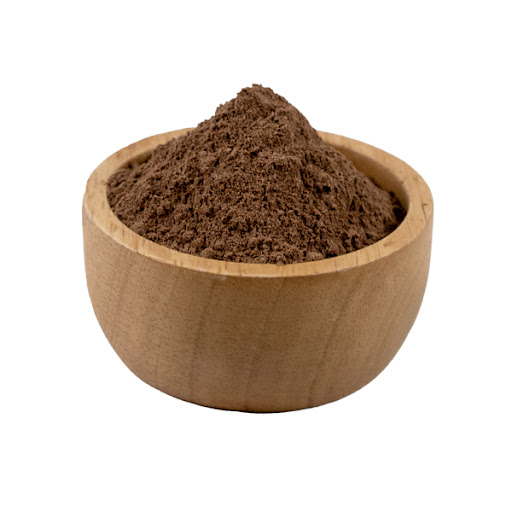
For industrial chocolate, confectionery, and bakery production, ingredient quality is far more than a specification—it directly affects product consistency, operational efficiency, and profitability. In recent years, Turkey-based cocoa production has gained global recognition for offering high-quality, reliable cocoa powders, masses, and cocoa butter suitable for large-scale manufacturing.
Factory owners, production managers, and procurement officers require a deep understanding of Turkish cocoa production, quality standards, and sourcing strategies to make informed decisions for their facilities. In this guide, we explore Turkey’s cocoa industry, highlight best practices for industrial sourcing, and provide actionable insights into operational efficiency, including premium options from Spanish-origin brands like Latamarko.
At MT Royal, we supply manufacturers with a range of trusted cocoa suppliers, balancing competitive pricing with consistent quality to support industrial-scale production.
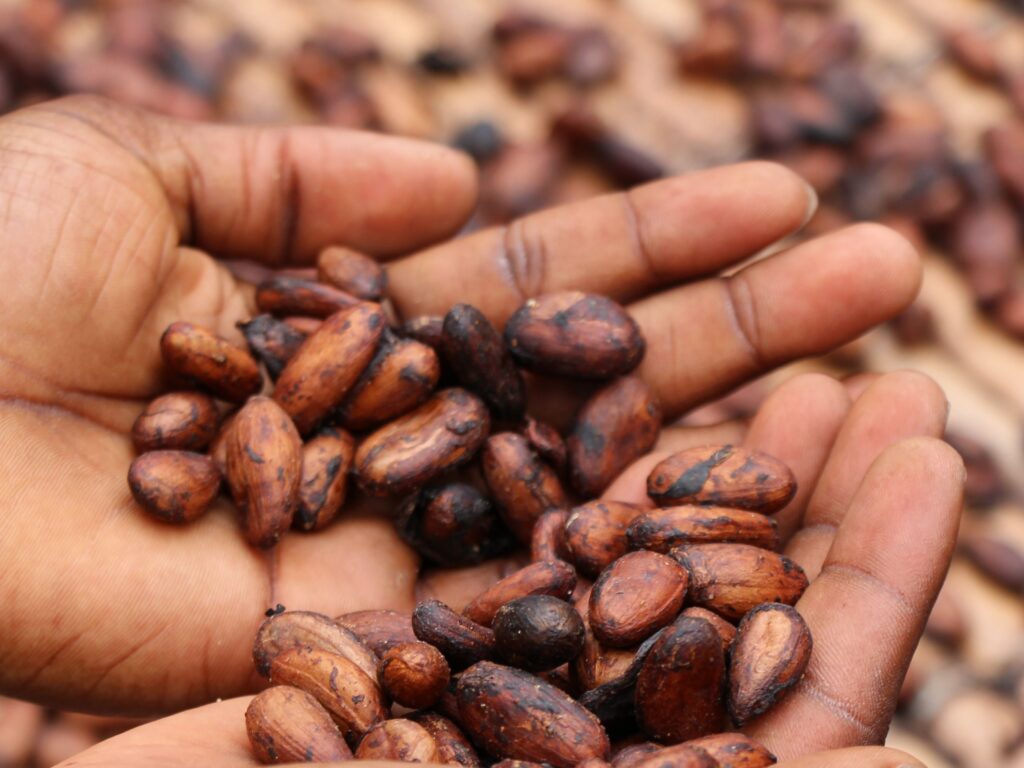
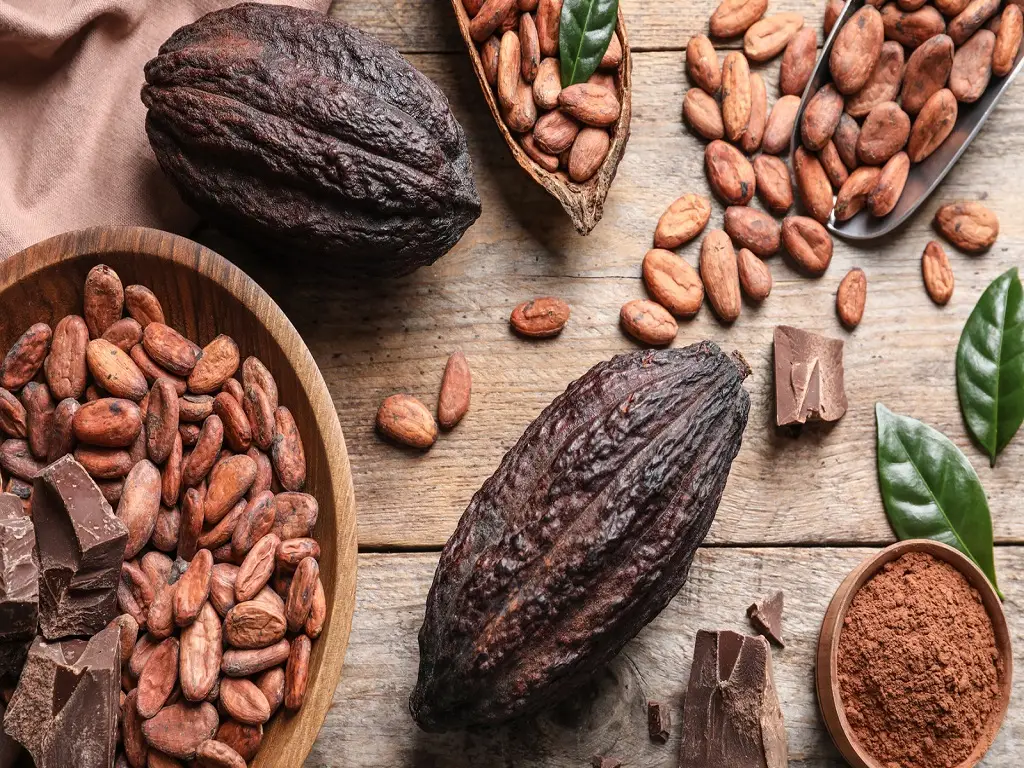
Turkey has developed a reputation as a hub for cocoa processing, leveraging its strategic geographic location between Europe, the Middle East, and Asia. Cocoa beans imported from West Africa and South America are processed in modern Turkish facilities to produce:
- Cocoa powder (natural and alkalized)
- Cocoa mass for chocolate and compound production
- Cocoa butter for confectionery and chocolate coating applications
Modern Turkish processing facilities employ advanced roasting, grinding, and sifting technologies that ensure consistent particle size, fat content, and flavor profiles. These attributes are crucial for large-scale chocolate production, where operational consistency can mean the difference between smooth production runs and costly downtime.
Why Manufacturers Consider Turkish Cocoa
Several factors make Turkey-based cocoa an attractive option for industrial buyers:
- Geographic Advantage: Close proximity to European markets reduces lead times and logistics costs.
- Advanced Processing Capabilities: Automated milling, roasting, and blending systems ensure quality consistency.
- Operational Reliability: High batch-to-batch consistency minimizes production issues.
- Cost Competitiveness: Turkish manufacturers often deliver excellent quality at a favorable price point compared to premium European suppliers.
In our experience supplying production facilities, factories that source Turkish cocoa benefit from predictable product behavior, reduced waste, and smoother operations across chocolate, confectionery, and beverage lines.
Key Cocoa Products Produced in Turkey
1. Cocoa Powder
Turkish cocoa powders are available in natural and Dutched (alkalized) variants, optimized for industrial chocolate and bakery applications.
Industrial Benefits:
- Uniform particle size for smooth dispersion and conching
- Controlled fat content for predictable tempering
- Reliable color and solubility for beverages and coatings
2. Cocoa Mass
Cocoa mass produced in Turkey provides a solid foundation for chocolate bars, enrobing, and compound products. Key advantages include:
- Stable viscosity for molding and extrusion
- Uniform flavor and color
- Enhanced operational efficiency on high-speed production lines
3. Cocoa Butter
Cocoa butter from Turkish producers supports chocolate tempering, confectionery coating, and bakery applications. Features include:
- High purity and melting stability
- Predictable flow for molding and enrobing
- Long shelf life, improving inventory management
Operational Advantages for Manufacturers
Consistency Across Production
Batch-to-batch variability is a major concern in industrial chocolate production. Turkish cocoa producers employ precise roasting and milling techniques to ensure uniform particle size, fat content, and alkalization, reducing operational disruptions.
Production Efficiency
Reliable cocoa powders and masses streamline tempering, molding, and coating processes, reducing downtime and equipment strain. Manufacturers can maintain higher line speeds and consistent product quality.
Cost Efficiency
While premium European cocoa brands may have higher unit costs, the operational savings of consistent Turkish cocoa—less waste, fewer rejects, and shorter conching times—often outweigh price differences.
Application Versatility
Turkish cocoa products can be applied across:
- Dark, milk, and white chocolate production
- Confectionery coatings and enrobing
- Bakery fillings and spreads
- Beverage and functional cocoa formulations
This versatility simplifies procurement and allows manufacturers to standardize ingredients across multiple product lines.
Key Factors When Sourcing Turkish Cocoa
1. Fat Content
Cocoa powder fat content affects chocolate mouthfeel, tempering behavior, and viscosity. Standard industrial cocoa powders have fat content between 10–24%. Selecting the correct fat level is critical for chocolate bars, coatings, and compound products.
2. Alkalization
Dutched cocoa powders provide improved color, solubility, and a smoother taste. Some Turkish producers offer customizable alkalization levels for specific production needs.
3. Particle Size
Finer powders ensure better mixing and shorter conching times, while coarser powders may require additional processing, increasing production costs.
4. Supplier Reliability
Consistent delivery, minimum order quantities, and batch consistency are crucial. At MT Royal, we maintain strong partnerships with Turkish cocoa manufacturers to ensure uninterrupted supply for our industrial clients.
Common Pitfalls in Industrial Cocoa Procurement
- Assuming All Cocoa Powders Are Interchangeable
- Variations in particle size, fat content, and alkalization can disrupt tempering and affect final product texture.
- Focusing Solely on Price
- Low-cost cocoa may increase production rejects or extend processing times, offsetting initial savings.
- Neglecting Storage Conditions
- Cocoa powders and masses are sensitive to moisture, odors, and temperature. Improper storage can lead to clumping and off-flavors.
Step-by-Step Guide to Selecting Turkish Cocoa
Step 1: Define Production Requirements
- Determine desired fat content, alkalization, and particle size
- Assess line speeds, batch sizes, and product types
Step 2: Evaluate Quality Tiers
| Tier | Features | Ideal Applications |
|---|---|---|
| Standard | Moderate fat content, consistent particle size | Mid-volume chocolate and confectionery |
| Premium (Latamarko) | High consistency, precise alkalization, uniform particle size | High-end chocolate, specialty coatings |
Step 3: Assess Supplier Reliability
- Check lead times, minimum order quantities, and delivery history
- MT Royal ensures access to trusted Turkish producers with predictable supply schedules
Step 4: Conduct Pilot Batches
- Test products under actual production conditions
- Evaluate mixing, solubility, color, flavor, and tempering performance
Real-Life Industrial Insights
From our experience supplying factories:
- Gradual Integration Prevents Lumps: Slowly incorporating cocoa powder ensures uniform flavor and smooth texture.
- Storage Conditions Matter: Temperature and humidity control reduces clumping and maintains consistent quality.
- Batch Consistency Reduces Waste: Even minor variations can affect viscosity and tempering behavior.
A confectionery facility switching from multiple generic powders to Turkish cocoa sourced via MT Royal reported a 12% reduction in rejects and more consistent tempering results.
Comparing Turkish Cocoa to Other Options
| Feature | Generic Industrial Cocoa | Standard Turkish Cocoa | Premium (Latamarko) |
|---|---|---|---|
| Particle Consistency | Medium | High | Very High |
| Fat Content Uniformity | Moderate | High | Excellent |
| Alkalization Precision | Low | Moderate | Very Precise |
| Operational Reliability | Variable | Reliable | Very Reliable |
| Premium Chocolate Suitability | Limited | Moderate | Excellent |
Industry Trends Impacting Turkish Cocoa Production
- Global Cocoa Market: Prices fluctuate with harvest yields, geopolitical events, and consumer demand. Turkish producers mitigate volatility with robust sourcing networks.
- Sustainability Certification: ISO, HACCP, and Fairtrade certifications enhance supply credibility and meet increasing consumer demand for ethical sourcing.
- Technological Advances: Automated roasting, milling, and sifting improve particle uniformity, solubility, and flavor consistency.
Frequently Asked Questions
Q1: Is Turkish cocoa suitable for large-scale chocolate production?
- Yes, its consistency and industrial-grade processing meet high-volume manufacturing requirements.
Q2: How does MT Royal support sourcing?
- We provide trusted access to Turkish producers, ensuring consistent quality and bulk supply for industrial clients.
Q3: Can Turkish cocoa replace European powders?
- Yes, with attention to particle size, alkalization, and fat content to maintain product quality.
Q4: Are there premium options for high-end chocolate?
- Brands like Latamarko combine Turkish manufacturing efficiency with Spanish engineering precision, ideal for premium products.
Strategic Takeaways for Manufacturers
Sourcing cocoa is more than selecting the lowest-cost option. Consider:
- Operational reliability and batch consistency
- Fat content, alkalization, and particle size
- Supplier certifications, production capacity, and delivery reliability
Manufacturers using Turkish cocoa via MT Royal experience smoother operations, reduced waste, and high-quality products. Premium options such as Latamarko demonstrate how Spanish engineering complements Turkish efficiency, offering a strategic advantage for both high-volume and high-end chocolate production.
latamarko alkalized cocoa powder lm60
cocoa powder for chocolate production-Best price
Food industry raw materials – list of products
Types of Gelatin from Turkish Manufacturer
Alkalized Cocoa Powder Bulk Supplier


No comment