

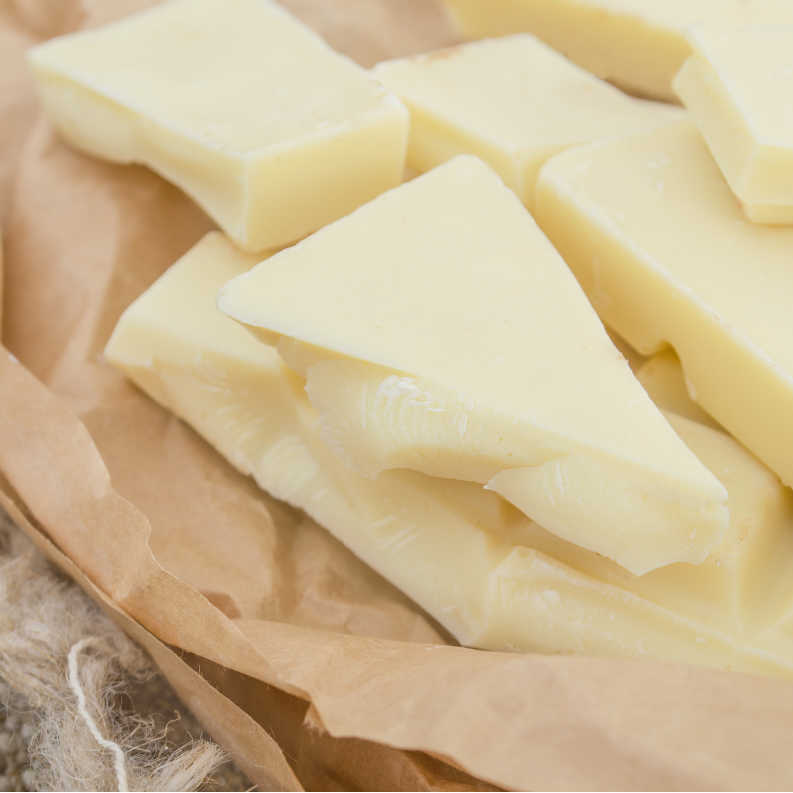
Chocolate manufacturing balances flavor, texture, and operational efficiency. Cocoa butter, the essential fat in chocolate, delivers the smooth mouthfeel, glossy appearance, and tempering behavior consumers expect. However, in industrial-scale production, reliance on natural cocoa butter introduces challenges such as price volatility, supply constraints, and temperature sensitivity.
To overcome these issues, many manufacturers turn to palm oil-based alternatives to cocoa butter. These high-performance fats provide enhanced stability, consistent melt profiles, and cost efficiency, making them essential for large-scale chocolate production.
At MT Royal, we supply a diverse portfolio of cocoa butter alternatives, including premium options from Latamarko, offering industrial reliability without compromising chocolate quality.
Understanding Cocoa Butter and Its Industrial Challenges
Why Cocoa Butter Is Unique
Cocoa butter is prized for:
- Distinct melting characteristics, contributing to chocolate’s signature snap
- Smooth, creamy texture
- Polymorphic behavior, crucial for tempering
While natural cocoa butter is ideal for flavor and texture, its handling, storage, and cost can hinder large-scale production.
Industrial Challenges with Cocoa Butter
- Price Volatility: Global cocoa supply fluctuations affect manufacturing budgets.
- Storage Sensitivity: Requires controlled temperature and humidity to prevent fat bloom.
- Supply Limitations: Cocoa production is geographically constrained.
Palm oil-based alternatives address these challenges, providing predictable performance at scale.
What Are Palm Oil-Based Cocoa Butter Alternatives?
Palm oil-based cocoa butter alternatives are fats derived from fractionated or modified palm oil designed to mimic the functional properties of cocoa butter while offering enhanced thermal and storage stability.
Categories of Palm Oil-Based Alternatives
- Cocoa Butter Equivalents (CBEs)
- Chemically similar to cocoa butter
- Fully compatible in chocolate formulations
- Provide predictable tempering and melt characteristics
- Cocoa Butter Replacers (CBRs)
- Partially replace cocoa butter
- Cost-effective for lower cocoa-content chocolates
- Slightly alters mouthfeel and snap
- Custom Blended Palm Fats
- Tailored melt and crystallization profiles
- Optimized for tropical climates or export markets
- Can combine Latamarko premium fractions for consistency
Benefits of Palm Oil-Based Alternatives
1. Consistent Industrial Performance
Palm fat substitutes offer stable melting points and uniform texture, reducing batch-to-batch variability—a key advantage for large-scale chocolate factories.
2. Cost Efficiency
By partially replacing cocoa butter with palm oil-based alternatives, factories control raw material expenses without sacrificing overall quality. MT Royal ensures access to bulk supplies at competitive pricing.
3. Extended Shelf Life and Stability
Palm-based fats resist fat bloom and tolerate temperature fluctuations better than natural cocoa butter, ideal for products exported to hot climates.
4. Customization Opportunities
Manufacturers can fine-tune palm-based alternatives to achieve:
- Specific viscosity for enrobing
- Adjusted snap for molded chocolates
- Optimized melting points for diverse product lines
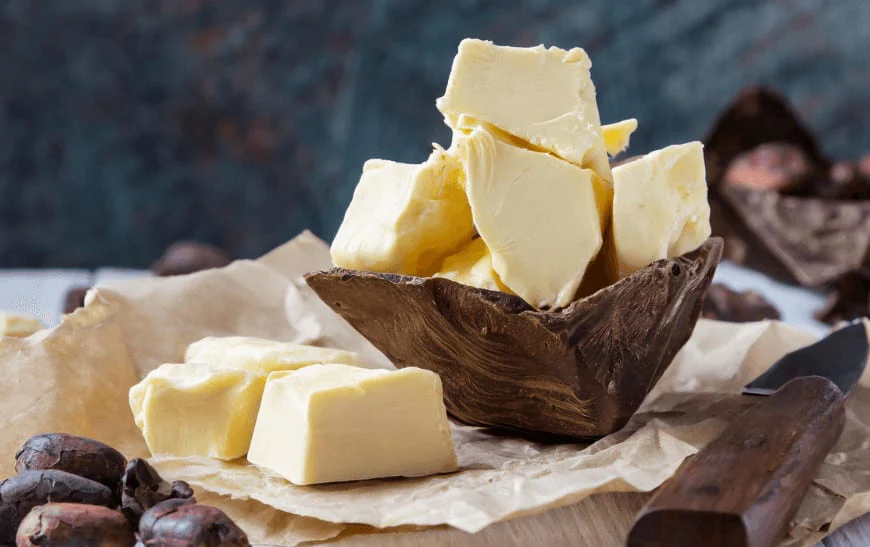
Industrial Considerations
Storage and Handling
- Keep palm fats in cool, dry conditions (18–22°C)
- Avoid rapid temperature changes
- Monitor humidity to prevent clumping
Supplier Reliability
Partnering with MT Royal ensures:
- Continuous availability of premium fats
- Access to Latamarko high-grade options
- Guidance on optimal application in chocolate formulations
Batch Testing and Quality Control
Before scaling up, test:
- Texture and mouthfeel
- Melting behavior and tempering response
- Shelf stability under typical shipping and storage conditions
Common Pitfalls in Procurement
- Incorrect Fat Selection – Not all palm fractions are compatible with every chocolate type.
- Inadequate Pilot Trials – Skipping small-scale testing can result in texture inconsistencies.
- Temperature Mismanagement – Even palm fats need careful storage to maintain performance.
- Regulatory Oversights – Ensure all fats meet local food safety and labeling requirements.
Pro Tip: Leverage MT Royal’s industrial expertise to guide your procurement and fat selection.
Step-by-Step Guide to Implementation
Step 1: Evaluate Production Requirements
- Chocolate type (bars, truffles, coatings)
- Desired melt and snap profile
- Volume and cost targets
Step 2: Select Palm Oil-Based Alternative
- CBEs for premium chocolate
- CBRs for partial replacement in cost-sensitive products
- Custom blends for specialized melt and stability needs
Step 3: Pilot Testing
- Test chocolate tempering and viscosity
- Assess mouthfeel and consumer acceptability
- Monitor shelf stability and fat bloom
Step 4: Scale Production
- Adjust processing temperatures and tempering cycles
- Monitor batch consistency
- Document results for quality assurance
Step 5: Continuous Optimization
- Fine-tune blends for cost and stability
- Work with suppliers for updates on new fat technologies
- Evaluate long-term storage and transportation performance
Real-World Applications
Scenario 1: A chocolate bar manufacturer faced cocoa butter price spikes. Switching to a Latamarko CBE reduced costs by 12% while maintaining premium texture.
Scenario 2: A tropical export company needed chocolates resistant to heat. Using custom palm fat blends, fat bloom was minimized during shipping.
Scenario 3: A high-volume truffle producer required uniform snap. Incorporating stable palm-based CBRs ensured consistent quality across thousands of units.
Comparison Table: Cocoa Butter vs Palm Oil Alternatives
| Property | Cocoa Butter | Palm-Based CBE | CBR | Custom Palm Blends |
|---|---|---|---|---|
| Melting Point | 32–35°C | 32–35°C | 30–33°C | 28–34°C |
| Cost | High | Moderate | Lower | Lower |
| Shelf-Life Stability | Moderate | High | High | Very High |
| Tempering Requirement | Critical | Moderate | Moderate | Moderate |
| Texture Fidelity | Excellent | Excellent | Good | Adjustable |
FAQs
Q1: Can palm-based alternatives fully replace cocoa butter?
A: CBEs from premium brands like Latamarko replicate cocoa butter closely, maintaining mouthfeel and snap.
Q2: Are they suitable for all chocolate products?
A: CBEs are ideal for premium chocolate, while CBRs and blends suit mass-market or tropical applications.
Q3: How should palm fats be stored?
A: Cool, dry, and stable conditions between 18–22°C, avoiding humidity fluctuations.
Q4: Does MT Royal provide technical support?
A: Yes, we guide manufacturers on formulation, handling, and process integration.
Industry-Specific Considerations
- Bulk Ordering: Secure cost savings and supply consistency
- Custom Blending: Tailor melting points, viscosity, and stability
- Supplier Reliability: MT Royal provides dependable sourcing for uninterrupted production
- Regulatory Compliance: Ensure all fats meet food safety and labeling standards
Conclusion
Palm oil-based cocoa butter alternatives provide consistent performance, cost savings, and enhanced stability, addressing many challenges of industrial chocolate manufacturing.
By integrating premium CBEs and custom blends, especially from MT Royal and Latamarko, manufacturers can:
- Optimize raw material costs
- Maintain high product quality
- Scale production efficiently
- Minimize rejects and operational downtime
For production managers and procurement officers, palm oil-based alternatives are a strategic solution, combining reliability, versatility, and innovation in chocolate production.
latamarko alkalized cocoa powder lm60
cocoa powder for chocolate production-Best price
Food industry raw materials – list of products
Types of Gelatin from Turkish Manufacturer
Alkalized Cocoa Powder Bulk Supplier



No comment