


Chocolate production is a delicate balance of science, art, and operational efficiency. Cocoa butter, the foundation of chocolate’s flavor, texture, and melting profile, is a natural ingredient whose supply and properties can challenge large-scale manufacturers.
For industrial operations, relying solely on natural cocoa butter can lead to fluctuating costs, inconsistent texture, and supply chain vulnerability. That’s where cocoa butter replacers with enhanced stability become essential. These substitutes ensure consistent performance, extended shelf life, and smoother production runs.
At MT Royal, we supply a wide range of high-quality cocoa butter replacers that meet the demands of modern manufacturing facilities. Partnering with premium brands like Latamarko allows factories to maintain excellence in chocolate quality while benefiting from stable, scalable, and cost-effective fat solutions.
Understanding Cocoa Butter and Its Industrial Role
What Makes Cocoa Butter Special?
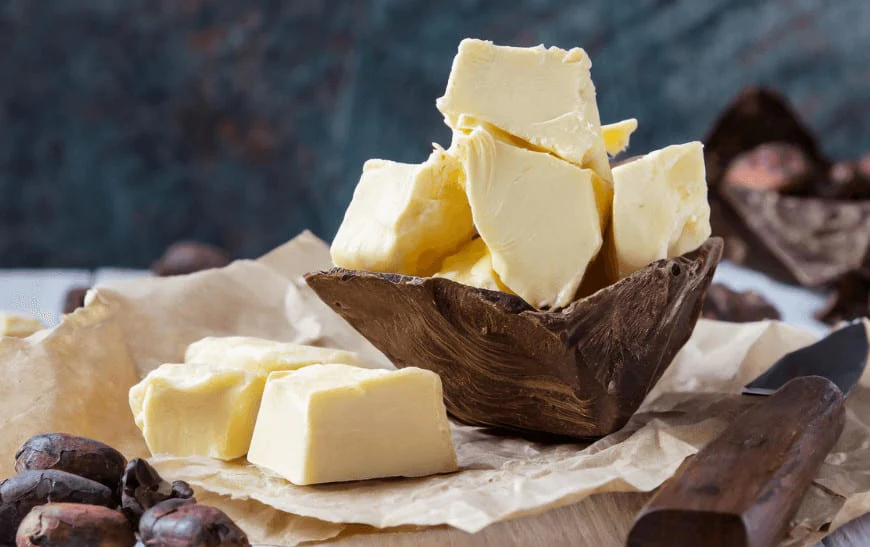
Cocoa butter is a natural fat extracted from cocoa beans, characterized by:
- Unique crystallization behavior for a stable snap
- Creamy mouthfeel essential to chocolate enjoyment
- Glossy finish and smooth melting profile
Its polymorphic nature (multiple crystal forms) is crucial for chocolate tempering. Incorrect handling can lead to fat bloom, a common defect that impacts shelf appeal and consumer perception.
Challenges in Industrial Use
- Price Volatility – Cocoa butter prices fluctuate seasonally and globally, affecting profit margins.
- Supply Limitations – Dependent on tropical regions, supply can be unpredictable.
- Handling Complexity – Requires precise storage, tempering, and processing conditions.
Given these challenges, cocoa butter replacers with enhanced stability are a practical solution for large-scale chocolate manufacturing.
Types of Cocoa Butter Replacers
Cocoa butter replacers (CBRs) fall into several industrially relevant categories:
1. Cocoa Butter Equivalents (CBEs)
CBEs are fats that match cocoa butter’s fatty acid composition. They provide:
- Consistent melting points
- Smooth texture and tempering properties
- Extended shelf-life stability
Example: Latamarko CBEs are engineered to meet European quality standards, ensuring predictable performance across production lines.
2. Cocoa Butter Replacers (CBRs)
CBRs are partially substitutable fats. They may slightly alter chocolate characteristics but offer:
- Cost reductions
- Improved thermal stability
- Suitability for products with lower cocoa content
3. Cocoa Butter Alternatives (CBAs)
CBAs are specialized fats, sometimes derived from hydrogenated or fractionated oils. They are ideal for:
- Hot climates or tropical storage
- High-volume industrial production
- Custom melt profiles
These high-performance substitutes allow production flexibility, making them essential for chocolate manufacturers managing diverse product lines.
Benefits of Enhanced Stability Cocoa Butter Replacers
1. Consistency Across Batches
Industrial-scale chocolate production requires uniformity. Stable replacers deliver:
- Predictable melting points
- Uniform texture and gloss
- Reduced rejects and waste
2. Cost Efficiency
Replacing part of natural cocoa butter with CBEs or CBAs helps factories control raw material expenses. Bulk procurement through MT Royal ensures competitive pricing while maintaining quality standards.
3. Extended Shelf Life
Stable cocoa butter replacers reduce:
- Risk of fat bloom
- Sensitivity to temperature fluctuations
- Product spoilage during transportation or storage
This is particularly valuable for manufacturers exporting chocolate to tropical climates.
4. Customizable Properties
CBEs and CBAs can be engineered to specific specifications:
- Slow or rapid melting chocolates
- Enhanced viscosity for enrobing
- Optimized snap for molded chocolates
Using premium Latamarko fats, manufacturers can tailor chocolate to their exact operational and sensory requirements.
Common Pitfalls in Industrial Procurement
Even high-quality cocoa butter replacers require careful handling. Common issues include:
- Recipe Incompatibility – Certain CBRs may alter texture or flavor if incorrectly applied.
- Storage Mismanagement – Temperature or humidity fluctuations can degrade stability.
- Overlooking Compliance – Ensure all fats meet local food safety standards.
- Insufficient Trialing – Always pilot test replacers before full-scale adoption.
Pro Tip: Partner with experienced suppliers like MT Royal for guidance on formulation, storage, and processing.
Step-by-Step Implementation Guide
Step 1: Assess Production Needs
- Volume targets
- Chocolate types (bars, enrobed candies, pralines)
- Desired sensory attributes
Step 2: Choose the Right Replacer
- CBEs for premium chocolate
- CBAs for stability in tropical climates
- CBRs for cost optimization
Step 3: Conduct Pilot Trials
- Test melt behavior, tempering, and viscosity
- Evaluate consumer acceptability if applicable
Step 4: Scale Production
- Adjust tempering processes
- Monitor texture and crystallization
- Track batch consistency
Step 5: Optimize Formulations
- Combine CBEs and CBAs for ideal performance
- Refine blends for cost-efficiency
- Monitor long-term stability data
Real-World Industrial Applications
Scenario 1: A manufacturer faced seasonal cocoa butter price spikes. Switching to a Latamarko CBE reduced costs by 15% while maintaining taste and texture.
Scenario 2: An export-oriented chocolate producer required tropical stability. Using a custom CBA blend, they avoided fat bloom during long-distance shipping.
Scenario 3: A factory producing high-volume truffles needed predictable snap and viscosity. Stable CBEs ensured uniformity and reduced production rejects by 12%.
Comparison Table: Cocoa Butter vs Replacers
| Property | Cocoa Butter | CBE (Latamarko) | CBR | CBA |
|---|---|---|---|---|
| Melting Point | 32–35°C | 32–35°C | 30–33°C | 28–34°C |
| Cost | High | Moderate | Lower | Lowest |
| Shelf-Life Stability | Moderate | High | High | Very High |
| Tempering Requirement | Critical | Moderate | Moderate | Moderate |
| Texture Fidelity | Excellent | Excellent | Good | Variable |
FAQs
Q1: Can replacers fully mimic cocoa butter?
A: Premium CBEs, such as Latamarko, closely replicate cocoa butter, maintaining minimal sensory differences.
Q2: Are replacers suitable for all chocolate types?
A: CBEs are ideal for high-quality chocolate; CBAs suit tropical or cost-sensitive products.
Q3: How should they be stored?
A: Maintain stable temperatures (18–22°C) and avoid humidity fluctuations.
Q4: Does MT Royal provide technical support?
A: Yes, we guide factories on optimal storage, handling, and formulation practices.
Industrial Considerations
- Bulk Ordering: Buying in large quantities ensures consistent supply and cost benefits.
- Supplier Reliability: MT Royal provides access to trusted, premium brands for uninterrupted production.
- Custom Blends: Work with suppliers to create formulations tailored to your production line.
- Compliance: Ensure all fats meet food safety and labeling standards.
Conclusion
For modern chocolate manufacturers, stable cocoa butter replacers are more than cost-cutting measures—they are enablers of efficiency, consistency, and innovation.
Factories leveraging premium CBEs and CBAs, particularly from MT Royal and Latamarko, can:
- Optimize raw material costs
- Maintain high product quality
- Scale production efficiently
- Minimize rejects and downtime
By carefully selecting and implementing these replacers, production managers and procurement officers gain a reliable solution for the challenges of industrial chocolate manufacturing—balancing taste, texture, and stability in every batch.
latamarko alkalized cocoa powder lm60
cocoa powder for chocolate production-Best price
Food industry raw materials – list of products
Types of Gelatin from Turkish Manufacturer
Alkalized Cocoa Powder Bulk Supplier



No comment