

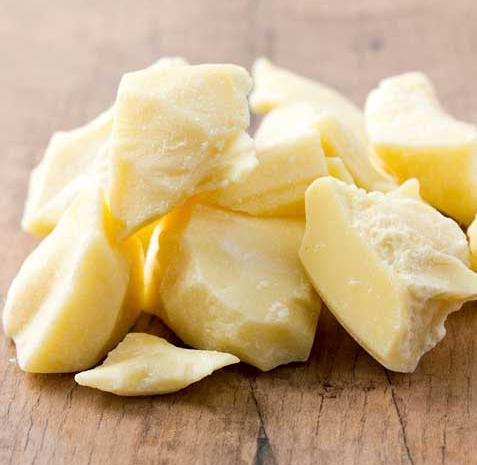
In the confectionery industry, cocoa butter is more than an ingredient—it defines texture, mouthfeel, and flavor release in chocolate and other sweet creations. Yet, sourcing cocoa butter comes with challenges: price volatility, supply chain constraints, and environmental considerations. This is where functional cocoa butter alternatives come into play, enabling manufacturers to maintain quality while enhancing product innovation and cost efficiency.
At MT Royal, we’ve partnered with production facilities across multiple sectors to supply high-performance cocoa butter alternatives. These functional options are essential for factories aiming to innovate without compromising on consistency or compliance. In this article, we’ll explore the fundamentals, industrial applications, and strategies for integrating these alternatives into confectionery production lines.
Understanding Cocoa Butter Alternatives
What Are Cocoa Butter Alternatives?
Cocoa butter alternatives (CBAs) are vegetable fats designed to mimic the physical and chemical properties of cocoa butter. They are also referred to as cocoa butter equivalents (CBEs) or cocoa butter substitutes (CBSs), depending on their formulation and functional properties. CBAs are typically derived from:
- Palm kernel oil
- Shea butter
- Illipe butter
- Other tropical oils
These alternatives allow confectionery manufacturers to manage costs, achieve specific melting profiles, and improve shelf life.
Key Types of Functional Alternatives
- Cocoa Butter Equivalents (CBEs): Fats compatible with cocoa butter in blending, maintaining tempering and crystallization properties.
- Cocoa Butter Substitutes (CBSs): Often cheaper, but may require formulation adjustments; suitable for coatings, fillings, or compound chocolates.
- Cocoa Butter Replacers (CBRs): Fully replace cocoa butter in non-tempered applications like baking chocolate or confectionery coatings.
Pro Tip: Choosing the right alternative depends on your production goals—texture, flavor, and regulatory compliance are critical.
Benefits for Confectionery Manufacturers
Cost Management
Cocoa butter prices fluctuate due to market demand, weather, and geopolitical factors. Functional alternatives stabilize production costs and allow for more predictable budgeting.
Enhanced Shelf Life
Certain CBAs have higher oxidative stability than natural cocoa butter, reducing rancidity and extending shelf life of chocolate bars and coatings.
Product Innovation
Using cocoa butter alternatives opens doors for creative formulations. For example:
- Chocolates with lower fat bloom susceptibility
- Novel fillings with controlled melting profiles
- Specialty confectionery targeting tropical or warm climates
Supply Chain Reliability
At MT Royal, we ensure that bulk supplies of CBAs are sourced reliably, helping you avoid production delays during global cocoa shortages.
Common Pitfalls in Industrial Procurement
- Compatibility Issues: Not all cocoa butter alternatives temper like natural cocoa butter, potentially causing texture inconsistencies.
- Regulatory Restrictions: Some markets require labeling for CBS usage in chocolate; ensure compliance with local food laws.
- Supplier Reliability: Sourcing from unknown suppliers may risk quality variability or late deliveries, impacting production timelines.
Pro Tip: Partner with trusted suppliers like MT Royal who offer consistent, industrial-grade products with quality assurance documentation.
Step-by-Step Guide for Integrating Cocoa Butter Alternatives
Step 1: Define Production Goals
Ask yourself: Are you optimizing for cost, shelf life, texture, or flavor? Your choice of CBA depends on this.
Step 2: Evaluate Functional Properties
- Melting Point: Critical for mouthfeel
- Hardness: Affects cutting and packaging
- Compatibility: Must temper with natural cocoa butter if blending
Step 3: Test in Small Batches
Start with pilot-scale runs to assess behavior in your specific production environment.
Step 4: Monitor Quality Metrics
- Fat bloom occurrence
- Texture consistency
- Flavor release and aroma profile
Step 5: Scale Up with Supplier Support
Reliable suppliers, like MT Royal, provide technical support for industrial-scale implementation, ensuring smooth transitions.
Industrial Applications of Cocoa Butter Alternatives
Chocolate Bars
CBAs maintain snap, gloss, and smooth melting without relying solely on expensive cocoa butter.
Coatings and Enrobing
CBA usage improves flow properties, coverage, and prevents premature melting during transportation or storage.
Fillings and Compound Chocolates
Functional alternatives offer controlled crystallization, ensuring fillings hold shape and don’t separate from coatings.
Specialty Confections
- Vegan or dairy-free chocolate formulations
- Temperature-resistant chocolate for warm climates
- Novel functional chocolate with added micronutrients
Quality Tier Comparisons
| Property / Brand | Natural Cocoa Butter | Latamarko Premium CBE | Generic CBR |
|---|---|---|---|
| Melting Profile | Smooth, creamy | Excellent, predictable | Varies |
| Hardness Control | Standard | Precise, industrial grade | Moderate |
| Cost Efficiency | High | Medium | High |
| Regulatory Compliance | Standard | Fully documented | Varies |
| Supplier Reliability | Market-dependent | High (MT Royal supply) | Low-medium |
In our experience supplying manufacturing facilities, premium CBEs like Latamarko provide the most predictable and reliable results.
Tips for Production Supervisors
- Blend Wisely: Use CBEs to partially replace cocoa butter for optimal performance.
- Monitor Tempering: Ensure your tempering process accommodates the alternative fats.
- Storage: Maintain CBAs in cool, dry conditions to avoid oxidation.
- Documentation: Track supplier certifications and batch analyses for quality audits.
Real-Life Anecdote
A European chocolate manufacturer faced frequent fat bloom during summer months, affecting retail presentation. By transitioning to Latamarko cocoa butter equivalents supplied via MT Royal, they:
- Reduced fat bloom by 40%
- Improved product consistency in tropical climates
- Lowered raw material costs without compromising taste
Frequently Asked Questions (FAQ)
Q1: Can I fully replace cocoa butter with alternatives?
A1: It’s possible in non-tempered or compound chocolates, but for fine chocolate, partial replacement with CBEs is recommended.
Q2: Are cocoa butter alternatives FDA-approved?
A2: Most functional CBAs, like those from Latamarko, comply with FDA, EU, and other international food safety standards.
Q3: Will alternatives affect taste?
A3: High-quality CBEs mimic cocoa butter closely, maintaining smooth flavor; lower-grade CBRs may alter mouthfeel and aroma.
Industry-Specific Considerations
- Bulk Production: Choose CBAs with uniform particle size to avoid clogging enrobing machines.
- High-Temperature Climates: Select alternatives with higher melting points to prevent product deformation.
- Cost Management: Balance price per kg with functional performance to maximize ROI.
Conclusion
Functional cocoa butter alternatives are not just cost-saving tools—they are enablers of confectionery innovation. When selected carefully, they can enhance texture, flavor stability, and production efficiency. MT Royal offers industrial-grade CBAs, including premium Spanish-origin Latamarko, ensuring manufacturers can confidently optimize recipes while maintaining product quality and regulatory compliance.
As factories aim to innovate while managing costs, the right choice of cocoa butter alternative can be a game-changer. Consider your production goals, test small batches, and partner with trusted suppliers—your chocolate creations will thank you.
Food industry raw materials – list of products
Telegram channel of MT Royal company


No comment