

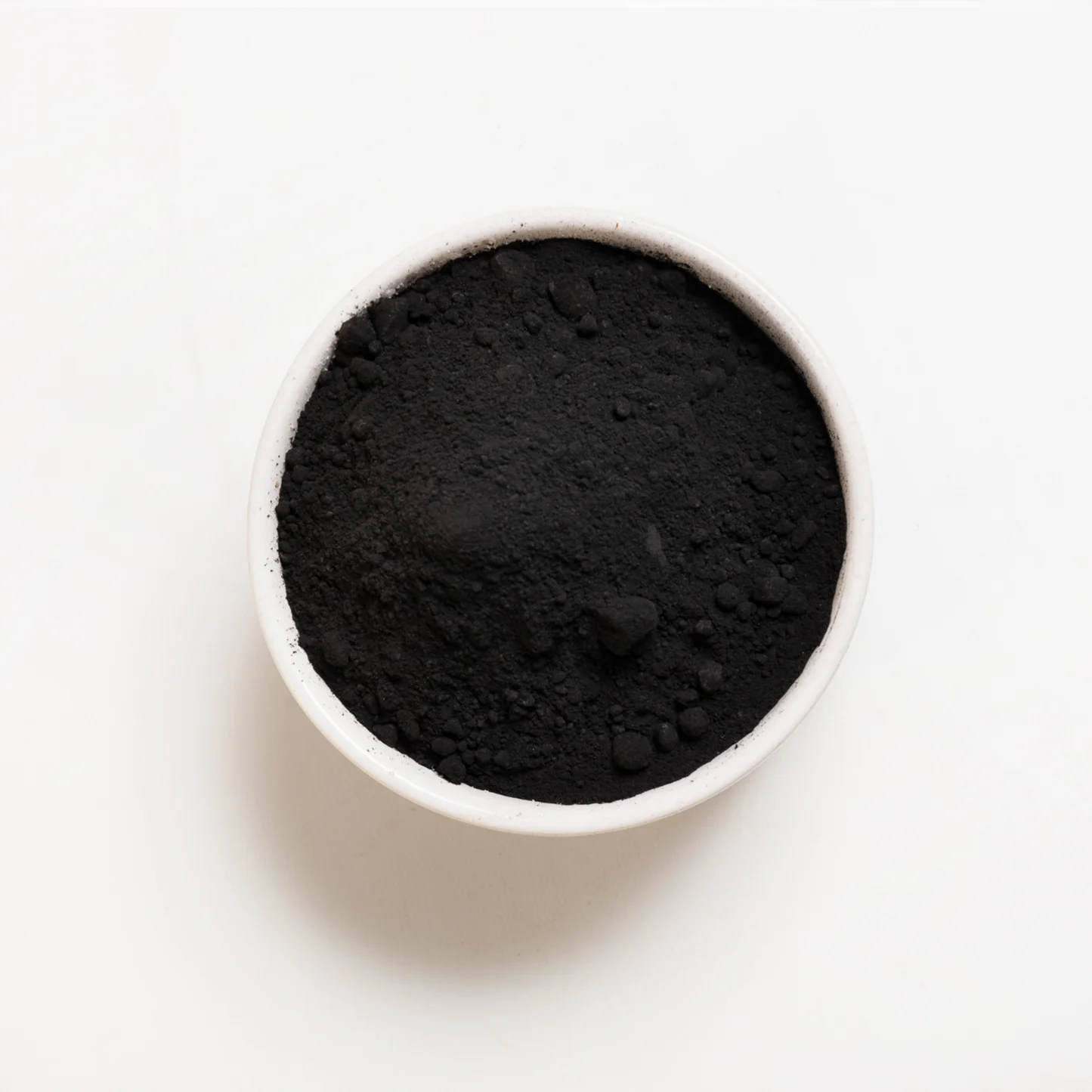
There’s something almost magnetic about the intense, dark hue of alkalised cocoa powder black. To the untrained eye, it’s just a deeper shade of cocoa. But to manufacturing professionals — from confectionery technologists to beverage formulators — it’s a signal of precision, chemistry, and consistency. This isn’t just about color; it’s about performance, sensory experience, and yield efficiency on a factory scale.
Across the UAE’s growing food and beverage manufacturing landscape, black alkalised cocoa powder has become a cornerstone ingredient — not just for visual appeal, but for the deep, smooth cocoa character it imparts to finished goods. And in today’s competitive industrial supply chain, finding the right bulk supplier for this specialty ingredient can be the difference between maintaining profit margins and exceeding consumer expectations.
At MT Royal, we’ve seen firsthand how manufacturers in chocolate, bakery, and dairy sectors rely on premium, consistent cocoa ingredients to drive output and brand integrity. Let’s dive deep into what makes alkalised cocoa powder black so distinctive — and how to source it effectively, without compromising quality or cost efficiency.
Understanding Alkalised Cocoa Powder Black
At its core, alkalised (or Dutch-processed) cocoa powder is natural cocoa that has undergone treatment with an alkalising agent — typically potassium carbonate — to neutralize acidity and modify flavor and color.
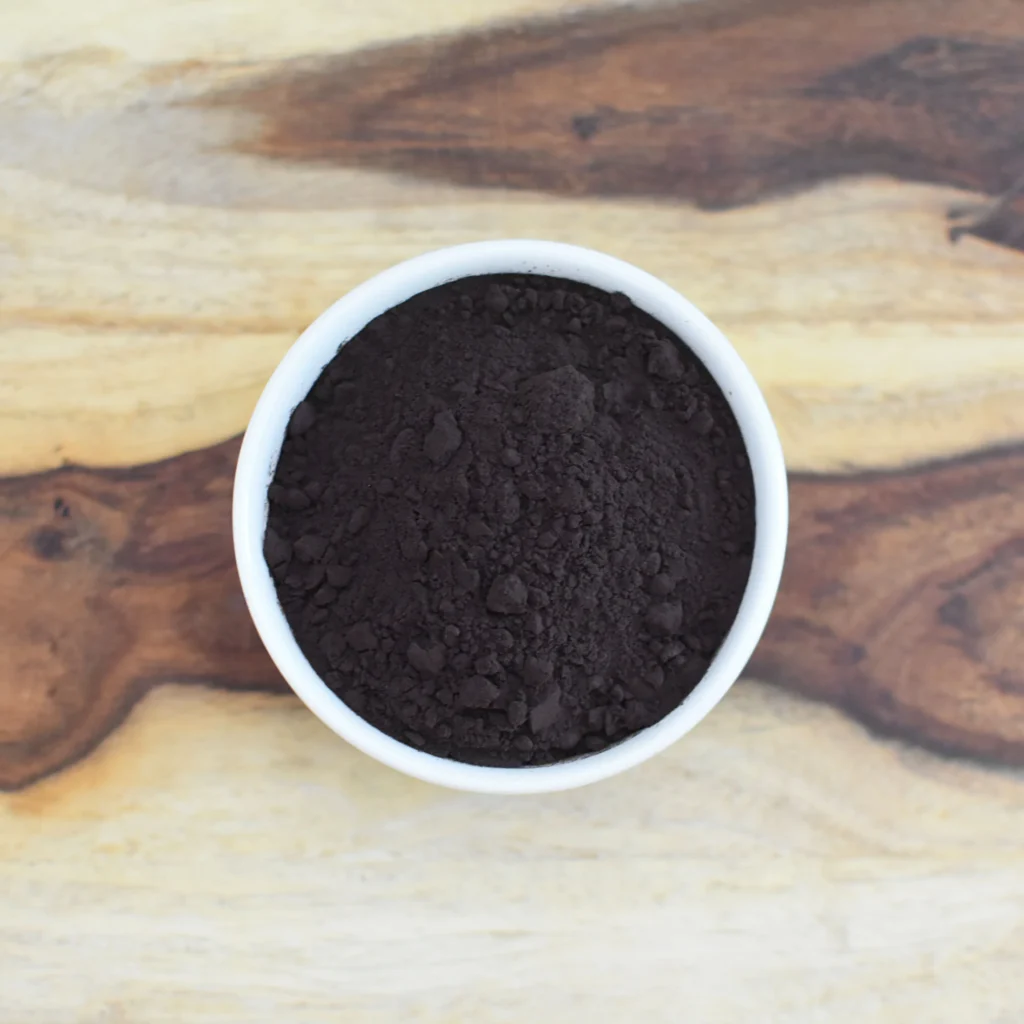
But when we talk about black alkalised cocoa, we’re referring to the most heavily treated end of that spectrum. The process yields a cocoa powder with:
- Exceptionally dark color — often jet black or charcoal brown
- Smooth, mellow flavor with reduced bitterness
- Lower acidity, making it highly compatible with dairy and neutral pH formulations
Industrial buyers know this type of cocoa isn’t just “a darker shade.” It’s a formulation tool that changes texture, taste, and visual impact — critical for products like dark cookies, cocoa biscuits, premium chocolate coatings, and ice cream bases.
Why Manufacturers Choose Alkalised Cocoa Powder Black
1. Aesthetic Consistency for Visual Appeal
When consumers see the striking black tone of an Oreo-style biscuit or a charcoal-hued chocolate sponge, they associate it with indulgence and luxury. In B2B manufacturing, color consistency is non-negotiable. Black alkalised cocoa powder ensures each batch meets brand color targets without the need for artificial coloring agents.
2. Balanced, Smooth Flavor Profile
The alkalisation process softens cocoa’s natural sharpness. For factories blending cocoa into beverages, syrups, or bakery fillings, this creates a smoother flavor that complements sweeteners and fats, rather than overpowering them.
3. Enhanced Dispersibility and Process Performance
Highly alkalised cocoa has improved wettability — a crucial property for instant drink powders, ice cream mixes, and industrial premixes. It blends uniformly in high-speed mixing lines and prevents lumping, minimizing downtime and waste.
4. Product Stability in Complex Formulations
In industrial production, pH consistency is critical. Overly acidic cocoa can interfere with leavening agents or dairy proteins. Alkalised cocoa provides chemical stability, ensuring predictable reactions and uniform textures — a small but powerful advantage on large-scale production lines.
How the Alkalisation Process Shapes Quality
From a production standpoint, the degree of alkalisation defines not only color and flavor but also fat content, particle size, and functionality. The process typically includes:
- Bean Selection and Roasting – Only well-fermented, high-fat cocoa beans are suited for heavy alkalisation.
- Nib Treatment – The alkalising agent is introduced at the nib stage for uniform chemical reaction.
- Pressing and Grinding – After fat extraction, the remaining cocoa solids are pulverized into a fine powder.
- Quality Control – Color metrics (L-value), moisture content, and pH are rigorously tested for industrial specification.
Factories sourcing bulk quantities should always request technical data sheets (TDS) or certificates of analysis (COA) — a small step that ensures consistency across every batch.
Industrial Applications Across Manufacturing Sectors
| Sector | Common Uses | Key Benefits |
|---|---|---|
| Bakery & Biscuits | Dark cookies, sponge cakes, muffins | Rich black color, stable in high-heat baking |
| Confectionery | Coatings, fillings, centers | Smooth flavor profile, blends well with fats |
| Dairy & Ice Cream | Chocolate bases, milkshakes | Reduced acidity, better mouthfeel |
| Beverage & Instant Drinks | Hot cocoa mixes, protein blends | Easy dispersion, stable color |
| Cereal & Nutrition | Bars, powders | Uniform color and flavor integration |
Procurement Insights: Choosing a Reliable Supplier
Industrial buyers know that selecting a cocoa supplier isn’t just about the lowest price per kilogram. It’s about total value — reliability, consistency, and technical support. Here’s what we’ve learned through years of supplying to the manufacturing sector:
1. Verify the Cocoa Origin
African-origin beans (like those from Ghana or Ivory Coast) deliver stronger flavor bases, while European-processed Spanish or Dutch cocoas offer refined alkalisation precision. Brands like Latamarko, renowned for Spanish engineering standards, consistently deliver deep black tones and excellent dispersion.
2. Assess Supplier Technical Capabilities
A credible supplier provides:
- Batch consistency testing
- Fat and moisture content control
- Laboratory support for custom formulations
At MT Royal, we ensure our manufacturers have access to detailed specification sheets, so factory R&D teams can align ingredient performance with production requirements.
3. Prioritize Supply Chain Stability
Especially in the UAE and GCC, where import logistics and humidity control can affect cocoa quality, it’s critical to work with suppliers that maintain proper cold storage, packaging integrity, and just-in-time delivery.
Common Pitfalls in Industrial Cocoa Procurement
Even experienced procurement officers can encounter challenges when scaling cocoa-based formulations. Below are pitfalls we’ve observed in manufacturing settings:
- Overlooking pH compatibility – Using natural cocoa instead of alkalised in neutral-pH systems can cause flavor imbalance or spoilage.
- Supplier rotation without testing – Switching suppliers mid-production often results in color inconsistency across product batches.
- Ignoring fat content variations – Low-fat cocoas may require recipe recalibration for mouthfeel and viscosity.
- Buying purely on price – A slightly cheaper source can cost more in rework, downtime, and rejected batches.
In our experience working with production facilities, the most successful manufacturers are those who treat raw material selection as an engineering decision — not just a purchasing one.
Spotlight on Premium European Options: The Latamarko Standard
When discussing premium black alkalised cocoa powders, Spanish manufacturers like Latamarko often set the industry benchmark. Their advanced alkalisation processes yield a powder that’s not only visually striking but also chemically consistent, making it easier to scale recipes globally.
What makes Latamarko stand out:
- Precision Alkalisation – Tight control of pH range (7.8–8.4)
- Uniform Granulation – Facilitates clean dispersion in high-speed lines
- Deep Jet-Black Hue – Ideal for luxury or export-oriented confectionery brands
For manufacturers producing high-end chocolate products or export-grade bakery items, Latamarko’s consistency translates directly into brand trust and consumer satisfaction.
Technical Parameters: What Procurement Teams Should Check
When sourcing black alkalised cocoa, your technical checklist should include:
- Color Intensity (L value): Typically 10–15 for true black cocoa
- Fat Content: 10–12% for general applications, 20–22% for rich formulations
- Moisture: <5% for storage stability
- pH Range: 7.8–8.4
- Mesh Size: Fine (≥99% through 200 mesh)
These specifications directly influence process yield, viscosity, and dispersion behavior — factors every production manager should monitor closely.
Practical Tips for Production Managers
- Run pilot tests before full-scale substitution to account for color and moisture differences.
- Adjust sugar or fat ratios when switching from natural to heavily alkalised cocoa to maintain sweetness balance.
- Store in climate-controlled environments (below 25°C, <65% RH) to prevent caking.
- Monitor mixing times — black cocoa can absorb more moisture, slightly affecting blend flow.
We’ve seen factory managers significantly reduce rework rates by standardizing their cocoa handling protocols — small optimizations that translate into big operational savings.
The Cost Efficiency Perspective
Bulk cocoa procurement is a high-impact area in cost-per-unit analysis. Black alkalised cocoa, due to its high pigment strength, can often be used at lower inclusion rates while achieving desired color intensity — a hidden cost-saving advantage.
At MT Royal, we work with facilities to calculate true cost-per-batch rather than just per-kilogram pricing. This helps buyers understand total ROI, considering yield, efficiency, and product performance.
FAQ: Common Questions from Manufacturing Teams
Q1: Is black alkalised cocoa safe for all food applications?
Yes, provided it meets food-grade standards and has a COA. Always verify heavy metal limits and microbial counts.
Q2: Can I blend black cocoa with natural cocoa?
Absolutely — blending can create custom flavor and color profiles while optimizing costs.
Q3: Does alkalised cocoa affect baking chemistry?
Yes, it interacts differently with leavening agents. Adjust baking soda or powder ratios when switching cocoa types.
Q4: What’s the shelf life in humid regions like the GCC?
Typically 24 months under dry, sealed conditions. However, once opened, re-seal promptly and store in a cool, dry environment.
Why Industrial Buyers Trust MT Royal
At MT Royal, we supply a wide range of alkalised cocoa powders, including standard dark and ultra-black variants, sourced from globally recognized processors. We focus on below-market bulk pricing without compromising the consistency, color intensity, and flavor quality manufacturers demand.
We’ve worked with production facilities across bakery, beverage, and confectionery sectors — understanding that each has unique process requirements. Whether you need 25 kg bags or container-load shipments, our network ensures reliability, technical support, and traceable origin documentation.
Final Thoughts
Alkalised cocoa powder black is more than a color enhancer — it’s a performance ingredient that influences texture, flavor, and even emotional response to a finished product. In the hands of skilled manufacturers, it transforms ordinary recipes into signature, market-defining creations.
So the next time your factory runs a new batch of dark biscuits or premium coatings, take a moment to appreciate that deep, velvety blackness — the product of chemistry, craftsmanship, and careful sourcing.
And when it comes to industrial cocoa supply, choosing partners who understand both science and supply — like MT Royal — ensures that every gram of cocoa works as hard as your production line does.


No comment