

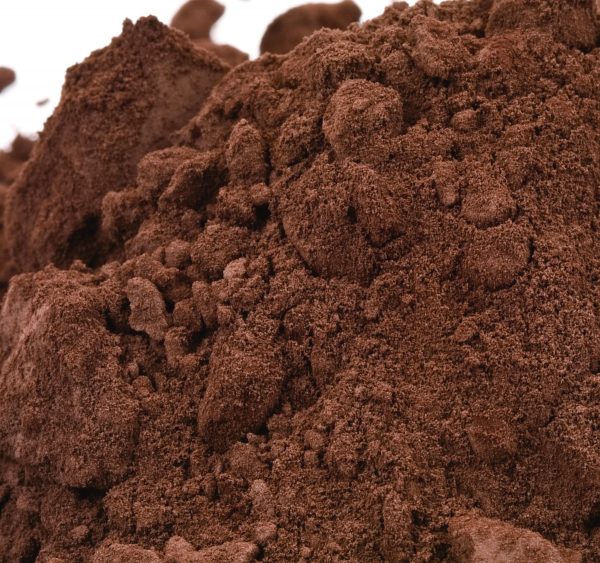
When walking through a production facility or overseeing a bakery, beverage, or confectionery line, one ingredient quietly plays a pivotal role in achieving consistent quality: bulk alkalized cocoa powder. Unlike retail-grade powders, bulk variants are engineered for industrial scale, offering uniformity, solubility, and functional properties essential for high-volume manufacturing. For production managers, procurement officers, and factory supervisors, understanding this ingredient goes beyond price per kilogram—it affects product consistency, operational efficiency, and even brand reputation.
At MT Royal, we’ve worked with production facilities across various industries and understand that cocoa powder is more than a commodity. From sourcing premium options like the Spanish-origin Latamarko to managing bulk supply logistics, we’ve seen firsthand how the right grade can transform production outcomes.
This article delves deep into the world of bulk alkalized cocoa powder, covering fundamentals, benefits, pitfalls, and actionable insights tailored to industrial decision-makers.
Alkalized cocoa powder, commonly referred to as Dutch-processed cocoa, originates from cocoa beans that have undergone fermentation, drying, roasting, and pressing. The distinctive feature of alkalized cocoa is its treatment with an alkaline agent, which neutralizes natural acidity and alters the pH. This process improves solubility, darkens color, and enhances the cocoa’s flavor profile.
In the context of bulk supply, we’re referring to multi-tonne shipments typically packaged in 25-kg bags, big sacks, or FIBC containers for large-scale industrial use. These are not your standard retail packs—they are engineered for high-volume applications, from beverage production lines to large-scale bakery operations.
Key Specifications in Bulk Alkalized Cocoa
Understanding the critical parameters helps ensure the ingredient aligns with production needs:
- Fat content: Usually ranges from 10% to 22%, influencing mouthfeel, cost, and dispersion.
- pH and alkalization degree: Dictates color, flavor intensity, and compatibility with other ingredients.
- Color and shade: Variants include light, medium, dark, and very dark. Maintaining consistency is vital for brand-quality products.
- Particle size: Finer powders disperse more easily, reducing clumping in liquid or dough systems.
- Certifications: ISO, HACCP, Halal, Kosher, and occasionally organic certifications, critical for compliance in global operations.
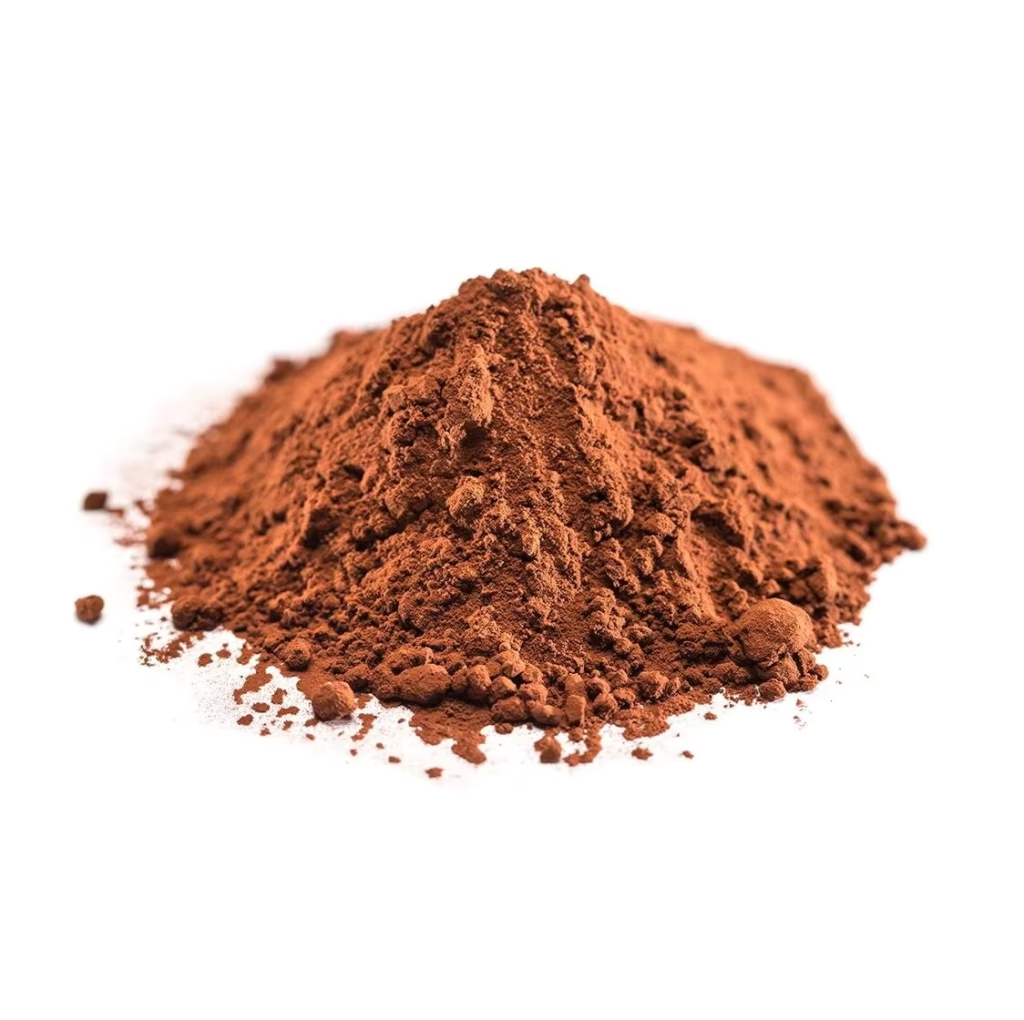
Why Bulk Alkalized Cocoa Powder Matters in Industrial Production
1. Operational Efficiency
Bulk alkalized cocoa powder’s consistent solubility reduces mixing time in beverages, batters, and coatings. Faster, more uniform dispersion translates to shorter cycle times, reduced downtime, and higher throughput.
2. Product Consistency
Variation in cocoa powders can lead to inconsistent flavor, color, or viscosity—issues that compromise finished product quality. Selecting a reliable grade ensures predictable results across production batches. Spanish manufacturers like Latamarko have set benchmarks for color stability and functional consistency, making them a reference for premium options.
3. Formulation Flexibility
Reduced acidity in alkalized cocoa powder allows for easier incorporation with dairy, leavening agents, and other pH-sensitive ingredients. This flexibility enables recipe innovations without unwanted chemical reactions or taste deviations.
4. Cost-Per-Use Optimization
While premium grades may carry a higher per-kilogram cost, their functional performance often reduces waste, improves yield, and minimizes rework. In our experience supplying manufacturing facilities, the focus should always be on total cost-in-use, not just raw material price.
5. Supply Chain and Logistics Benefits
Bulk powders streamline procurement, storage, and handling in large-scale plants. Palletized sacks or FIBCs reduce manual handling, dust exposure, and handling inefficiencies—key considerations in maintaining hygienic and efficient production lines.
Common Pitfalls and Misconceptions
Even seasoned procurement professionals can overlook subtle yet crucial factors:
- All alkalized cocoa powders are the same: Origin, alkalization level, fat content, and micronization vary significantly.
- Natural cocoa is always cheaper: Switching to natural cocoa may reduce raw material costs but could necessitate process adjustments that offset savings.
- Storage is not critical: Cocoa powder is hygroscopic. Poor storage can lead to clumping, color shifts, or microbial contamination.
- Certification and traceability are optional: Regulatory audits and global sales require full documentation, often including origin, lot traceability, and quality certifications.
- Darker cocoa always means better appearance: Over-alkalization may improve color but negatively impact flavor or functionality.
Actionable Advice for Factory Managers and Production Supervisors
Step-By-Step Guide to Sourcing Bulk Cocoa Powder
- Assess End-Use: Define whether the powder will be used in coatings, beverages, bakery, or confectionery.
- Specify Quality Metrics: Determine fat content, alkalization level, pH, particle size, and shade range.
- Request Samples: Test in your actual production line. Real-world performance can differ from lab specifications.
- Pilot Production: Monitor mixing time, batch yield, color consistency, and downtime.
- Evaluate Supplier Logistics: Lead times, packaging formats, batch traceability, and flexibility.
- Negotiate Terms: Consider long-term agreements and buffer stock to mitigate supply risks.
- Optimize Storage: Ensure controlled humidity, temperature, and dust-minimizing practices.
- Track Performance: Monitor batch-to-batch consistency, yield, and process efficiency.
- Continuous Improvement: Reassess supplier performance and cocoa grades periodically.
Pro-Tips
- Always verify dispersion performance; color can mask functional deficiencies.
- Adjust fat content for downstream processing requirements like tempering, extrusion, or coating.
- Integrate cocoa powder tracking in ERP or QA systems.
- Evaluate life-cycle costs including mixing, yield, downtime, and rework.
- Consider premium grades when quality improvements justify investment.
Real-Life Industrial Examples
- Beverage Manufacturer: Switching from natural to alkalized cocoa improved solubility and color stability in high-speed mixing lines, reducing downtime and rework.
- Confectionery Line: Using a European-origin premium grade improved consistency in chocolate coatings and reduced scrap due to shade variation.
- Hypothetical Scenario: A snack manufacturer integrating cocoa powder into extruded products would need to align fat content, particle size, and pH to optimize texture, flavor, and visual appeal.
Industry-Specific Considerations for Large-Scale Production
- Origin Volatility: Cocoa bean origin affects flavor, functional performance, and consistency. Large producers must manage sourcing risks.
- Fat Content Implications: High-fat powders affect melting, tempering, and coating processes. Production engineers must adjust equipment settings accordingly.
- Packaging and Flow Logistics: Big bags and FIBCs improve efficiency, reduce handling risks, and maintain hygiene standards.
- Quality Drift Monitoring: Establish KPIs for color, dispersion, and yield; monitor batch-to-batch variations.
- Cost-In-Use Approach: Evaluate total operational cost rather than focusing solely on unit price.
Comparison Table: Standard vs Premium Bulk Cocoa Powder
| Feature | Standard Grade | Premium Grade (Latamarko / EU) | Risk to Avoid |
|---|---|---|---|
| Fat Content | 10–12% | 20–22% | Excess fat → process complications |
| Shade / Alkalization | Medium Dark | Very Dark | Over-alkalization → flavor loss |
| Origin | Mixed | Single / traceable | Traceability gaps |
| Packaging | 25 kg bags | FIBC / Palletized | Poor handling → contamination |
| Cost | Lower | Higher | Overfocus on cost/kg |
| Lead Time | Standard | Premium support | Supplier inflexibility |
| Certifications | Basic | ISO, HACCP, Halal, Kosher | Compliance risk |
Frequently Asked Questions
Q1: Can I substitute natural cocoa for alkalized?
Yes, but adjust for acidity, color, and dispersion characteristics.
Q2: What is the typical cost premium for alkalized cocoa?
Varies by origin, fat content, packaging, and supplier; factor in total cost-in-use.
Q3: How often should suppliers be audited?
Annual full audit; monthly batch-level QA checks for key metrics.
Q4: Optimal storage conditions?
Dry, clean, temperature-controlled environment; sealed packaging; dust management.
Q5: Does bean origin affect functional performance?
Absolutely. Origin influences flavor, pH stability, and color consistency.
Q6: How to handle shade variation mid-run?
Check lot parameters, clean lines, consult supplier, adjust mixing systems.
MT Royal: Your Industrial Cocoa Partner
At MT Royal, we supply manufacturers with a comprehensive range of bulk alkalized cocoa powders, spanning value to premium grades. Our experience helps factories navigate sourcing, quality assurance, and supply-chain challenges, optimizing cocoa powder selection to meet operational targets.
Premium options from European suppliers, particularly those with Spanish engineering like Latamarko, offer traceability, precision, and consistent performance. Aligning your choice with production needs ensures that every kilogram contributes to quality, efficiency, and cost-effectiveness.
Emerging Trends
- Sustainability & Traceability: Increasing demand for ethically sourced, traceable cocoa beans.
- Specialty Grades: Custom shades, functional blends, low-fat options for niche applications.
- Supply Chain Resilience: Diversifying origins and maintaining buffer stock to mitigate volatility.
- Advanced Packaging: FIBC and silo systems for dust reduction and efficient flow.
- Digital QA Systems: Lot-level portals, QR-coded certificates, and integrated traceability.
Closing Thoughts
Bulk alkalized cocoa powder is more than an ingredient—it is a strategic lever for production efficiency, quality consistency, and operational excellence. Are your procurement and production strategies treating it as such? Every batch impacts yield, color, flavor, and downtime. Choosing the right grade, aligning with suppliers like MT Royal, and considering premium European options like Latamarko can transform your production outcomes.


No comment