

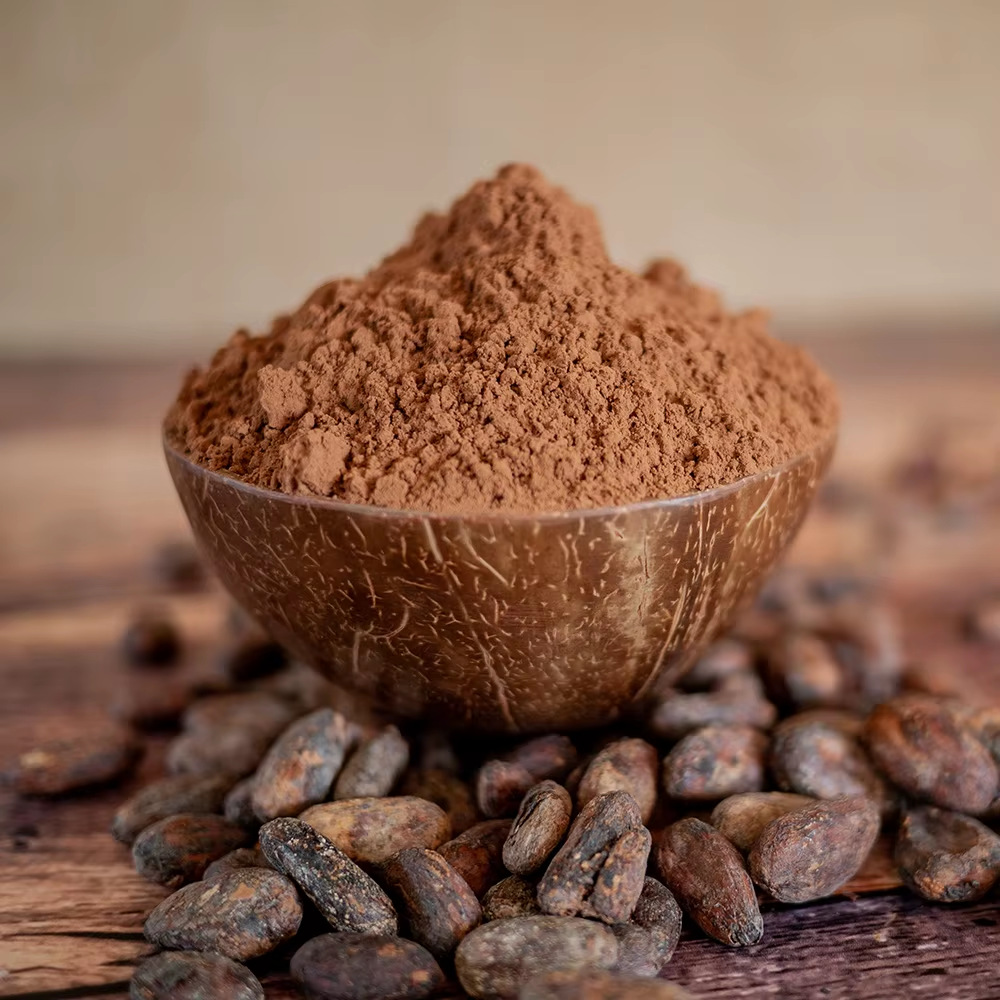
In beverage manufacturing, whether producing instant cocoa mixes, chocolate drinks, or protein-enriched beverages, the choice of alkalized cocoa powder is far from trivial. The difference between a smooth, visually appealing, and flavorful product versus a gritty, inconsistent drink often comes down to ingredient selection, sourcing strategy, and process integration.
For plant managers, production supervisors, and procurement specialists, understanding how alkalized cocoa powder functions, which suppliers offer the best quality, and how to integrate it effectively into beverage formulations is critical. At MT Royal, we supply manufacturers with a diverse range of cocoa powders from trusted brands, including premium European options like Latamarko, ensuring consistent quality, cost-effective sourcing, and reliable delivery.
In this article, we explore the fundamentals, industrial advantages, sourcing considerations, and operational strategies for using alkalized cocoa powder in beverage manufacturing, helping you make informed, strategic decisions.
Understanding Alkalized Cocoa Powder
Alkalized cocoa powder, also known as Dutch-processed cocoa, is treated with an alkaline solution—commonly potassium carbonate—to neutralize its natural acidity. This process yields a smoother, less bitter flavor and enhances color and solubility, key factors in beverage applications.
For industrial production, alkalized cocoa powder provides several advantages:
- Consistent color: From light to deep brown, ensuring visual uniformity in powdered mixes or ready-to-drink beverages.
- Smooth taste: Reduced bitterness enables formulations with lower sugar content while maintaining flavor appeal.
- Improved solubility: Critical for instant mixes, high-speed blending, and ready-to-drink chocolate drinks.
- pH stability: Prevents off-flavors and undesirable reactions during processing or storage.
The right cocoa powder directly impacts both consumer perception and production efficiency. Without standardized, high-quality ingredients, manufacturers risk increased waste, inconsistent flavor, and costly downtime.
Industrial Value in Beverage Production
For beverage manufacturers, every ingredient must balance sensory quality, process efficiency, and cost-effectiveness. Alkalized cocoa powder excels in each domain.
Flavor and Consumer Appeal
Alkalized cocoa powder provides a smooth, chocolatey flavor that’s easier to standardize across large production batches. In powdered mixes, this means fewer complaints about bitterness or aftertaste. For ready-to-drink beverages, consistent cocoa flavor ensures brand loyalty and repeat purchases.
Color Consistency
Visual appearance matters, especially for powdered cocoa mixes and pre-packaged beverages. Alkalized cocoa powder provides predictable color, even after exposure to heat or during shelf storage. Premium European suppliers, particularly Latamarko, offer cocoa powders with exceptional color stability—an essential factor for high-end consumer products.
Process Efficiency
In industrial beverage production, solubility and flowability are critical:
- Instant mixes: Alkalized cocoa disperses quickly, reducing blending time.
- High-speed mixers: Uniform particle size minimizes clumping and improves consistency.
- Ready-to-drink beverages: Stable cocoa suspensions reduce settling and ensure smooth texture.
These characteristics translate to shorter cycle times, reduced energy usage, and higher throughput—directly improving operational efficiency.
Shelf Life and Stability
Alkalized cocoa powder demonstrates better oxidative stability than natural cocoa, reducing rancidity risks in bulk storage. Its pH balance also minimizes interactions with other beverage ingredients, prolonging shelf life for both powdered and liquid products.
Selecting the Right Alkalized Cocoa Powder
Choosing the correct cocoa powder for beverages involves multiple considerations:
pH and Alkalization Level
- Light alkalization (pH 6.8–7.2): Mild flavor, suitable for dairy-based drinks or protein blends.
- Heavy alkalization (pH 7.5–8.0): Darker color, richer taste, ideal for premium chocolate beverages.
Particle Size Distribution
Fine, uniform particles dissolve quickly and prevent sedimentation in both powdered and liquid formulations. Variations in particle size can cause clumping in high-speed mixers or uneven appearance in instant mixes.
Fat Content and Flowability
Beverage applications often prefer low-fat alkalized cocoa powders for easier blending. High-fat powders may require additional emulsifiers or stabilizers, impacting cost and process complexity.
Supplier Reliability
Industrial beverage production demands consistent supply and quality. At MT Royal, we maintain relationships with multiple brands to provide manufacturers with reliable delivery schedules and quality guarantees. Premium brands like Latamarko ensure superior batch-to-batch consistency, ideal for large-scale operations.
Common Challenges in Beverage Production with Cocoa Powder
Despite its advantages, alkalized cocoa powder presents challenges if not properly managed:
- Moisture absorption: Cocoa powder is hygroscopic; improper storage can lead to clumping and processing difficulties.
- Incorrect particle size selection: Coarse powder may require extended blending; too fine may promote dusting and equipment contamination.
- Supplier inconsistency: Switching between suppliers can affect flavor, color, and solubility, disrupting batch uniformity.
- Interaction with other ingredients: Cocoa’s alkalinity can affect pH-sensitive components like dairy proteins, stabilizers, or flavorings.
Addressing these challenges requires proactive supplier selection, standardized storage, and careful formulation adjustments.
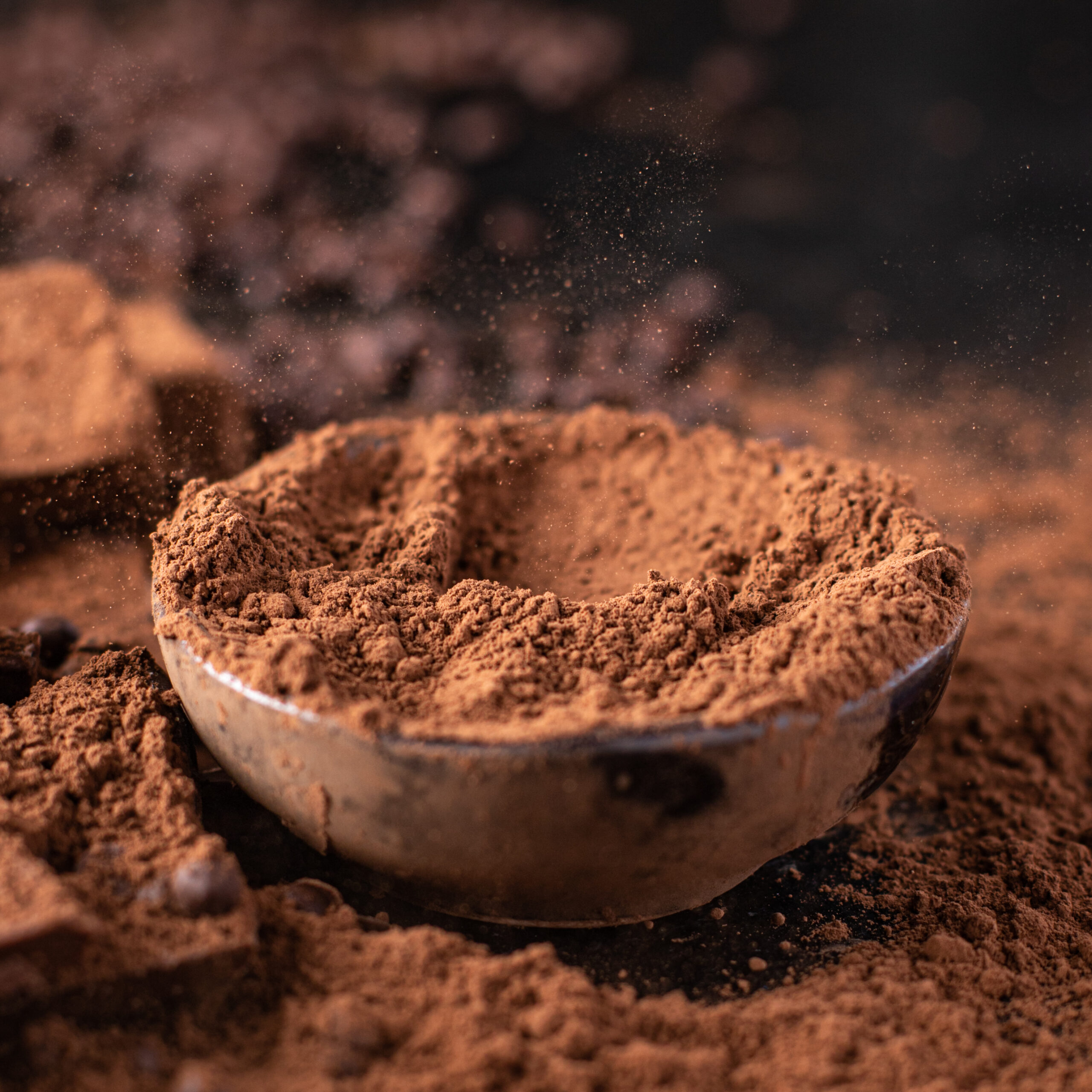
Step-by-Step Guidance for Industrial Beverage Applications
1. Evaluate Your Product Requirements
Determine whether your beverage is:
- Instant powdered mix
- Ready-to-drink bottled chocolate beverage
- Nutritional or protein-enhanced drink
Each application has unique requirements for particle size, solubility, and alkalization.
2. Select Appropriate Cocoa Powder Grade
- For instant mixes: prioritise solubility and dispersibility.
- For ready-to-drink beverages: focus on flavor intensity and color stability.
- For protein or dairy formulations: consider alkalization compatibility with other ingredients.
3. Conduct Pilot Trials
Test cocoa powder in small batches to evaluate:
- Dissolution rate
- Color consistency
- Flavor profile
- Interaction with stabilizers or emulsifiers
This step ensures minimal risk when scaling to full production.
4. Integrate into Production Line
- Powdered beverages: Use high-speed mixers or spray-drying equipment to achieve uniform distribution.
- Liquid beverages: Pre-suspend cocoa in water or milk with gentle agitation to prevent sedimentation.
- Stabilization: Add natural or food-grade stabilizers if required to maintain suspension during storage and transport.
5. Monitor Quality Metrics
- pH consistency
- Solubility index
- Color uniformity
- Flavor stability
Regular testing ensures production consistency and minimizes customer complaints.
Industrial Insights from MT Royal
In our experience supplying beverage manufacturers, several practices stand out:
- Batch consistency is critical: Even small variations in cocoa alkalization or particle size can impact taste and texture.
- Supplier selection affects efficiency: Premium suppliers like Latamarko reduce process adjustments and improve yield.
- Storage logistics matter: Proper climate-controlled storage prevents clumping, extends shelf life, and reduces waste.
We’ve observed facilities reduce blending times by up to 20% by switching to finely milled, alkalized cocoa powders and optimizing pre-blending processes.
Comparing Supplier Tiers
| Feature | Standard Supplier | Premium Supplier (Latamarko) |
|---|---|---|
| Particle Uniformity | Moderate | Highly consistent |
| Solubility | Adequate | Excellent |
| Flavor Consistency | Variable | Very stable |
| Color Stability | Good | Exceptional |
| Bulk Supply Reliability | Moderate | High |
| Cost | Lower | Higher, justified by efficiency gains |
For high-volume beverage production, premium powders often deliver better ROI despite higher per-kilogram costs, due to improved process efficiency and reduced product rejects.
Trends in Industrial Beverage Cocoa Use
- Growing demand for ready-to-drink chocolate beverages
- Consumer preference for smoother, less bitter chocolate taste
- Focus on natural and sustainable sourcing
- Adoption of automation requiring predictable ingredient behavior
Factories that adapt sourcing and formulations proactively can maintain quality while meeting market demands.
Frequently Asked Questions (FAQ)
Q1: What is the ideal alkalization level for instant cocoa mixes?
A: Mild to moderate alkalization (pH 6.8–7.2) balances flavor and solubility without bitterness.
Q2: Can I use alkalized cocoa powder in protein beverages?
A: Yes, but ensure compatibility with pH-sensitive proteins to prevent coagulation.
Q3: How should cocoa powder be stored in large beverage production facilities?
A: In dry, cool conditions (relative humidity <60%) and sealed containers to prevent clumping and odor absorption.
Q4: Is premium European cocoa powder worth the investment?
A: Yes. Brands like Latamarko offer superior consistency, color stability, and solubility, reducing downtime and improving batch quality.
Closing Thoughts
Alkalized cocoa powder is not merely a raw material—it’s a strategic lever in beverage manufacturing. From flavor and color to solubility and operational efficiency, the right choice shapes every aspect of production.
Manufacturers who partner with reliable suppliers, standardize ingredient specifications, and adopt process-aware integration strategies gain a clear competitive edge. Spanish-engineered solutions like Latamarko set benchmarks in quality, while MT Royal provides the practical support and brand diversity necessary for consistent industrial success.
Ultimately, mastering cocoa powder is about more than recipes—it’s about creating repeatable, scalable, and delightful beverage experiences that keep consumers coming back.


No comment