

In the world of chocolate production, where flavor precision and process stability determine profitability, few ingredients play a more critical role than cocoa powder. Yet even seasoned manufacturers sometimes underestimate the differences between alkalized (Dutch-process) and non-alkalized (natural) cocoa powders.
If you manage a production facility or supervise formulation lines, understanding these differences isn’t just academic—it directly affects yield, flavor consistency, solubility, and even the perception of your final product in the market.
In this comprehensive guide, we’ll explore the chemical, sensory, and operational distinctions between the two types, discuss their implications for industrial use, and share insights we’ve gained from years of supplying cocoa powders to manufacturing facilities worldwide through MT Royal.
What Exactly Is Cocoa Alkalization?
Alkalization—or “Dutch-processing”—is a refining step in which cocoa nibs or liquor are treated with an alkaline solution, typically potassium carbonate. The purpose is to neutralize cocoa’s natural acidity, adjust its pH, and improve color uniformity and flavor smoothness.
Non-alkalized (natural) cocoa powder, by contrast, skips this step. It’s milled from roasted cocoa beans without chemical treatment, retaining its natural acidity and more complex flavor profile.
| Feature | Alkalized Cocoa Powder | Non-Alkalized Cocoa Powder |
|---|---|---|
| Processing | Treated with alkali (usually potassium carbonate) | No alkali treatment |
| pH Range | 6.8–8.1 (neutral to mildly alkaline) | 5.0–5.8 (naturally acidic) |
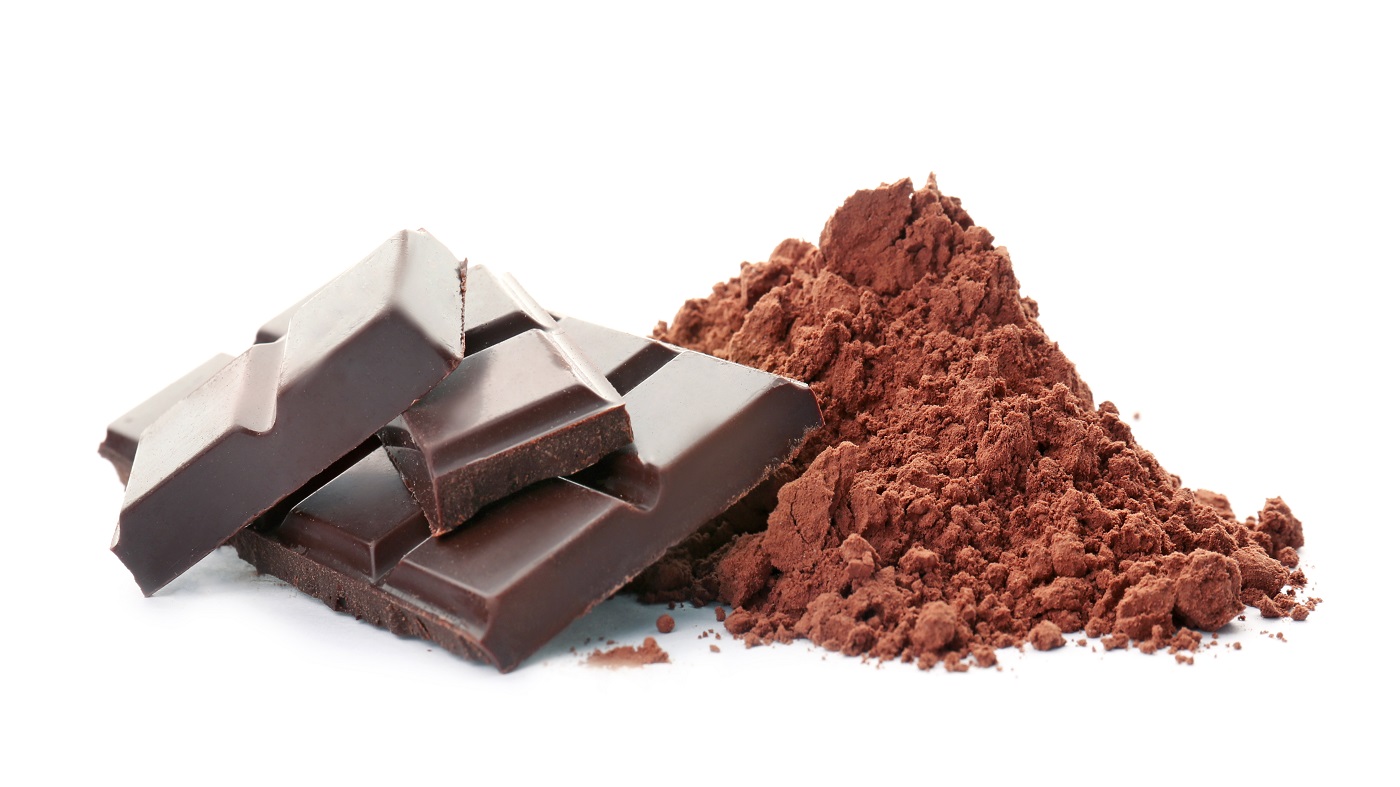
| Color | Deep brown to nearly black | Light to medium reddish-brown |
| Flavor | Mellow, less bitter, rounder | Bright, tangy, slightly sharp |
| Solubility | Enhanced (dissolves easily in liquids) | Lower solubility |
| Applications | Hot cocoa mixes, industrial beverages, ice cream, coatings | Leavened bakery goods, natural chocolates, clean-label products |
Why These Differences Matter in Industrial Manufacturing
In a commercial kitchen, taste may dominate decisions. But on a factory floor, cocoa’s behavior in production lines—its flow properties, pH compatibility, fat interaction, and cost efficiency—can make or break an entire batch run.
1. pH Compatibility with Leavening Agents
The pH of the cocoa powder determines how it reacts in baked products.
- Non-alkalized cocoa reacts naturally with baking soda (sodium bicarbonate), producing carbon dioxide that helps batter rise.
- Alkalized cocoa, already neutralized, lacks this acid–base reaction and requires baking powder instead.
For industrial bakeries standardizing recipes across multiple product lines, this difference is crucial for consistent texture and volume.
2. Solubility and Dispersibility
Beverage manufacturers often prefer alkalized cocoa because it disperses easily in liquids—essential for instant drink powders or chocolate milk production. When you’re filling thousands of pouches an hour, reduced clumping means fewer production halts and less equipment residue.
3. Color Uniformity
Alkalized cocoa’s rich, dark hue translates beautifully into final products, from biscuits to coatings. The visual appeal of a darker chocolate biscuit isn’t just cosmetic—it’s often associated with higher perceived quality by consumers.
At MT Royal, we’ve seen beverage and confectionery plants switch to Latamarko’s alkalized cocoa powders, sourced from Spain, specifically for their consistent color performance across large-scale batches. The Spanish engineering precision behind such products ensures tighter control of alkalization levels—minimizing variability between shipments.
How Alkalization Impacts Flavor and Aroma Development
Flavor chemistry in cocoa powder is incredibly intricate. Over 500 volatile compounds contribute to the sensory experience. Alkalization alters not only pH but also the balance between these compounds:
- Reduces astringency and acidity, leading to a smoother mouthfeel.
- Amplifies chocolatey and caramel notes by influencing Maillard reactions during processing.
- Diminishes bright, fruity top notes, which some craft chocolatiers prize but many mass-market manufacturers prefer to tone down for a consistent, mellow flavor.
From a production standpoint, flavor predictability is gold. Industrial clients often tell us that when they switch suppliers or source cocoa from a different origin, they notice minor shifts in flavor intensity. A well-controlled alkalized cocoa, particularly from premium producers like Latamarko, minimizes that risk—delivering uniform flavor profiles batch after batch.
Applications by Industry Segment
Every production environment has unique constraints—mixing speeds, temperature sensitivity, solubility requirements, and shelf-life expectations. Let’s break down where each cocoa type performs best.
1. Beverage & Instant Mix Manufacturing
Alkalized cocoa is the clear favorite.
- Excellent dispersibility in cold and hot water.
- Produces a dark, rich appearance in chocolate drinks.
- Minimal sedimentation during storage.
Powders like Latamarko’s medium-alkalized cocoa perform particularly well in automated blending lines, maintaining flowability even at high humidity levels.
2. Industrial Bakeries
It depends on the leavening system.
- Natural cocoa for traditional recipes using baking soda.
- Alkalized cocoa when neutral pH or darker appearance is desired.
Many large biscuit plants we’ve supplied at MT Royal prefer a 50-50 blend to balance cost, flavor brightness, and dough pH stability.
3. Confectionery & Coatings
Alkalized cocoa’s smooth flavor and deep color integrate perfectly into compound coatings, truffles, and filled bars. When combined with vegetable fats like CBS or CBR, it delivers excellent gloss retention and color uniformity under varying humidity conditions.
4. Ice Cream & Dairy Applications
Here, the alkalized variety dominates again. Non-alkalized cocoa can curdle or destabilize milk emulsions due to its acidity, while alkalized cocoa blends smoothly with dairy bases.
5. Clean-Label and “Natural” Product Lines
If your product emphasizes minimal processing, organic certification, or “pure cocoa flavor,” non-alkalized cocoa aligns better with that positioning—even if it requires recipe adjustments to balance acidity.
Industrial Procurement Considerations
Selecting the right cocoa powder goes beyond flavor. It’s about supply stability, cost efficiency, and technical compatibility with your processing lines.
1. Consistency Across Shipments
A frequent frustration among factory procurement teams is variability—minor changes in particle size or pH can alter viscosity or color. Working with suppliers like MT Royal, who curate multiple brands and origins, ensures access to consistent lots and reliable technical data sheets for each SKU.
2. Bulk Handling & Flowability
For facilities with automated conveying systems, cocoa’s bulk density and fat content directly impact performance. Alkalized cocoa generally offers smoother flow, reducing dust and clogging in pneumatic systems.
3. Cost-Per-Unit Efficiency
Alkalized cocoa tends to be marginally more expensive due to the extra processing step. But for beverage and coating plants, the reduced waste, faster dissolution, and stable flavor often outweigh the cost difference in the long term.
4. Shelf Stability
The alkalization process can slightly improve shelf life by reducing acidity and microbial susceptibility. For high-volume packaging operations, that translates into less risk of flavor degradation over time.
Common Misconceptions in Industrial Cocoa Procurement
Even experienced buyers occasionally fall into these traps:
- “All alkalized cocoa powders are the same.”
Not true. The alkalization intensity, bean origin, and fat level (10–12%, 20–22%, or full-fat) significantly affect performance. European producers like Latamarko maintain stricter alkalization precision, which directly translates into predictable product behavior. - “Natural cocoa is always cheaper.”
Pricing depends on origin, fat percentage, and market fluctuations. At times, high-quality natural cocoa from West Africa or Latin America can surpass lower-grade alkalized options in cost. - “Darker means stronger flavor.”
Color and flavor intensity are not directly correlated. Some heavily alkalized cocoas are dark but mild in taste. Always review sensory data and, if possible, conduct pilot trials before bulk ordering. - “Switching between the two is easy.”
Even a minor pH shift can disrupt texture, rise, or color in baked goods. Whenever switching, adjust leavening formulas accordingly and run small test batches.
Step-by-Step Guide for Manufacturers Choosing Between Alkalized and Non-Alkalized Cocoa
- Define Product Application: Beverage? Bakery? Confectionery?
- Check pH Compatibility: Does your current formulation rely on acidic reaction?
- Review Process Conditions: Solubility, temperature, mixing time, and fat system.
- Consider Color and Sensory Target: Do you need deep brown tones or natural reddish hues?
- Consult Your Supplier: Request both technical and sensory specs—at MT Royal, we help clients compare multiple brands to find the right balance of color, cost, and performance.
- Pilot Test Small Batches: Assess texture, flavor, and dispersion before scaling up.
- Secure Supply Contracts: Lock in consistent batches and reliable logistics to avoid mid-season formulation changes.
Trends in Cocoa Powder Sourcing for 2025 and Beyond
Global manufacturing trends are pushing cocoa procurement in new directions:
- Sustainability & Traceability: Ethical sourcing and transparent supply chains are now a must for multinational food producers. Premium European brands like Latamarko have implemented full bean-to-batch traceability systems—something industrial buyers increasingly demand.
- Functional Beverages Growth: Alkalized cocoa’s superior dispersibility keeps it at the center of ready-to-drink and instant beverage innovation.
- Hybrid Product Formulations: Manufacturers blend alkalized and natural cocoa to achieve unique color/flavor combinations while controlling costs.
- Automation & Dust Control: As plants move toward higher automation, flow-optimized cocoa powders reduce downtime and cleaning cycles.
- Price Volatility Management: Procurement teams partner with multi-brand suppliers (like MT Royal) to hedge against raw material fluctuations and secure flexible sourcing from different origins—West Africa, Southeast Asia, or Europe.
Real-World Manufacturing Insight
A mid-size biscuit factory we supplied in Eastern Europe once faced recurring issues with inconsistent dough color. Their in-house QA team traced it to sourcing from multiple brokers offering different alkalization levels. Once they standardized with a single Latamarko-grade alkalized cocoa, their rejection rate dropped by 18% within two months.
The lesson? In industrial settings, ingredient consistency translates directly into operational efficiency and reduced waste.
Frequently Asked Questions from Production Managers
1. Can alkalized and non-alkalized cocoa powders be mixed?
Yes, blending is common. Many factories use partial blends to achieve target color and flavor balance while optimizing cost.
2. Does alkalization affect nutritional value?
Slightly. The process can reduce flavonoid content, but for industrial applications focused on flavor and color, this is rarely a deal-breaker.
3. Which type is better for compound chocolate coatings?
Alkalized cocoa is typically preferred for smoother flavor and stable emulsification with vegetable fats.
4. How can we ensure supply consistency across regions?
Work with integrated suppliers like MT Royal who manage direct relationships with global manufacturers, including premium European brands like Latamarko, ensuring specification uniformity and reliable logistics.
5. What’s the shelf life difference?
Properly stored, both types last 18–24 months, but alkalized variants often retain sensory quality longer under fluctuating humidity conditions.
Final Reflections
At first glance, alkalized vs non-alkalized cocoa powder seems like a technical distinction—but for manufacturers, it’s a strategic decision influencing flavor identity, process efficiency, and long-term brand perception.
Whether you run a beverage facility, a biscuit line, or a confectionery plant, the right cocoa type determines not just taste—but consistency, downtime reduction, and customer loyalty.
At MT Royal, we’ve seen factories transform production outcomes simply by aligning their cocoa specifications with process realities. Sometimes that means adopting a high-grade alkalized powder like Latamarko’s European-engineered line; other times, it’s a return to natural cocoa for a cleaner label and brighter flavor.
The key is insight—knowing the chemistry behind the ingredient, understanding how it behaves under industrial conditions, and partnering with suppliers who treat your production goals as their own.
latamarko alkalized cocoa powder lm60
cocoa powder for chocolate production-Best price
Food industry raw materials – list of products
Types of Gelatin from Turkish Manufacturer
Alkalized Cocoa Powder Bulk Supplier

No comment