

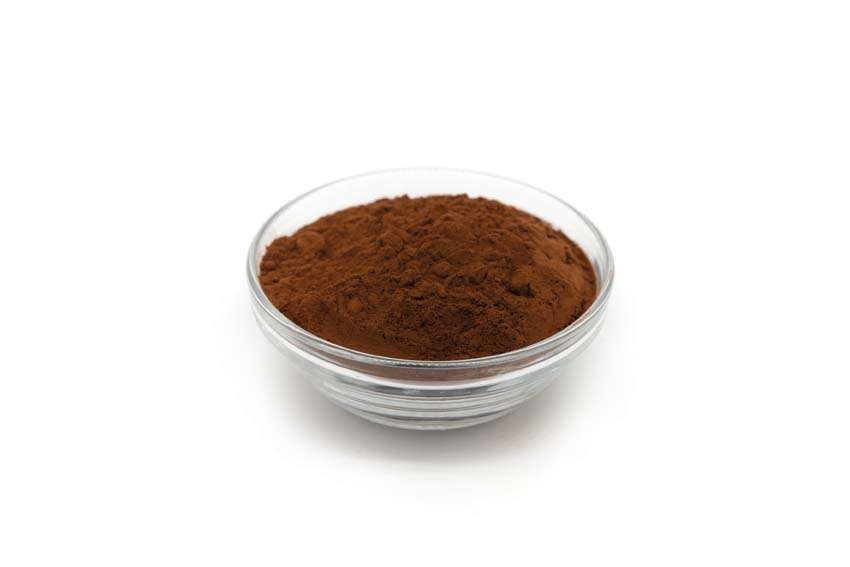
In large-scale manufacturing environments, the storage of alkalized cocoa powder is often overlooked, yet it is one of the most critical factors influencing product quality, flavor consistency, and operational efficiency. Whether you are producing chocolate confections, bakery goods, beverages, or cocoa-based mixes, improper storage can lead to clumping, microbial growth, off-flavors, and color inconsistencies—all of which affect your bottom line.
At MT Royal, we provide industrial manufacturers with premium-quality cocoa powders, including globally respected brands like Latamarko, known for their consistency and traceability. Drawing on years of experience supplying large production facilities, we explore best practices, pitfalls, and actionable advice for storing alkalized cocoa powder efficiently at scale.
Alkalized cocoa powder, or Dutch-processed cocoa, is treated with an alkaline agent such as potassium carbonate to neutralize acidity. This process modifies the cocoa’s flavor, color, and solubility—making it more suitable for industrial applications in beverages, confectionery, and baked goods.
Key characteristics for storage considerations:
- Low moisture content: Typically under 5%, critical for long-term stability.
- Neutral pH: Compatible with proteins and emulsifiers, reducing reactions during storage.
- Fine particle size: Improves solubility but increases susceptibility to clumping if humidity is high.
- Color and flavor stability: Sensitive to light, oxygen, and temperature fluctuations.
Understanding these properties is essential for designing a storage system that preserves cocoa powder quality across multiple production lines and batch sizes.
Why Proper Storage Matters for Manufacturers
Industrial production requires consistent quality across hundreds or thousands of kilograms per batch. Poor storage can result in:
- Clumping and caking, reducing flowability in mixers and dispensers.
- Flavor degradation, including bitterness or stale notes.
- Color inconsistencies, affecting finished product appearance.
- Increased waste and production downtime due to rejected batches.
By implementing robust storage practices, factory managers can ensure that alkalized cocoa powder recipes remain predictable, scalable, and profitable.
Storage Environment Best Practices
Temperature Control
- Maintain storage areas between 18–22°C (64–72°F).
- Avoid heat sources such as ovens or direct sunlight, which accelerate oxidation and color degradation.
- Use temperature-controlled warehouses for long-term storage or large inventory volumes.
Humidity Management
- Keep relative humidity below 50% to prevent moisture absorption.
- Avoid storage near water sources or condensation-prone areas.
- Employ dehumidifiers or desiccant-based systems in humid climates.
Packaging Considerations
- Store cocoa in sealed, moisture-resistant bags or drums.
- Retain original packaging where possible for traceability and quality assurance.
- For bulk storage, use food-grade liners in silos or containers to minimize exposure to air and light.
Airflow and Ventilation
- Ensure adequate airflow around storage units to prevent localized humidity buildup.
- Avoid stacking bags directly against walls or ceilings to reduce condensation risks.
Light Exposure
- Minimize exposure to UV or fluorescent light, which can fade cocoa’s dark color.
- Store in opaque or covered containers when feasible.
Handling and Operational Tips
FIFO (First-In, First-Out)
Implementing a FIFO system ensures older batches are used first, reducing the risk of flavor or quality deterioration over time.
Batch Tracking
- Label all storage units with date received, supplier, batch number, and alkalization level.
- Use automated tracking systems where possible to maintain accuracy across multiple production lines.
Mixing and Dispensing
- Avoid over-handling or excessive agitation, which can generate static and dust.
- Use properly calibrated screw feeders, vibratory hoppers, or ribbon mixers to maintain smooth flow.
Supplier Coordination
- Source consistent grades from trusted suppliers such as MT Royal, which offers traceable, industrial-grade cocoa powders, including premium European options like Latamarko.
- Conduct periodic audits and quality testing to verify moisture, particle size, and alkalization levels.
Common Pitfalls in Industrial Cocoa Storage
| Issue | Cause | Industrial Solution |
|---|---|---|
| Clumping/caking | High humidity or poor packaging | Maintain <50% RH; use moisture-resistant bags |
| Flavor degradation | Heat or oxygen exposure | Temperature-controlled storage; sealed containers |
| Color fading | UV or fluorescent light | Store in dark, covered containers |
| Contamination | Cross-contact or poor hygiene | Dedicated storage area; proper cleaning protocols |
| Loss of solubility | Long storage under poor conditions | Test batch solubility; rotate inventory regularly |
Scaling Storage for Large Production Facilities
Bulk Silos
- Use food-grade silos with humidity and temperature monitoring.
- Include aeration or vibration systems to prevent compaction and caking.
Multi-Line Warehouses
- Implement zoned storage by cocoa type, alkalization grade, or application.
- Use inventory management software to track consumption across multiple lines.
Emergency Protocols
- Prepare backup storage in case of HVAC or climate control failure.
- Maintain small reserve quantities to prevent production interruptions.
Insights from MT Royal Experience
In our years of supplying industrial manufacturers, we’ve observed that factories integrating proper storage protocols reduce waste by up to 15% and maintain flavor consistency across thousands of kilograms of cocoa powder. Premium brands, such as Latamarko, further reduce variability and improve product stability, particularly in automated or high-speed production lines.
We’ve also seen that operators benefit from educational training on moisture control, FIFO systems, and equipment calibration—small adjustments that yield significant operational gains.
Frequently Asked Questions (FAQ)
Q1: How long can alkalized cocoa powder be stored safely?
A: Under ideal conditions—cool, dry, and dark—industrial-grade alkalized cocoa powder can be stored up to 24 months without significant loss in quality.
Q2: Can storage affect recipe performance?
A: Yes. Variations in moisture, temperature, or exposure to light can affect solubility, color, and flavor in beverages, confections, or baked goods.
Q3: Are online-purchased cocoa powders suitable for industrial storage?
A: Absolutely, if sourced from reputable suppliers like MT Royal. Verify packaging integrity and batch traceability before integration into large-scale production.
Q4: How do premium brands compare?
A: Brands such as Latamarko provide enhanced consistency in pH, color, and solubility, which simplifies storage management and recipe predictability.
Conclusion
Proper storage of alkalized cocoa powder is not a luxury—it is a critical element of production efficiency, quality assurance, and cost control. By implementing temperature and humidity controls, ensuring correct packaging, adopting FIFO practices, and sourcing from reliable suppliers such as MT Royal and premium European brands like Latamarko, manufacturers can reduce waste, maintain flavor and color consistency, and ensure smooth production workflows.
Storage is the silent backbone of your industrial cocoa recipes—invest wisely, and the benefits will be evident from the first batch to the thousandth.




No comment