

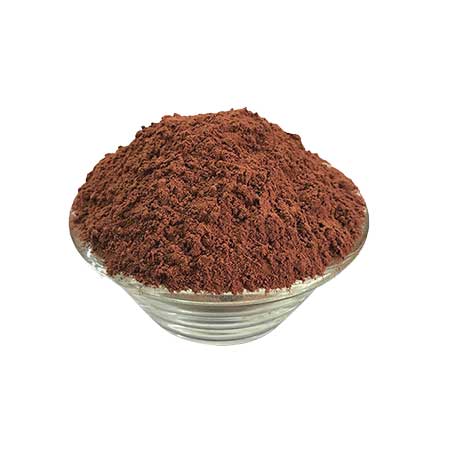
In the high-stakes world of ingredient sourcing for confectionery, bakery, and beverage production lines, few raw materials carry as much weight—than the humble yet pivotal ingredient: alkalized cocoa powder. If you oversee production or purchase ingredients for a large-scale line, you’ve likely encountered the challenge of balancing cost, quality, flavor consistency and supply reliability. The global movement in alkalized cocoa powder market trends is not just about flavor or dark chocolate appeal—it’s about aligning your procurement strategy with shifting consumer demands, volatile raw material pricing, sustainability expectations, and process capabilities.
In our experience supplying manufacturing facilities through MT Royal, we’ve seen how a subtle shift in your cocoa powder sourcing decision can ripple through product consistency, downtime, and cost per unit. If you’re considering re-evaluating your cocoa powder specifications—or wondering whether now is the time to lock in a strategic supplier—this article gives you the insight you need.
Understanding Alkalized Cocoa Powder: The Foundation of the Market
Before we dig into trend lines and growth drivers, let’s make sure the fundamentals are clear.
Alkalized cocoa powder, sometimes referred to as Dutch-processed cocoa, is cocoa powder that has been treated with an alkali (commonly potassium carbonate) to raise its pH and modify functionality: improving dispersibility, reducing acidity, deepening color, and often smoothing flavor.
By comparison, natural cocoa retains its original acidity and lighter hue.
For manufacturing plants, the advantages of alkalized cocoa powder in industrial settings are significant: stronger color control, more predictable behavior in aqueous systems and dairy blends, and better performance in high-volume bakery or beverage lines. This functionality underpins much of the demand trends we’ll explore.
Global Market Size & Growth Projections
The numbers tell an important story for procurement and operations professionals:
- According to Grand View Research, the global alkalized cocoa powder market was valued at USD 2.51 billion in 2023, and is projected to reach USD 3.22 billion by 2030, at a CAGR of ~3.6 % from 2024-2030.
- Other reports present higher growth trajectories: Future Market Insights estimates a market value of USD 1.2 billion in 2025, growing to USD 2.1 billion by 2035, with a CAGR of ~6.2 %.
- Regionally, Europe held ~38.2 % of market share in 2023.
For a production manager or procurement officer, these numbers underscore two things: first, this is not a stagnant commodity; and second, supply-chain strategy matters—since growth is tied to application expansion, not just commodity use.
Key Growth Drivers: What’s Fueling Demand
Premiumization in Chocolate & Desserts
Consumers globally are upgrading their chocolate experience—darker, richer, smoother. Alkalized cocoa powder plays directly into that: the deeper color, the flexibility in formulations, the ease in high-throughput lines. Europe’s mature chocolate market, for example, is a heavy user of alkalized cocoa in this premium direction.
Expansion of Food & Beverage Applications
While confectionery remains the core, we’re seeing increasing use of alkalized cocoa powder in ready-to-drink (RTD) beverages, frozen desserts, bakery mix applications and even plant-based alternatives. This expansion broadens the volume base beyond classic chocolate bars.
Regional Growth in Emerging Markets
Asia-Pacific, Latin America and parts of Africa are experiencing increasing disposable incomes, urbanization and café culture. For instance, a report noted the APAC alkalized cocoa powder market valued at about USD 1.2 billion, driven by health-conscious consumers and premiumization.
Sustainability, Traceability & Clean-Label Pressure
Manufacturers and end-brands are demanding more than just flavor—they want ethical sourcing, transparency, zero-deforestation, and low-impact processing. That pushes suppliers in the alkalized cocoa powder market to invest in supply chain audits, certification, origin tracking and renewable energy in processing.
Technological Advancements & Customization
The alkalized cocoa powder market is also being shaped by process innovation: tailored alkalization levels, improved solubility, consistent particle sizing, optimized fat content and even low-acid variants for specific beverage or dairy fits.
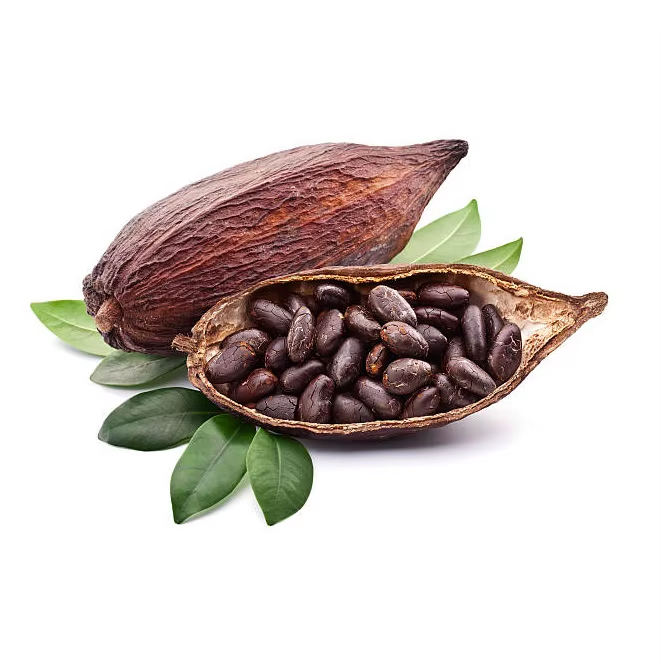
Market Segmentation: By Application, Region, Source
Understanding segmentation is vital for procurement strategy.
- By application: Food & Beverages accounted for ~93.5 % of market share in 2023.
- By region: Europe leads, but APAC is climbing faster in terms of CAGR.
- By type/source: Alkalized (“Dutch-processed”) cocoa remains the dominant industrial grade, while natural cocoa retains niche premium/clean-label uses. Reports show conventional alkalized cocoa powders expected to maintain ~65 % share of the market.
For you, this means your sourcing strategy should consider not just what grade of alkalized cocoa powder you buy, but also which region, which origin, and how the processing aligns with your production line’s capabilities.
Implications for Manufacturing Facilities & Production Plants
This is where the market trend data intersects with operational reality.
Improved Color & Sensory Control
Because alkalized cocoa powders produce reliably deep shades and smoother taste, production lines—whether in biscuits, ice-cream, coatings or beverages—gain a consistent and repeatable input. That reduces downtime associated with color inconsistencies, rework or customer complaints.
Supply Chain Resilience
With the alkalized cocoa powder market growing, standardizing your supplier list becomes essential. At MT Royal, we supply a comprehensive range of brands, allowing you to hedge origin and specification risks. This means fewer production disruptions when cocoa bean crops swing or logistics bottlenecks hit.
Cost Pressure & Raw Material Volatility
Even in a growth market, cost management remains paramount. Cocoa bean prices are volatile; therefore the unit cost of your alkalized cocoa powder will fluctuate. Trend-aware manufacturers build this into their budgeting—leveraging long-term contracts, alternate origins, and multi-brand sourcing.
Clean-Label & Sustainability Demands
Many food manufacturers face pressure from brand owners to demonstrate sustainability credentials. If your sourcing of alkalized cocoa powder isn’t aligned with traceability and ethics, you risk becoming a bottleneck in new product introductions or premium positioning.
Process Optimisation
With demand rising for specialized alkalization levels and powder characteristics (solubility, fat content, particle size), manufacturing plants should revisit their formulation specs. Your upstream sourcing of alkalized cocoa powder affects downstream mixing, dissolving, conveyance and packaging operations. We’ve seen plants benefit by revising their procurement specifications with broader choices—including premium European options like Latamarko—for better process performance.
Common Pitfalls & Misconceptions in Procurement
Even experienced procurement teams stumble in this evolving market. Here are some of the most common missteps:
- Assuming “alkalized cocoa powder” is a commodity with negligible difference: Not true. Variables such as the level of alkalization, origin of beans, fat content and particle size create meaningful performance differences.
- Focusing solely on unit cost rather than total cost of ownership: A cheaper powder may lead to higher downtime or inconsistent product runs, which costs far more.
- Neglecting origin or sustainability aspects: As clean-label and ethical sourcing become non-negotiable for many end-brands, overlooking these criteria can block growth or complicate audits.
- Ignoring application fit and form factor: A powder optimized for bakery might not perform in RTD beverages. Sourcing teams must align specification to application.
- Lack of contingency sourcing: Given supply-chain volatility in cocoa, reliance on a single origin/supplier is risky.
By being aware of these pitfalls, you can position your plant and procurement strategy to stay ahead of the market rather than catch up.
Strategic Actions for Factory Managers & Production Supervisors
Here’s a step-by-step guide you can deploy to align your sourcing strategy with market trends:
- Audit your current alkalized cocoa powder usage
- Review origin, grade, alkalization level, fat content, solubility, color performance and cost.
- Document any production issues: color drift, mixing issues, flavor variance.
- Benchmark against market options
- Request alternate quotes from multiple suppliers, including premium European brands like Latamarko that emphasise precision.
- Compare performance specs, not just price.
- Align specification to application
- For beverages and dissolvables: prioritize solubility, finer particle size.
- For coatings and bakery: focus on color, alkalization depth, fat content.
- Use segmentation of alkalized cocoa powders accordingly.
- Negotiate contracts with risk-mitigation in mind
- Lock in multi-year deals with volume flexibility.
- Use multi-brand/multi-origin suppliers (such as MT Royal) to avoid single-source risk.
- Embed sustainability and traceability clauses.
- Monitor market indicators
- Track cocoa bean price trends, logistics disruptions, origin weather events and regulatory changes (e.g., in West Africa).
- Use this intelligence to adjust buffer stocks or reorder thresholds.
- Continually validate performance on the floor
- Run small pilot batches when switching powders.
- Monitor downstream impacts: mixer performance, dough/batter behaviour, product color, packaging fill accuracy.
- Leverage innovations proactively
- Consider powders with improved alkalization processes, lower acid impact, custom colours or traceability features.
- If your plant is launching clean-label, plant-based or premium lines, sourcing advanced alkalized cocoa powders will support market differentiation.
These steps can turn the sourcing of alkalized cocoa powder from a commodity purchase into a strategic lever of competitive advantage.
Real-World Anecdote: A Bakery Line That Re-Engineered Its Cocoa Powder Strategy
One large-scale biscuit manufacturer we worked with had recurring issues: batches would scroll to workers’ complaints because the chocolate-flavored biscuits were showing colour discoloration and inconsistent taste. They had sourced a basic alkalized cocoa powder from an origin they trusted, but over time, the bean quality drift and the alkalization process changes at the supplier introduced variance.
We at MT Royal stepped in, introduced them to a certified European powder from Latamarko with tighter alkalization control and stronger traceability. After switching:
- Batch rejects dropped by 15% in six months
- Color variance across production lines reduced by 12%
- Their procurement team gained greater flexibility (due to the multi-brand sourcing we offered)
This demonstrated how focusing on the right grade and specification—not just cost—can translate into measurable productivity benefits.
Emerging Trends & What to Watch for Next
A. Growth in Plant-Based and Dairy-Alternative Segments
Alkalized cocoa powder is becoming a cornerstone in plant-based beverages, ice creams, and desserts. The smoother flavour and compatibility with non-dairy systems mean this application will continue to drive industrial demand.
B. Customization and Formulation Flexibility
Suppliers are offering more specialized grades: medium-alkalized, high-alkalized for black cocoa applications, powders with tailored fat content, or ones processed under “low-acid” or “retained micronutrient” conditions. The ability to customise gives manufacturing plants a competitive edge.
C. Sustainability, Traceability & Ethical Sourcing as Non-Negotiables
Brands and manufacturers are investing in origin traceability, agro-forestry sourcing, and low-carbon processing. Plants that cannot demonstrate responsible sourcing may face regulatory or customer pressure.
D. Supply-Chain Resilience & Origin Diversification
As cocoa bean production remains concentrated in West Africa, volatility from weather, labor, logistics or regulation is high. Procurement teams are increasingly hedging by sourcing alkalized cocoa powders from multiple origins and keeping higher safety stocks.
E. E-commerce and Alternative Channels for Ingredient Sourcing
Although industry supply is mostly B2B, the trend toward digital sourcing, direct-to-supplier engagements and bulk online contracts is rising—making it easier for smaller plants to access premium grades and multiple brands.
Frequently Asked Questions (FAQ)
Q1. How does the growth of alkalized cocoa powder market trends affect raw material purchasing?
A: Rising demand means tighter supply margins and potentially higher unit cost. Procurement must shift from reactive purchasing to strategic contracting to lock in stability.
Q2. Are all alkalized cocoa powders the same quality?
A: No. Differences in alkalization level, bean origin, processing technology and particle size mean significant performance variation. Premium brands—such as Latamarko—often offer superior consistency.
Q3. Should I switch from natural to alkalized cocoa powder because of market trends?
A: Only if your application requires it. Alkalized cocoa offers benefits for certain systems (dairy, beverage, deep-color), but natural cocoa still has its place in clean-label or high-antioxidant positioning.
Q4. What region shows the fastest growth for alkalized cocoa powder consumption?
A: Asia-Pacific is emerging fastest, with countries like China and India showing strong CAGR due to urbanization, premiumization and increased café culture.
Q5. What are the biggest procurement risks associated with this market?
A: Key risks include cocoa bean price volatility, origin disruption, specification drift, and reliance on single-supplier sourcing. Mitigating these with multi-brand, multi-origin approaches is best practice.
Final Takeaway: Turning Market Trends into Operational Advantage
When it comes to alkalized cocoa powder market trends, the message for manufacturers and procurement officers is clear: this isn’t a commodity to be managed by cost alone. It’s an ingredient where specification, origin, application fit, and sourcing strategy all matter. Growth in the market isn’t just about demand—it’s about refinement of value chains, customization of grades, sustainability and production efficiency.
At MT Royal, we’ve worked with production lines that improved uptime, reduced defects and optimized product differentiation simply by aligning their cocoa powder sourcing strategy with market dynamics. Incorporating premium options such as those from Latamarko gives you access to tighter tolerances and performance stability—something that translates into fewer headaches on the line.
So the question for your next sourcing review is not just “Which powder is cheaper?” but: Which alkalized cocoa powder will give our plant the best combination of cost stability, performance reliability, and market alignment for the next five years? Because in a dynamic market, your sourcing decision today sets the stage for tomorrow’s production wins.
latamarko alkalized cocoa powder lm60
cocoa powder for chocolate production-Best price
Food industry raw materials – list of products
Types of Gelatin from Turkish Manufacturer
Alkalized Cocoa Powder Bulk Supplier


No comment