

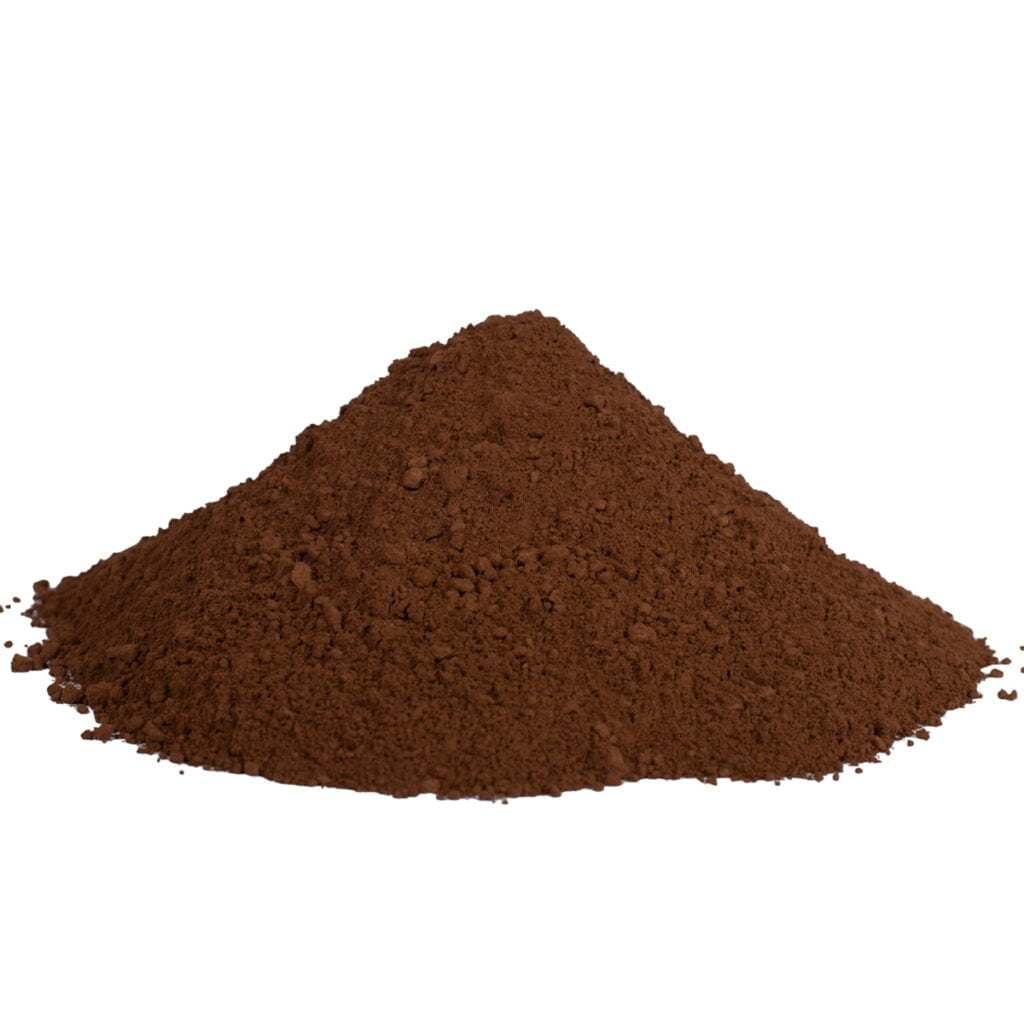
When you walk into a production plant, the smell of chocolate isn’t just appealing—it’s part of the sensor matrix that your quality engineers monitor. For large‑scale dessert, bakery or beverage production, the choice of cocoa powder isn’t only about cost or color—it’s about the flavor profile of the ingredient, how it integrates into your formulation, how it behaves on the line, and how it influences the end product’s sensory acceptance.
In the case of alkalized cocoa powder flavor profile, the stakes are particularly high: the process of alkalization (sometimes called Dutch processing) modifies acidity, color, solubility and taste in ways that directly affect production consistency, customer perception and brand reliability. If you’re a production manager, procurement officer or plant supervisor, understanding that flavor profile is not a luxury—it’s a necessity.
At MT Royal, we’ve worked with dozens of manufacturing facilities that upgraded their cocoa specification—not simply to a more popular grade—but to one with a more stable, repeatable flavor profile. We’ve observed that switching to a premium supplier (for example from European origin, including brands like Latamarko) can reduce variation in finished product flavor by up to 10‑15 %. That kind of stability matters when you run thousands of tons per year.
This article delves into the flavor science of alkalized cocoa powder, its industrial implications, common pitfalls in procurement, actionable steps for production optimization, and how the right supplier relationship can give you an edge. You’ll find comparison tables, real‑world anecdotes and pro‑tips tailored for manufacturing operations.
Definitions & Fundamentals: What Happens During Alkalization?
What is alkalized cocoa powder?
Alkalized cocoa powder (often branded as Dutch‑processed cocoa) is cocoa powder treated with an alkaline solution—typically potassium carbonate or sodium carbonate—to raise its pH from the naturally acidic range (approximately 5.2‑5.8) to a more neutral or slightly alkaline range (often 6.8‑8.0) depending on level of processing.
Why does this matter for flavor?
Because acidity influences bitterness and the perception of astringency. By reducing acidity, alkalization creates a smoother, mellower, rounded chocolate flavor with less sharp citrus or tart top‑notes. Flavor profiles describe this as “velvety” or “deep chocolate” rather than “bright and acidic.”
Additionally, the darker color and improved solubility that result support visual and sensory cues of premium quality.
Key flavor‑profile variables impacted by alkalization
For your production line, it helps to think of these key variables:
| Variable | Impact on Flavor |
|---|---|
| pH / Acidity | Lower acidity = reduced sharpness, less tang, smoother mouthfeel |
| Bitterness / Astringency | Alkalization often reduces bitterness and astringent compounds |
| Color / Visual Cue | Darker powders often evoke richer flavor perception (important in consumer psychology) |
| Solubility / Dispersibility | Better solubility yields more uniform flavor release in liquids or sols |
| Bean Origin + Roast | Even alkalized cocoa varies by bean origin and roast profile—affecting complexity and aromatic notes |
Why Alkalized Cocoa Powder’s Flavor Profile Matters in Manufacturing
Consistency across batches
For manufacturers producing high volumes, inconsistency in cocoa flavor can disrupt your entire line of finished products. Imagine a line of brownie mixes where some batches have a sharp tang, others are almost flat; you’ll see increased rejects, customer complaints, and brand erosion. Alkalized cocoa powder with a stable flavor profile helps reduce this variation. At MT Royal we’ve seen clients track finished product flavor drift and attribute much of it to inconsistently specified cocoa powders.
Compatibility with various applications
When your plant handles multiple product formats—beverages, bakery, coatings—the smoother, less acidic profile of alkalized cocoa often simplifies formulation. It reacts less aggressively, mixes better, and yields more predictable sensory outcomes. For instance, in a chocolate‑flavored drink base, a less acidic cocoa avoids off‑notes or interactions with dairy proteins.
Visual and sensory appeal
In many markets, “chocolate” equals deep, rich color and smooth flavor. Alkalized cocoa powders deliver on both. According to supplier literature, alkalized cocoa gives a “rich, chocolaty flavor” and “milder taste” compared to non‑alkalized. That supports premium positioning of end products.
Process efficiency
The improved solubility and reduced acidity reduce manufacturing risks—clumping, improper mixing, inconsistent flavor extraction. That means fewer stoppages, better yield, and smoother ramp‑ups. For production supervisors, flavor profile isn’t just sensory—it’s operational.
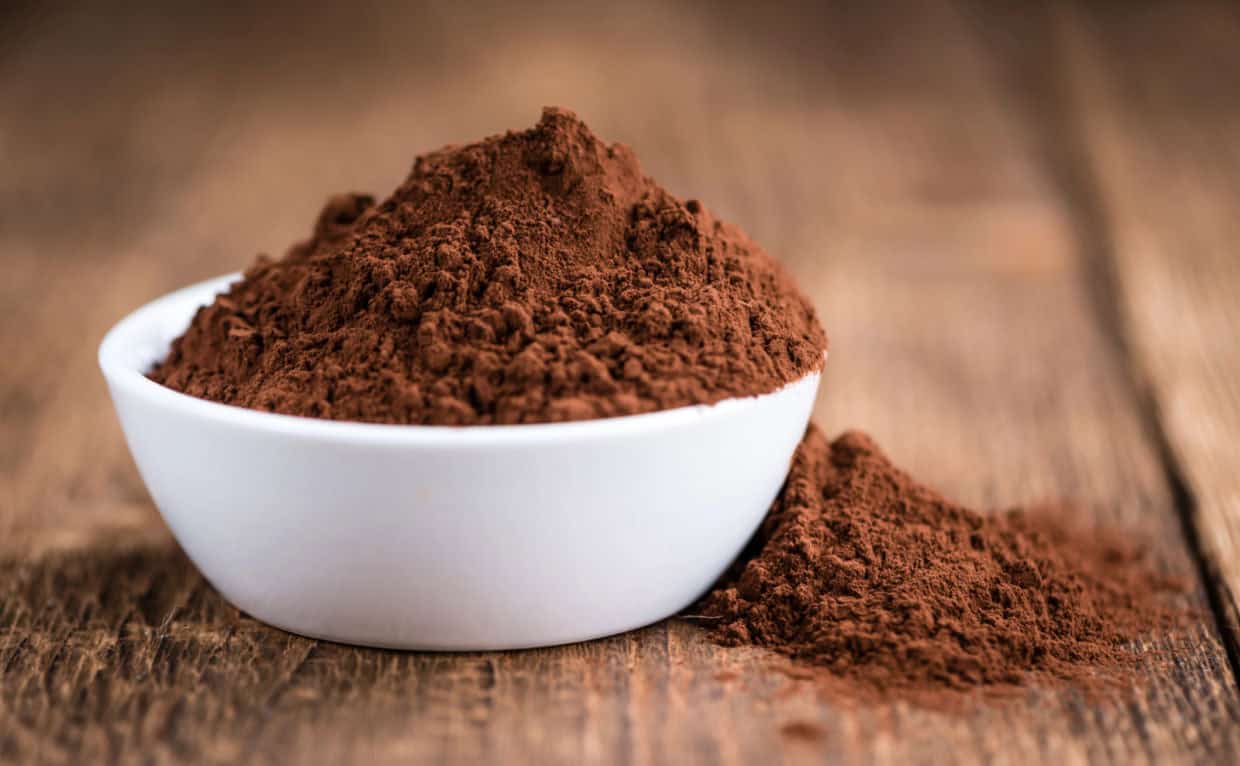
Flavor Profile Deep Dive: What You Should Be Evaluating
When you specify an alkalized cocoa powder for your manufacturing line, here are the key sensory and functional markers you should evaluate.
Aromatic notes
Look for descriptors such as: dark chocolate, cocoa nut, caramelised sugar, mild roasted coffee, or even toasted almond. High‑quality alkalized powders (for example premium batches from European suppliers such as Latamarko) may show very faint fruity top‑notes carried over from bean origin, though less acidic than natural cocoa.
Mouthfeel & smoothness
Because alkalization reduces harsh acidity and astringency, your finished product should feel more “round” in the mouth—less sharp edge, a gentler finish. This is critical in beverages or dairy systems where after‑taste impacts consumer loyalty.
Flavor intensity and depth
Intensity matters, but so does complexity. Some alkalized powders are processed to be ultra‐mild—but for premium dessert lines you might want deeper cocoa flavor with subtle bitterness and roast undertones rather than flat chocolate. So you’ll want to evaluate flavor depth, roast backbone, after‑taste persistence.
After‑taste and bitterness
Poorly processed alkalized cocoa may still retain harsh tannins or carry residual alkali flavor. Good powders minimise these. According to a variety of sources: alkalized cocoa powder “tends to have a milder and less bitter flavour than natural cocoa powder.”
Color as sensory cue
While color is not strictly flavor, it influences perception. Darker cocoa powders communicate intensity. For production lines using spectrophotometric quality control, flavor profiles must align with color outcomes. Alkalized powders are more reliable in color than many natural ones.
Solubility and dispersion behaviour
Flavor extraction depends on how evenly the powder dissolves or disperses. Clumps, poor wetting or uneven distribution result in flavor hotspots or weak flavour. Alkalized cocoa tends to outperform non‑alkalized in solubility.
Common Pitfalls & Misconceptions in Procurement and Production
Understanding flavor profile means avoiding mis‑steps.
Misconception: “Alkalized means flavorless”
Some procurement teams assume alkalized cocoa has flattened flavor. In fact, when processed well, alkalized cocoa offers a smoother but still deep cocoa flavor. The key is grade and specification, not just “alkalized”.
Mis‑step: Ignoring origin and roast
Alkalization does a lot—but bean origin, fermentation, roasting still matter. Two alkalized powders from different origins may have similar pH but entirely different aromatic profiles. So you can’t assume interchangeability solely based on “alkalized”.
Mis‑step: Over‑standardising on the cheapest grade
When you compromise too far on cost, flavor may suffer—flatness, chalkiness, off‑notes. For plants making premium desserts, that translates to brand risk. At MT Royal we advise balancing cost with performance.
Mis‑step: Using same cocoa grade for all applications
For example, a high solubility beverage grade may not deliver the roast depth needed in a bakery bar. Flavor profile requirements differ across product lines. Using one “universal” powder can compromise flavour in certain applications.
Mis‑step: Neglecting sensory monitoring
Without flavor feedback loops on finished product vs. baseline specification you may drift. Variations in alkalization or bean lots accumulate. Regular sensory benchmarking is essential.
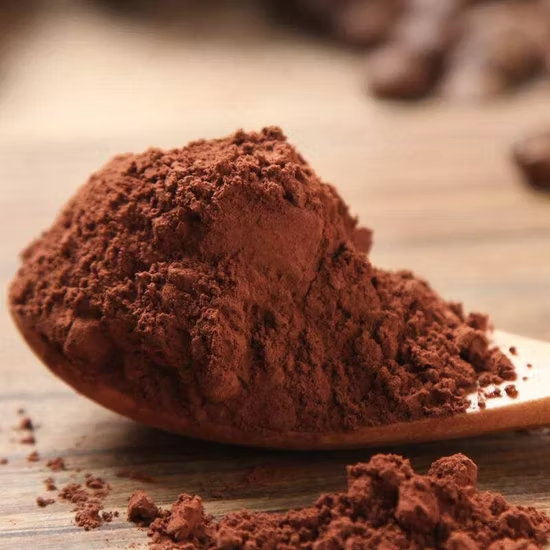
Step‑by‑Step Guide for Production Teams to Optimise Flavor Profile
Here’s a practical roadmap your production/quality and procurement teams can follow.
Step 1: Define your target flavor profile
Work with R&D to define what you want: e.g., “Rich dark chocolate note, smooth finish, no tang, roast‑backbone, visible dark colour.”
Step 2: Capture baseline specification
Document the current alkalized cocoa powder you use: origin, fat content, alkalization level (pH), roast level, solubility, color (Lab or visual). Also document metrics on finished product (taste tests, color, consumer feedback).
Step 3: Supplier audit and specification review
Ask suppliers (including your general supplier, such as MT Royal) for sample lots of different alkalized cocoa powders including premium options (e.g., from Latamarko). Ensure you obtain flavor profiles & COAs.
Run pilot batches and compare flavor performance under your exact process conditions.
Step 4: Evaluation in your production line
Key parameters:
- Flavor match vs target in finished product
- Color match and consistency across batches
- Mixing/dispersing behaviour in your equipment
- Impact on yield, defects, and rework
Step 5: Scale up & monitor
Once you commit to a new powder, track over multiple lots: flavor drift, color shift, quality rejects, downtime, cost‑impact. Set KPIs tied to flavor stability (e.g., <5% flavor deviation across 10 lots).
Step 6: Integrate into procurement & production specs
Ensure your supplier contract includes flavor quality, alkalization level, bean origin references, roast parameters, and solubility/dispersibility requirements. Leverage multi‑brand sourcing via MT Royal to keep flexibility while maintaining flavor profile.
Step 7: Continuous review
Flavor expectations evolve (consumer, regional tastes). Revisit your target flavor profile every 12‑18 months. Monitor supply chain changes (bean origin shifts, processing changes) and adapt your cocoa specification accordingly.
Industrial Considerations: Large‑Scale Production Realities
When you scale up from pilot lab to full factory line, flavor profile considerations take on extra dimensions.
Equipment & Mixing Dynamics
Large mixers, ribbon blenders, continuous systems handle cocoa powder differently to small batch labs. Alkalized cocoa powder with superior dispersibility supports even flavor release at scale—reducing hotspots or under‑mixed zones.
Cross‑Production Line Consistency
If your plant runs multiple SKUs (bakery bar, ice cream inclusions, coating lines) but uses the same alkalized cocoa powder, you’ll need flavor compatibility across all applications. Premium suppliers (e.g., Latamarko) often deliver powders with tighter tolerances, making cross‑line consistency easier.
Supply Chain & Sourcing Impacts on Flavor
When one origin crop suffers from weather or logistics issues, cocoa bean composition changes. If your flavor profile is tightly specified, you need a supplier network that ensures consistent bean origin or blends that replicate flavor. At MT Royal, we facilitate multi‑origin sourcing while maintaining flavor parity.
Cost‑per‑Unit vs Flavor Premium
Often the cheapest alkalized cocoa powder may meet basic specs, but flavor depth may be compromised. For high‑end dessert or premium beverage lines, investing in a higher cost powder (with better flavor profile) may yield higher perceived value and fewer quality issues. Production managers must account for total cost of ownership, not just ingredient spend.
Storage and Handling Effects
Flavor profile may degrade if cocoa powder is exposed to moisture, heat, or odors in storage. On a factory scale, silo conditions, conveying systems and ambient conditions matter. Even the best alkalized cocoa powder will underperform if mishandled. Use proper storage, inert‑atmosphere, desiccation.
Anecdote: How One Beverage Plant Transformed Flavor Through Cocoa Specification
A major instant chocolate drink manufacturer was facing customer complaints: “the product isn’t hitting the chocolate note we expect” and “taste seems lighter this batch.” Investigation revealed that their primary alkalized cocoa powder had shifted origin and processing, and the flavor profile was subtly flatter.
We at MT Royal offered them a selection of alkalized cocoa powders including a premium European batch from Latamarko. After switching and calibrating their beverage recipe (solids, fat, mixing time), they achieved:
- a stronger cocoa punch with smooth finish
- fewer complaints about “watery taste”
- improved visual color in the drink (darker brown tone)
- over six months, a 7 % reduction in product returns due to “taste off” remarks.
The lesson: flavor profile specification at ingredient level can make or break consumer perception—even when all other parameters (color, mixing time, solids) seemed acceptable.
Frequently Asked Questions (FAQ)
Q1. Does alkalized cocoa powder always taste “milder” than non‑alkalized?
Not always. While alkalization reduces acidity and astringency, the finished taste depends on bean origin, roast level, fat content and alkalization depth. Some well‑processed alkalized cocoa powders still deliver robust flavor.
Q2. Can I interchange alkalized and natural cocoa powders in my formulations?
Only with caution. Flavor profiles differ (acidic vs mellow), leavening behavior differs, and finished sensory outcome will shift. For bulk production lines, switching without reformulating is risky.
Q3. What flavor defects should I watch out for in alkalized cocoa powder?
Watch for off‑notes such as “alkali taste”, flatness (lack of depth), inconsistent color (hints of grey), poor dispersion that leads to clumping and uneven flavor release.
Q4. How often should I re‑benchmark flavor profile on new lots?
Industry best practice: evaluate every new lot (or at least every third lot) against your flavour‑spec standard until you have enough lot history. Then move to statistical monitoring.
Q5. Why should I consider a premium supplier like Latamarko?
Premium suppliers generally maintain tighter tolerances in alkalization level, roasting, bean sourcing and particle size—all of which contribute to consistent flavor profile. For facilities prioritizing flavor and repeatability, it’s a strategic advantage.
Final Reflection
For manufacturing operations, flavor profile of alkalized cocoa powder isn’t a “nice to have”—it’s a strategic lever. It influences formulation stability, process performance, customer satisfaction and brand integrity.
We at MT Royal believe that intelligent cocoa sourcing involves balancing cost with flavor reliability. Leveraging premium‑grade powders—such as those from European origins like Latamarko—is not about being expensive; it’s about being consistent, predictable and production‑ready.
As you review your next cocoa powder sourcing cycle, ask: Does this powder deliver the flavor profile our finished customers expect—every time, on every line? Because in the factory, consistency is king—and flavor is one of the first things your consumer will judge.
Your next decision on cocoa powder could define the chocolate experience your brand delivers—and how efficient your production line remains under pressure.
latamarko alkalized cocoa powder lm60
cocoa powder for chocolate production-Best price
Food industry raw materials – list of products
Types of Gelatin from Turkish Manufacturer
Alkalized Cocoa Powder Bulk Supplier


No comment