

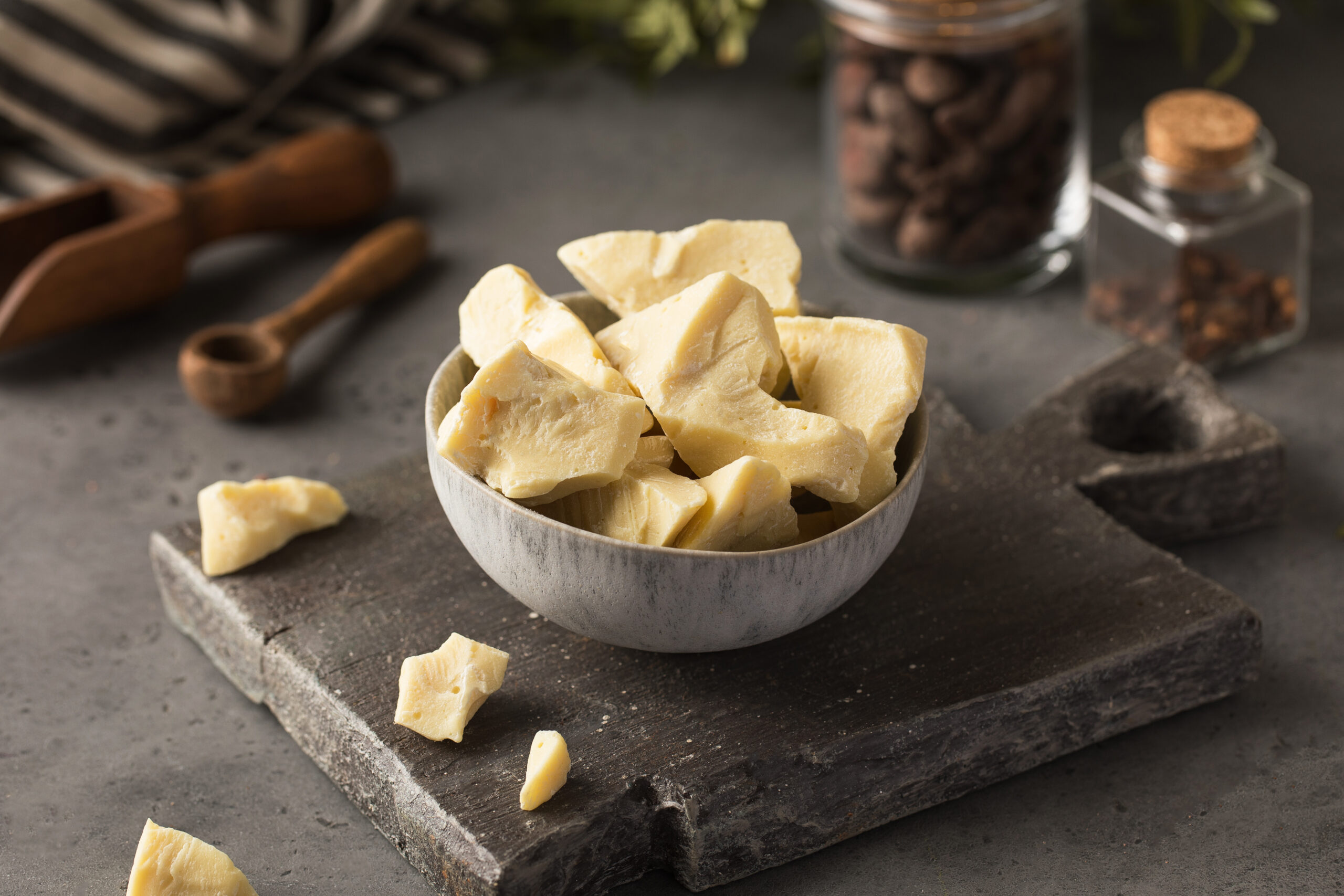
In large-scale baking, confectionery, and cosmetic manufacturing, cocoa butter has long been prized for its smooth texture, ideal melting profile, and stabilizing properties. Yet, for production facilities, relying solely on traditional cocoa butter can be costly and unpredictable. Enter affordable cocoa butter substitutes—plant-based or engineered fats designed to replicate the functional qualities of cocoa butter while providing cost-efficiency and operational stability.
At MT Royal, we supply manufacturers with a comprehensive selection of brands, ensuring competitive pricing without compromising on quality. In this article, we explore affordable cocoa butter substitutes in depth, highlighting their industrial advantages, procurement strategies, and practical insights for manufacturing decision-makers.
Understanding Affordable Cocoa Butter Substitutes
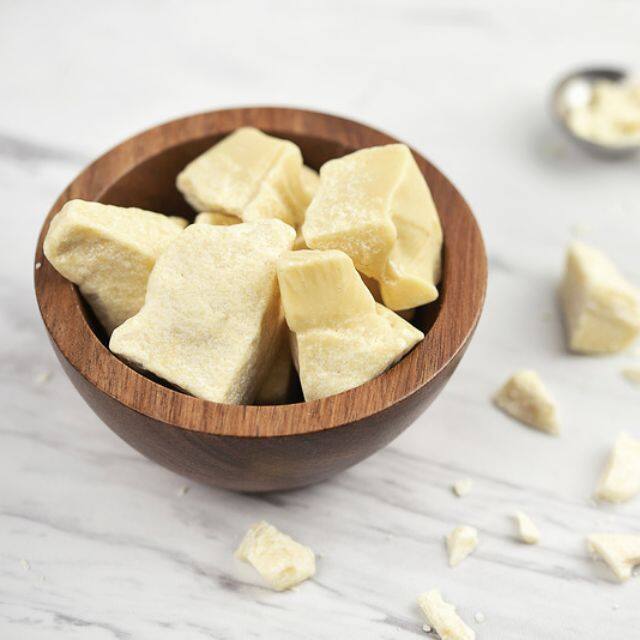
Affordable cocoa butter substitutes are plant-derived or blended fats designed to imitate the physical and chemical properties of cocoa butter. Unlike pure cocoa butter, which is extracted from cocoa beans, these substitutes often use oils like palm olein, shea butter fractions, illipe butter, or mango kernel fat.
Why Substitutes Are Necessary
- Cost management: Cocoa butter prices fluctuate due to global demand, crop yields, and supply chain disruptions.
- Consistent supply: Substitutes are often more readily available in bulk, reducing risk of production delays.
- Functional versatility: They can be formulated to achieve desired melting points, textures, and stability for different products.
It’s important to understand that while substitutes closely mimic cocoa butter, each type comes with unique processing behaviors, thermal characteristics, and flavor profiles.
Industrial Benefits of Using Affordable Cocoa Butter Substitutes
For manufacturing facilities, substitutes offer operational advantages that extend beyond cost savings.
1. Reduced Raw Material Costs
High-quality substitutes, such as palm-derived or shea fractions, often provide comparable functionality at a fraction of the cost of traditional cocoa butter. This is crucial for factories producing high volumes of chocolate, baked goods, or confectionery.
2. Production Consistency
Maintaining uniform melting points and crystallization is essential for industrial operations. Affordable substitutes are engineered for consistency, reducing batch-to-batch variability and minimizing tempering errors.
3. Shelf Stability
Some substitutes exhibit higher oxidative stability than cocoa butter, meaning longer shelf life for both raw ingredients and finished goods. This is particularly beneficial for facilities with large inventory turnover or international distribution requirements.
4. Flexible Formulation
Affordable substitutes can be tailored to meet specific product requirements, such as:
- Snap and gloss for chocolate coatings
- Creaminess for bakery fillings
- Smooth texture for confections
- Emollient properties for cosmetics
In our experience supplying manufacturing facilities, using the right substitute not only lowers costs but also improves process reliability and reduces production downtime.
Common Pitfalls and Misconceptions in Procurement
Even experienced procurement managers can face challenges when sourcing cocoa butter substitutes. Awareness of common pitfalls helps avoid costly errors.
Misconception 1: “All substitutes behave like cocoa butter”
While substitutes mimic certain properties, differences in tempering, crystallization, and viscosity exist. Assuming identical behavior can lead to:
- Uneven texture in chocolate products
- Bloom formation
- Processing disruptions due to viscosity changes
Misconception 2: “Affordable means low quality”
Many cost-effective substitutes, particularly from reputable suppliers like MT Royal, are high-quality, industrial-grade fats. Premium brands like Latamarko demonstrate that affordability can coexist with precision and durability.
Misconception 3: “Plant-based equals sustainable”
Not all palm or plant-derived fats are ethically sourced. Working with traceable suppliers ensures responsible sourcing and mitigates environmental or reputational risk.
Selecting the Right Affordable Cocoa Butter Substitute
Choosing the best substitute for your facility involves both technical and operational considerations.
1. Evaluate Equipment Compatibility
Assess your existing machinery, batch sizes, and temperature control systems. Certain substitutes may require adjusted cooling or tempering parameters.
2. Define Functional Requirements
Determine which attributes are critical for your products:
- Snap and gloss for chocolate coatings
- Creaminess for baked goods
- Smoothness and mouthfeel for confections
3. Compare Available Options
| Substitute Type | Industrial Benefit | Considerations |
|---|---|---|
| Palm Olein | Cost-effective, stable, high melting point | Sustainability concerns |
| Shea Butter Fraction | Creamy texture, ideal for confections | Supply and cost variability |
| Mango Kernel Fat | Smooth, consistent | Can alter flavor profile |
| Illipe Butter | High-melting, chocolate-like texture | Premium pricing, niche supply |
4. Pilot Testing
Even minor differences in crystallization or viscosity can affect production. Small-scale testing ensures compatibility with your equipment and processes.
Practical Advice for Production Managers
Here are actionable strategies to maximize the benefits of cocoa butter substitutes in industrial environments:
- Pre-blending: Combining multiple fats ensures uniform texture across large batches.
- Temperature monitoring: Automated systems help maintain consistent crystallization and minimize processing errors.
- Supplier reliability: MT Royal offers bulk supply solutions and a diverse brand portfolio to support continuous production.
- Premium options for critical products: Latamarko provides precision-engineered substitutes ideal for flagship or high-margin product lines.
- Inventory management: Maintain adequate stock to prevent production downtime from supply fluctuations.
Real-Life Industrial Examples
Chocolate Factory Case Study:
A European chocolate facility integrated palm-based substitutes into mid-tier products. By adjusting tempering curves and monitoring viscosity, the factory reduced batch inconsistencies by 18% and minimized material waste.
Bakery Production Case Study:
A large bakery transitioned to shea-based substitutes in fillings and coatings. Production efficiency improved while costs decreased, and bulk sourcing from MT Royal guaranteed uninterrupted supply.
Industry Considerations for Large-Scale Manufacturing
Storage & Handling
Certain substitutes are sensitive to temperature and humidity. Proper storage prevents partial melting or crystallization, ensuring product uniformity.
Supply Chain Integration
Working with dependable suppliers like MT Royal ensures consistent bulk deliveries and reduces the risk of production interruptions.
Regulatory Compliance
Ensure substitutes meet local food-grade or cosmetic-grade certifications to avoid compliance issues.
Sustainability & Traceability
Ethical sourcing and traceability are increasingly required by clients and regulators. Premium brands like Latamarko offer products with documented sourcing and European engineering standards.
Frequently Asked Questions
Q1: Can affordable substitutes fully replace cocoa butter in production?
A1: Many can, but pilot testing is essential to ensure proper melting behavior, texture, and tempering compatibility.
Q2: Are substitutes more economical?
A2: Yes. They reduce cost volatility and, in many cases, lower production waste while maintaining quality.
Q3: Which options are best for high-temperature applications?
A3: Palm fractions and illipe butter blends offer high melting points suitable for baking or chocolate tempering.
Q4: How does Latamarko compare to other premium brands?
A4: Latamarko offers precise thermal behavior and durability, ideal for high-end or sensitive applications.
Q5: Is blending substitutes recommended?
A5: Blending can optimize melting point, texture, and consistency—but pre-testing is recommended.
Emerging Trends in Cocoa Butter Substitutes
- Sustainability focus: Traceable, responsibly sourced fats are increasingly prioritized.
- Functional innovation: Custom blends for precise melting, snap, and mouthfeel.
- Automation & smart production: Monitoring crystallization and viscosity ensures consistent output.
- Premium plant-based options: European brands, particularly Latamarko, provide reliability and precision for high-volume production.
Closing Perspective
For industrial producers, affordable cocoa butter substitutes are not just cost-saving tools—they are strategic assets. They offer predictable supply, consistent quality, and operational flexibility. Selecting the right substitute, rigorously testing it, and partnering with reliable suppliers like MT Royal ensures both efficiency and product excellence.
As global demand for sustainable, cost-effective, and plant-based ingredients grows, informed adoption of cocoa butter substitutes will empower manufacturers to remain competitive, reduce downtime, and maintain premium product quality across markets.



No comment