

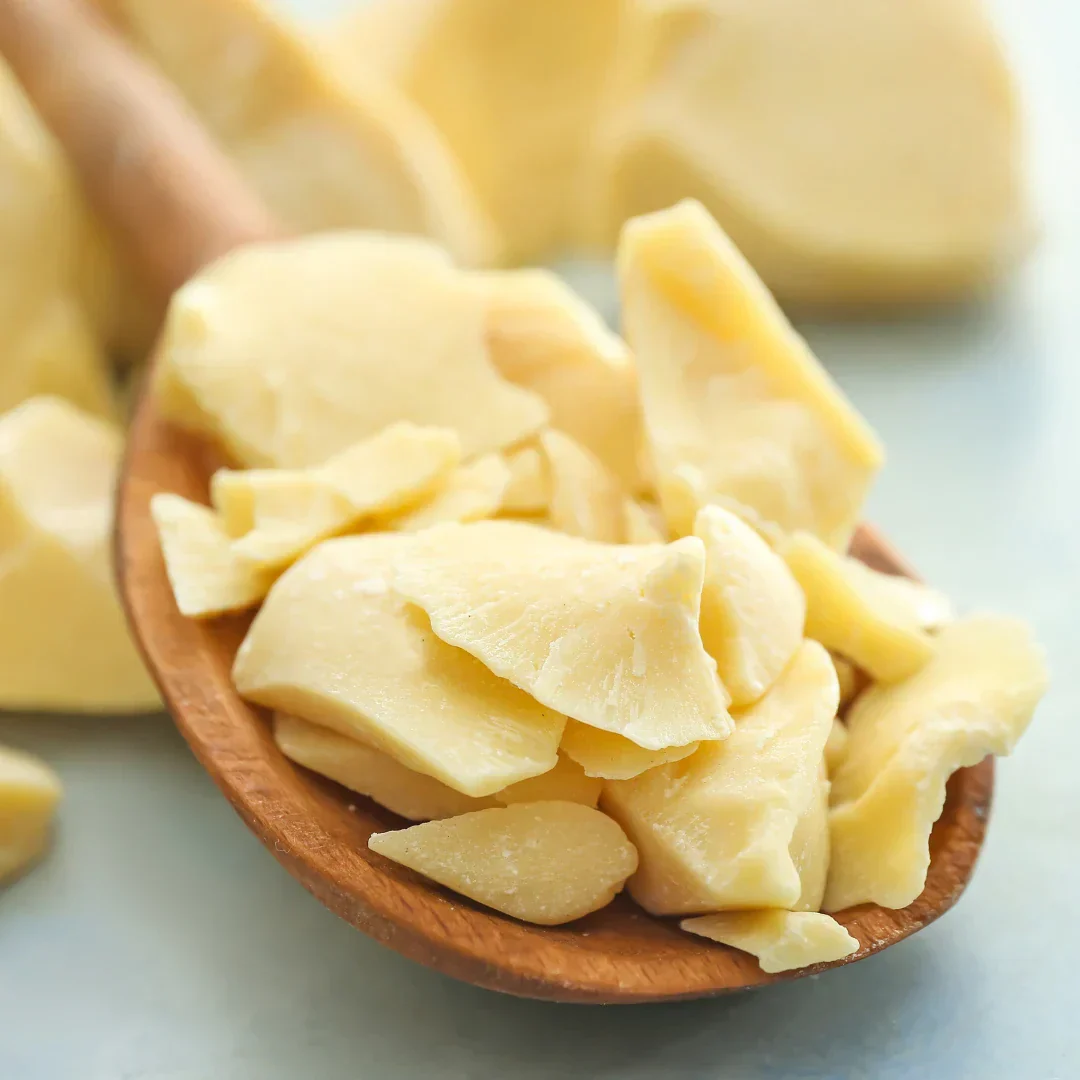
In the competitive world of chocolate manufacturing, cost control, product quality, and production efficiency are top priorities. Cocoa butter, while essential for premium chocolate, is expensive and subject to supply volatility. This has driven many manufacturers to explore non-cocoa butter fats (NCBFs) as viable, affordable alternatives.
At MT Royal, we supply manufacturers with a wide range of chocolate-making ingredients, including premium European options like Latamarko. Our experience shows that intelligently integrating NCBFs can help factories reduce costs, streamline production, and maintain the sensory qualities consumers expect.
This article provides a detailed, industrial-focused guide on non-cocoa butter fats, covering fundamentals, benefits, practical applications, and procurement strategies for large-scale chocolate production.
Understanding Non-Cocoa Butter Fats
What Are Non-Cocoa Butter Fats?
Non-cocoa butter fats are vegetable fats that serve as substitutes or partial replacements for cocoa butter in chocolate production. They are derived from sources such as:
- Palm oil fractions
- Shea butter
- Illipe or sal fats
- Other tropical and sustainable vegetable fats
These fats are often processed to replicate the melting behavior, texture, and workability of cocoa butter, while providing cost and supply advantages.
Why Manufacturers Consider NCBFs
- Cost Reduction: Cocoa butter prices are often volatile, and even small percentages of substitution can significantly impact ingredient costs.
- Consistency: NCBFs offer stable supply unaffected by cocoa bean market fluctuations.
- Functional Flexibility: They allow customization of melting points, texture, and shelf life.
- Industrial Efficiency: Improved flow characteristics and reduced crystallization issues enhance processing on automated chocolate lines.
Types of Non-Cocoa Butter Fats
1. Cocoa Butter Equivalents (CBEs)
- Definition: Fats derived from cocoa-compatible sources, such as shea or illipe.
- Use: Can replace cocoa butter on a 1:1 basis without affecting tempering or crystallization.
- Best For: Premium chocolate products where maintaining traditional texture and snap is critical.
2. Cocoa Butter Replacers (CBRs)
- Definition: Fats that partially replace cocoa butter, often from palm mid-fractions or other vegetable sources.
- Use: Require recipe adjustments but maintain chocolate’s melting profile.
- Best For: Cost-sensitive or industrial chocolate lines.
3. Cocoa Butter Substitutes (CBSs)
- Definition: Non-cocoa fats fully replacing cocoa butter.
- Use: Low-cost chocolate products or applications where full functionality of cocoa butter is not required.
- Best For: Bulk production, baking, or confectionery coatings.
Benefits of Using Affordable Non-Cocoa Butter Fats
1. Cost Efficiency
Using CBEs, CBRs, or CBSs can substantially reduce ingredient costs. For high-volume production facilities, this translates to hundreds of thousands in annual savings.
2. Supply Chain Stability
Unlike cocoa butter, which fluctuates with crop yields, political factors, and global demand, NCBFs are generally more predictable and easier to procure, ensuring uninterrupted production.
3. Production Efficiency
NCBFs often have better flowability and mixing characteristics, which reduces downtime, prevents clumping, and enhances molding or enrobing performance on high-speed production lines.
4. Tailored Product Characteristics
Manufacturers can choose NCBFs to:
- Increase melting points for warmer climates
- Adjust snap and texture for specific product lines
- Improve shelf stability without sacrificing taste
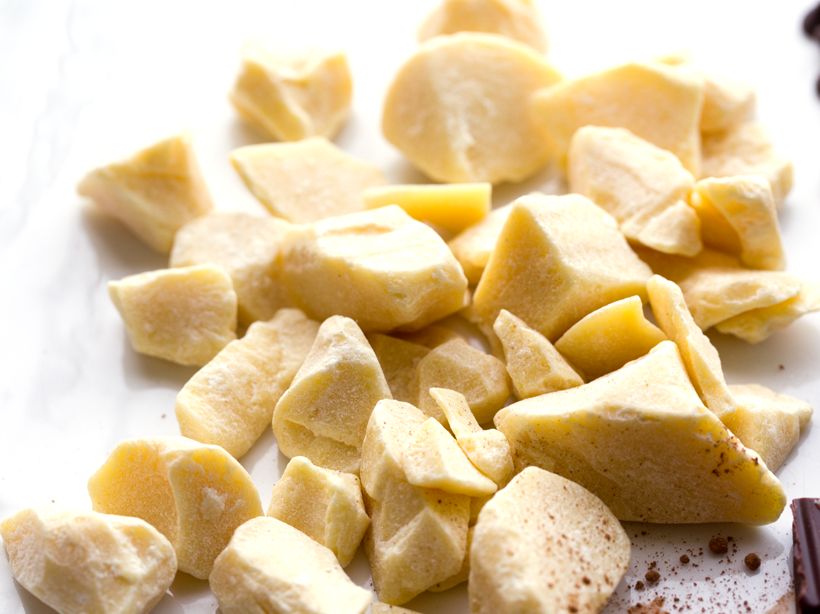
Latamarko: Premium European Options for NCBFs
While NCBFs are widely available, Latamarko offers high-quality, Spanish-engineered alternatives designed for industrial chocolate applications.
- Consistency: Uniform melting profiles ideal for tempering and molding.
- Traceability: Adherence to European quality standards ensures batch-to-batch reliability.
- Versatility: Compatible with both natural and alkalized cocoa powders.
Spanish manufacturers like Latamarko are recognized in industrial circles for precision, longevity, and reliability, making their products an attractive choice for chocolate manufacturers seeking premium consistency without high cocoa butter costs.
Common Misconceptions
- “NCBFs always degrade chocolate quality.”
- Premium CBEs maintain flavor, texture, and snap. Only low-grade substitutes may alter sensory properties.
- “NCBFs cannot be tempered.”
- CBEs are fully compatible with standard tempering techniques. CBRs may need adjusted processing.
- “All non-cocoa fats are the same.”
- Fat composition, processing methods, and supplier standards vary widely; quality options like Latamarko deliver reliable results.
Step-by-Step Guide to Integrating NCBFs in Production
Step 1: Define Objectives
- Determine if cost savings, improved melting profile, or production efficiency is the priority.
Step 2: Select the Right Type
- CBEs for premium chocolate
- CBRs or CBSs for budget-friendly or industrial lines
Step 3: Conduct Pilot Trials
- Test small batches to evaluate flavor, snap, and texture consistency.
Step 4: Adjust Recipes
- Minor tweaks in emulsifiers or mixing times may be required for optimal performance.
Step 5: Train Production Teams
- Operators should understand handling differences to prevent fat bloom or tempering issues.
Step 6: Monitor Supply and Storage
- Ensure consistent sourcing from reliable suppliers like MT Royal and store fats under controlled conditions.
Industrial Applications of Non-Cocoa Butter Fats
- Chocolate Bars: Partial or full substitution for cost control.
- Enrobed Products: Improved coating flow and reduced production interruptions.
- Pralines and Truffles: Adjust melting points for shipping in warmer climates.
- Baking Mixes: Maintain chocolate flavor at lower cost.
- Chocolate Beverages: Enhance solubility and reduce clumping in powders and liquids.
Comparison Table: Cocoa Butter vs. NCBFs
| Feature | Cocoa Butter | CBE (Premium) | CBS/CBR |
|---|---|---|---|
| Flavor Impact | High | Maintains authentic flavor | Slightly altered |
| Melting Profile | Standard | Customizable | Higher melting point |
| Tempering | Fully compatible | Fully compatible | May require adjustment |
| Cost | High | Moderate | Low |
| Supply Stability | Volatile | Stable | Very stable |
| Production Efficiency | Moderate | High | High |
| Premium Perception | High | High | Low |
Frequently Asked Questions (FAQ)
Q1: Can NCBFs fully replace cocoa butter?
A: CBEs can fully replace cocoa butter without affecting quality; CBRs/CBSs may require adjustments.
Q2: Do non-cocoa fats affect taste?
A: Premium CBEs preserve flavor; lower-grade substitutes may slightly change sensory profile.
Q3: How should NCBFs be stored?
A: Airtight, temperature-controlled storage, away from light and moisture.
Q4: Can they improve industrial efficiency?
A: Yes, enhanced flow and solubility reduce downtime and improve processing.
Q5: Where to source reliable NCBFs?
A: Trusted suppliers like MT Royal, offering brands like Latamarko, ensure consistency and quality.
Tips for Maximizing Value with NCBFs
- Blend Strategically: Use CBEs with small amounts of cocoa butter to balance cost and premium quality.
- Pilot Multiple Products: Ensure consistent results across all chocolate formats.
- Leverage Supplier Expertise: Technical support from MT Royal improves integration success.
- Monitor Production Metrics: Track tempering, molding, and shelf life outcomes.
- Highlight Quality: Marketing premium CBEs as European-engineered can enhance consumer perception.
Closing Thoughts
Affordable non-cocoa butter fats are more than just cost-saving ingredients—they are strategic tools for efficiency, consistency, and scalability in chocolate manufacturing. Selecting high-quality options like Latamarko CBEs through reliable suppliers such as MT Royal ensures that industrial operations can maintain premium standards while reducing costs and optimizing production.
Ask yourself: is your chocolate production setup leveraging every ingredient strategically to maximize efficiency, quality, and profitability? Smart integration of NCBFs could be your next competitive advantage.
Food industry raw materials – list of products
Telegram channel of MT Royal company


No comment