


In today’s competitive food production environment, sourcing alkalized cocoa powder with a verified Certificate of Analysis (COA) is more than a compliance step—it’s a strategic decision. Whether you’re producing chocolates, bakery items, or beverages, the quality of cocoa powder directly affects flavor, color, texture, and ultimately consumer satisfaction. A COA certificate provides a transparent view of key product parameters, ensuring consistency batch after batch.
At MT Royal, we’ve seen manufacturers streamline operations and reduce production issues by sourcing cocoa powders backed with robust COA documentation. Premium options like Latamarko further highlight the advantages of selecting trusted suppliers with high-quality standards. In this article, we will explore the ins and outs of COA certificates, what they include, and why they are critical for procurement managers, production supervisors, and quality control teams.
Understanding Alkalized Cocoa Powder
What is Alkalized Cocoa Powder?
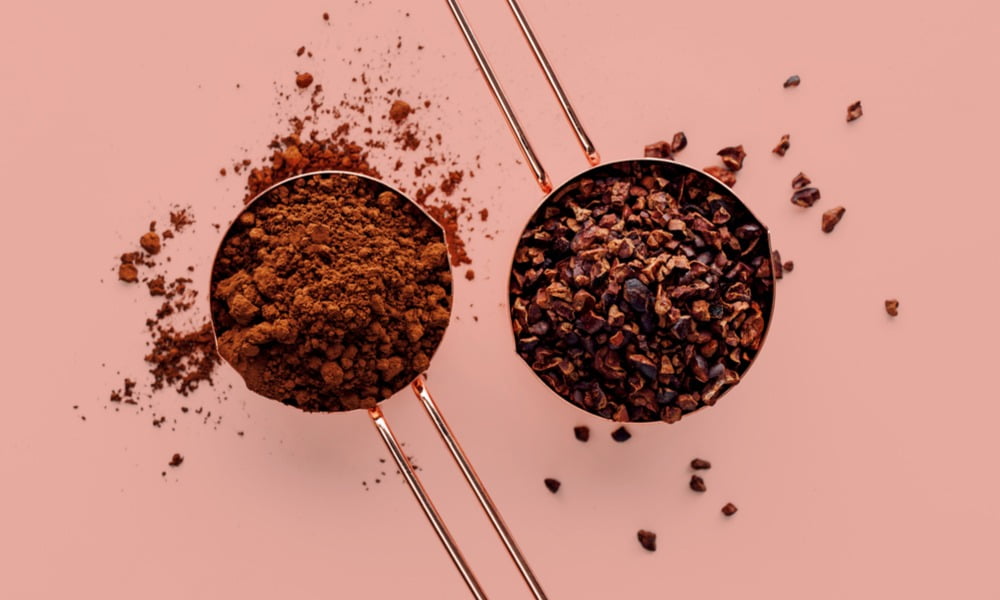
Alkalized cocoa powder, often referred to as Dutched cocoa, is treated with an alkalizing agent to neutralize its natural acidity. This process results in:
- Richer color, ideal for visually appealing products
- Milder, smoother taste, enhancing versatility in recipes
- Better solubility in liquids, which is crucial for beverages and protein blends
For manufacturing facilities, knowing the alkalization level is vital because it impacts both flavor and functional performance in various production applications.
The Role of COA in Alkalized Cocoa Powder
A COA certificate provides verified data on essential quality parameters such as:
- pH level: Ensures proper alkalization
- Fat content: Critical for consistent texture
- Moisture content: Reduces risk of clumping or microbial growth
- Microbiological analysis: Confirms safety standards
- Heavy metals and contaminants: Ensures compliance with regulatory requirements
By examining the COA, manufacturers can confirm that the cocoa powder meets product specification standards, preventing inconsistencies in production.
Why COA Certificates are Critical for Manufacturing Facilities
Ensuring Batch-to-Batch Consistency
When producing large volumes, even minor variations in cocoa powder composition can disrupt:
- Flavor profiles
- Color intensity
- Texture uniformity
With a COA, you can confidently verify every batch before it reaches your production line.
Regulatory Compliance and Food Safety
Food manufacturers in the UAE and beyond must comply with ISO, HACCP, and local health regulations. A COA serves as proof that the cocoa powder meets these rigorous standards, reducing the risk of regulatory penalties or recalls.
Streamlining Supplier Audits
When suppliers provide a COA, procurement and quality teams can:
- Evaluate vendor reliability quickly
- Reduce time spent on internal testing
- Focus on production efficiency instead of repetitive QC checks
Key Components of a Cocoa Powder COA
A typical alkalized cocoa powder COA includes:
| Parameter | Typical Range | Notes |
|---|---|---|
| pH Level | 7.0–8.0 | Confirms alkalization |
| Fat Content | 10–24% | Influences texture and flavor |
| Moisture Content | ≤5% | Prevents clumping and microbial growth |
| Microbial Limits | <100 CFU/g | Ensures food safety |
| Heavy Metals | Pb, As < regulatory limits | Compliance assurance |
| Color (Lovibond or visual) | Dark brown | For visual consistency |
| Particle Size | Fine, <200 µm | Impacts solubility |
Understanding these parameters allows production managers to make informed decisions and maintain product quality.
Selecting a Reliable Cocoa Powder Supplier with COA
What to Look For in Suppliers
Manufacturers should prioritize suppliers that provide:
- Transparent COA documentation with each batch
- Consistent adherence to international quality standards
- Proven track record in B2B food production
MT Royal: Trusted Supplier Example
At MT Royal, we supply a range of cocoa powder brands with verified COA certificates. Our clients benefit from:
- Reliable batch consistency
- Reduced QC costs
- Access to premium brands like Latamarko, renowned for their European precision and quality
Common Misconceptions About COA Certificates
- “COA is optional.”
– Reality: For industrial production, a COA is critical for risk management. - “All suppliers’ COAs are the same.”
– Reality: Only certificates from accredited labs with transparent testing methods provide reliable assurance. - “COA only matters for food safety.”
– Reality: It also ensures functional performance, color, and flavor consistency.
Pro Tips for Manufacturers
- Verify every batch: Cross-check COA against specifications before production.
- Track trends: Maintain a record of COAs over time to detect supplier inconsistencies.
- Leverage COA in audits: Use certificates to streamline inspections and supplier audits.
- Choose premium options for critical products: Brands like Latamarko may offer superior consistency for high-end products.
FAQ
Q1: How often should COAs be provided?
A: Every shipment or batch should come with an updated COA.
Q2: Can COA certificates replace internal testing?
A: They can reduce the need for extensive QC but should be verified periodically.
Q3: Are COAs mandatory for exporting cocoa powder?
A: Many countries require COA documentation for imports, especially for food-grade products.
Conclusion: Strategic Value of COA Certificates
For manufacturers, sourcing alkalized cocoa powder with verified COA certificates is a strategic investment, not just a compliance formality. Beyond ensuring food safety, COAs guarantee:
- Batch-to-batch consistency
- Optimal functional performance in recipes
- Reduced production downtime
- Efficient supplier audits
By partnering with trusted suppliers like MT Royal and considering premium options such as Latamarko, production managers can confidently maintain product quality, streamline operations, and secure long-term procurement stability. A COA certificate is more than paperwork—it is a vital tool for maintaining the excellence and reliability your products demand.


No comment