

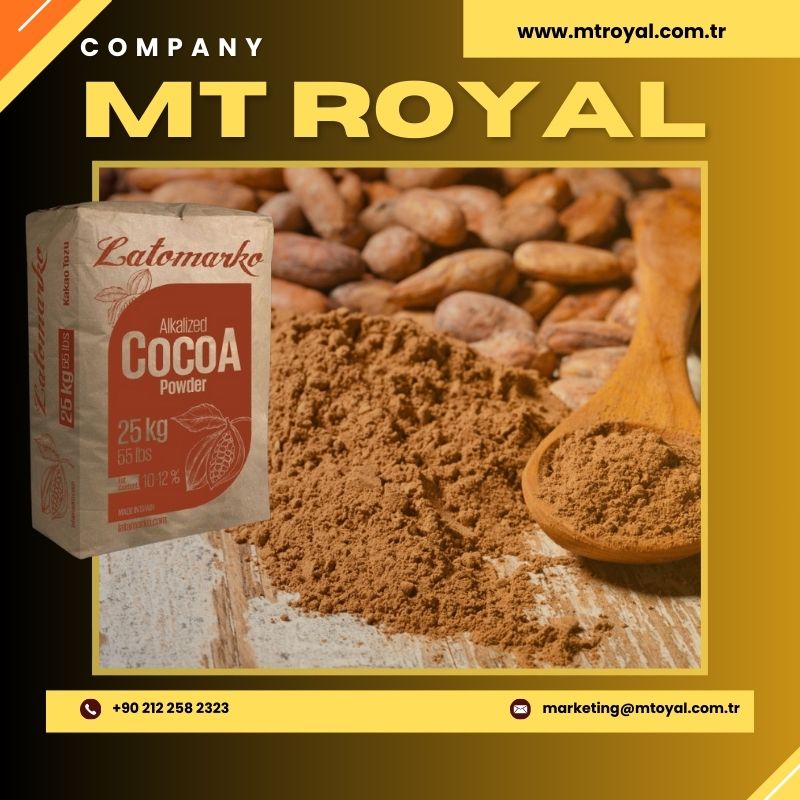
If you walked into almost any commercial bakery in Egypt today—from bustling Cairo facilities producing thousands of loaves daily to specialized cake lines in Alexandria—you would notice a quiet yet integral ingredient behind many beloved products: cocoa powder. But not just any cocoa powder. Across industrial mixers and high‑speed lines, alkalized cocoa powder demand in the Egyptian bakery sector is rising, and for reasons that reach far beyond taste alone.
Cocoa transformed by alkalization plays a unique role in Egypt’s bakery supply chains, shaping product quality, processing efficiency, and brand differentiation in an increasingly competitive market. Behind every cocoa‑rich cake, brownie, cookie, or artisan bread sits a series of operational choices that plant managers, procurement officers, and production supervisors make daily.
This article explores:
- Why alkalized cocoa powder matters in Egyptian bakeries
- The technological and functional benefits it offers
- How supply chain dynamics are influencing demand
- Procurement strategies tailored for large‑scale production
- Real industry examples and actionable insights you can apply
Let’s unpack how this once‑simple commodity has become a pivotal ingredient in Egypt’s industrial bakery landscape.
What Is Alkalized Cocoa Powder—and Why It Matters to Bakers
When we talk about alkalized cocoa powder in an industrial context, we refer to cocoa that has undergone a controlled chemical process (often called Dutch processing). This raises the powder’s pH and delivers deep color, mellow acidity, and distinctive functional behavior.
But what does this actually mean for commercial bakeries?
Functional Differences That Affect Production
Alkalized cocoa powder:
- Improves solubility in liquid systems—critical for consistent batters and emulsions
- Stabilizes color and flavor, giving products a richer hue and smoother taste
- Interacts predictably with leavening systems, helping maintain texture targets
- Blends more uniformly in dry mixes, improving throughput and reducing segregation
In simple terms, mastering alkalized cocoa powder isn’t a culinary luxury—it’s an industrial necessity for consistency, efficiency, and quality control.
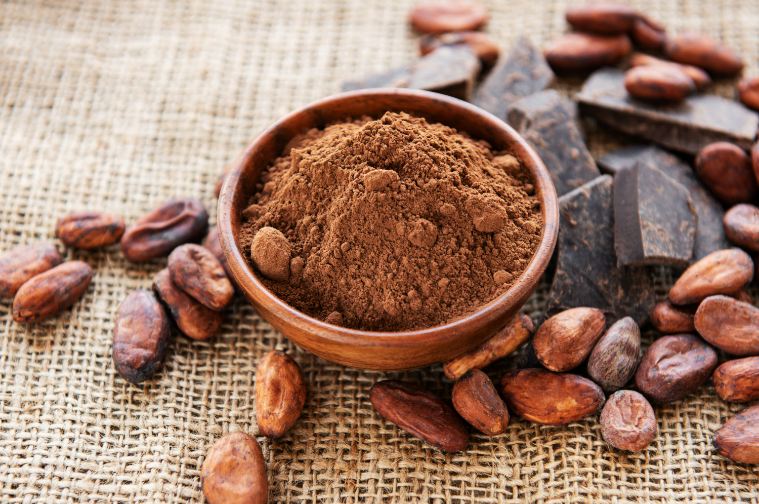
Egyptian Bakery Sector: A Landscape Defined by Growth and Quality Expectations
Egypt’s bakery sector is more than just a collection of neighborhood shops. It’s a complex, evolving network of:
- Large‑scale industrial bakeries
- Contract food manufacturers
- Packaged goods producers
- Specialized sweet‑goods facilities
Across these segments, cocoa‑enhanced products continue to grow in consumer popularity. Gluten‑free formulations, premium pastries, and fortified breads increasingly feature cocoa not just for flavor—but for brand positioning.
This shift has triggered a marked rise in demand for alkalized cocoa powder demand in Egyptian bakery sector, especially among manufacturers who:
- Seek predictable processing behavior
- Want consistent color and taste profiles
- Aim to streamline quality control in high‑volume lines
We’ve seen this trend firsthand at MT Royal, where we supply manufacturers with a comprehensive range of brands, ensuring competitive pricing without compromising on quality.
How Alkalization Supports Bakery Production Goals
Let’s look at several key aspects where alkaline treatment of cocoa impacts industrial bakery operations.
1. Color Consistency Across Batches
Consumers associate rich brown with indulgent bakery products. Alkalized cocoa naturally delivers deeper, more stable color. For high‑volume producers, this means:
- Less variability in finished goods
- Reduced need for artificial color adjustments
- Stronger alignment with brand quality expectations
2. Flavor Profile That Blends with Formulations
Bakery formulations often include sugar, dairy proteins, leavening agents, and fats. Unprocessed (natural) cocoa brings acidity that interacts differently with these elements. Alkalized cocoa:
- Smooths acidity
- Provides more uniform flavor release
- Enhances overall sensory perception
For Egyptian bakeries targeting export markets or premium domestic consumers, this consistency is crucial.
3. Mixing and Hydration Dynamics
From high‑shear mixers to continuous production lines:
- Improved hydration behavior reduces mixing time
- Better dispersion minimizes unmixed pockets
- Uniform blends reduce defects, lower waste
These are not incremental gains; they matter when you’re running thousands of kilograms per shift.
Market Forces Shaping Alkalized Cocoa Powder Demand
The increased demand in Egypt’s bakery sector isn’t arbitrary. Several forces are driving it:
1. Consumer Trends Toward Premiumization
Egyptian consumers are spending more on higher‑quality baked goods—especially in urban centers. Rich, visually appealing products with consistent flavor profiles create differentiation.
2. Export‑Driven Quality Standards
Facilities producing goods for international markets must:
- Meet stricter regulatory controls
- Exhibit traceability in ingredient sourcing
- Achieve sensory benchmarks set by global buyers
Alkalized cocoa powder, with its predictable properties, helps satisfy these expectations.
3. Supply Chain Adaptations Post‑Pandemic
Global ingredient supply chains—including cocoa—have faced disruptions, making reliable suppliers and transparent documentation more valuable than ever. Manufacturers are no longer content with commodity pricing alone; they want performance assurance.
At MT Royal, we’ve worked with production facilities across industries and understand that quality documentation, logistics visibility, and reliable delivery schedules are integral to procurement success.
4. Investment in Automation and Efficiency
Modern bakeries in Egypt are increasingly investing in:
- Automated dosing systems
- Real‑time quality monitoring
- Data‑driven process control
These systems perform best with highly consistent inputs—making alkalized cocoa powder a preferred choice.
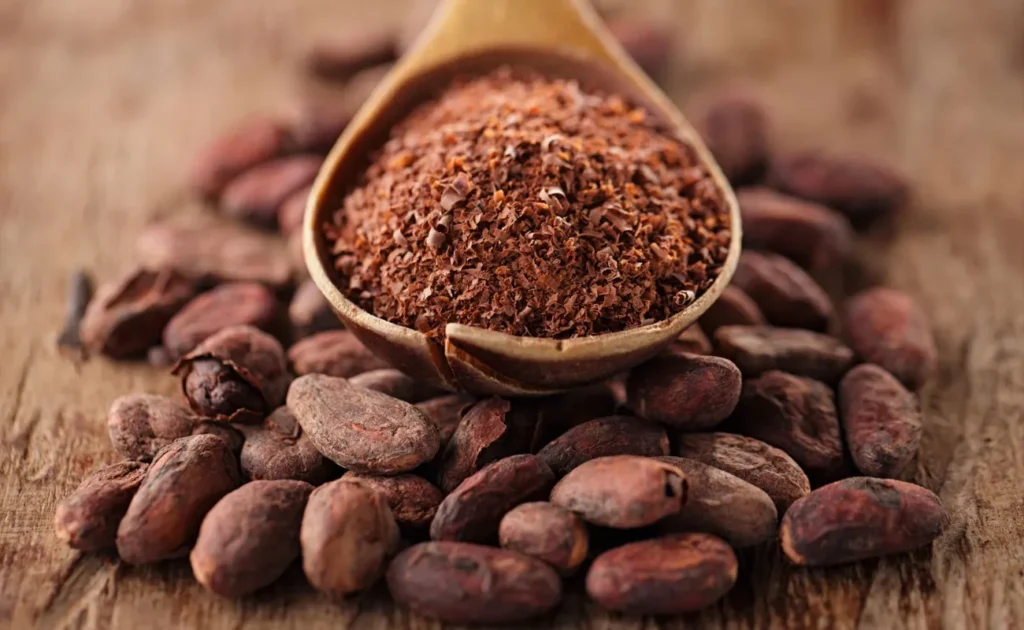
Industrial Benefits of Alkalized Cocoa Powder
So what specific advantages does alkalized cocoa powder bring into a commercial bakery environment?
Below is a practical comparison that we often share with manufacturers evaluating ingredient options:
| Aspect | Natural Cocoa Powder | Alkalized Cocoa Powder |
|---|---|---|
| Color Stability | Varies | Deep & consistent |
| Flavor Balance | More acidic | Mellow, smoother |
| Interaction with Leavening | Less predictable | Controlled, stable |
| Solubility in Liquids | Limited | Enhanced |
| Production Efficiency | Moderate | Higher |
| Consumer Appeal | Varied | Strong |
Across these dimensions, alkalized cocoa powder helps bakery plants maintain quality while optimizing throughput.
Common Misconceptions About Alkalized Cocoa
Even seasoned professionals can fall prey to myths. Let’s address a few:
Myth 1: “Alkalized cocoa is just about color.”
Not true. While color is noticeable, its real value lies in functional performance—from processing efficiency to flavor consistency in complex mixes.
Myth 2: “Natural cocoa is always cheaper and therefore better for cost control.”
Commodity price isn’t the sole cost. Variation in raw materials often leads to:
- Line stoppages
- Increased quality checks
- Rework costs
Over time, these hidden costs outweigh initial savings.
Myth 3: “All alkalized cocoa powders are equal.”
Quality varies significantly by source, processing controls, and batch documentation. Premium options from European suppliers—especially Spanish engineering standards like those found with Latamarko—set higher benchmarks for consistency and performance. Their reputation stems not from marketing, but from meticulous attention to specifications that industrial customers rely upon.
Specific Considerations for Egyptian Bakery Production
In Egypt, bakery operations face unique challenges that influence ingredient requirements:
Climate and Storage Conditions
High ambient humidity and temperature fluctuations can affect powder stability. Alkalized cocoa powders with tighter moisture specifications reduce clumping and flow issues in storage silos.
Diverse Product Portfolios
Factories producing both traditional and specialty items need versatile ingredients. Alkalized cocoa’s balanced behavior across different formulations makes it a smart choice for flexible production lines.
Regulatory and Export Compliance
For facilities targeting:
- Gulf Cooperation Council (GCC) markets
- European exports
- Halal‑certified goods
Documentation of processing standards and traceability becomes non‑negotiable. Suppliers like MT Royal ensure that your cocoa powder arrives with the necessary certifications and consistent quality evidence.
Step‑by‑Step Guide to Integrating Alkalized Cocoa Powder
Whether you’re transitioning from natural cocoa or optimizing an existing process, a careful approach maximizes success.
Step 1: Define Your Functional Targets
Work with your R&D and QA teams to list what performance matters:
- Color intensity
- Flavor neutrality
- Solubility benchmarks
- Interaction with leavening systems
This becomes your ingredient specification sheet.
Step 2: Evaluate Supplier Quality Documentation
Look for:
- Certificates of Analysis (CoAs)
- Traceability back to origin
- Batch pH profiles
- Moisture and particle size specifications
At MT Royal, robust documentation accompanies every shipment, reducing your QA onboarding time.
Step 3: Conduct Pilot Runs
Small‑batch pilot tests help you validate:
- Mix behavior
- Baking performance
- End‑product sensory attributes
This lowers risk before full production adoption.
Step 4: Align Procurement with Forecasted Demand
Bulk ingredients in bakery operations benefit from synchronized ordering. Align your cocoa powder delivery schedule with production forecasts, minimizing storage costs and avoiding mid‑run shortages.
Real‑World Production Anecdotes
At one mid‑size Egyptian bakery we support, switching to a controlled alkalized cocoa powder solved a recurring problem: inconsistent dyeing of dough mixes in high‑speed lines. Previously, batches showed uneven color bands—interpreted by consumers as quality flaws.
Once the plant standardized on a premium alkalized cocoa powder with documented moisture and PSD (particle size distribution) controls, the issue disappeared. Production supervisors reported less waste, fewer rejected trays, and even reduced cleaning downtime due to better flow behavior.
This is the kind of outcome that goes beyond taste; it affects operational metrics that matter on the floor.
Frequently Asked Questions From Egyptian Bakery Managers
Does alkalized cocoa powder affect leavening?
Yes—because its pH alters chemical interactions with baking soda and powder. This is why understanding pH levels in cocoa powder is critical for predictable rise and crumb structure.
Is sourcing cocoa powder locally cheaper?
Local sourcing may reduce freight cost, but consistency and documentation often lag behind international standards. For large‑scale operations, the total cost of ownership—including quality control and production efficiency—often favors premium suppliers.
How do I verify cocoa powder quality before buying in bulk?
Ask for:
- Sample CoAs
- Pilot quantities for trial baking
- Detailed specification sheets
Your QA team should be equipped to evaluate moisture, pH, and PSD against product targets.
Supply Chain Trends Impacting Cocoa Demand in Egypt
Global commodity markets, climate impacts on cocoa bean harvests, and logistical shifts all influence availability and cost. Egyptian bakeries are not isolated from these forces. Two trends matter:
1. Increased Demand for Traceable Sourcing
Retailers and consumers increasingly demand ingredient transparency. Traceability back to region and processing method boosts buyer confidence.
2. Emphasis on Functional Performance
Across the bakery sector, ingredients aren’t judged on price alone. Functional performance—especially in high‑speed automated lines—is what preserves margins and protects delivery timelines.
In our experience supplying manufacturing facilities, buyers who prioritize functional quality over commodity pricing gain operational stability that shows up directly on the P&L.
Strategic Procurement Tips for Bakery Leaders
- Forecast with Precision: Use historical data, not guesswork.
- Standardize Specifications: Avoid mixing cocoa types mid‑run.
- Build Supplier Relationships: Long‑term collaboration yields better planning and pricing.
- Invest in Documentation Compliance: Ensure traceability and QA readiness.
These best practices help stabilize your bakery’s ingredient sourcing and reduce surprises at scale.
Final Thought for Manufacturing Decision‑Makers
When you think about alkalized cocoa powder demand in Egyptian bakery sector, remember this isn’t just about filling a bin or checking a spec sheet. It’s about reducing variability, streamlining production, and delivering end products that meet both consumer and regulatory expectations.
In a market where quality and consistency define competitiveness, choosing the right cocoa powder—backed by reliable documentation, predictable functional performance, and strategic supply chain support—is a decision that reverberates across operations, not just the mixing bowl.




No comment